
If you’re dealing with chlorinated water, upgrading to chlorine-resistant resin is essential. These resins are formulated to withstand aggressive chlorine molecules, which can break down standard beads and reduce their ion-exchange capacity. By choosing a durable resin, you’ll extend your system’s lifespan, maintain consistent water quality, and reduce maintenance costs. Investing in the right resin makes a noticeable difference, and if you want to find out more, there’s valuable information ahead to help you make the best choice.
Key Takeaways
- Upgrading to chlorine-resistant resin prevents premature degradation caused by chlorinated water.
- Chlorine-resistant resins maintain ion-exchange efficiency longer, ensuring consistent water quality.
- Using durable resins reduces maintenance costs and extends system service life.
- Resins formulated for chemical resistance better withstand fluctuating chlorine levels.
- Investing in high-quality, chlorine-resistant resin is crucial for system reliability and cost savings.
Have you ever wondered how to maintain the efficiency of your resin-based water treatment system in chlorinated water? If you’re relying on resin for water filtration, you know that chlorination can pose a real challenge. Chlorine, while excellent for disinfecting water, can deteriorate your resin over time, reducing its ability to effectively remove contaminants. To keep your system running smoothly, you need to understand the significance of resin durability and how upgrading your resin can make a significant difference. Resin durability is essential because it directly impacts how long your resin can perform at peak efficiency. Chlorine molecules are aggressive and can break down the resin beads, causing them to lose their ion-exchange capacity. When this happens, your water filtration becomes less effective, leading to higher operational costs and more frequent resin replacements. Upgrading to a resin formulated specifically for chlorinated water means investing in a product designed to withstand these harsh conditions. These resins typically feature enhanced chemical resistance, allowing them to resist chlorine degradation longer, which translates into better water filtration over an extended period. Additionally, selecting a resin with chlorine resistance can significantly extend your system’s service life and reduce maintenance needs. Choosing the right resin upgrade isn’t just about durability; it’s also about maintaining ideal water quality. When your resin resists chlorine damage, it continues to effectively remove impurities without frequent service interruptions. This means fewer backwashes, less downtime, and lower maintenance costs. Additionally, a more durable resin can handle higher chlorine levels without premature fouling or loss of capacity, ensuring consistent water quality that meets your standards. This stability is especially significant if your water supply has fluctuating chlorine concentrations or if you’re operating in a high-demand setting. Furthermore, an upgraded resin designed for chlorinated environments can improve your system’s overall water filtration performance. Its resilience allows it to maintain a high ion-exchange rate, ensuring that contaminants are removed efficiently and reliably. Using a resin with chemical resistance can also help prevent premature fouling caused by other aggressive substances in your water supply. This proactive approach helps to maximize resin lifespan and reduce overall maintenance costs. Additionally, considering proper regeneration methods can further enhance resin longevity in chlorinated settings. As a result, you get cleaner, safer water without the hassle of frequent resin replacements or system overhauls. Over time, this not only saves you money but also extends the lifespan of your entire water treatment setup.

Premium 10% Cross-Link Water Softener Resin (9.5 Lbs)
- Engineered for Harsh Water: Durable 10% cross-linked resin for tough conditions
- Resists Chlorine & Hardness: High chemical stability for high-chlorine water
- Longer Lifespan: Up to 2x the durability of standard resin
As an affiliate, we earn on qualifying purchases.
As an affiliate, we earn on qualifying purchases.
Frequently Asked Questions
How Often Should Resin Be Replaced in Chlorinated Water?
You should replace resin in chlorinated water systems approximately every 3 to 5 years, depending on usage and water quality. Resin lifespan can vary, so monitor your system’s performance regularly. If you notice a decline in water quality or increased water hardness, it’s time for a resin replacement. Regular maintenance and water testing help determine the best replacement frequency, ensuring your system stays effective and your water remains clean.
Does Resin Type Affect Chlorine Removal Efficiency?
Imagine you’re choosing resin for your chlorinated water system; the type definitely impacts chlorine removal efficiency. For example, a resin with high chlorine resistance, like a specialized cation exchange resin, maintains better resin compatibility over time. Different resins vary in their ability to withstand chlorinated environments, so selecting one designed for chlorine resistance guarantees your system stays effective longer and reduces the need for frequent replacements.
Are There Eco-Friendly Resin Options for Chlorinated Water?
Yes, there are eco-friendly alternatives available for chlorinated water, like bio-based or biodegradable resins. These options reduce environmental impact and are designed with sustainability in mind. When choosing, consider resin durability to guarantee it withstands regular use without frequent replacements. Eco-friendly resins can effectively remove chlorine while supporting greener practices, making your water treatment both efficient and environmentally responsible.
Can Resin Upgrades Improve Water Taste and Odor?
Think of your water like a garden, where resin upgrades act as skilled gardeners. They can enhance flavor by filtering out unwanted tastes and reduce odors that cloud your tap water. Upgrading your resin is like planting fragrant herbs and trimming dead leaves, making your water more invigorating and more appealing. With the right resin, you’ll enjoy better flavor enhancement and odor reduction, turning your tap into a revitalizing, pure source.
Is Resin Upgrade Necessary for Small-Scale Chlorinated Water Systems?
If you have a small-scale chlorinated water system with storage tanks, upgrading your resin can be beneficial, but it’s not always necessary. Resin upgrades improve water filtration by removing chlorine and other contaminants, enhancing taste and odor. Consider your water quality and system maintenance; if your current resin is aging or ineffective, upgrading guarantees better filtration and longer system lifespan. Otherwise, regular maintenance might suffice.

Purolite An Ecolab Company C100E Water Softener Resin 1 CF
- Product Type: Water Softener Resin
- Application: Softening Potable Water
As an affiliate, we earn on qualifying purchases.
As an affiliate, we earn on qualifying purchases.
Conclusion
So, next time you’re tempted to skimp on that resin upgrade, remember: in chlorinated water, it’s the one upgrade that truly matters. Skip it, and you’re basically asking for a water disaster with a side of wasted money. Don’t be that person who learns the hard way—because your water system deserves more than just a “meh” upgrade. Invest wisely, or prepare for a chlorinated catastrophe you could’ve easily avoided. Cheers to smarter choices!

RESIONE Anti-Impact Nylon-Like Tough 3D Printer Resin, White-Grey, 1KG
- Impact-Resistant and Tough: Absorbs high-speed impacts without damage
- High Elongation and Strength: 81–100% elongation at break, durable tensile strength
- Scratch and Wear Resistant: Maintains toughness, resists scratches and wear
As an affiliate, we earn on qualifying purchases.
As an affiliate, we earn on qualifying purchases.
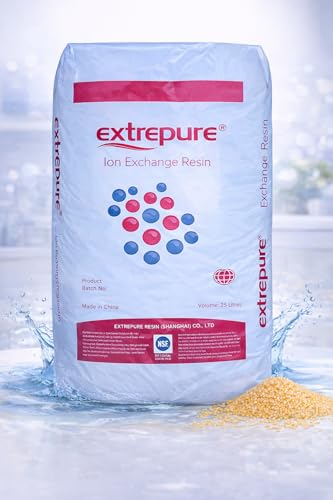
Water Softener Resin 1 Cu Ft – 32K Grain High-Capacity 7% Cross-linked
- High-Performance Resin: 7% cross-linked, durable, efficient
- High Capacity Softening: Removes minerals, reduces regeneration
- Long-Lasting & Easy to Install: Compatible with standard systems, hassle-free
As an affiliate, we earn on qualifying purchases.
As an affiliate, we earn on qualifying purchases.