To guarantee safe and accurate chlorine residual testing, always follow proper procedures, use reliable equipment, and wear protective gear. Avoid common mistakes like using expired kits, contaminated samples, or neglecting calibration. Accurate documentation and understanding water chemistry help prevent errors, while adhering to safety standards protects you and the water supply. Staying informed about regulation guidelines is key. Keep these tips in mind, and you’ll see how proper testing promotes safe, clean water—if you’re ready, there’s more to learn.

Get home appliances delivered free with Prime
- Fast, free delivery on millions of items
- Prime Video, Amazon Music and more included
- Member-only deals all year
Key Takeaways
- Always wear appropriate protective gear to prevent chemical exposure during chlorine testing.
- Properly calibrate and maintain testing equipment to ensure accurate, reliable residual measurements.
- Follow manufacturer instructions carefully for reagent handling, storage, and disposal to avoid safety hazards.
- Document all test results and procedures accurately for regulatory compliance and safety tracking.
- Be aware of temperature effects and sample contamination risks that can compromise test accuracy and safety.
As an affiliate, we earn on qualifying purchases.
Understanding the Importance of Proper Chlorine Levels

Understanding the importance of proper chlorine levels is essential for ensuring safe and clean water. When you maintain chlorine stability, you prevent the chlorine from breaking down too quickly, ensuring ongoing disinfection. Proper pH balancing plays a key role here, as it affects how effectively chlorine works; if the pH is too high or low, chlorine becomes less effective, risking microbial growth. Keeping chlorine levels within the recommended range ensures pathogens are eliminated while avoiding over-chlorination, which can cause discomfort and safety issues. Regular testing helps you monitor these factors, allowing you to adjust chlorine dosage accordingly. By focusing on chlorine stability and pH balancing, you create a safer, healthier water environment for everyone using the system. Additionally, understanding city water dynamics can help you better interpret test results and optimize your chlorination process.
As an affiliate, we earn on qualifying purchases.
The Right Tools and Equipment for Accurate Testing
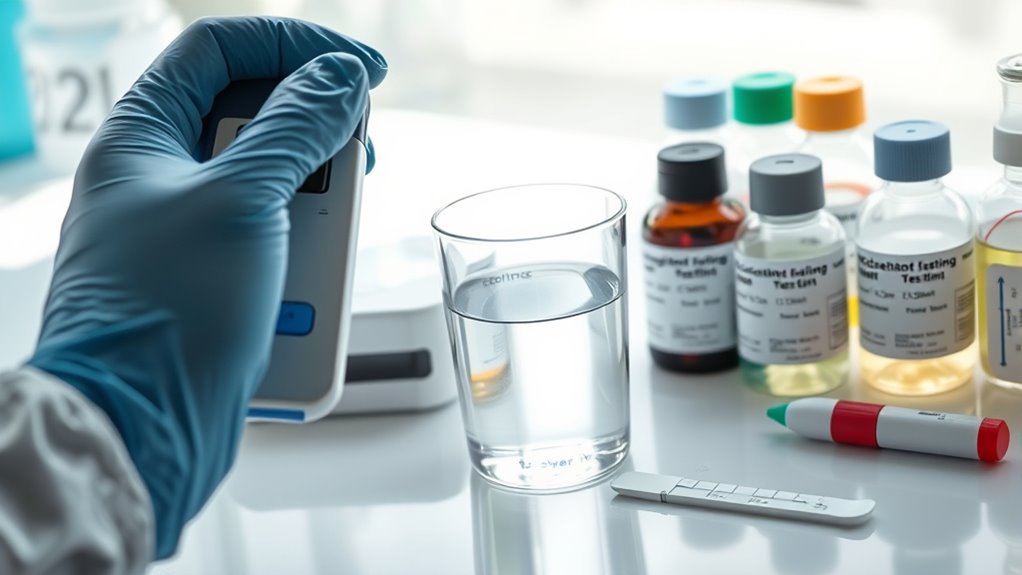
Choosing the right tools and equipment is essential for obtaining accurate chlorine residual test results. High-quality test kits and meters guarantee precise readings by facilitating correct chemical reactions during testing. Look for equipment designed specifically for chlorine measurement, as generic tools may not respond reliably. Equipment durability matters because it withstands frequent use and exposure to chemicals without degrading, maintaining accuracy over time. Durable tools reduce errors caused by faulty or worn-out parts, ensuring consistent results. Properly calibrated instruments help prevent misinterpretations that could lead to unsafe chlorine levels. Investing in reliable, sturdy testing equipment helps you detect fluctuations early and maintain safe water quality. Additionally, understanding test kit accuracy and proper maintenance techniques ensures ongoing reliable results. Ultimately, the right tools support accurate testing, safeguarding health and compliance.
As an affiliate, we earn on qualifying purchases.
Step-by-Step Procedures for Reliable Results

To get reliable chlorine residual test results, following a clear, step-by-step procedure is essential. Begin by preparing your test kit according to the manufacturer’s instructions, ensuring all reagents are fresh and properly stored. Collect a representative water sample, avoiding disturbances that could affect chlorine chemistry. Carefully add the reagent, mixing thoroughly to develop a consistent color change. Compare the color to the standard chart promptly, as delays can alter results. Always record your readings immediately, noting the time and sample location. Proper technique minimizes errors caused by improper handling or timing, which are critical in water treatment. Additionally, using appropriate testing methods ensures your results are accurate and reliable. Consistently following these steps ensures accurate measurement of free chlorine, helping you maintain safe residual levels and effective disinfection.
As an affiliate, we earn on qualifying purchases.
Common Mistakes That Can Skew Test Outcomes
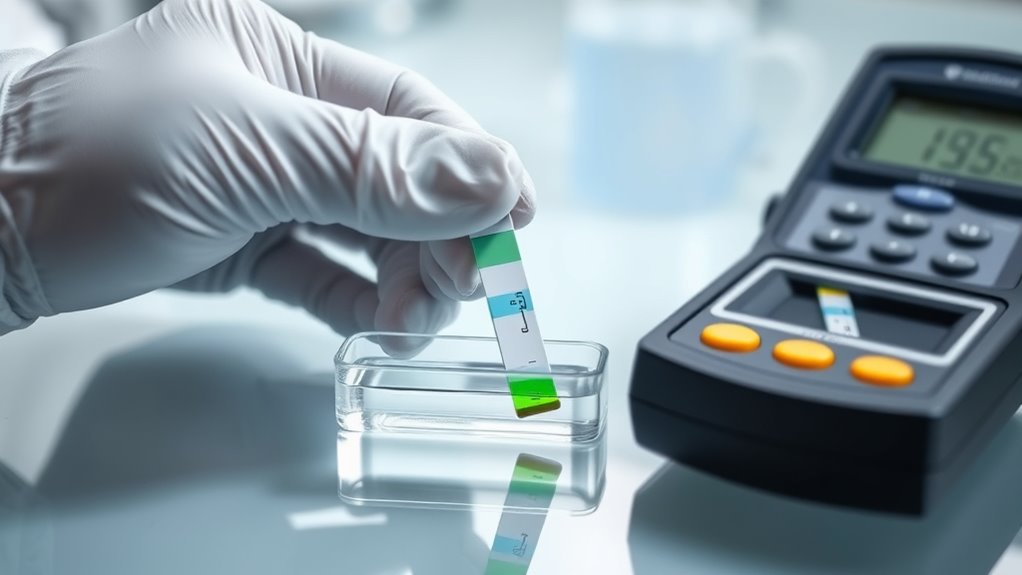
You need to be careful because common mistakes can influence your test results. Using improper sample collection techniques, expired testing kits, or ignoring temperature effects can lead to inaccurate readings. Recognizing and avoiding these errors ensures your chlorine residual tests remain reliable. Additionally, understanding the importance of proper sample collection techniques can significantly improve the accuracy of your results.
Improper Sample Collection Techniques
Improper sample collection techniques can substantially impact the accuracy of chlorine residual tests. If you don’t follow proper procedures, sample contamination or cross contamination prevention issues can lead to misleading results. To guarantee accuracy, avoid common mistakes such as using dirty containers, touching the inside of the sample bottle, or sampling from contaminated sources. Always use sterilized equipment and handle samples carefully to prevent introducing foreign substances. Be mindful of these points:
- Use clean, sanitized containers for each sample
- Avoid touching the inside of the bottle or cap
- Collect samples from representative, well-mixed water sources
- Proper home maintenance practices, such as routine cleaning, can help minimize contamination sources that affect sample quality.
Using Expired Testing Kits
Using expired testing kits can lead to inaccurate chlorine residual readings, which might cause you to make wrong decisions about water safety. Expired kits often have degraded chemicals that affect testing accuracy, resulting in falsely high or low results. Relying on these kits can give you a misleading picture of your water’s chlorination level, risking under or overdosing disinfectants. Always check the expiration date before testing and replace expired kits immediately. Using fresh, in-date kits ensures you get reliable results, enabling proper adjustments to maintain safe chlorine levels. Remember, accurate testing is essential for effective water treatment and public health safety. Proper testing techniques and the use of current kits are vital to ensure water safety. Don’t compromise testing accuracy by using expired kits—your water quality depends on it.
Ignoring Temperature Effects
Temperature fluctuations can substantially impact chlorine residual test results if they’re ignored. Ignoring temperature effects can lead to inaccurate readings, skewing your understanding of water safety. To guarantee proper sample preservation, always consider temperature control during testing. Changes in temperature can accelerate chlorine decay or cause false positives. Understanding the importance of temperature can help prevent misinterpretation of test results. Proper sample preservation prevents temperature effects from altering chlorine levels, ensuring reliable results. Remember, even small temperature variations can compromise test accuracy. By paying attention to temperature control, you’ll ensure your chlorine residual testing remains precise and trustworthy.
Safety Measures to Protect Testers and Water Quality

To guarantee safety during chlorine residual testing, you need to use proper protective equipment and follow safe handling procedures. These steps help protect both you and the water quality. Accurate test documentation also plays a key role in maintaining safety and reliable results.
Proper Protective Equipment
Protective equipment is essential when performing chlorine residual testing to safeguard both your health and water quality. Wearing the right protective gear minimizes exposure to harmful chemicals and prevents contamination. Always equip yourself with gloves, safety goggles, and a lab coat or apron. These items serve as a first line of defense against splashes and spills. Also, keep emergency preparedness supplies nearby, such as eye wash stations and spill kits, in case of accidental exposure. Proper protective gear not only protects you but also helps maintain sample integrity. Remember, consistent use of this equipment ensures safety during testing and supports compliance with safety standards. Understanding safety protocols is crucial for minimizing risks associated with handling chemicals. Prioritize your safety by always wearing appropriate protective gear and staying prepared for emergencies.
Safe Handling Procedures
Implementing proper handling procedures is essential for guaranteeing both your safety and the accuracy of water quality results. Understanding chlorine chemistry helps you handle reagents safely and avoid reactions that could compromise test integrity. Always follow manufacturer instructions for reagent use and disposal. Maintain a consistent testing frequency to detect changes in chlorine residuals early, reducing risks of over- or under-chlorination. Use gloves and eye protection when working with chlorine solutions and avoid inhaling fumes. Store reagents in designated, labeled containers away from incompatible substances. Handle test kits carefully to prevent spills or cross-contamination. Regularly calibrate your testing equipment to ensure reliable readings. Being familiar with pinball machines’ technology can also inform safety practices when working with complex equipment. By adhering to these safety measures, you protect yourself and maintain water quality standards effectively.
Accurate Test Documentation
Accurate test documentation plays a vital role in maintaining both safety and water quality. When you record chlorine residual levels precisely, you guarantee proper disinfection and protect water safety. Clear records help identify trends, prevent errors, and support compliance with safety standards. To improve your documentation:
- Always record the exact chlorine residual readings, including units and time stamps
- Note environmental conditions or any anomalies during testing
- Keep logs organized and secure for easy reference and audits
Proper documentation not only safeguards against unsafe water conditions but also protects you legally and professionally. It assures that your tests reliably reflect water safety, enabling prompt action if chlorine levels fall outside safe ranges. Consistent, accurate records are essential for maintaining water quality and protecting everyone who relies on your water system.
Interpreting Results and Knowing When to Adjust

When analyzing chlorine residual test results, it’s important to understand what the numbers indicate about your water safety. Small chlorine fluctuations are normal, but significant drops suggest residual stability issues that could compromise disinfection. If your residual levels are consistently low, it’s time to consider adjustments to your chlorination process. Conversely, if levels are too high, you risk creating safety concerns or unpleasant tastes. Regular monitoring helps you recognize patterns and determine when to increase or decrease chlorination. Remember, maintaining ideal residual levels ensures effective disinfection without over-chlorinating. Understanding chlorine stability is crucial for making informed adjustments and ensuring water safety. By interpreting results accurately, you can act promptly to keep water safe, balancing chlorine levels and avoiding unnecessary fluctuations that might threaten water quality.
Regulatory Standards and Compliance Guidelines
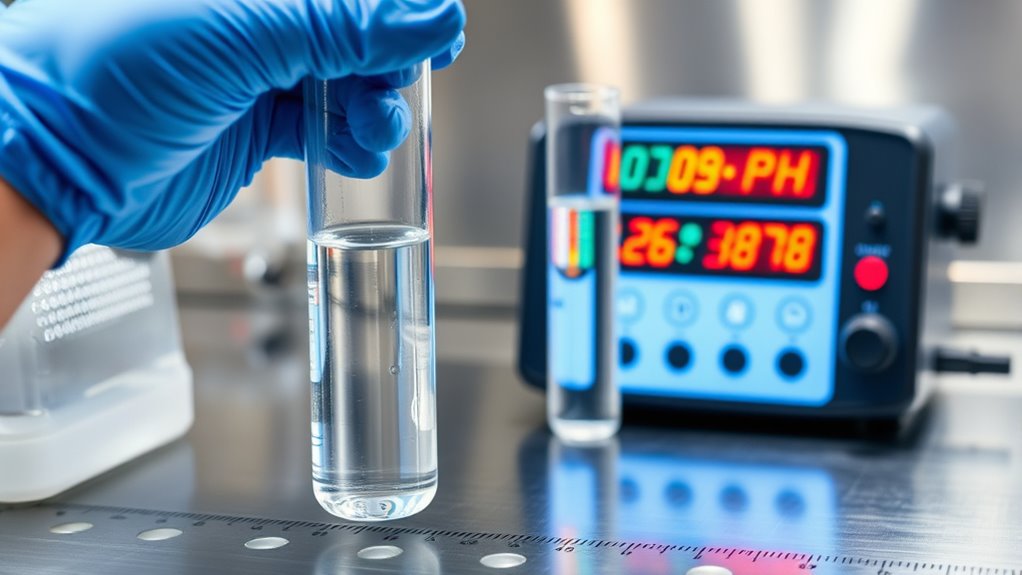
Understanding and maintaining proper chlorine residual levels isn’t just about good practice; it’s also about complying with regulatory standards. In water treatment, regulatory compliance guarantees your water is safe and meets legal requirements. To stay compliant, you need to follow specific guidelines, such as:
- Monitoring chlorine levels regularly to meet mandated thresholds.
- Keeping detailed records of testing results for audits.
- Adhering to local, state, and federal regulations governing water safety.
These standards help protect public health and prevent violations that could lead to fines or shutdowns. Familiarize yourself with the regulatory agencies overseeing water treatment in your area, and implement protocols that align with their requirements. Staying proactive ensures your water treatment practices are both safe and compliant.
The Role of Regular Maintenance and Calibration

Regular maintenance and calibration are essential to guarantee your chlorine residual testing equipment provides reliable results. Without proper upkeep, your readings can become inaccurate, risking public safety and regulatory compliance. Routine maintenance involves cleaning sensors, checking for wear, and replacing parts as needed, ensuring the device functions correctly. Calibration adjusts your equipment to match standard measurements, maintaining accuracy over time. Consistent maintenance calibration also helps identify issues early, preventing costly repairs or incorrect chlorine residual data. By adhering to a regular schedule, you ensure your testing equipment remains precise and dependable. This proactive approach minimizes errors, supports safe water management, and ensures compliance with safety standards. Ultimately, diligent maintenance calibration enhances the integrity of your chlorine residual testing process.
Educating Communities and Ensuring Public Safety

Educating communities about the importance of proper chlorine residual testing is crucial for safeguarding public health. When people understand chlorine safety, they’re more likely to support effective water purification practices. To guarantee public safety, share clear information about how residual chlorine levels protect against harmful pathogens. You can:
- Promote awareness of testing procedures and their role in safe water quality
- Encourage community participation in regular water testing efforts
- Provide accessible resources on maintaining ideal chlorine residuals
Frequently Asked Questions
How Often Should Chlorine Residual Testing Be Performed in Public Water Systems?
You should perform chlorine residual testing daily in public water systems to guarantee safety. Follow strict testing protocols and adjust sampling frequency based on system size and usage patterns. Regular testing helps you detect variability and maintain proper chlorine levels. By staying consistent with your sampling frequency, you prevent potential health risks and ensure water quality standards are met, keeping consumers safe and compliant with regulations.
What Are the Potential Health Risks of Improper Chlorine Residual Levels?
If you have improper chlorine residual levels, you risk health issues like gastrointestinal problems and skin irritations from exposure. Too little chlorine can lead to contamination concerns, enabling pathogens to grow and spread, while too much can cause toxicity and respiratory issues. Maintaining proper levels is essential for safety; otherwise, you might expose users to preventable health risks and compromise water quality. Regular testing helps you avoid these dangerous situations.
Can Expired Testing Supplies Affect the Accuracy of Results?
Imagine your testing equipment sitting idle, its reagent stability fading with each passing day. Expired testing supplies can jeopardize your results, making them unreliable. When reagents degrade, they may give false readings, leading you to underestimate or overestimate chlorine levels. Always check expiration dates, store supplies properly, and replace them as needed. Accurate results depend on fresh, stable reagents and well-maintained equipment—don’t let expired supplies undermine your safety.
Are There Age-Specific Safety Precautions for Chlorine Testing Procedures?
Yes, there are age-specific safety precautions for chlorine testing procedures. You should prioritize child safety by keeping testing equipment out of their reach and ensuring they don’t ingest or contact hazardous chemicals. Always supervise children around testing supplies, wear appropriate protective gear, and follow manufacturer instructions carefully. Using properly maintained, age-appropriate testing equipment minimizes risks, helping you safely monitor chlorine levels without exposing children to harmful substances.
How Do Weather Conditions Influence Chlorine Residual Testing Accuracy?
Weather impact can considerably affect your chlorine residual testing accuracy. High temperatures may cause chlorine to dissipate faster, leading to lower readings, while rain can dilute samples, skewing results. Cold weather slows chemical reactions, potentially delaying tests. To guarantee testing reliability, perform tests in consistent conditions when possible, and account for weather effects by adjusting your interpretation of results or scheduling tests during stable weather periods.
Conclusion
Mastering chlorine residual testing is like tending a delicate garden—you need the right tools, careful attention, and timely adjustments to keep everything thriving. By understanding proper procedures, avoiding common mistakes, and prioritizing safety, you’re nurturing a safe and healthy water supply. Remember, each test is an essential seed that, when managed well, blooms into trust and well-being for your community. Stay vigilant, and your efforts will cultivate a resilient, transparent water system for all.
Halloween Picks
halloween
As an affiliate, we earn on qualifying purchases.