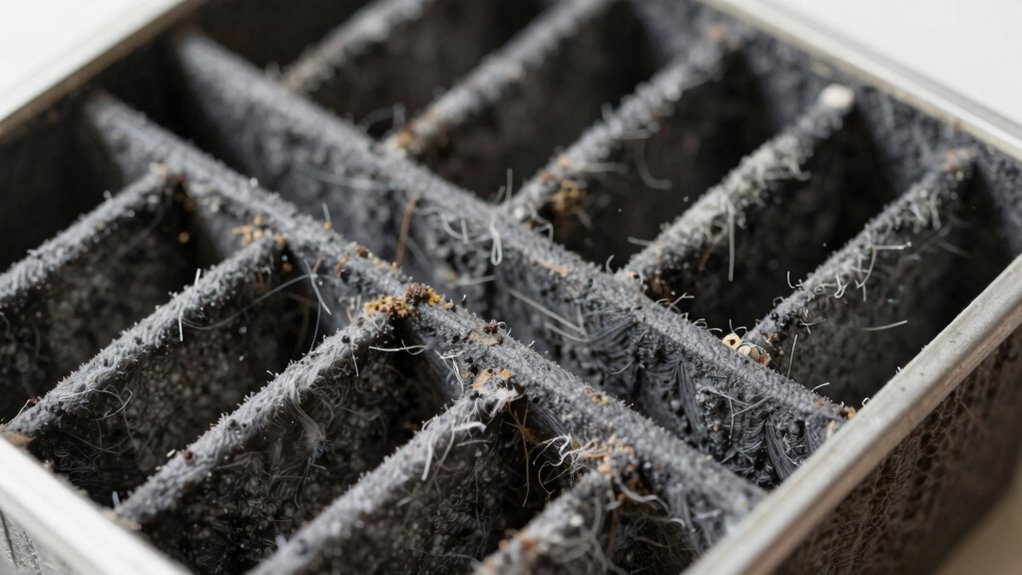

You can tell your carbon media is exhausted when it stops effectively removing odors and contaminants, and you notice a decline in air or water quality. Physical signs, like discoloration or clogging, also indicate it’s time for a change. System alerts or performance drops are clues too. Continuing to monitor these signs ensures you replace the media at the right time, helping you maintain ideal filter performance and environmental safety. Learn more about extending your filter’s life below.
Open a free Amazon Business account
Business pricing, bulk buying and tax-exempt orders.
As an affiliate, we earn on qualifying purchases.
Key Takeaways
- Reduced odor absorption and air quality improvements indicate the carbon media is nearing exhaustion.
- Visual signs like discoloration or clogging suggest the filter has reached its limit.
- System alerts or indicator lights often signal that the carbon media needs replacement.
- Diminished performance in removing contaminants shows the media’s effectiveness has declined.
- Regular testing or monitoring of airflow and contaminant levels helps determine when the media is exhausted.

Have you ever wondered how your digital habits impact the environment? It might surprise you to learn that the way you maintain your media filters can considerably influence their lifespan and, consequently, your environmental footprint. When dealing with media filters, understanding their media lifespan is vital. These filters are designed to last a certain amount of time or until they reach a specific capacity, but many people overlook the signs that indicate it’s time for a filter replacement. Ignoring these signs not only reduces the filter’s effectiveness but can also lead to unnecessary waste and energy consumption, which affects the environment more than you might think.
Maintaining your filters properly extends their life and reduces environmental waste.
A key indicator that your media filter is exhausted is a noticeable drop in performance. If you find that your air quality isn’t improving, or your water isn’t tasting as clean as it used to, it’s a clear sign that the media lifespan has been reached. Over time, the media inside the filter becomes saturated with contaminants, reducing its ability to effectively trap pollutants or impurities. Continuing to use an old filter forces your system to work harder, consuming more energy and increasing your carbon footprint. That’s why timely filter replacement isn’t just about maintaining peak performance — it’s also about being environmentally responsible.
Another sign to watch for is physical changes in the media filter itself. If the filter appears visibly clogged, discolored, or degraded, it’s a sign that it’s reached the end of its useful life. Many filters have indicators or alerts, but if you rely on visual cues, be sure to check regularly. When replacing filters, consider the media lifespan recommended by the manufacturer. Adhering to these guidelines ensures you’re not replacing filters prematurely, which helps minimize waste, but also prevents overusing them past their effective life.
Proper maintenance, including timely media replacement, extends the efficiency of your filtration system. It also reduces the environmental impact caused by disposing of saturated filters prematurely. Choosing filters with longer media lifespans, or eco-friendly options, can further decrease waste. Remember, the goal of keeping your filters in good shape isn’t just about health or system performance; it’s about reducing the cycle of manufacturing, transporting, and disposing of filters, all of which contribute to carbon emissions. Paying attention to media lifespan and replacing them as needed supports a more sustainable approach to managing your digital and physical environment.
Frequently Asked Questions
Can Carbon Media Be Reused After Exhaustion?
Yes, you can reuse carbon media after exhaustion by applying recycling methods and reuse techniques. First, you need to regenerate it through processes like thermal reactivation or chemical cleaning to remove accumulated contaminants. This helps restore its adsorption capacity. Keep in mind, however, that the effectiveness may diminish over time, so regularly assess its performance to determine if recycling is still viable or if replacement is necessary.
What Are the Environmental Impacts of Exhausted Carbon Media?
Exhausted carbon media can harm the environment by contributing to environmental degradation if not disposed of properly. When discarded improperly, it may release pollutants, negatively impacting air quality and ecosystems. To minimize these impacts, you should recycle or dispose of used carbon media responsibly, following local regulations. Proper handling guarantees you reduce pollution, protect air quality, and help preserve the environment for future generations.
How Often Should I Replace Carbon Media for Optimal Performance?
You should replace your carbon media every 4 to 6 weeks for peak performance. Regular media replacement guarantees your system remains effective at filtering contaminants and maintains performance enhancement. Keep an eye on signs like reduced airflow or decreased filtration efficiency, which indicate it’s time for media replacement. Staying proactive helps prevent system strain and extends the longevity of your filtration setup, ensuring clean, healthy conditions consistently.
Are There Specific Signs of Carbon Media Failure in Different Devices?
You’ll notice carbon media failure through device-specific signs like decreased filtration in air purifiers, reduced water clarity in filters, or increased odors. Watch for signs of carbon media degradation, such as a decline in performance or unusual smells. In each device, these signs differ—air purifiers may emit musty odors, while water filters might show faster clogging. Regularly inspecting and replacing media helps prevent performance issues caused by media exhaustion.
Is There a Way to Extend the Lifespan of Carbon Media Naturally?
To naturally extend your carbon media’s lifespan, practice periodic purification and promote natural regeneration. Regularly rinse the media to remove accumulated contaminants, and consider alternative filtration methods like biofiltration or ceramic media to lessen dependency on carbon. These practices help renew the media’s effectiveness, reduce waste, and prolong its life, ensuring your device operates preferably longer without harsh chemicals or frequent replacements.
Conclusion
As you watch the charcoal’s surface turn dull and gray, it’s a quiet sign that its life is waning. The air around you feels less fresh, and your usual filters struggle to do their job. Just like a well-loved brush, your carbon media has given its best, but now it’s time to replace it. Imagine your next batch, vibrant and ready to breathe new life into your space, ensuring every breath is crisp and clean.
NFL season / tailgating Picks
team gear
As an affiliate, we earn on qualifying purchases.