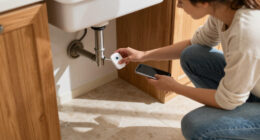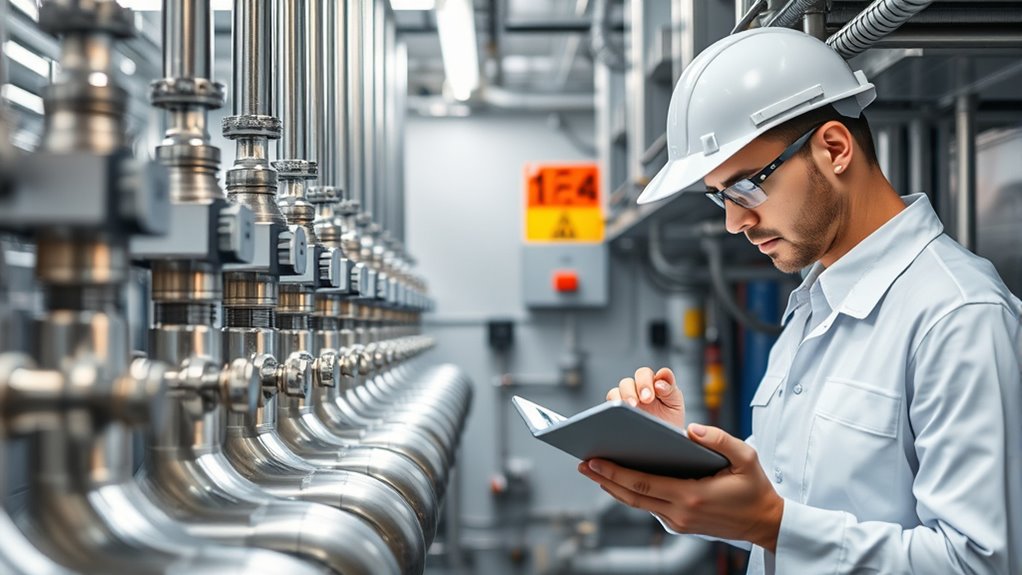
After installing new lines, start by flushing them with water to remove debris, then circulate a suitable cleaning agent according to manufacturer instructions. Rinse thoroughly with clean water to eliminate any residues, making certain all chemicals are removed. Follow with a final rinse using sterile or deionized water, and then run a sanitizer or disinfectant for proper sanitation. Keep detailed records of each step to ensure ongoing safety. If you continue, you’ll discover more detailed procedures to maintain system integrity.

Get home appliances delivered free — and shop member deals
- Fast, free delivery on millions of items
- Access to Prime Big Deal Days deals on October 6–7
- Prime Video, Amazon Music and more included
Key Takeaways
- Thoroughly flush new lines with water to remove manufacturing residues and loose debris before chemical cleaning.
- Prepare and circulate appropriate cleaning agents, following manufacturer instructions for concentration and contact time.
- Rinse lines completely with clean water to eliminate residual chemicals, ensuring no chemicals remain that could affect subsequent processes.
- Perform a sanitation cycle with approved sanitizer or disinfectant, adhering to recommended contact times for effective sterilization.
- Document each sanitation step, monitor system safety, and dispose of waste according to safety protocols and regulatory requirements.
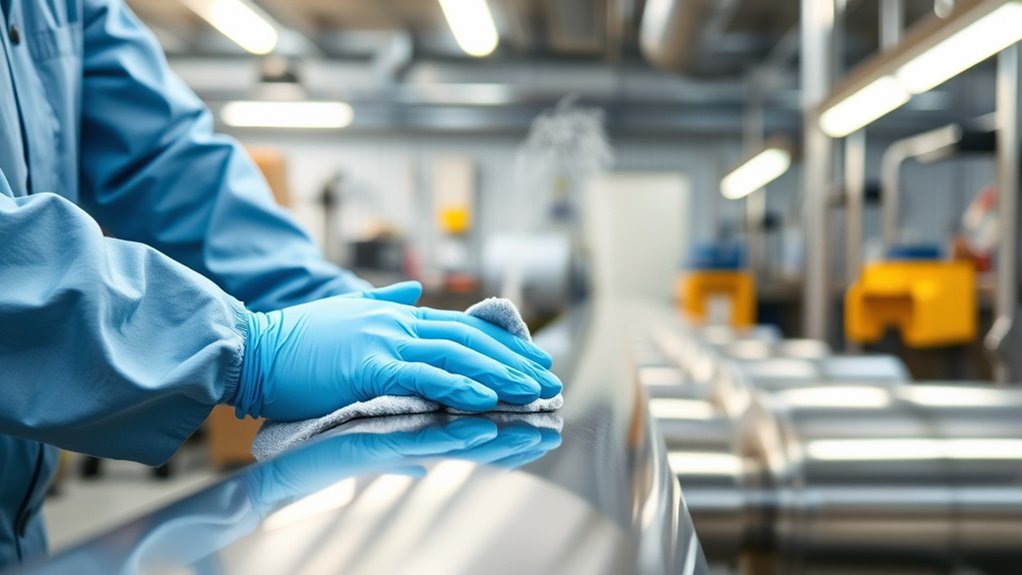
After installing new lines, it’s essential to sanitize them thoroughly before use. Proper sanitation ensures that no contaminants or residual debris compromise the safety and quality of your system. To start, gather your cleaning agents, which should be specifically designed for the type of lines you’re working with. These could include food-grade sanitizers, chemical cleaners, or disinfectants, depending on your industry standards. Before beginning, review all safety precautions—wear protective gloves, goggles, and appropriate clothing to prevent exposure to harsh chemicals. Ensure your workspace is well-ventilated to avoid inhaling fumes, and keep emergency equipment, like eyewash stations and first aid kits, nearby.
First, flush the lines with water to remove any loose debris or residual manufacturing materials. Once flushed, prepare your cleaning solution according to the manufacturer’s instructions, paying close attention to recommended concentrations and contact times. Use these cleaning agents to circulate through the entire system, ensuring all internal surfaces are thoroughly coated. During this process, monitor the flow to confirm that all sections of the lines are being adequately cleaned. Be cautious when handling cleaning agents—avoid spills and splashes, and never mix chemicals unless specified, as dangerous reactions could occur.
After the cleaning cycle, rinse the lines thoroughly with clean water to remove any remaining cleaning agents. Residual chemicals can interfere with subsequent processes or compromise product safety, so complete rinsing is critical. Follow safety precautions during rinsing, especially if using high-pressure water or chemicals, to prevent injuries or accidental releases. Once rinsed, it’s advisable to perform a sanitation cycle with a food-grade sanitizer or disinfectant, following the recommended contact time to ensure effective sterilization.
Finally, run a final rinse with sterile or deionized water if required, and document the sanitation process for quality control and compliance purposes. Regularly inspecting your sanitation procedures and maintaining detailed records helps ensure ongoing safety standards. Remember, safety precautions are paramount at every stage—handle all cleaning agents carefully, work in ventilated areas, and dispose of waste according to regulations. Properly sanitizing your lines after installation not only protects the integrity of your system but also guarantees that your operation runs smoothly, safely, and in compliance with industry standards.
As an affiliate, we earn on qualifying purchases.
Frequently Asked Questions
How Often Should I Sanitize the Lines After Installation?
You should sanitize the lines immediately after installation and then regularly, based on your usage and industry standards. Typically, sanitation is needed every 1-3 months to prevent chemical residues buildup and guarantee equipment compatibility. Always monitor for signs of contamination or residue, and follow manufacturer guidelines. Regular sanitization keeps your system clean, safe, and functioning properly, reducing the risk of contamination and maintaining ideal equipment performance.
What Cleaning Agents Are Safest for Line Sanitation?
You should use food-safe disinfectants as cleaning agents for line sanitation. These disinfectants are specifically designed to be safe for food contact surfaces, ensuring no harmful residues remain. Always choose products labeled for food processing environments, and follow the manufacturer’s instructions for dilution and contact time. Avoid harsh chemicals that could contaminate your lines, and rinse thoroughly to maintain safety and hygiene standards.
Can Sanitizing Be Done Without Shutting Down the Entire System?
Yes, you can sanitize without shutting down the entire system if you consider system compatibility and sanitation frequency. Use a bypass or designated sanitizing ports to introduce cleaning agents during operation, ensuring the process is safe and effective. Regular sanitation, based on your system’s needs, helps maintain hygiene without full shutdowns, reducing downtime and ensuring continuous operation. Always follow manufacturer guidelines for safe, compatible sanitizing procedures.
What Signs Indicate That Lines Need Sanitizing?
Think of your system as a garden; if you notice biological growth like slime or mold, it’s time to act. Signs include unusual odors, discoloration, or inconsistent flow. Corrosion detection also indicates sanitizing is needed, especially if you see rust or pitting. These signs warn you that bacteria and biofilms are thriving, risking contamination. Regular sanitizing keeps your lines healthy and guarantees ideal performance.
Are There Industry Standards or Regulations for Line Sanitation?
Yes, industry compliance and sanitation protocols set clear standards for line sanitation. You should follow regulations from organizations like the FDA or USDA, which specify cleaning procedures, frequency, and documentation. Staying updated guarantees your process meets legal requirements and maintains safety. Regularly review and implement these protocols, and train your team accordingly. This guarantees your lines stay sanitary, minimizes contamination risks, and keeps your operations compliant with industry standards.
industrial cleaning and sanitizing solution
As an affiliate, we earn on qualifying purchases.
As an affiliate, we earn on qualifying purchases.
Conclusion
Just like a captain ensures their ship is seaworthy before setting sail, you must sanitize your lines after installation to keep your system running smoothly. Skipping this step is like leaving the gates open to trouble—contaminants can sneak in and cause chaos. By following this checklist, you’re not just maintaining equipment; you’re safeguarding your operation’s future. Stay diligent, and your system will serve you faithfully, much like a trusty compass guiding you true through uncharted waters.
As an affiliate, we earn on qualifying purchases.
As an affiliate, we earn on qualifying purchases.
NFL season / tailgating Picks
team gear
As an affiliate, we earn on qualifying purchases.