
To backwash your pool efficiently, monitor your pressure gauge and water clarity regularly. Typically, backwash when the pressure rises 8-10 psi above normal or when the water starts to look cloudy. Avoid unnecessary backwashing to save water and energy, but don’t wait too long, or filtration becomes less effective. Finding that balance helps keep your pool clean while conserving resources—there’s more you can do to optimize this process, and we’ll guide you through it.
Key Takeaways
- Backwash when the pressure gauge rises 8-10 psi above normal, indicating the filter is clogged.
- Monitor water clarity; cloudy water suggests it’s time to backwash, avoiding unnecessary cleaning.
- Inspect the filter regularly for dirt buildup and backwash only when visibly dirty or clogged.
- Consider using backwash water recovery systems to reduce environmental impact and conserve water.
- Balance backwashing frequency to maintain water quality while minimizing water and energy waste.
Have you ever wondered how your pool stays clean and clear? It all comes down to the filtration system, which plays a pivotal role in maintaining water quality. Over time, debris, oils, and dirt accumulate in the filter, reducing its filtration efficiency. This is when backwashing becomes essential. Backwashing involves reversing the flow of water through the filter to flush out trapped particles. But knowing exactly how often to do it can be tricky. Too frequent, and you risk wasting water and energy; too infrequent, and debris could clog the filter, decreasing filtration efficiency and allowing contaminants to circulate. Striking the right balance is key to keeping your pool pristine without unnecessary waste.
Balancing backwashing prevents clogging and waste, ensuring a clean, efficient pool without unnecessary water use.
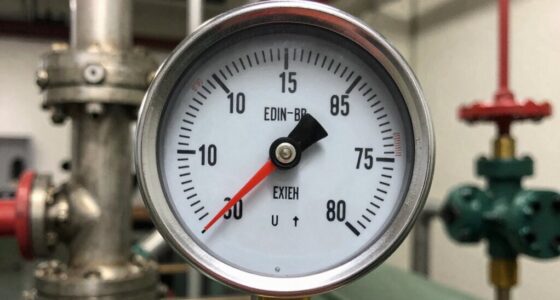
To determine the ideal backwashing frequency, you’ll want to keep an eye on your pressure gauge. When the pressure rises about 8 to 10 psi above the normal operating level, it’s time to backwash. This indicates that the filter has become clogged enough to hinder proper filtration. Regularly monitoring your pressure gauge helps optimize filtration efficiency, ensuring your pool water remains clear and safe. It also minimizes environmental impact, as excessive backwashing wastes water and energy, contributing to unnecessary resource consumption. By backwashing only when needed, you reduce water usage and avoid overburdening local water supplies and treatment facilities.
Another way to gauge whether you should backwash is by observing the clarity of your pool water. If you notice cloudiness that doesn’t clear with circulation, it might be time to clean the filter. Additionally, inspecting the filter itself can give clues: if it’s visibly dirty or the pressure gauge spikes, don’t delay. Using a clean filter improves filtration efficiency, meaning your pool water is better filtered and clearer for longer periods. This not only enhances your swimming experience but also extends the life of your filter system. Understanding the importance of proper filter maintenance can further help in prolonging the lifespan of your equipment.
Understanding the environmental impact of backwashing is essential. Every time you flush out debris, you’re releasing water that could contain chemicals, oils, and other pollutants into the environment. Hence, it’s wise to backwash only when necessary and consider recycling or properly disposing of the wastewater if possible. Some pools are equipped with backwash water recovery systems that help reduce environmental impact. Being mindful of how often you backwash and how you manage the wastewater can make a significant difference in conserving water and protecting your local ecosystem.
In the end, maintaining a healthy pool involves balancing effective filtration with responsible water use. Regularly checking your pressure gauge, observing water clarity, and understanding your filter’s needs will help you backwash at the right times—ensuring your pool stays clean and clear, while also respecting the environment.

SENCTRL 0-60 Psi Pool Filter Pressure Gauge, 2 inches Dial, 1/4 NPT Lower Mount, Stainless Steel Case, Waterproof, Clean Filter Indicator, for Swimming Water Pump Spa Aquarium Pressure Test
PRV-Tex Series: The circular dial is encased in a 304 stainless steel casing, providing robustness and corrosion resistance….
As an affiliate, we earn on qualifying purchases.
As an affiliate, we earn on qualifying purchases.
Frequently Asked Questions
Can Backwashing Damage My Pool Filter?
Yes, if you backwash too often or aggressively, you can damage your pool filter, shortening its lifespan. Overbackwashing can cause wear and tear, leading to costly repairs or replacements. To conserve water, follow the recommended backwashing schedule and avoid excessive rinsing. Proper maintenance guarantees your filter functions efficiently, prolongs its lifespan, and helps you save water without compromising your pool’s cleanliness.
How Does Water Temperature Affect Backwashing Frequency?
Think of your pool filter as a busy chef, and water temperature as the oven’s heat. When water’s warm, it’s like baking bread—clogging builds up faster, so you’ll need to backwash more frequently. Conversely, colder water slows down debris accumulation, reducing backwash frequency. Keep an eye on your pool’s temperature, and adjust your backwashing schedule accordingly to maintain clean water without wasting resources.
Is There an Eco-Friendly Alternative to Backwashing?
Yes, you can use eco-friendly alternatives like manual cleaning or alternative filtration systems that promote sustainable filtration. Consider installing a sand or cartridge filter with a backwash-free design, reducing water waste. Regularly cleaning your filter with minimal water, and choosing energy-efficient, low-impact systems, helps protect the environment. These eco-friendly options guarantee your pool stays clean without excessive water use, making your maintenance more sustainable and environmentally responsible.
Can I Backwash During Rain or Storms?
Think of backwashing as giving your pool a spa day—you wouldn’t want to do it in a storm, right? Rainy day considerations mean it’s best to avoid backwashing during storms or heavy rain. Storm safety tips remind you to wait until the weather clears to prevent runoff or damage. Post-storm, make certain the water is calm before backwashing, and always stay safe, avoiding any risky conditions that could harm you or your equipment.
How Does Backwashing Impact Overall Pool Chemical Balance?
Backwashing can temporarily disrupt your pool’s chemical stability, so it’s important to recheck and adjust your chemicals afterward. It may cause water clarity to decrease initially, but proper backwashing helps maintain overall water quality. By backwashing correctly and regularly testing your water, you ensure your pool stays balanced, safe, and clear. Just remember, overdoing it can waste water and affect chemical levels, so find a routine that works best.

INTEX 2,100 GPH Krystal Clear Sand Filter Pump for Above Ground Pools, Swimming Pool Pump with Automatic Timer – Improved Circulation, Filtration, & Clarity
✔ EXCELLENT FILTRATION – SX2100 provides excellent water filtration with the 6-function valve that allows you to filter,…
As an affiliate, we earn on qualifying purchases.
As an affiliate, we earn on qualifying purchases.
Conclusion
Now that you know the ins and outs of backwashing, think of it as tending a garden—you don’t want to overwater, but you also don’t want your plants to wilt. Find that sweet spot where your filter stays happy and your water bill stays fair. With a little attention and a watchful eye, you’ll keep your pool sparkling and your water usage in check—making sure your backyard oasis stays beautiful without draining your wallet.
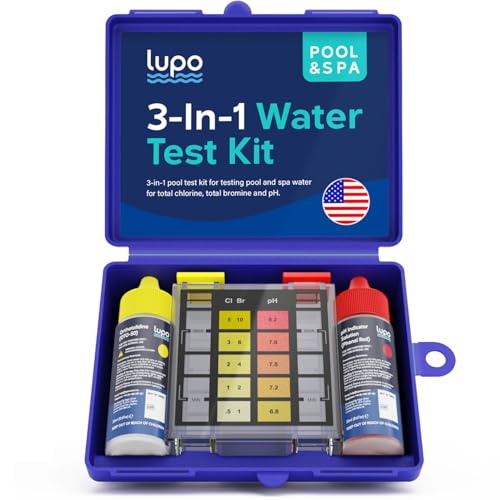
Lupo 3-in-1 Pool Test Kit | Pool Testing Kit for Residential Swimming Pools & Spas for Testing Total Chlorine, Total Bromine & pH | Pool Chemical Test for Quick & Accurate At-Home Pool Water Testing
3-IN-1 POOL TESTING KIT: An easy-to-use, accurate pool test kit for testing three essential water quality parameters in…
As an affiliate, we earn on qualifying purchases.
As an affiliate, we earn on qualifying purchases.
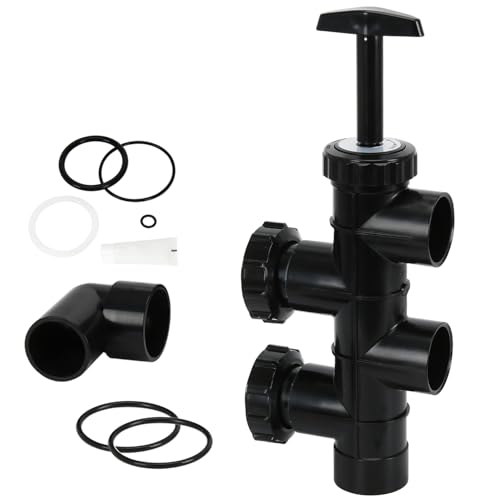
SP0410X502S 2-Inch Slide Valve Backwash Assembly Compatible with Hayward Pro-Grid and Micro-Clear D.E. Filters
【COMPATIBILITY】: The SP0410X502S 2" pipe slide valve assembly is designed specifically as a direct replacement for Hayward Pro-Grid…
As an affiliate, we earn on qualifying purchases.
As an affiliate, we earn on qualifying purchases.