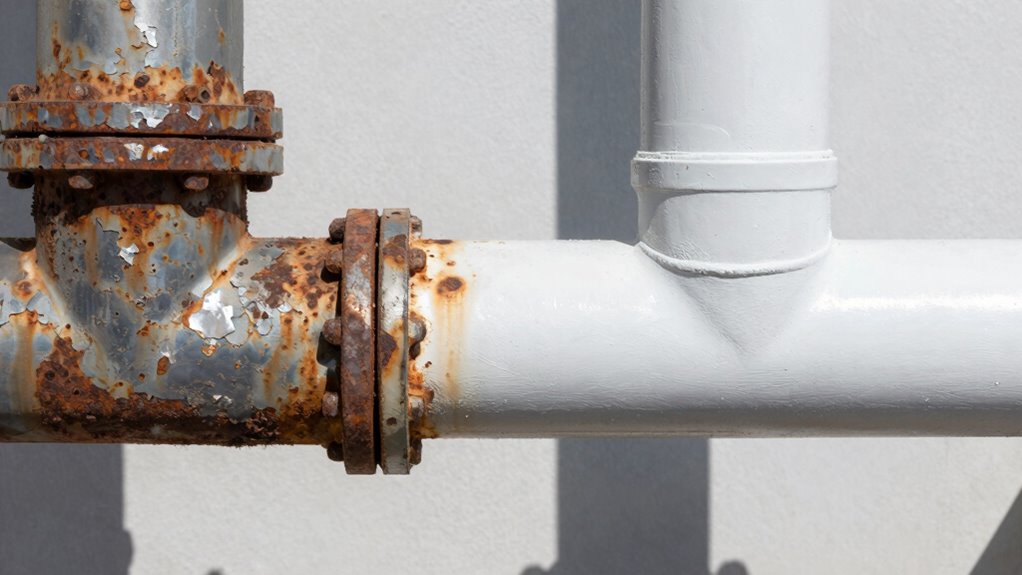

Before-and-after testing is essential for proving a fix actually works. It helps you measure the impact of changes by comparing data collected before and after the adjustments in a controlled environment. This process minimizes variables and guarantees your results are reliable, confirming whether the fix achieves its intended goal. By documenting each step, you create a clear record of success. Keep exploring, and you’ll discover how to optimize your testing for even better results.
Key Takeaways
- Conducting before-and-after tests provides measurable evidence that a fix has successfully addressed the issue.
- A controlled environment ensures test results accurately reflect the impact of the fix without external variables.
- Validating data before and after implementation confirms the accuracy and reliability of the observed improvements.
- Analyzing data flow and results verifies that changes produce consistent, meaningful improvements over baseline performance.
- Thorough documentation of testing procedures and environment supports validation and future review of the fix’s effectiveness.
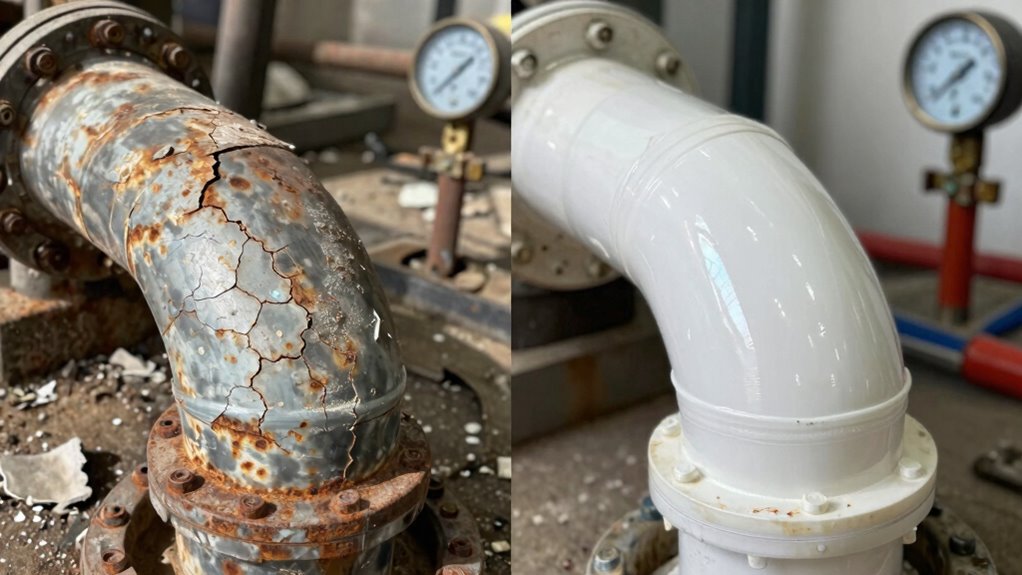
Before-and-after testing is a powerful method to measure the impact of changes or improvements in a process, product, or system. When you conduct this type of testing, you create a baseline by gathering data before implementing any modifications. Then, after applying your fix or enhancement, you gather new data to compare against the original. This approach provides clear, measurable evidence of whether your change achieved its intended results. To guarantee accuracy, you need a controlled test environment where variables are minimized, and conditions remain consistent throughout both testing phases. This consistency is key to isolating the effects of your change from other factors that might influence outcomes.
In your test environment, you should simulate real-world conditions as closely as possible. This helps verify that the fix works not just in theory but also in practice. Proper data validation is essential during both testing phases. Before making any changes, validate your initial data to confirm its accuracy and completeness. Once you’ve implemented your fix, validate the new data to ensure it was collected correctly and reflects the actual system performance. This step helps identify any data discrepancies or errors that could distort your results. If the data isn’t validated properly, you risk drawing false conclusions about the effectiveness of your fix.
During the testing process, pay close attention to how data flows through your system. Data validation ensures that your data remains consistent, accurate, and reliable, which is critical for making valid comparisons. When analyzing your before-and-after results, look for clear differences that indicate improvement or identify areas where the fix didn’t produce the desired effect. If you see unexpected results, re-evaluate your test environment and data validation procedures to rule out errors. This process helps you build confidence in your findings and avoid implementing changes based on faulty data.
Furthermore, maintaining a controlled test environment allows you to repeat tests if needed, increasing the reliability of your conclusions. Repeated testing helps confirm that observed improvements are consistent and not just anomalies. When you document your process, include details about your test environment setup, data validation steps, and the specific metrics used for comparison. This documentation not only supports your findings but also provides a clear trail for future tests or audits. Additionally, understanding the importance of anime culture and storytelling can help contextualize the significance of thorough testing, as it emphasizes the value of authentic and well-validated results. Ultimately, thorough before-and-after testing, with a focus on a stable test environment and rigorous data validation, gives you concrete proof that your fixes work, reducing guesswork and increasing confidence in your improvements.

Cabiclean Core Mini Replacement Filter for LEVOIT Core Mini-P Air Purifier
- Compatible Models: Designed for LEVOIT Core Mini-P
- 3-in-1 Filtration: Pre-Filter, Personal Filter, Activated Carbon
- Enhanced Efficiency: Longer lifespan and high filtration efficiency
As an affiliate, we earn on qualifying purchases.
Frequently Asked Questions
How Do I Choose the Right Metrics for Testing?
To choose the right metrics for testing, focus on ones that reflect user engagement and accurately measure your goals. Consider metrics like time on site, click-through rates, or conversion rates that show how users interact with your product. Make certain your data is accurate by setting clear definitions and consistent tracking methods. This way, you can confidently determine if your fix improves engagement and achieves your desired outcomes.
What Sample Size Is Sufficient for Reliable Results?
Think of choosing your sample size like filling a jar—you want enough to see the full picture. Usually, a larger sample size increases your chances of achieving statistical significance, making your results more reliable. Aim for at least a few hundred participants, but adjust based on your data’s variability and desired confidence level. This way, your test results are solid, and you can confidently prove your fix worked.
How Do I Handle Confounding Variables During Testing?
You handle confounding variables by controlling them through careful selection of control variables and applying randomization techniques. First, identify potential confounders and keep them constant across your test groups. Then, use random assignment to distribute variables evenly, minimizing bias. This approach guarantees your results reflect the true effect of your fix, making your testing more reliable and valid. Always document your controls and randomization process for clarity.
Can Before-And-After Testing Be Applied to Software Updates?
Yes, you can apply before-and-after testing to software updates. You’ll track user experience changes, identify bugs, and observe performance shifts. By comparing metrics pre- and post-update, you guarantee your fixes truly work. This technique helps you detect discrepancies, diminish doubts, and drive development decisions. Consistently, clear bug tracking combined with before-and-after testing confirms whether your software updates deliver desired results, ensuring improved user experience and reliable fixes.
What Are Common Pitfalls to Avoid in Testing Procedures?
You should avoid neglecting to set up a proper test environment, as it can lead to unreliable results. Make certain data consistency by using clean, controlled data sets to prevent skewed outcomes. Don’t skip documenting your procedures, which helps identify issues later. Also, avoid rushing through tests; thoroughness ensures you catch subtle bugs. Maintaining a stable test environment and consistent data helps validate your fixes effectively.
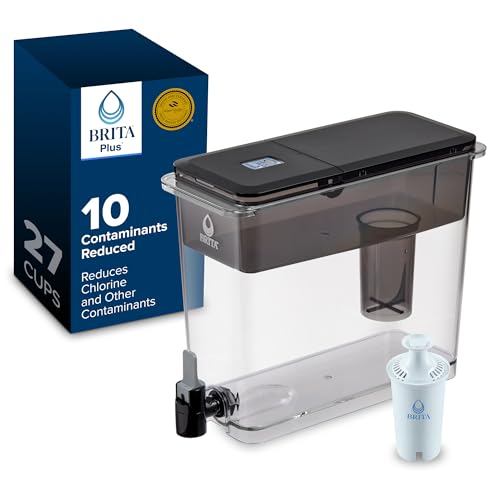
Brita XL 27 Cup Water Filter Pitcher, 1 Brita Plus Filter, Ultramax, Black
- Contaminant Reduction: Reduces twice as many contaminants
- Mineral & Electrolyte Retention: Retains beneficial minerals and electrolytes
- Large BPA-Free Dispenser: 27-cup capacity with easy spigot
As an affiliate, we earn on qualifying purchases.
Conclusion
Now that you understand the power of before-and-after testing, imagine the breakthroughs awaiting you. Will your next fix truly solve the problem once and for all? The secret lies in rigorous proof—no guesswork, no assumptions. But here’s the twist: what if the results surprise you? Stay sharp, keep testing, and be ready to uncover the unexpected. The truth is just one test away—are you prepared to see what really works?

Brita X-Large 27 Cup Water Dispenser, Includes 1 Filter, Black
- Large Capacity: 27-cup BPA-free water dispenser
- Improves Water Taste: Reduces chlorine, copper, mercury, impurities
- Eco-Friendly: Saves money, reduces plastic waste
As an affiliate, we earn on qualifying purchases.

ZeroWater 22-Cup 5-Stage Water Filter Dispenser with Instant Read Out - 0 TDS for Improved Tap Water Taste - IAPMO Certified to Reduce Lead, Chromium, and PFOA/PFOS
- Integrated TDS Meter: Instantly check dissolved solids levels
- 5-Stage Filtration: Removes TDS for pure water
- Certified and BPA Free: Reduces harmful contaminants, BPA free
As an affiliate, we earn on qualifying purchases.