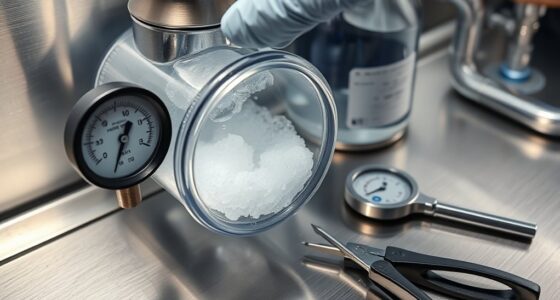
You should call a professional if you notice water pressure fluctuations, unusual noises, foul tastes or odors, or if the water flow stops completely. These signs indicate serious issues like mechanical failures, clogged filters, or internal malfunctions that need expert diagnosis and repair. Ignoring these problems can lead to costly repairs or unsafe water. Stay alert to these warning signs, and you’ll discover more ways to keep your system running smoothly.

Get home appliances delivered free with Prime
- Fast, free delivery on millions of items
- Prime Video, Amazon Music and more included
- Member-only deals all year
Key Takeaways
- Experience sudden or persistent water pressure fluctuations indicating potential system failure.
- Hear unusual noises like banging or squealing that suggest mechanical problems needing expert diagnosis.
- Detect foul tastes or odors, signaling filtration failure or contaminated filters requiring professional intervention.
- Observe complete water flow stops, which could point to internal component failures or leaks.
- Notice ongoing mechanical issues or abnormal system behavior that demand timely professional repair.
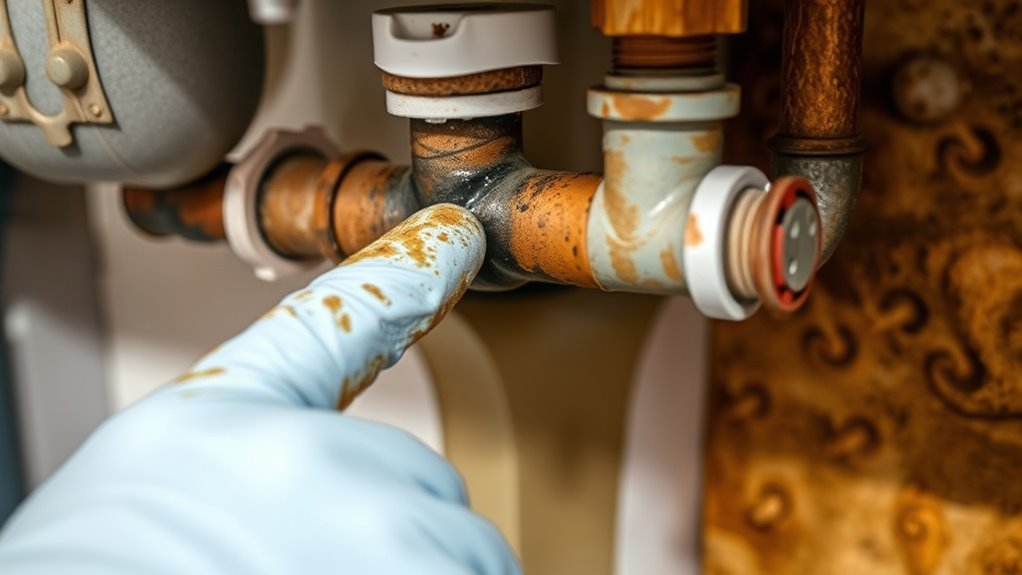
A well-functioning filtration system is vital for maintaining clean and healthy water, but problems can arise without obvious signs. One of the first clues you might notice is a sudden drop or fluctuation in water pressure. If the water flow from your taps slows down unexpectedly or becomes inconsistent, it could indicate a clog or a buildup within your filter. Low water pressure often signals that the filtration system isn’t working efficiently, and ignoring this issue can lead to further damage or reduced water quality. Conversely, excessive pressure might also point to a problem, such as a blocked or malfunctioning pressure valve. Pay attention to how your water pressure feels during everyday use; if it seems off, it’s time to investigate further.
Unusual noises are another red flag that your filtration system needs attention. If you hear banging, rattling, or high-pitched squeals coming from the unit, it’s likely that components are struggling or improperly aligned. These sounds often suggest a mechanical issue, such as a loose part or a failing pump. Sometimes, the noises are subtle but persistent, indicating that your system is working harder than it should to push water through clogged filters or damaged parts. Ignoring these sounds can cause more severe damage over time, leading to costly repairs or complete system failure. When you notice strange noises, it’s best to consult a professional to diagnose and fix the root cause before it worsens.
Unusual noises indicate potential mechanical issues requiring professional diagnosis and repair.
Another sign that you need expert help is the presence of foul tastes or odors in your water, which can stem from a contaminated or improperly functioning filter. If your water suddenly tastes different or smells off, it’s a clear indicator that your filtration system isn’t removing impurities effectively. Over time, filters can become saturated or develop mold and bacteria if not maintained properly, compromising water quality. Regular maintenance and media replacement are essential to prevent these issues, but once they do occur, professional assessment becomes crucial. In such cases, DIY fixes may not suffice, and professional assessment becomes essential. Regular maintenance and timely repairs can prevent these issues from escalating, but once they do, calling in a professional ensures thorough diagnosis and resolution.
Finally, if your filtration system isn’t producing any water at all or the output suddenly stops, don’t delay calling a professional. Complete stoppages often point to serious internal failures, such as broken valves, damaged pumps, or leaks that have gone unnoticed. These issues can cause water damage and health hazards if left unresolved. When you encounter these critical problems, it’s imperative to seek expert help immediately to restore safe, reliable water flow. Recognizing these signs early can save you money and prevent larger system failures down the line.
water filtration system repair kit
As an affiliate, we earn on qualifying purchases.
As an affiliate, we earn on qualifying purchases.
Frequently Asked Questions
How Often Should I Schedule Professional Filtration System Inspections?
You should schedule professional filtration system inspections at least once a year as part of your maintenance schedule. However, inspection frequency may increase if you notice reduced water pressure, strange odors, or system malfunctions. Regular checkups help catch issues early, ensuring your system runs efficiently. Don’t skip annual inspections, especially if you have hard water or a large household, to maintain peak performance and water quality.
Can a Filtration System Leak Without Visible Signs?
Yes, your filtration system can leak without visible signs. Leak detection becomes essential because hidden damages might be occurring inside the unit or pipes, which you can’t see. Over time, these leaks can cause water damage or reduce system efficiency. If you suspect a leak but see no obvious signs, it’s best to have a professional inspect for hidden damages and perform leak detection to prevent further issues.
What Are the Risks of Ignoring Filtration System Problems?
Ignoring filtration system problems is like letting a silent storm brew—you risk damaging your water quality and draining your system efficiency. Small issues can snowball into costly repairs, bacteria buildup, and poor-tasting water. You might not see the danger right away, but neglecting these signs can turn your clean water into a health hazard. Act promptly to protect your home’s water quality and keep your system running smoothly.
How Long Do Filtration System Components Typically Last?
Filtration system components usually last between 3 to 7 years, depending on usage and maintenance. To maximize system longevity, you should regularly replace filters and other parts as recommended by the manufacturer. Keep an eye on performance; if you notice decreased efficiency, it might be time for component replacement. Proper upkeep guarantees your filtration system operates effectively and extends its lifespan, saving you money in the long run.
Is It Safe to Attempt Minor Repairs Myself?
You might think DIY fixes are tempting, but safety precautions are vital before attempting minor repairs. If you’re familiar with your filtration system and follow clear instructions, small repairs can be safe. However, avoid tackling complex issues or working without proper knowledge, as improper repairs can lead to damage or safety hazards. When in doubt, it’s smarter to call a professional—your safety and system’s longevity depend on it.
water pressure gauge for filtration systems
As an affiliate, we earn on qualifying purchases.
As an affiliate, we earn on qualifying purchases.
Conclusion
Don’t wait until your filtration system becomes a sinking ship; trust your instincts and recognize the signs of trouble early. Ignoring issues can turn minor leaks into major floods, sinking your comfort and savings. When you notice persistent problems or unusual odors, call a professional before things spiral out of control. Think of your filtration system as the heart of your home—keeping it healthy keeps your home thriving. Act now, and keep the flow smooth and worry-free.
replacement water filter cartridges
As an affiliate, we earn on qualifying purchases.
As an affiliate, we earn on qualifying purchases.
As an affiliate, we earn on qualifying purchases.
Halloween Picks
halloween
As an affiliate, we earn on qualifying purchases.