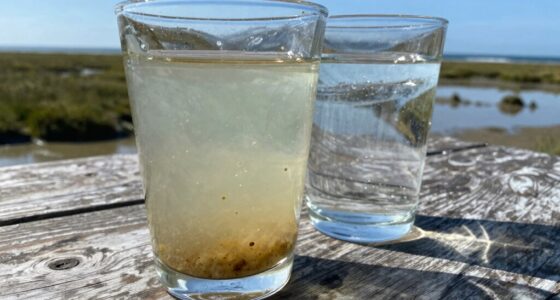

The “12 Rules” Calculator makes understanding water hardness versus TDS simple by translating complex chemistry into practical insights. Hardness mainly refers to calcium and magnesium minerals that cause scaling, while TDS includes all dissolved solids affecting taste, safety, and device performance. Knowing how these parameters differ helps you choose the right treatments and avoid common mistakes. Keep exploring to discover how mastering these concepts can improve your water quality and choices.

Get home appliances delivered free with Prime
- Fast, free delivery on millions of items
- Prime Video, Amazon Music and more included
- Member-only deals all year
Key Takeaways
- The “12 Rules” Calculator simplifies understanding how water hardness and TDS affect mineral solubility and water quality.
- It translates complex relationships into easy-to-understand results, aiding in water treatment decisions.
- Water hardness mainly involves calcium and magnesium, while TDS includes all dissolved solids impacting taste and scaling.
- Proper measurement techniques and calibration are crucial for accurate assessment of hardness and TDS levels.
- Using the calculator helps optimize water quality for health, appliance longevity, and industrial processes by clarifying hardness vs. TDS impacts.
Understanding Water Hardness and TDS: The Basics
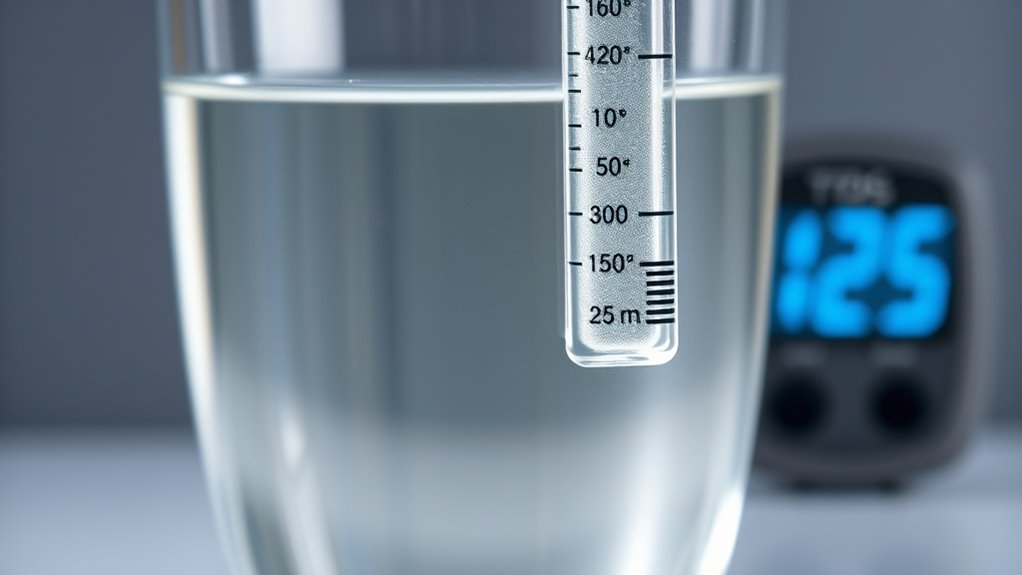
Water hardness and TDS are fundamental concepts to understand when evaluating water quality. Water mineralization refers to the presence of dissolved minerals like calcium and magnesium, which directly influence hardness. High mineral levels can cause scaling and affect taste, so monitoring this helps maintain proper water use. TDS, or total dissolved solids, measures all dissolved substances in water, including salts, minerals, and organic matter. While TDS provides a broad indication of water purity, hardness specifically relates to mineral content. Additionally, pH balance impacts water’s acidity or alkalinity, influencing mineral solubility and corrosion potential. Understanding how water mineralization and pH balance interact with TDS helps you determine whether water is safe and suitable for your needs. Automation in water treatment**** technologies play a crucial role in maintaining optimal water quality. This foundational knowledge guides effective water treatment and quality control.
How the “12 Rules” Calculator Simplifies Water Quality Analysis

The “12 Rules” calculator streamlines water quality analysis by providing a clear, straightforward way to interpret complex data on hardness and TDS. It simplifies understanding how chemical interactions affect mineral solubility, which influences water’s hardness and TDS levels. Instead of manually calculating or guessing, you can input your data and instantly see how different factors impact water quality. The calculator breaks down intricate relationships, showing how mineral solubility changes with pH, temperature, and other variables. This helps you grasp the underlying chemistry without needing advanced technical knowledge. By translating complex data into easy-to-understand results, it allows you to make informed decisions about water treatment, ensuring safe and ideal water quality. Understanding water testing parameters is essential for accurate analysis and effective management.
Key Differences Between Hardness and TDS You Should Know
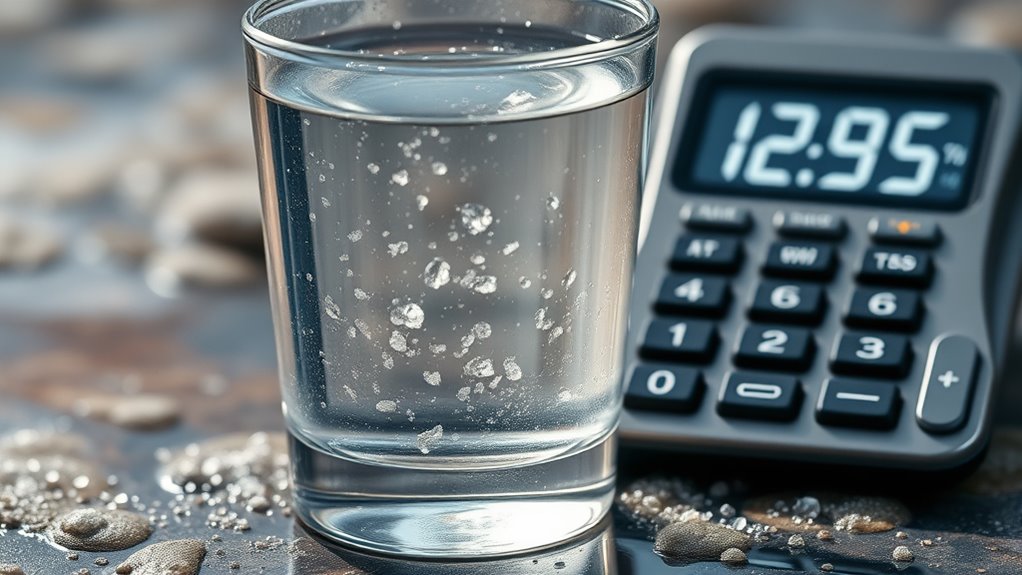
Hardness and TDS differ in both composition and how they’re measured, affecting how you evaluate water quality. Hardness mainly involves calcium and magnesium, while TDS includes all dissolved solids, like salts and minerals. Knowing these differences helps you choose the right treatment methods and understand their impact on your water. Additionally, user-friendly measurement tools can assist in accurately assessing these parameters for better water management.
Composition and Measurement
Understanding the key differences in composition and measurement methods is essential for accurately evaluating water quality. Hardness is primarily caused by dissolved calcium and magnesium minerals, reflecting its chemical composition. TDS, on the other hand, measures the total amount of dissolved solids in water, including salts, minerals, and organic matter. To assess hardness, you typically use titration or test kits that identify calcium and magnesium levels specifically. TDS is measured using a TDS meter or conductivity meter, which estimates the total dissolved substances based on electrical conductivity. While hardness focuses on specific minerals, TDS gives a broader picture of all dissolved solids. Knowing these measurement techniques helps you interpret water quality more accurately and decide on appropriate treatment options. measurement methods are vital for understanding the specific water quality parameters and selecting suitable filtration or treatment solutions.
Impact on Water Quality
Knowing how to interpret measurement techniques helps you grasp their impact on water quality. Hardness and TDS influence water in different ways. High hardness can cause mineral buildup in pipes and appliances, but it doesn’t necessarily pose health risks. TDS, however, reflects overall water contamination levels, including pollutants that may affect safety. Elevated TDS can influence the pH balance, potentially making water more corrosive or alkaline, which impacts taste and safety. While hardness mainly affects appliance longevity, high TDS indicates possible contaminants that could harm health. Understanding these differences helps you evaluate water quality more accurately. Recognizing the key distinctions ensures you address potential issues effectively, maintaining cleaner, safer water for daily use. Additionally, the contrast ratio of the water can impact how well contaminants are detected and removed during treatment processes.
Treatment and Removal Methods
Since hardness and TDS require different treatment methods, choosing the right approach depends on what you want to remove. For hardness, water filtration systems like ion exchange softeners are effective, replacing calcium and magnesium ions with sodium. Reverse osmosis also works well for reducing hardness. TDS removal, on the other hand, often involves broader water filtration methods like reverse osmosis or activated carbon filters, which eliminate a mix of dissolved solids, minerals, and contaminants. Chemical treatment can be useful for specific TDS components, such as adding coagulants or pH adjusters. Understanding these differences helps you select the proper method to improve your water quality efficiently. Tailoring your treatment approach guarantees you target the specific dissolved substances or hardness-causing minerals present in your water.
Practical Uses of the Hardness Vs TDS Calculator in Daily Life
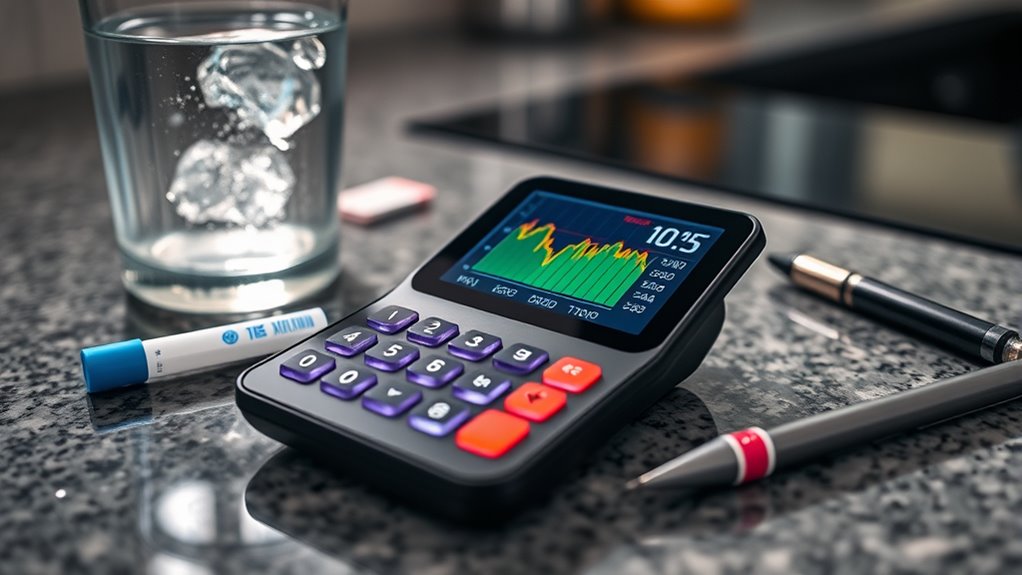
You can use the Hardness Vs TDS Calculator to assess your water quality quickly and accurately at home. It helps you determine if your water needs treatment or if it’s safe for everyday use. In industrial settings, it guarantees water management meets safety and efficiency standards. Additionally, understanding water quality metrics can assist in optimizing device performance and longevity.
Water Quality Assessment
Using a Hardness Vs TDS calculator in daily life helps you quickly assess your water quality and determine if it’s suitable for drinking, cooking, or other household needs. It provides an instant measure of dissolved minerals and salts, guiding your decisions on water filtration and pH balance adjustments. By understanding your water’s TDS and hardness levels, you can identify if additional treatment is necessary to improve taste, reduce scale buildup, or ensure safe consumption. This tool is especially useful for evaluating well water or municipal supplies, saving you time and money.
- Detecting mineral levels that affect water taste and safety
- Deciding if water filtration systems are needed
- Monitoring pH balance for optimal health and appliance longevity
Home Water Testing
Ever wondered how to quickly determine if your household water is safe and suitable for daily use? Using a TDS and hardness calculator can help you assess water quality at home. These tools enable you to measure parameters like TDS levels, which impact water taste and safety, and hardness, affecting soap efficiency and plumbing. Checking the pH balance ensures your water isn’t too acidic or alkaline, which can cause corrosion or scaling. With this knowledge, you can decide if water filtration systems are necessary to improve taste, remove contaminants, or adjust pH. Regular home testing empowers you to maintain ideal water quality, protecting your appliances and health. It’s a simple step toward better hydration and peace of mind in your daily routine. Additionally, understanding water treatment options can help you choose the best solutions for your specific needs.
Industrial Water Management
In industrial settings, accurately managing water quality is essential to maintaining equipment efficiency and product integrity. The Hardness vs TDS calculator helps you determine ideal water conditions by evaluating mineral content and dissolved solids. This tool guides water filtration processes to meet strict industrial standards, preventing scale buildup and corrosion. Using it, you can fine-tune filtration systems and ensure consistent water quality for manufacturing. Properly balancing water parameters is critical for preventing long-term damage to industrial equipment.
Common Mistakes When Measuring or Comparing Water Parameters

Many common mistakes occur when measuring or comparing water parameters, and these errors can lead to inaccurate results that impact your understanding of water quality. One mistake is not calibrating your tools properly, which skews pH imbalance readings and contaminant detection. Also, using outdated test kits or inconsistent sampling methods can produce false data. Proper Chevrolet Tuning techniques emphasize precise measurements to achieve optimal performance and reliability. | Mistakes | Impact |
| ——————————— | —————————————————— |
|---|---|
| Skipping calibration | Inaccurate pH and contaminant readings |
| Inconsistent sampling | Misleading comparisons of water parameters |
| Not accounting for temperature | Skews TDS and hardness measurements |
| Ignoring storage conditions | Changes in water parameters before testing |
Avoid these pitfalls to ensure accurate measurements and reliable water analysis.
Making Smarter Water Choices With the Right Knowledge

Making smarter water choices starts with understanding the key parameters that affect water quality, such as TDS and hardness. This knowledge helps you decide whether to rely on water filtration systems or choose bottled water. Knowing your water’s TDS level can indicate if it’s safe and tastes good, while hardness affects scale buildup and soap efficiency. To accurately assess water quality, consider using home testing kits that measure TDS and hardness levels directly.
Consider these points:
- Use water filtration to reduce unwanted minerals and improve taste.
- Opt for bottled water when tap water has high TDS or hardness.
- Regular testing helps you make informed decisions about your water source.
Frequently Asked Questions
Can Hardness and TDS Levels Fluctuate Over Time?
Yes, hardness and TDS levels can fluctuate over time due to changes in water chemistry, factors like rainfall, runoff, and source variations. These fluctuations affect measurement accuracy, so regular testing is essential. You should monitor your water regularly to track these changes, ensuring your water treatment systems remain effective. Small shifts in water chemistry can impact TDS and hardness levels, so staying vigilant helps you maintain ideal water quality.
Is the Calculator Suitable for All Types of Water Sources?
Think of the water source as a unique musical instrument—each one producing different sounds. The calculator’s testing accuracy varies with water source types, making it suitable for most but not all. For well, tap, or bottled water, it’s quite reliable. However, when dealing with highly mineralized or contaminated sources, you might need specialized tools. Always consider water source specifics to *guarantee* dependable results with your TDS and hardness calculations.
How Does Temperature Affect Hardness and TDS Readings?
Temperature effects can profoundly impact your hardness and TDS readings since higher temperatures often increase ion activity. To maintain accuracy, you should make calibration adjustments based on the water temperature you’re testing. Many TDS meters and hardness testers include temperature compensation features, but if yours don’t, manually adjusting your calibration ensures reliable results. Always check the device’s guidelines for proper calibration adjustments related to temperature variations.
Are There Safety Concerns When Testing Water Parameters?
Your safety is vital when testing water parameters—never underestimate water contamination risks. While testing devices are generally safe, mishandling chemicals or broken equipment can lead to exposure or inaccurate results. Always follow manufacturer instructions and wear protective gear to prevent hazards. Remember, compromised testing accuracy due to safety lapses can hide dangerous contaminants, putting you at risk. Prioritize safety to guarantee accurate readings and keep yourself protected from unseen water dangers.
How Often Should I Re-Test My Water Using the Calculator?
You should re-test your water regularly to guarantee ideal water quality and testing accuracy. For most setups, testing every two to four weeks works well, especially if your water parameters are stable. If you notice changes in water clarity or health issues with your aquatic life, test more frequently. Consistent testing helps you catch fluctuations early, maintaining a healthy environment and reliable readings using the calculator.
Conclusion
Understanding hardness and TDS is like having a trusty map for steering water quality. With the “12 Rules” calculator, you can confidently make smarter choices and avoid common mistakes—it’s your shortcut to clearer, better water. Just like a compass guides your journey, this tool keeps you on the right path. So, take control, stay informed, and enjoy the peace of mind that comes with knowing your water’s true quality.
NFL season / tailgating Picks
team gear
As an affiliate, we earn on qualifying purchases.