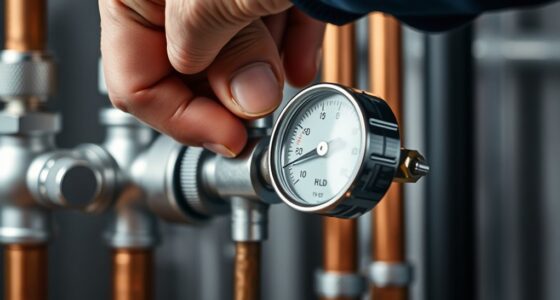
To preserve your pipes and reduce noise, install your booster pump with an anti-vibration setup. Use rubber pads or damping materials to isolate the pump from rigid surfaces and incorporate flexible hoses or couplings to prevent vibration transfer. Secure the pump firmly and ensure proper placement of mounts to absorb vibrations. Regularly check fittings to avoid loose connections. Keep learning how these techniques protect your system and extend your pump’s lifespan as you explore further.

Get home appliances delivered free — and shop member deals
- Fast, free delivery on millions of items
- Access to Prime Big Deal Days deals on October 6–7
- Prime Video, Amazon Music and more included
Key Takeaways
- Use vibration isolators or damping pads to prevent transmission of vibrations from the pump to pipes and surfaces.
- Mount the booster pump on a sturdy, insulated base to absorb vibrations and reduce noise.
- Incorporate flexible hoses or couplings to isolate the pump from rigid piping connections.
- Secure the pump firmly to stable surfaces to minimize movement and vibration transfer.
- Regularly inspect and tighten fittings to prevent loose connections that can increase vibrations and damage pipes.
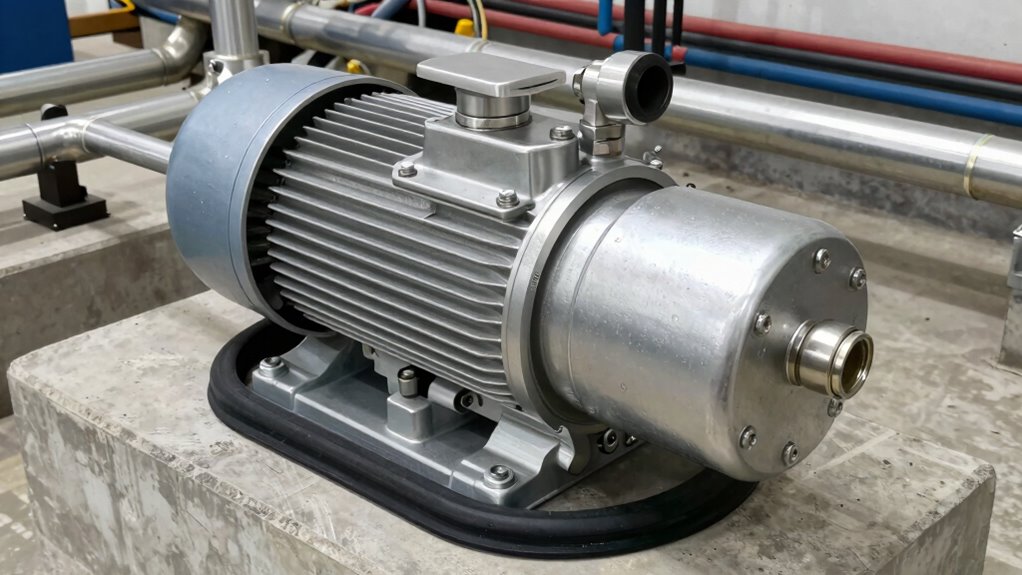
Installing a booster pump can substantially improve water pressure in your home or business, ensuring a steady flow even when demand is high. However, many people overlook the importance of managing pump noise and vibration. If these issues aren’t addressed, they can cause discomfort, damage to pipes, and even reduce the lifespan of your equipment. The good news is that an anti-vibration setup not only minimizes noise but also protects your plumbing system from unnecessary stress.
When you’re installing a booster pump, it’s vital to focus on vibration reduction. Vibrations from a pump tend to transfer through pipes and mounting surfaces, leading to noise and potential damage over time. To combat this, you should use vibration isolators or pads made of rubber or other damping materials. These act as buffers, absorbing vibrations before they can travel through your plumbing. Properly placed mounts or flexible connectors can also help prevent vibrations from being transmitted to the pipes or walls, reducing noise and extending the life of your system.
Use vibration isolators or pads to absorb and prevent pump vibrations from damaging pipes and increasing noise.
Pump noise can be disruptive, especially if your pump is located near living or working spaces. To keep noise levels manageable, consider installing the pump on a sturdy, insulated base. This reduces the transfer of vibrations to the floor or walls. Additionally, selecting a pump with a quiet operation design or installing soundproof enclosures can considerably cut down on noise. When you combine these measures with vibration reduction techniques, you create a quieter, more efficient system that demands less maintenance and causes fewer disturbances.
It’s important to guarantee your installation includes proper piping and mounting techniques. Using flexible hoses or couplings can help isolate the pump from rigid pipe connections, preventing vibrations from transmitting through the plumbing. Securing the pump firmly to a stable surface also helps minimize movement and noise. Regularly inspecting and tightening fittings can prevent vibrations caused by loose connections, which might escalate over time if ignored. Understanding vibration damping materials and their role in reducing noise can further enhance your setup.
In essence, a well-thought-out anti-vibration setup not only enhances comfort by reducing pump noise but also protects your pipes from undue stress. Investing in vibration-reducing accessories and proper mounting techniques might seem small, but they make a noteworthy difference in your system’s longevity and performance. By taking these steps, you’ll enjoy a quieter, more reliable water supply that stands up to high demand without compromising your peace or your plumbing infrastructure.
Frequently Asked Questions
How Often Should Anti-Vibration Mounts Be Inspected or Replaced?
You should inspect your anti-vibration mounts at least every six months to make certain they’re in good condition. Replace them if you notice cracks, excessive wear, or if they no longer absorb vibrations effectively. Follow the manufacturer’s replacement intervals, typically every 2-3 years, but always prioritize visual inspections. Regular checks help prevent pipe damage and maintain pump efficiency, saving you costly repairs down the line.
Can Anti-Vibration Setups Reduce Noise Levels Significantly?
You’ll notice a real difference in noise reduction when you implement effective vibration control. Anti-vibration setups minimize the hum and rattle caused by your pump, creating a quieter environment. By dampening vibrations, these systems prevent sound from traveling through pipes and structures. With proper installation and maintenance, your pump operates more smoothly, markedly reducing noise levels and enhancing overall comfort. It’s a simple upgrade that makes a big difference in noise management.
Are There Specific Pipe Materials That Work Best With Anti-Vibration Mounts?
You should choose pipe materials with good compatibility and durability, like copper, stainless steel, or PEX, for anti-vibration mounts. These materials withstand vibrations better and maintain their integrity over time. Avoid softer or less durable options like PVC, which may crack or deform under constant vibration. Selecting the right pipe material guarantees your anti-vibration setup remains effective, reducing noise and preventing pipe damage for long-lasting performance.
What Safety Precautions Should Be Taken During Installation?
Think of safety as your shield, much like a knight’s armor. Always wear personal protective equipment—gloves, goggles, and steel-toed boots—before starting. Guarantee electrical safety by disconnecting power, verifying with a tester, and following lockout/tagout procedures. Keep your workspace clear of hazards, and handle tools carefully. These precautions protect you from shocks, injuries, and accidents, making your installation safe and successful.
How Do Anti-Vibration Systems Impact Pump Maintenance Routines?
Anti-vibration systems, like vibration damping, simplify your pump maintenance routines by reducing wear and noise, allowing you to schedule maintenance more effectively. With less vibration, you’ll notice fewer pipe and component issues, which means less frequent repairs and downtime. This proactive approach helps you plan maintenance around your operational needs, saving time and costs while ensuring your pump runs smoothly and efficiently over its lifespan.
Conclusion
By installing your booster pump with proper anti-vibration measures, you not only protect your pipes but also enhance the system’s longevity. Many believe that vibration inevitably causes damage, but studies suggest that with the right setup, vibrations can be minimized effectively. So, it’s worth investing in anti-vibration solutions—doing so could be the key to preventing costly repairs and ensuring your water system runs smoothly for years to come.
Fall yard work Picks
leaf blowers
As an affiliate, we earn on qualifying purchases.