
To guarantee effective post-install flushing, gradually increase water pressure and control flow to clear debris without damaging pipes. Always double-check calibration and monitor pressure to prevent surges and incomplete cleaning. Avoid rushing the process or using incompatible chemicals, which can cause damage or corrosion. Proper technique extends system life and minimizes future problems. Stay focused on these best practices, and you’ll discover how to optimize your system’s longevity and performance even further.

Get home appliances delivered free — and shop member deals
- Fast, free delivery on millions of items
- Access to Prime Big Deal Days deals on October 6–7
- Prime Video, Amazon Music and more included
Key Takeaways
- Do gradually increase water pressure to prevent pipe damage; do not rush the process.
- Do calibrate flow and pressure gauges before starting; avoid skipping calibration checks.
- Do use compatible chemicals according to manufacturer guidelines; do not ignore chemical compatibility.
- Do monitor water flow throughout; do not neglect pressure and flow checks to ensure thorough cleaning.
- Do allow sufficient flushing time; do not rush to ensure complete removal of debris and contaminants.
As an affiliate, we earn on qualifying purchases.
Proper Techniques for Effective Post-Installation Flushing
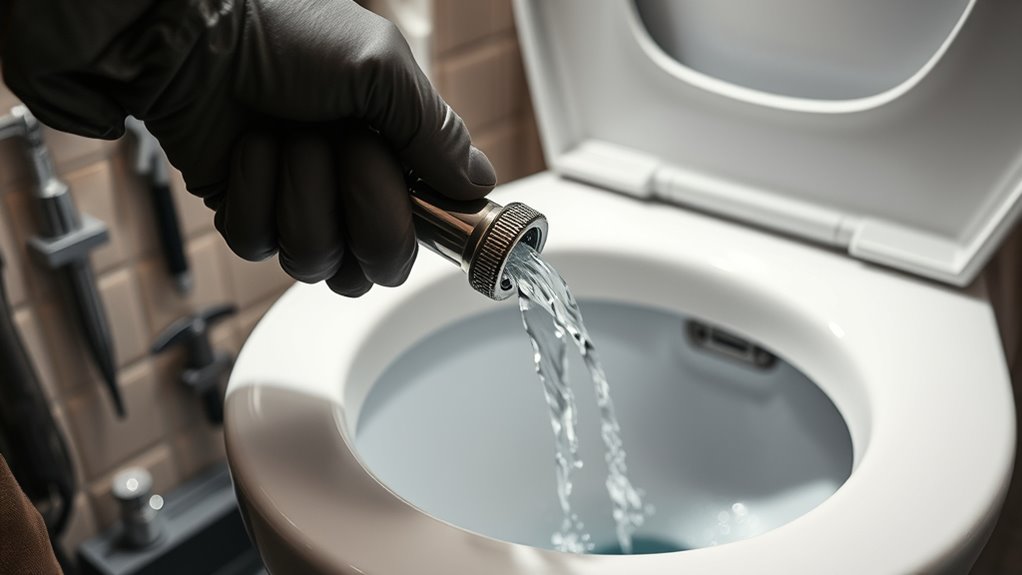
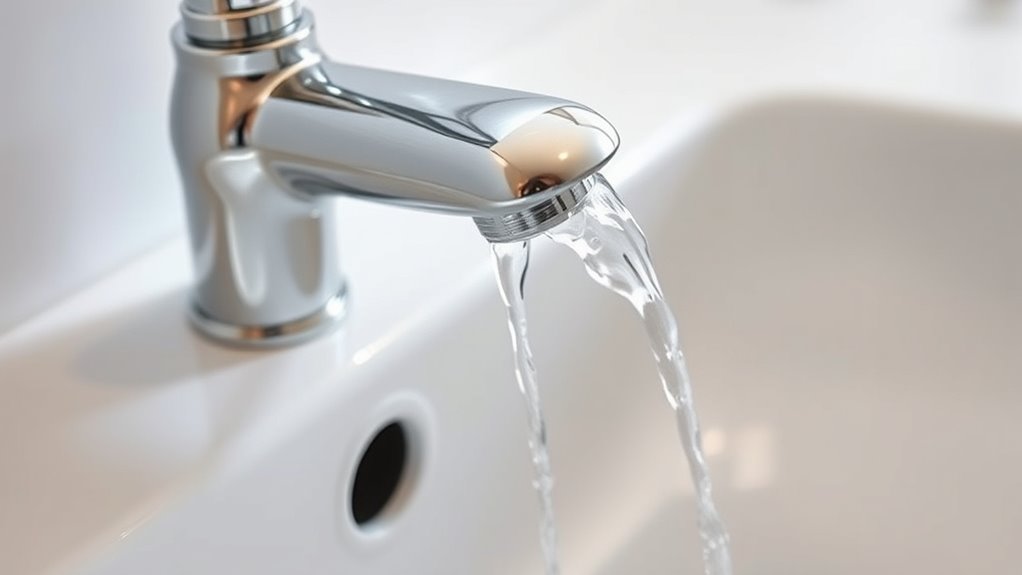
To guarantee the system functions properly after installation, you need to perform effective post-installation flushing. Start by gradually increasing water pressure to avoid sudden shocks that could damage pipes or cause corrosion. Use a controlled flow to remove debris, rust, or sediment buildup that can accelerate pipe corrosion. Flushing at too high a pressure may loosen deposits but risks damaging the pipes, so find a balance that cleans effectively without causing harm. Make certain water flows through all parts of the system, including bends and joints, to dislodge any trapped debris. Regularly monitor water pressure during flushing to prevent sudden surges. Proper technique will help extend the lifespan of your pipes and keep water flowing smoothly, reducing future maintenance needs.
As an affiliate, we earn on qualifying purchases.
Common Mistakes to Avoid During Flushing Procedures
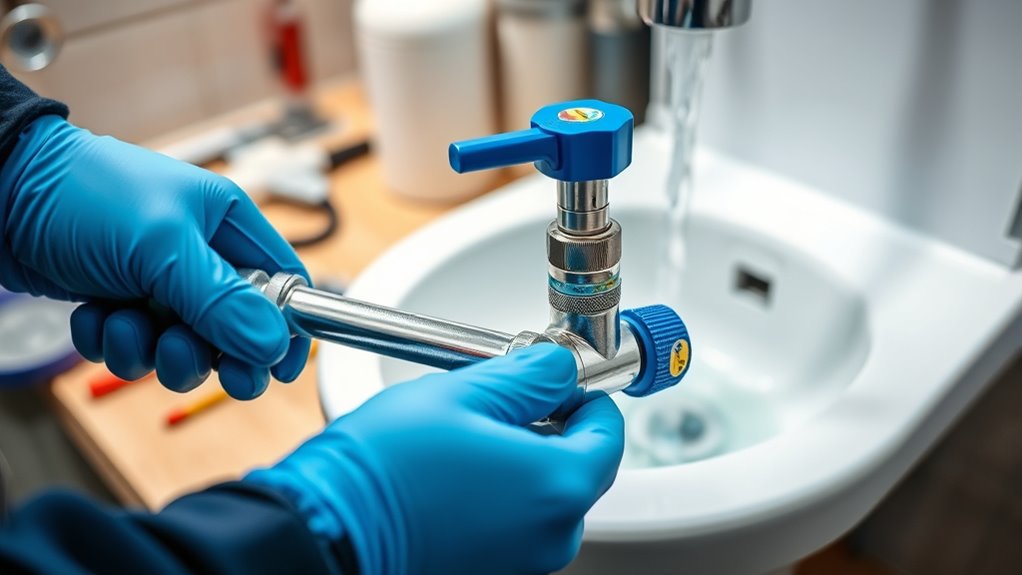
Avoiding common mistakes during flushing procedures guarantees your system remains undamaged and functions properly. One key mistake is neglecting proper equipment calibration, which can lead to inaccurate flow rates and incomplete flushing. This may cause unwanted chemical reactions or residue buildup. Always double-check calibration before starting, ensuring all gauges and controls are set correctly. Another error is rushing the process; insufficient flushing time can leave contaminants behind, risking chemical reactions later. Additionally, avoid using incompatible chemicals or neglecting to follow manufacturer guidelines, as this can damage your equipment or compromise the system’s integrity. Properly monitoring flow and pressure levels throughout the process prevents strain on your equipment and ensures thorough cleaning. Staying attentive to calibration, timing, and chemical compatibility helps you avoid costly mistakes and ensures a successful flush. Moreover, understanding the specific requirements of GMC tuning techniques can help optimize your vehicle’s performance post-flushing.
As an affiliate, we earn on qualifying purchases.
Frequently Asked Questions
How Often Should Post-Install Flushing Be Performed?
You should perform post-install flushing every 6 to 12 months as part of your maintenance schedule. Regular flushing helps prevent contamination buildup and maintains system efficiency. Keep an eye on your system’s performance; if you notice any issues, consider flushing sooner. Consistent maintenance guarantees your system stays clean, contamination-free, and operates smoothly, ultimately extending its lifespan and reducing long-term repair costs.
What Tools Are Essential for Effective Flushing?
You’ll need a trusty garden hose or flushing wand—think of them as your magic wands for clean cooling systems. Make certain your tools are compatible with your coolant and chemical selection, or you might just turn your system into a science experiment. A pressure tester and brushes are also essential to ensure thorough flushing without damaging components. Remember, proper tools make all the difference in achieving a spotless, coolant-compatible flush.
Can Flushing Be Done Without Shutting Down the System?
You can’t safely perform flushing without shutting down the system first. System shutdown is essential for flushing safety because it prevents pressure buildup and avoids potential accidents. Skipping this step can lead to equipment damage or injury. Always turn off the system completely before starting the flush, follow safety protocols, and make certain the system is depressurized. This approach guarantees a safe, effective flushing process without risking harm or damage.
Are There Environmental Considerations During the Flushing Process?
Imagine your flushing process as a gentle ripple across a pond. You should consider the environmental impact and adopt eco-friendly practices, like using biodegradable cleaning agents and proper waste disposal. By doing so, you safeguard aquatic life and reduce pollution. Always check local regulations, minimize chemical use, and guarantee runoff doesn’t contaminate water sources. Your mindful approach helps preserve nature’s harmony during every flush.
How to Troubleshoot if Flushing Doesn’t Resolve System Issues?
If flushing doesn’t resolve system issues, you should first review your system maintenance records and confirm you followed flushing protocols correctly. Check for blockages or leaks that might hinder flow and verify all connections are secure. If problems persist, consider running diagnostic tests or consulting a professional. Proper troubleshooting helps maintain system efficiency and prevents future issues, ensuring your flushing protocols are effective and your system operates smoothly.
chemical compatible pipe cleaner
As an affiliate, we earn on qualifying purchases.
As an affiliate, we earn on qualifying purchases.
Conclusion
Remember, proper flushing protects your system, prevents future issues, and guarantees efficiency. Do the right things, avoid the wrong, and stay consistent. Follow proven techniques, skip shortcuts, and prioritize safety. Keep your system clean, keep your work thorough, and keep your results reliable. When you commit to correct procedures, you build a system that lasts, a reputation that endures, and confidence that grows. Flushing right today guarantees peace of mind tomorrow.
NFL season / tailgating Picks
team gear
As an affiliate, we earn on qualifying purchases.