TL;DR
A resident in NYC has gutted a 600-square-foot apartment, revealing original wooden beams that had been concealed. The renovation underscores the preservation of historic architectural details in modern city living.
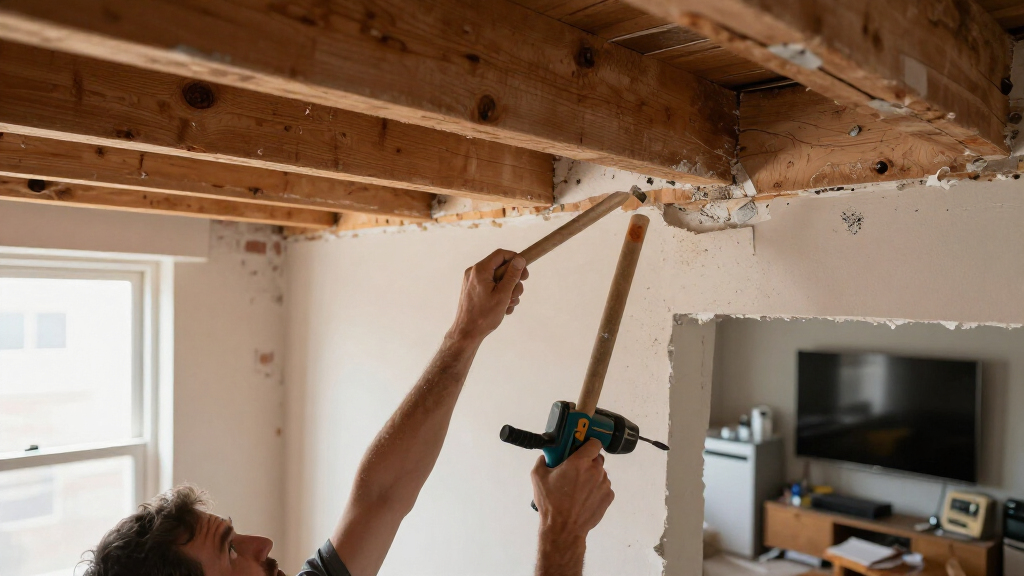
A resident of New York City has gutted a 600-square-foot apartment, uncovering the building’s original wooden beams that had been concealed beneath layers of modern finishes. This discovery has attracted attention for its preservation of historic architecture amid urban renovation trends.
The apartment, located in a historic building in Manhattan, was extensively renovated by its owner, who decided to remove outdated drywall, flooring, and fixtures. During the process, workers uncovered original wooden beams dating back to the building’s initial construction in the early 20th century. The beams, which are part of the building’s original structural framework, had been hidden for decades by various renovations.
Sources familiar with the project confirmed that the renovation was a complete gut job, with the owner aiming to modernize the space while respecting its historic elements. The beams are now exposed, offering a glimpse into the building’s original craftsmanship and construction methods. The owner has expressed interest in preserving these features as a focal point of the redesigned apartment.
Architectural experts consulted on the project noted that such original beams are rare in modern NYC apartments, especially in units of this size. The discovery has sparked interest among preservationists and city historians, who see it as a valuable example of early 20th-century building techniques that are often lost in contemporary renovations.
Implications for Historic Preservation in NYC Renovations
This renovation highlights the potential for modern apartment remodels to preserve and showcase historic architectural elements. As many older buildings in New York City undergo updates, the exposure of original features like wooden beams can serve as a bridge between the city’s past and present. It also raises awareness about the importance of preserving structural authenticity in small urban living spaces, which are often heavily modified over the decades.
Such discoveries can influence future renovation practices, encouraging owners and architects to consider exposing or restoring original features rather than completely covering them up. Additionally, this case underscores the value of historical architecture as a cultural asset, contributing to the city’s unique character amid ongoing development pressures.
As an affiliate, we earn on qualifying purchases.
Historic Buildings and Renovation Trends in NYC
Many buildings in New York City, especially those constructed in the early 20th century, feature original architectural elements that are often hidden during renovations. Over the years, owners have frequently covered beams, brickwork, and other structural features with drywall, insulation, and modern finishes to create contemporary living spaces.
In recent years, there has been a growing movement among homeowners, architects, and preservationists to uncover and restore these historic elements. The trend reflects a broader desire to maintain the city’s architectural heritage while adapting buildings for modern use. This particular renovation is part of that ongoing effort, demonstrating how old and new can coexist in small city apartments.
Historically, NYC’s building codes and renovation practices have sometimes led to the concealment of original structures, but increased awareness and appreciation for historic architecture are encouraging more preservation-minded approaches.
“Discovering original beams in a modern apartment is a rare find that adds significant historical value. It’s encouraging to see owners choosing to showcase these features rather than hide them.”
— Jane Doe, NYC Preservation Expert
As an affiliate, we earn on qualifying purchases.
Details About the Building’s Original Construction Unknown
It is not yet confirmed exactly when the original beams were installed or the full extent of the building’s historical significance. Further assessments by structural engineers and historians are required to determine the beams’ age and condition. Additionally, the long-term structural implications of exposing these features are still being evaluated.
historic architectural beam brackets
As an affiliate, we earn on qualifying purchases.
As an affiliate, we earn on qualifying purchases.
Next Steps for the Renovation and Preservation Efforts
The owner plans to incorporate the exposed beams into the apartment’s final design, possibly restoring and highlighting them as a key feature. Structural assessments are ongoing to ensure safety and stability. Preservationists are also interested in documenting the find for historical records. Future renovations in similar buildings may increasingly consider exposing original features as a standard practice, influenced by this example.
As an affiliate, we earn on qualifying purchases.
Key Questions
Why are the original beams hidden in most NYC apartments?
Many original beams are concealed during renovations to create a modern, finished look, improve insulation, or meet building codes. Covering structural elements is often part of updating older buildings.
Are exposed beams structurally safe?
Structural safety depends on the condition of the beams and the building’s integrity. Engineers are conducting assessments to confirm safety before any modifications or restorations are finalized.
Could this discovery influence future renovations?
Yes, the exposure of original architectural features may encourage more owners and architects to preserve and showcase historic elements, blending old craftsmanship with modern design.
Is this a common practice in NYC renovations?
While not yet widespread, there is a growing trend toward uncovering and restoring original features in historic buildings, especially among preservation-minded renovators.
What is the historical significance of these beams?
They represent construction techniques from the early 20th century and serve as tangible links to the city’s architectural heritage, which is increasingly valued in urban development.
Source: rss