

When dealing with demand codes and compliance, it’s essential to understand that peak demand, not average demand, mostly drives energy costs and penalties. Many believe reducing average usage is enough, but high peak loads can still lead to costly penalties even if your overall consumption seems low. Misconceptions like solely focusing on demand reduction or ignoring demand spikes can be costly. Continue exploring to understand how managing peaks effectively actually saves money and guarantees compliance.
Key Takeaways
- Peak demand measures maximum energy use during specific periods, while average demand reflects typical consumption over time.
- Demand codes set limits to manage peak levels, reducing costs and ensuring system reliability and compliance.
- Focusing solely on average demand can obscure peaks, leading to underestimated charges and potential penalties.
- Demand reduction strategies must be properly implemented; shifting loads without proper management may not yield true savings.
- Advanced demand management technologies and accurate forecasting are essential for compliance, cost savings, and system stability.

Smart Home Energy Monitor with 16 50A Circuit Level Sensors, Real-Time Power Usage & Electricity Cost Tracking, Ideal for Rental Homes & Shared Apartments, App History, Compatible with Home Assistant
⚡ EASY INSTALLATION: Installs in circuit panel of most homes with clamp-on sensors. Supports single-phase up to 240VAC…
As an affiliate, we earn on qualifying purchases.
As an affiliate, we earn on qualifying purchases.
Understanding Demand: The Basics of Peak and Average Metrics

Understanding demand is essential for effective energy management, and it begins with grasping the difference between peak and average metrics. Peak demand refers to the highest level of energy use within a specific period, often during busy hours. Average demand reflects typical consumption over time, giving a more stable picture. To manage these effectively, demand forecasting helps predict future peaks, allowing you to plan capacity needs. Energy profiling analyzes your usage patterns, identifying when and how your energy consumption fluctuates. Recognizing the distinction between peak and average demand is fundamental to compliance with energy codes and improving overall energy management. Additionally, understanding relationships in energy consumption can provide insights into behavioral patterns that influence peak loads, further enhancing demand management strategies.
demand response load shifting device
As an affiliate, we earn on qualifying purchases.
As an affiliate, we earn on qualifying purchases.
Common Misconceptions About Demand Reduction Strategies

Many people believe that demand reduction strategies automatically lead to significant energy savings, but this isn’t always the case. While reducing peak demand can help lower utility bills and ease grid stress, it doesn’t guarantee overall energy savings. Peak management focuses on shifting or reducing energy use during high-demand periods, but without proper implementation, you might just move the load rather than lessen it. Some assume that demand reduction efforts will cut total consumption, but they often only affect peak times. It’s essential to understand that demand reduction techniques target specific periods and require careful planning. Relying solely on demand reduction strategies without considering overall energy efficiency can lead to misconceptions about their true impact. For example, understanding the importance of accurate color reproduction in projectors can help optimize visual quality without increasing energy use. Proper integration ensures you get genuine savings and more effective peak management.

Intelligent Energy Demand Forecasting (Lecture Notes in Energy, 10)
As an affiliate, we earn on qualifying purchases.
As an affiliate, we earn on qualifying purchases.
The Role of Demand Codes in Regulatory Compliance

Demand codes play a essential role in ensuring your facility meets regulatory requirements related to energy use and peak management. These codes set clear standards for how high your demand can be before penalties or restrictions apply. Here’s what you need to know:
- They define compliance thresholds that determine whether your facility stays within acceptable demand limits.
- They influence demand tariffs, which can increase costs if you exceed peak demand levels.
- They establish rules for monitoring and reporting your energy consumption to regulators.
- Understanding the demand management strategies can help optimize compliance and reduce costs.

Autonomic Nervous System in Pathological Demand Avoidance: Reduce Stress, Improve Relationships, and Support Self-Regulation, Without Feeling Overwhelmed
As an affiliate, we earn on qualifying purchases.
As an affiliate, we earn on qualifying purchases.
How Peak Demand Impacts Your Energy Costs

Your energy costs can spike when your peak demand rises, leading to higher charges. Demand charges are based on your highest usage periods, so managing those peaks can save you money. Let’s explore how controlling your peak usage directly impacts your overall energy expenses. Incorporating creative practice techniques can also help you develop strategies to better regulate your energy consumption during critical periods.
Cost Implications of Peaks
Peak demand periods can markedly drive up your energy costs because utility companies often charge higher rates based on the highest level of power you use during a billing cycle. When your demand spikes, you’re paying more for those peak moments. To manage this, demand smoothing and peak shaving become essential strategies. Here’s what you need to know:
- Higher demand peaks lead to increased demand charges, raising your overall bill.
- Implementing peak shaving techniques reduces your maximum load during busy times.
- Demand smoothing spreads out energy use, preventing costly spikes and lowering peak charges.
- Properly managing your load profile can help optimize energy consumption and minimize costs.
Demand Charges Explained
Have you ever wondered why your energy bills fluctuate unexpectedly? That’s often due to demand charges, which are based on demand pricing. These charges reflect your peak demand during a billing period, not just your average usage. When you use a lot of energy at once, you trigger peak regulation, causing higher costs. Utilities impose demand charges to manage grid stability and recover infrastructure costs. Even if your overall consumption is low, a single moment of high demand can spike your bill. Understanding how demand impacts your costs helps you identify when peak demand occurs. This knowledge is essential for managing your energy expenses effectively, especially since demand charges can considerably influence your total bill. Managing peak demand is key for controlling these costs. Efficient home management can help reduce unnecessary spikes in energy use, ultimately lowering your demand charges.
Managing Peak Usage
Managing your energy usage during times of high demand can substantially reduce your costs. By understanding demand forecasting, you can anticipate peak periods and prepare accordingly. Peak shaving techniques help lower your highest energy loads, preventing excessive demand charges. Here’s how you can manage peak usage effectively:
- Monitor real-time energy data to identify when demand spikes occur.
- Implement demand response strategies, such as shifting non-essential processes to off-peak hours.
- Invest in energy-efficient equipment to reduce overall demand during peak times.
- Regular maintenance of HVAC systems, including heat pumps, ensures optimal performance and can help prevent unexpected energy surges efficiency improvements.
These steps help control your peak demand, minimizing costly charges tied to highest energy usage. Focused demand forecasting and proactive peak shaving can significantly impact your energy bills while ensuring compliance with demand-based codes.
Why Focusing Solely on Average Demand Can Be Misleading
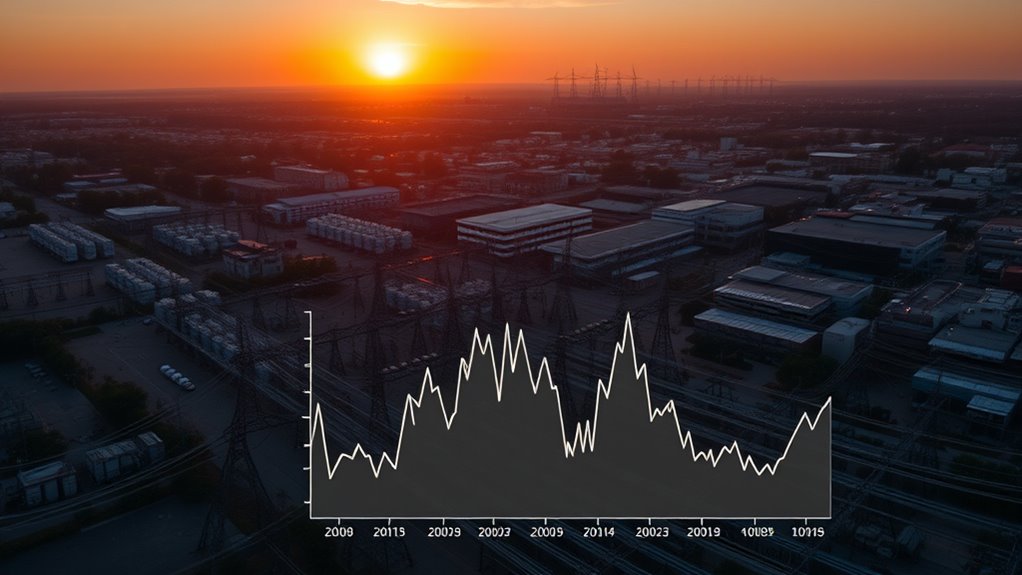
While focusing on average demand might seem like a straightforward way to gauge energy needs, it can be misleading because it masks the demand variability and extremes that truly impact your system. Average demand smooths out fluctuations, hiding peaks that cause the highest charges and penalties. Without proper peak analysis, you might underestimate the true cost of your energy consumption. Relying solely on averages ignores how demand spikes occur and how they affect your infrastructure. This oversight can lead to unexpected charges, inefficient system design, and poor compliance. To manage costs effectively, you need to understand both your average and peak demands. Recognizing demand variability ensures you don’t overlook critical peaks, helping you optimize your energy use and avoid costly penalties. Understanding the refrigeration cycle is essential for diagnosing system issues that cause demand spikes and ensuring your system operates efficiently during peak times.
Key Factors That Influence Demand Charges and Penalties

Several key factors directly influence your demand charges and penalties, and understanding them is crucial for cost control. First, demand forecasting accuracy impacts how well you predict peak usage, reducing unexpected spikes. Second, energy auditing helps identify inefficient equipment or processes that elevate demand levels. Third, your operational patterns, such as scheduling high-energy tasks during off-peak hours, can markedly lower demand peaks. By analyzing these factors, you can better manage your demand profile, avoid costly penalties, and optimize energy costs. Staying proactive with demand forecasting and regular energy audits ensures you catch potential issues early, ultimately helping you maintain compliance and control expenses. Recognizing these key influences allows for smarter, data-driven decisions that reduce demand charges. Additionally, understanding merchant services and their associated risks can further improve your overall operational costs and compliance strategies.
Practical Steps to Manage and Optimize Demand Compliance

To effectively manage and optimize demand compliance, you should start by establishing accurate demand forecasting models that reflect your facility’s actual usage patterns. This helps you predict peak periods and identify opportunities to reduce demand charges. Implementing energy storage solutions allows you to shift or shave peak loads, smoothing out demand spikes. Regularly review your demand data to identify trends and anomalies, adjusting your strategies accordingly. Educate facility staff on demand management practices to prevent unnecessary peaks. Combining demand forecasting with energy storage provides a practical, proactive approach to controlling demand charges while ensuring reliable power supply. Additionally, understanding tuning techniques for your equipment can optimize performance and efficiency, further aiding in demand management. These steps enable you to stay compliant with demand codes and minimize penalties, ultimately saving costs and improving operational efficiency.
The Difference Between Compliance and Cost Savings

Understanding the difference between compliance and cost savings helps you prioritize your energy strategies. While compliance offers regulatory and reliability benefits, cost savings often come as a secondary advantage. Recognizing this distinction guarantees you meet requirements without overlooking potential financial efficiencies.
Regulatory vs. Financial Benefits
While compliance with demand codes often provides regulatory benefits, it also offers tangible financial advantages that can considerably impact your bottom line. By optimizing demand forecasting, you can better predict your peak loads, reducing unnecessary costs. Utility incentives are another key benefit—they reward customers who manage their demand effectively, lowering bills and earning rebates. Here’s how these benefits translate:
- Improved demand forecasting helps you anticipate and control peak loads, avoiding penalties.
- Utility incentives can provide direct savings or rebates for demand reduction efforts.
- Cost savings from demand management can outweigh compliance penalties, boosting profitability.
Focusing on these financial advantages not only ensures conformity but also enhances your financial performance, making demand code strategies a smart investment.
Compliance Ensures Reliability
Maintaining compliance with demand codes isn’t just about avoiding penalties; it directly supports the reliability of your power system. Accurate demand forecasting helps you anticipate peak loads, ensuring your infrastructure can handle fluctuations without failure. By adhering to demand codes, you ensure your system operates within safe limits, reducing the risk of outages or equipment stress. Energy benchmarking allows you to compare your performance against industry standards, highlighting areas where reliability can be improved. When you prioritize compliance, you create a stable environment that minimizes unexpected disruptions. This stability isn’t simply about meeting regulations; it’s about building a resilient system that consistently delivers power, supporting your operations and avoiding costly downtime. Reliability stems from proactive management, not just ticking regulatory boxes.
Cost Savings Are Secondary
Although compliance with demand codes is essential for maintaining system stability, it shouldn’t be viewed solely as a cost-saving measure. Prioritizing energy efficiency and renewable integration often yields long-term benefits that go beyond immediate savings. Focus on these key aspects:
- Enhancing energy efficiency reduces overall demand, easing the burden on peak loads.
- Incorporating renewable sources can lower operational costs and support sustainability goals.
- Proper demand management ensures reliable system performance, which is more valuable than short-term cost cuts.
While reducing costs is attractive, the primary goal of demand compliance is to ensure system stability, support renewable integration, and promote sustainable energy practices. These factors ultimately create a more resilient and efficient energy infrastructure.
Emerging Trends and Technologies Shaping Demand Management

Emerging trends and technologies are transforming demand management by providing more accurate insights and greater control over consumption patterns. A key development is the smart grid, which enhances real-time data collection and enables dynamic responses to demand fluctuations. This allows utilities and consumers to better forecast demand, optimizing energy use and reducing peak loads. Advanced demand forecasting tools leverage machine learning and big data analytics to predict consumption trends with high precision. These innovations help identify opportunities for load shifting and efficiency improvements, ultimately lowering costs and improving reliability. As these technologies evolve, your ability to manage demand proactively increases, making it easier to comply with codes, reduce penalties, and support a sustainable energy future.
Frequently Asked Questions
How Do Demand Levels Affect Renewable Energy Integration?
Demand levels directly impact renewable energy integration by influencing demand forecasting accuracy. When demand is high, it becomes harder to match renewable output with consumption, potentially causing grid instability. Conversely, low demand periods offer better opportunities for integrating renewable sources. You can improve renewable integration by monitoring demand patterns, using real-time data, and adjusting forecasts accordingly, ensuring smoother adoption of renewable energy and maintaining grid reliability.
Are There Industry-Specific Demand Code Requirements?
Ever wondered if industry-specific demand code requirements exist? Yes, they do. Different sectors like manufacturing, commercial, and residential have unique demands influencing demand forecasting and energy storage strategies. You need to understand these specific requirements to guarantee compliance and optimize energy use. Ignoring industry nuances could lead to inefficiencies or penalties. So, stay informed about your industry’s demand codes to effectively manage peak loads and integrate renewable energy seamlessly.
What Penalties Exist for Non-Compliance With Demand Codes?
If you don’t comply with demand codes, penalties can include hefty fines, increased rates, or service disruptions. Regulatory agencies enforce adherence through demand forecasting audits and inspections, aiming to ensure your operations meet established standards. Non-compliance risks not only financial penalties but also damage to your reputation and potential operational inefficiencies. Staying proactive with demand forecasting helps you avoid enforcement actions and maintain smooth, compliant operations.
Can Demand Management Improve Overall Grid Stability?
Demand management can dramatically boost grid stability, almost like turning chaos into harmony. By leveraging demand forecasting, you can anticipate peaks and smooth out load fluctuations. This proactive approach enhances grid resilience, preventing blackouts and outages. When you manage demand effectively, you ensure a more reliable, resilient power system that adapts seamlessly to changing needs, making the grid stronger and more dependable for everyone.
How Do Seasonal Variations Influence Demand Compliance Strategies?
Seasonal patterns considerably influence your demand compliance strategies by requiring adjustments for fluctuations in usage. During peak seasons, you may need stricter measures to manage higher loads, while off-peak periods allow more relaxed controls. By understanding these seasonal variations, you can tailor your compliance strategies to optimize energy use, prevent overloads, and ensure grid stability year-round. Adapting to seasonal patterns helps you stay compliant while maintaining efficient energy management.
Conclusion
So, next time you chase after average demand, remember it’s the peak that really writes your energy bills’ story. Don’t be fooled into thinking compliance is just a paperwork game—you’re playing with fire (or fines). Embrace smarter demand management, or risk turning your energy costs into a never-ending comedy of errors. After all, in the world of demand codes, it’s the peaks that truly steal the show—and your budget.




![Bukit Bintang Hicks Flat: DBKL Orders Cleanup After Viral Video Exposes Dirty Conditions [WATCH] - NST Online](https://wholehousewaterlab.com/wp-content/uploads/2026/07/bukit-bintang-hicks-flat-dbkl-orders-cleanup-after-viral-video-exposes-dirty-con-featured-260x140.jpg)