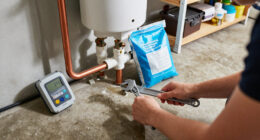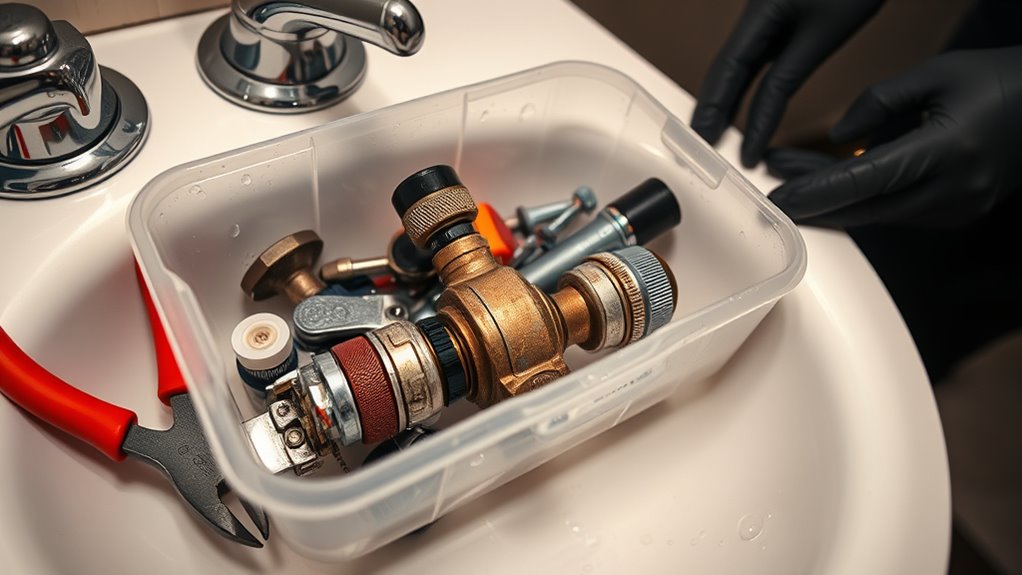

Many believe that post-install flushing problems are solely caused by hardware failures or installation errors, but that’s not always true. Issues like water pressure, quality, or float adjustments often play a major role. Some think upgrading the toilet or calling a professional is unnecessary, yet proper troubleshooting can prevent costly repairs. If you want to uncover the real causes and effective fixes, keep exploring these common misconceptions and solutions.

Get home appliances delivered free with Prime
- Fast, free delivery on millions of items
- Prime Video, Amazon Music and more included
- Member-only deals all year
Key Takeaways
- Flushing problems often stem from hardware issues or improper installation, not just software or simple replacements.
- Adjusting float levels and inspecting components are quick fixes; full replacement isn’t always necessary.
- Chemical drain cleaners can cause pipe damage and mask underlying flushing issues, making problems worse long-term.
- Proper water pressure and quality are essential; both too high or too low pressure can impair flushing performance.
- Visual appearance of a toilet doesn’t guarantee correct function; internal checks are crucial for accurate diagnosis.
toilet fill valve replacement kit
As an affiliate, we earn on qualifying purchases.
As an affiliate, we earn on qualifying purchases.
Flushing Problems Are Always Due to Hardware Failures
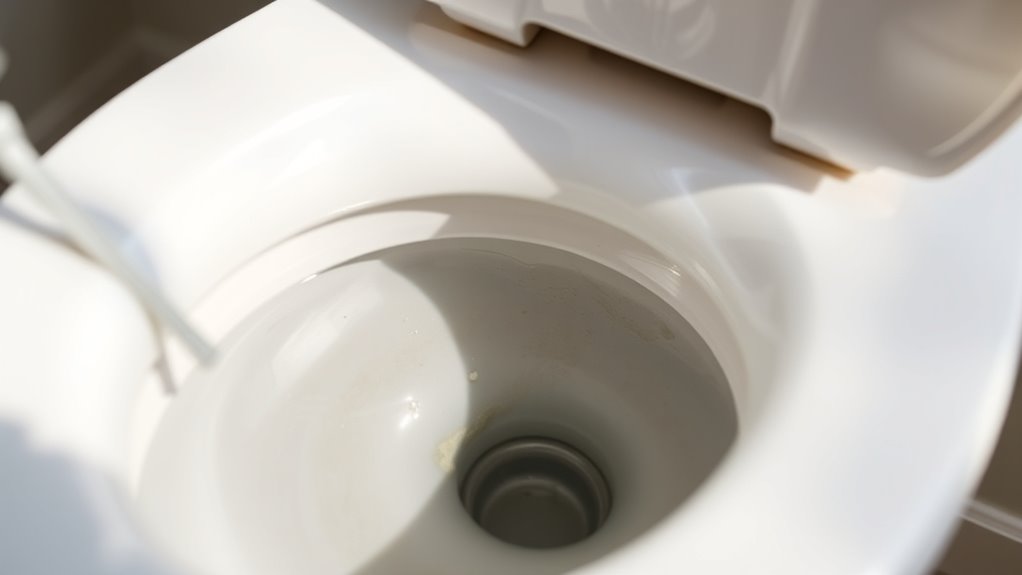
While it’s common to assume that flushing problems are caused by software issues, they are almost always hardware failures. Your first step is to check water pressure, as low pressure can prevent proper flushing. If water pressure is insufficient, the flush won’t generate enough force to clear waste effectively. Additionally, water quality plays a vital role; sediment or mineral buildup can clog internal components, impairing function. These hardware issues often stem from worn-out parts or blockages rather than software glitches. By focusing on the physical elements—such as ensuring proper water pressure and addressing water quality concerns—you’re more likely to resolve flushing problems swiftly. Regular maintenance of internal components can also prevent clogging issues, which are a common cause of flushing failures. Remember, hardware failures are the root cause, so troubleshooting should prioritize these physical aspects before considering software or settings.
As an affiliate, we earn on qualifying purchases.
Running Multiple Flush Cycles Will Fix the Issue

Running multiple flush cycles can often resolve lingering flushing issues caused by minor blockages or incomplete waste removal. When you repeat the flush, you give the water pressure more chances to clear out debris and improve flow. Focus on the component that directly impacts flushing performance, such as the fill valve or flapper, as repeated cycles can help dislodge minor obstructions. Increasing water pressure slightly, if possible, can also enhance the effectiveness of each flush. Keep in mind, multiple cycles won’t fix serious hardware failure but can often address minor issues caused by residual debris or incomplete sealing. Proper hydration of the delicate skin around the eyes can also help reduce puffiness and improve overall eye health. By focusing on these components and ensuring consistent water pressure, you increase the chances of resolving the problem without needing to replace parts immediately.
water pressure gauge for toilets
As an affiliate, we earn on qualifying purchases.
As an affiliate, we earn on qualifying purchases.
The Flush Valve Is the Only Component That Matters
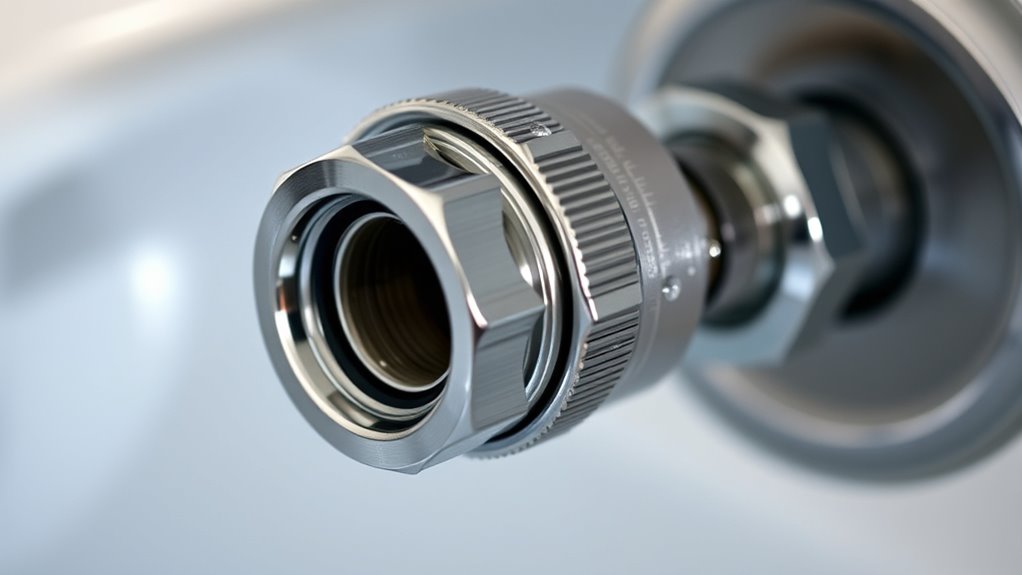
The flush valve plays a central role in guaranteeing your toilet flushes properly because it controls the release of water into the bowl. However, it’s not the only component that matters. A common mistake is ignoring the float adjustment, which directly affects the water level in the tank. If the float isn’t set correctly, the water level might be too low or too high, causing weak flushes or constant running. Adjusting the float properly ensures the water level is optimized for a strong, effective flush. Remember, even if the flush valve is in good shape, incorrect water levels due to improper float adjustment can still cause flushing issues. So, don’t overlook the importance of both the flush valve and proper water level management. Additionally, understanding how to diagnose and address common flushing problems can prevent unnecessary repairs and ensure your toilet functions flawlessly.
toilet internal components troubleshooting
As an affiliate, we earn on qualifying purchases.
As an affiliate, we earn on qualifying purchases.
Using Excessive Water Pressure Will Improve Flushing Performance
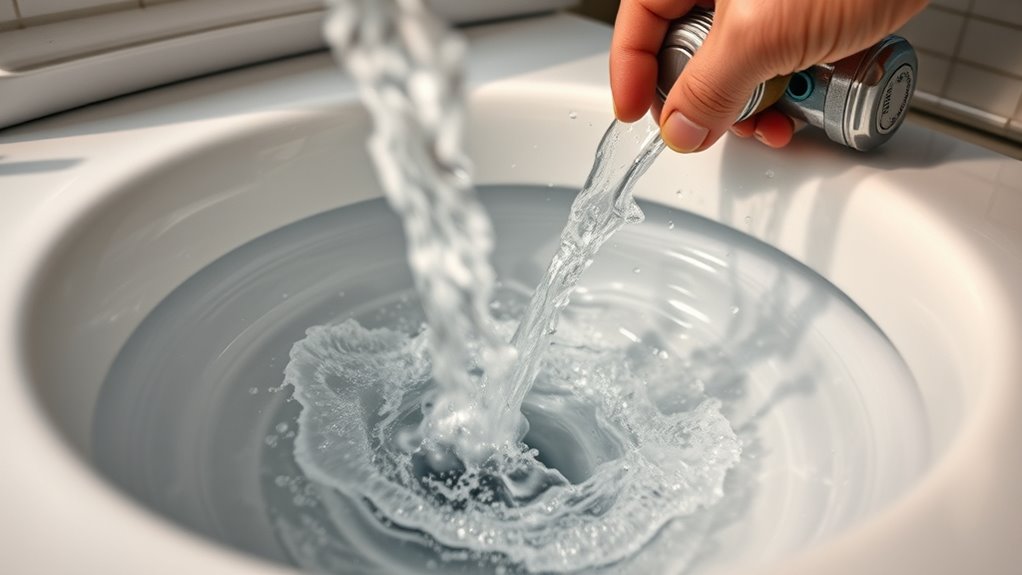
Using excessive water pressure may seem like a quick fix to improve flushing performance, but it can actually cause damage and worsen the issue. High water pressure stresses the toilet’s components, leading to leaks or cracked parts, which reduces overall flushing performance. Instead of boosting water pressure, focus on proper adjustments and ensuring the supply line is functioning correctly. Proper water pressure levels are essential for maintaining the toilet’s longevity and optimal performance.
Post-Install Flushing Troubles Are Caused by Poor Water Quality Alone
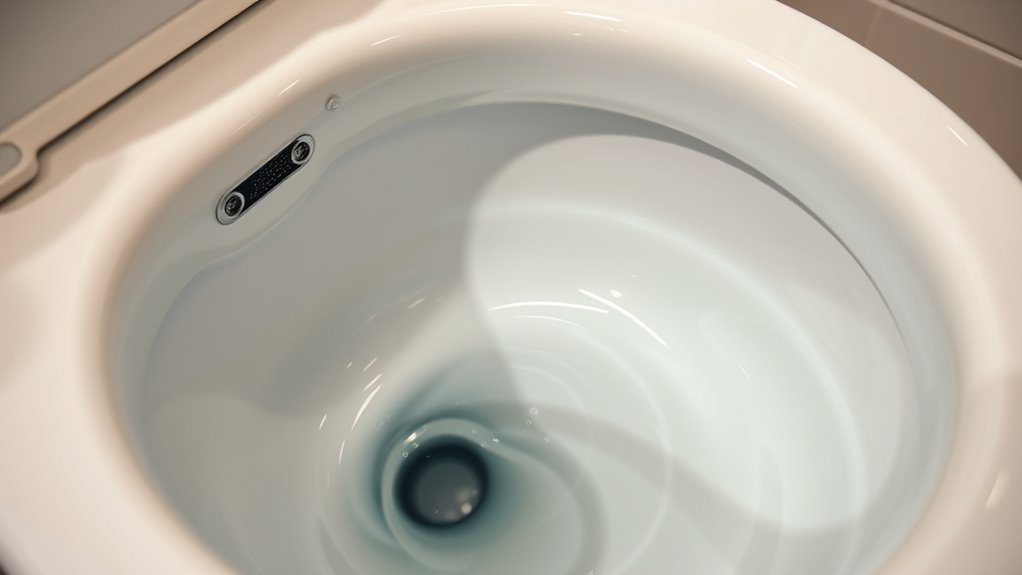
Poor water quality alone can cause flushing issues after installation, but it’s not the only factor. Variations in water chemistry, installation mistakes, and neglecting regular maintenance also play significant roles. Understanding these points helps you identify and fix the root causes quickly. For example, Kia Tuning options like ECU remapping and suspension upgrades can influence how well your system responds to flushing procedures.
Water Quality Variability
Water quality variability can markedly impact post-install flushing performance, often causing issues that are mistaken for other problems. Fluctuations in water quality introduce minerals and impurities that can lead to mineral deposits building up in your system. These deposits can clog or restrict flow, making flushing less effective and creating the illusion of other malfunctions. Poor water quality isn’t always consistent, so you might see different symptoms over time, which can confuse troubleshooting efforts. Understanding that mineral deposits and water variability are common culprits helps you avoid unnecessary repairs. Regularly testing your water and considering filtration options can reduce mineral buildup, ensuring your post-install flushing works smoothly and preventing misdiagnosed problems caused by inconsistent water quality. Additionally, testing procedures can help identify specific contaminants that contribute to these issues.
System Installation Errors
While installation mistakes are a common cause of post-flush issues, they are rarely the sole reason for flushing troubles caused by water quality. Poor setup, like improper sealing, can lead to leaks or air pockets that disrupt the system. Even small errors during installation, such as misaligned fittings or inadequate connections, can cause significant problems down the line. To avoid these issues, double-check connections and ensure all seals are tight and properly seated. Here’s a quick overview:
| Issue | Cause | Solution |
|---|---|---|
| Leaks after installation | Improper sealing | Re-seal joints tightly |
| Air pockets in system | Improper setup | Bleed system properly |
| Reduced flushing efficiency | Installation errors | Correct misaligned parts |
| Water leaks | Faulty fittings | Replace or tighten fittings |
| System noise | Loose connections | Secure fittings properly |
Pay attention to installation details to prevent these common errors. Additionally, ensuring the system is free from water quality issues can significantly improve flushing performance and prevent future problems.
Maintenance Neglect Issues
Even if your installation was flawless, neglecting regular maintenance can lead to post-flush problems caused by water quality issues. Maintenance neglect allows buildup of sediments and algae, which can clog your system and hinder proper flushing. Improper cleaning routines, like skipping routine checks or not cleaning filters, exacerbate these issues. When you ignore maintenance, you’re more likely to experience blockages and reduced performance. To prevent this, regularly inspect and clean your system. Additionally, indoor air quality can be impacted by water quality issues, further emphasizing the importance of proper water management in your maintenance routine. These maintenance neglect issues can cause post-install flushing troubles, making it essential to stay vigilant with routine upkeep. Proper maintenance isn’t just about avoiding problems; it ensures your system functions efficiently long-term.
Adjusting the Float Ball Is a Quick Fix for Flushing Issues
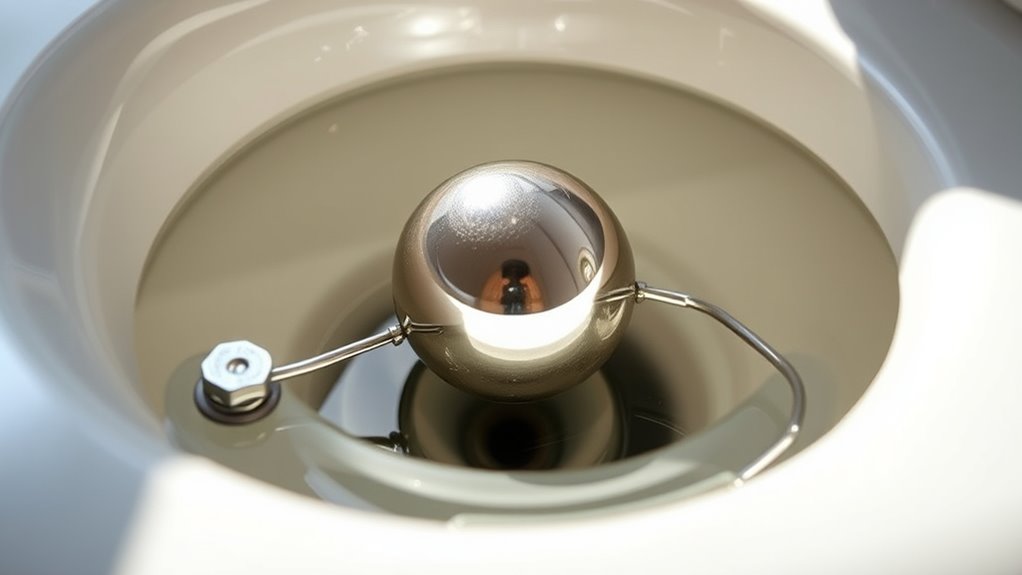
If your toilet isn’t flushing properly, adjusting the float ball can often fix the problem quickly. You need to check for signs that the float is too high or too low and then use proper techniques to set it correctly. A simple adjustment can restore your toilet’s flushing performance without complex repairs. Additionally, ensuring the shower fixtures are properly installed and maintained can prevent related plumbing issues that might affect overall bathroom performance.
Proper Float Adjustment Techniques
Adjusting the float ball is a quick and effective way to resolve flushing issues. Proper float adjustment guarantees the water level in the tank is correct, preventing weak or incomplete flushes. To do this, carefully bend the float arm or adjust the float cup so it sits at the right height. When the float is too low, the water level drops, causing incomplete flushing; too high, and the tank overflows. Ensuring the use of vetted products can also help maintain optimal performance over time. Key steps include:
- Gently bending the float arm to raise or lower the float
- Ensuring the water level is about an inch below the overflow tube
- Checking that the float moves freely without obstruction
These adjustments help maintain the right water level, making your toilet flush properly every time.
Signs of Incorrect Float Position
When the float ball isn’t set correctly, your toilet will show clear signs of trouble. One common sign is float misalignment, which causes the water level to be either too high or too low. If the water rises above the outlet, it indicates the float isn’t stopping the fill valve at the right height. Conversely, if the water level is too low, the float may be set too low or misaligned, preventing the tank from filling properly. You might notice frequent running or incomplete flushing. These issues point to an incorrect float position. Adjusting the float ball can quickly fix these problems, restoring the proper water level and ensuring your toilet functions smoothly again. Keep an eye on the water level to identify and correct float misalignment promptly.
Installing a New Toilet Should Immediately Resolve Flushing Problems
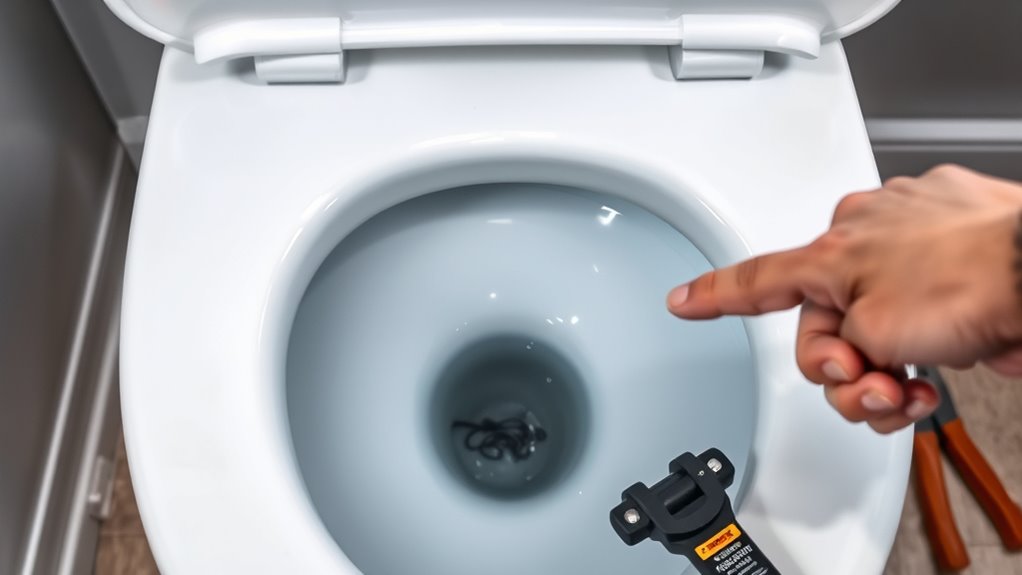
Installing a new toilet often immediately resolves flushing issues caused by old or malfunctioning units. Many believe that replacing the toilet instantly fixes all problems, but this is a common installation myth. Flushing misconceptions can lead homeowners to assume that a new fixture guarantees perfect operation right away. However, proper setup is essential for peak performance.
Be aware that:
- Even new toilets may have minor issues if not installed correctly.
- Plumbing adjustments or adjustments to the flapper might still be necessary.
- Problems like poor flushing aren’t always caused by the toilet itself but by the way it’s installed or connected.
Low Water Level Is Always Caused by a Faulty Fill Valve
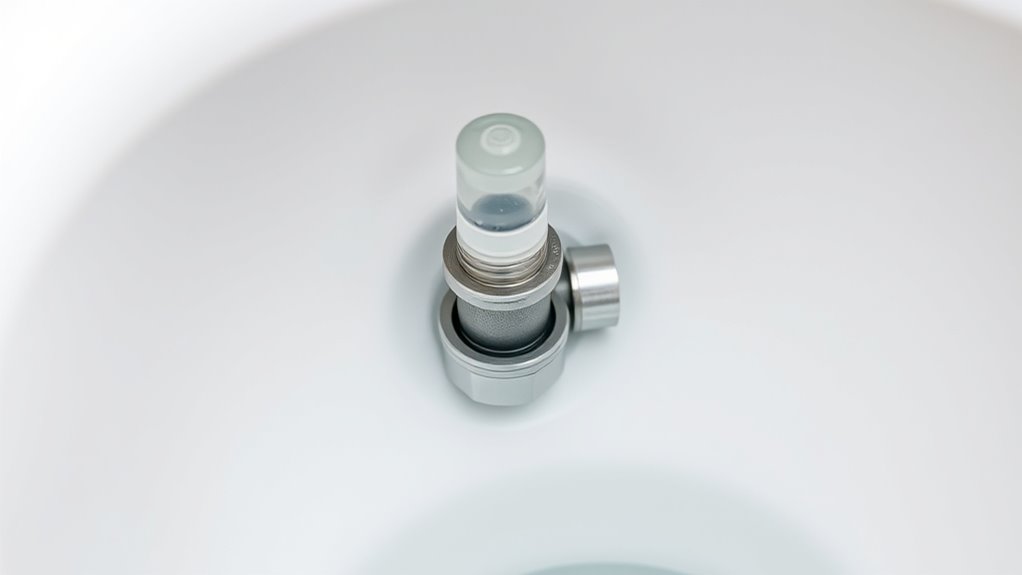
A low water level in your toilet bowl or tank is a common issue that many assume is caused by a faulty fill valve. This is a fill valve misconception, as water level myths often lead people astray. While a defective fill valve can cause problems, other issues like a misadjusted float or a clogged overflow tube might be the real culprits. Before replacing the fill valve, check if the float is set too low or if debris is blocking the refill pathway. Sometimes, adjusting the float or clearing obstructions restores proper water levels. Believing that a faulty fill valve is always to blame oversimplifies the problem and can lead to unnecessary replacements. Proper diagnosis saves you time and money, ensuring you fix the root cause effectively.
Using Chemical Drain Cleaners Will Clear Flushing Blockages
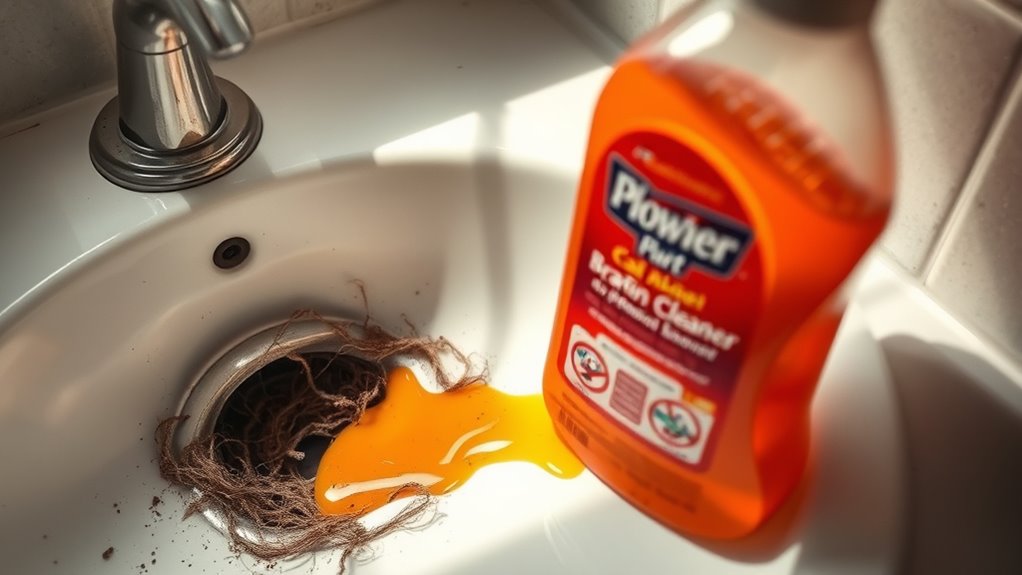
Chemical drain cleaners are a popular quick fix for flushing blockages, but they often do more harm than good. These chemical cleaners can corrode pipes, especially if used repeatedly, leading to potential hardware failures. Instead of solving the problem, they may cause further damage to your plumbing system.
- They can weaken pipes over time, increasing the risk of cracks or leaks.
- Chemical cleaners may not reach the actual clog, especially if it’s caused by a solid obstruction.
- Relying on them can mask underlying issues, delaying proper repairs or professional inspection.
Using chemical cleaners might seem like a fast solution, but they rarely address the root cause of flushing problems. In fact, they can lead to more costly repairs down the line.
Flushing Troubles Are Only a Plumbing Issue, Not an Installation Error
Many people assume that flushing issues stem from poor installation practices, but often, they are simply the result of plumbing system problems. Installation errors can sometimes cause flushing troubles, but hardware failures are just as common. Faulty valves, worn-out seals, or damaged components can disrupt the flushing process, making it seem like an installation mistake when it isn’t. Recognizing that hardware failures play a significant role helps you avoid unnecessary repairs or reinstallation. It’s important to inspect your system thoroughly before blaming the installation. Proper maintenance and timely replacement of worn parts can prevent many flushing issues. Remember, not all flushing troubles are due to errors during installation—sometimes, they’re just hardware failures that need attention.
All Flushing Problems Can Be Fixed Without Turning Off the Water Supply

You can often resolve flushing issues without shutting off the main water supply by following targeted troubleshooting steps. First, check the water pressure; low pressure can hinder proper flushing. Adjust the fill valve or pressure regulator if needed. Next, inspect the water quality—sediment or debris can clog the flush mechanism. Flushing the tank manually or cleaning the inlet holes may help. Finally, verify the flapper and fill valve are functioning correctly, ensuring they aren’t obstructed or damaged.
- Adjust water pressure to suitable levels for effective flushing
- Clean or replace parts affected by water quality issues
- Confirm the flapper and fill valve are working smoothly
Upgrading to a Modern Toilet Will Automatically Solve Flushing Flaws
Upgrading to a modern toilet often provides an immediate fix for persistent flushing problems. Newer models are designed with improved water pressure and optimized flushing systems, which can address issues caused by weak flow or poor performance. However, simply installing a modern toilet won’t automatically resolve all flaws. Seal integrity remains critical; if the seal isn’t tight, leaks or weak flushes can persist regardless of the toilet’s age. Modern toilets often have better seals and more efficient flushing mechanisms, but if existing plumbing has problems or the seal isn’t properly installed, issues may continue. While upgrading can help, it’s essential to ensure proper installation, good water pressure, and intact seals to truly benefit from a modern toilet’s improved performance.
The Toilet Seat or Lid Can Impact Flushing Efficiency
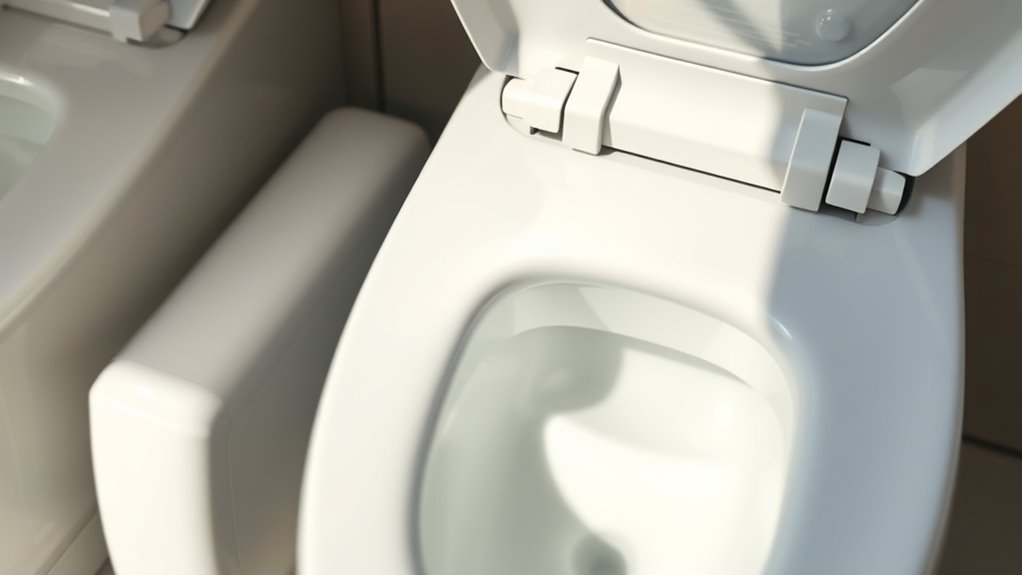
Your toilet seat and lid might seem simple, but they can affect flushing performance. If the seat isn’t positioned correctly or the lid is misaligned, it can disrupt the water flow. Checking these details could improve your toilet’s flushing efficiency.
Seat Position Matters
The position of the toilet seat or lid can substantially influence flushing performance. If the seat is misaligned or not properly positioned, it can disrupt the flow of water, reducing flushing efficiency. Ensuring the toilet seat is correctly aligned helps maintain ideal water movement and waste removal. A poorly positioned seat can cause blockages or incomplete flushes. Always check that the seat is securely fastened and centered for the best results. Remember, even small adjustments in the seat position can make a significant difference. Proper seat placement promotes smoother water flow and prevents flushing issues, saving you time and frustration. Keep your toilet seat properly aligned to maximize flushing power and keep your toilet functioning perfectly.
Lid Alignment Effects
Even a slightly misaligned toilet lid can hinder flushing performance. Proper lid alignment is essential because an improperly positioned seat or lid can block the water flow or disrupt the flush cycle. When the lid isn’t correctly aligned, it may interfere with the bowl’s geometry, causing incomplete flushing or weak water force. Check the seat positioning to guarantee it sits evenly and securely on the toilet bowl. Adjust the hinges if needed, making sure the lid and seat are centered and level. A well-aligned lid improves flushing efficiency by allowing unobstructed water flow and maximum bowl coverage. Keep in mind that even minor misalignments can reduce flushing power, so regularly inspect and adjust the lid and seat to maintain proper operation.
Flushing Issues Are Irrelevant if the Toilet Looks Clean and Works Most of the Time
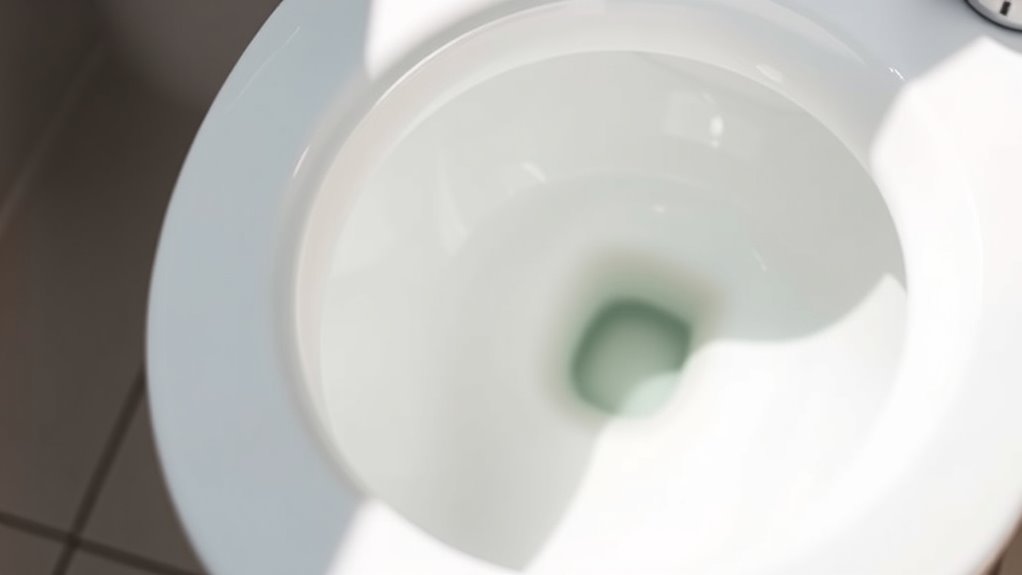
While a toilet may look clean and flush most of the time, underlying flushing issues can still cause problems down the line. Just because the visual appearance is good and it seems to operate fine doesn’t mean everything is functioning correctly. Small issues like partial flushing or slow refilling can go unnoticed, but they can lead to bigger problems later.
Keep in mind:
- Inconsistent flushing can hide internal problems that affect operational status
- A clean look doesn’t guarantee proper water flow or waste removal
- Silent inefficiencies may cause higher water bills over time
Don’t ignore these subtle signs. Even if it appears fine, unresolved flushing issues might compromise your toilet’s long-term performance. Regular checks help catch problems before they become costly repairs.
Calling a Professional Is Always Necessary for Flushing Troubleshooting
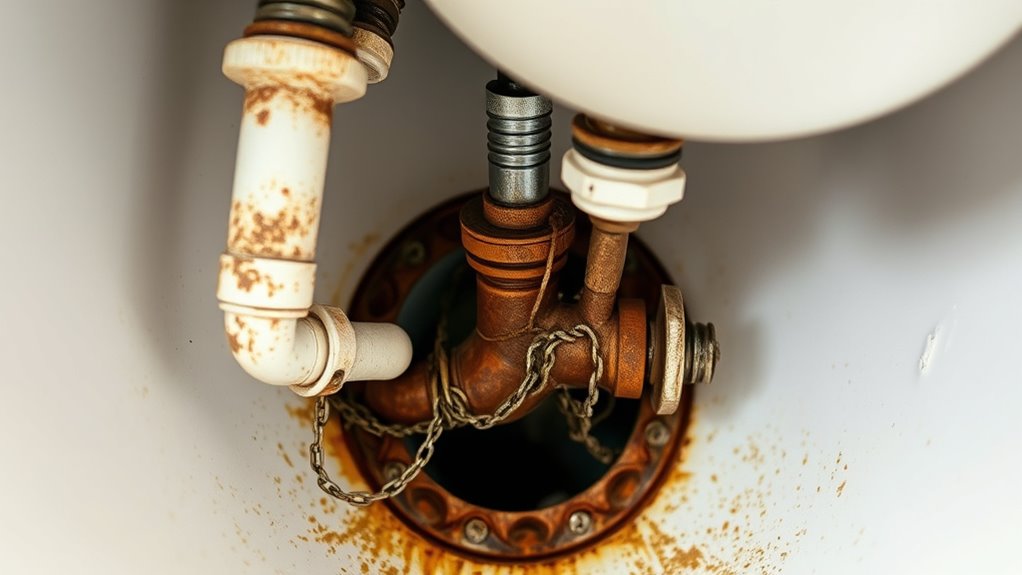
When you encounter persistent flushing problems that resist simple fixes, it’s crucial to call in a professional. A professional assessment can identify underlying issues that aren’t obvious, saving you time and potential damage. Even if you feel confident to troubleshoot, certain problems require expert consultation to ensure proper and safe repairs. Professionals have the tools and expertise to diagnose complex issues like hidden obstructions or faulty parts that may not be visible to the untrained eye. Attempting repairs without proper knowledge can worsen the problem or cause further damage. Trusting an expert guarantees that your toilet will be properly evaluated and fixed, restoring full functionality. Remember, some problems are best left to professionals to ensure a safe, effective, and lasting solution.
Frequently Asked Questions
Can Mineral Buildup Inside the Tank Cause Flushing Issues?
Yes, mineral buildup inside the tank can cause flushing issues. Over time, mineral deposits and tank residue accumulate, narrowing the passageways and reducing water flow. This buildup can lead to incomplete flushing or frequent clogs. To fix this, you should clean the tank regularly, removing mineral deposits and residue. Using a descaling solution can help dissolve stubborn buildup, ensuring your toilet flushes properly and operates efficiently.
Does the Shape of the Toilet Bowl Affect Flushing Performance?
Bowl shape boosts better flushing performance. You’ll find that elongated toilets often provide a more powerful, efficient flush compared to round ones. The shape influences how water flows and clears waste, with some designs encouraging a whirlpool effect for thorough cleaning. So, if your flushing feels feeble or incomplete, consider the toilet bowl shape—it’s a significant factor in ensuring a smooth, satisfying flush every time.
Are There Environmental Factors That Influence Flushing Problems?
Environmental factors like water quality and humidity levels can definitely influence flushing problems. Poor water quality, such as hard water or debris, can clog or damage the flushing system. High humidity can cause condensation inside the tank, leading to inefficiencies or leaks. You should regularly check your water supply and guarantee proper ventilation to prevent moisture buildup, which helps maintain ideal flushing performance and reduces potential issues.
How Does Age Impact a Toilet’s Flushing Efficiency?
They say “age is just a number,” but when it comes to your toilet, age deterioration really affects flushing efficiency. Over time, parts wear out, reducing performance, especially if used frequently. As your toilet ages, it may need more frequent repairs or replacement. Keep an eye on signs like weak flushes or constant clogs, and remember that consistent maintenance can help prolong its life and keep everything flowing smoothly.
Can Improper Installation Angle Cause Flushing Failures?
Yes, an improper installation angle can cause flushing failures. If the toilet isn’t installed at the correct angle or the height isn’t right, it can affect how water flows and drains. Make sure the installation angle aligns with manufacturer specifications and that the toilet height is appropriate for your space. When these are off, you might experience weak flushes, clogs, or incomplete draining, leading to flushing problems.
Conclusion
Think of flushing issues like a car’s engine: assuming it’s just one part or that a quick fix will do can leave you stranded. Sometimes, it’s about the whole system working in harmony, not just the visible parts. By understanding what truly influences your toilet’s performance, you can troubleshoot confidently—no need to call a mechanic for every hiccup. Keep your bathroom running smoothly, just like a well-tuned engine on the open road.
Halloween Picks
halloween
As an affiliate, we earn on qualifying purchases.