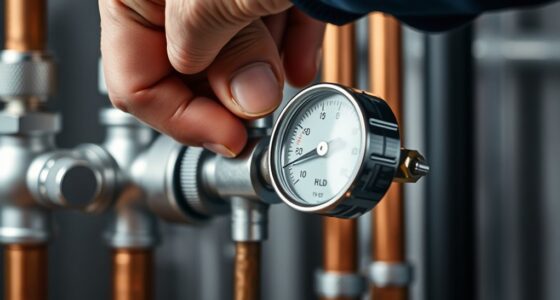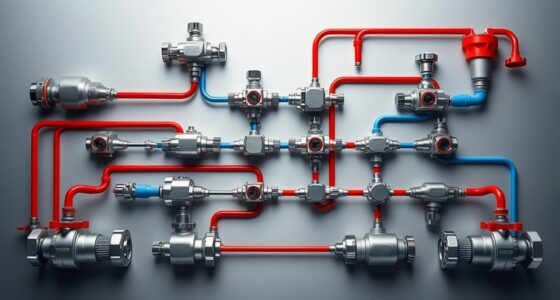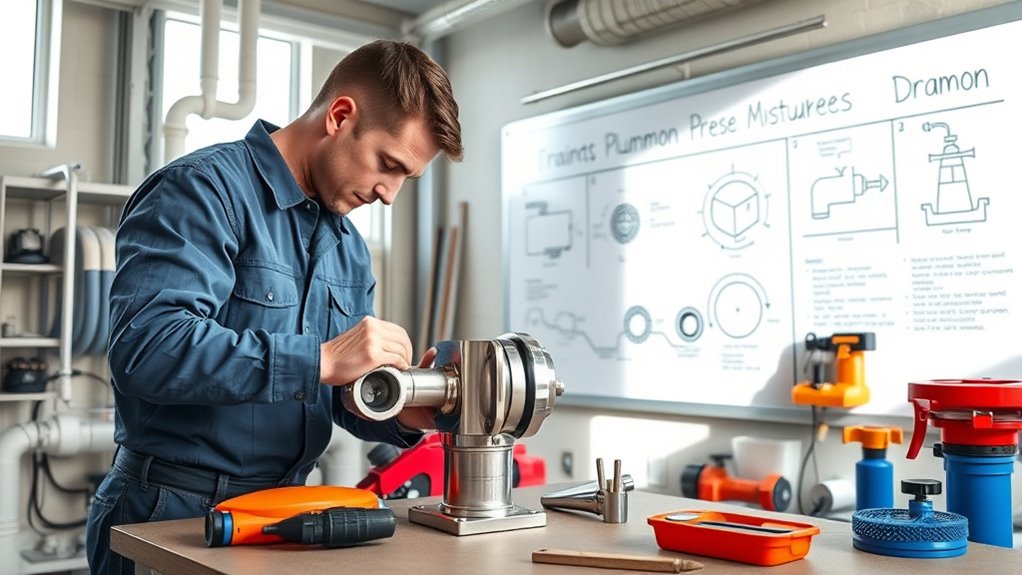

To avoid common mistakes in drain and discharge options, make certain you don’t ignore proper slope and grading, which are key for effective drainage. Choose appropriate materials suited to your environment and comply with local building codes to prevent future problems. Regular maintenance and inspections help catch issues early, while proper venting and accessible access points avoid backups and odors. Keep these tips in mind, and you’ll discover how to prevent costly errors and keep your system running smoothly.

Get home appliances delivered free — and shop member deals
- Fast, free delivery on millions of items
- Access to Prime Big Deal Days deals on October 6–7
- Prime Video, Amazon Music and more included
Key Takeaways
- Ensure proper slope and grading to facilitate effective drainage and prevent water pooling or foundation erosion.
- Select materials suited to environmental conditions to avoid leaks, corrosion, and system failures.
- Comply with local building codes and obtain necessary permits to prevent legal issues and ensure safety.
- Perform regular maintenance and inspections to detect and address issues early, prolonging system lifespan.
- Incorporate adequate venting and accessible points for inspection and maintenance to prevent backups and odors.
As an affiliate, we earn on qualifying purchases.
Ignoring Proper Slope and Grading

Ignoring proper slope and grading can lead to serious drainage problems. When you overlook the importance of proper slope, water won’t flow away efficiently, causing pooling or flooding around your property. Proper slope ensures that water moves naturally toward drains or discharge points without stagnating. Grading plays an essential role in directing water runoff away from your foundation and landscaping, preventing erosion and structural damage. If you don’t maintain the correct slope, you risk water backing up or seeping into unwanted areas. Always check that your grading directs water downhill and away from buildings. Proper slope and grading aren’t just about aesthetics—they’re indispensable for effective drainage and long-term property protection. Neglecting these elements can lead to costly repairs and ongoing drainage issues. Additionally, implementing proper drainage solutions enhances the overall effectiveness of your drainage system and protects your property from water damage.
As an affiliate, we earn on qualifying purchases.
Choosing Inappropriate Materials
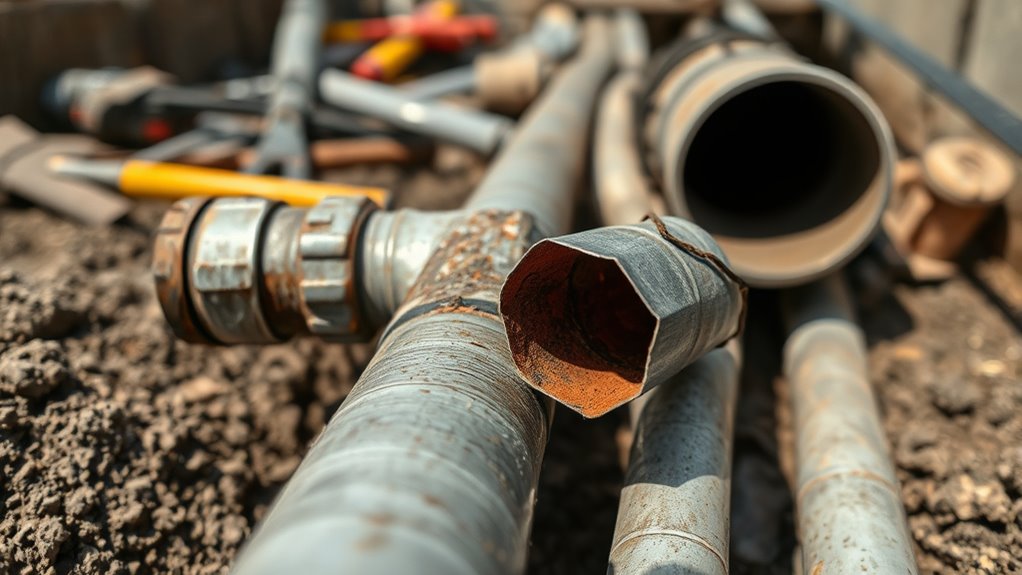
Choosing the right materials for your drain and discharge system can make or break its effectiveness. If you select incompatible materials, you risk leaks, failures, or damage over time. Material compatibility is essential to guarantee components work well together and withstand environmental conditions. For example, using plastic pipes in corrosive soil without proper corrosion resistance can lead to deterioration and costly repairs. Conversely, metal parts that aren’t corrosion-resistant may rust quickly, compromising the system’s integrity. Always assess your soil and water conditions and choose materials designed for those environments. Proper material selection helps prevent leaks, prolongs lifespan, and maintains ideal flow. Additionally, understanding how Self Watering Plant Pots operate can inform better material choices for drain and discharge components. Don’t overlook this step, as improper materials can cause significant problems and lead to expensive fixes down the line.
inspection access covers for drainage
As an affiliate, we earn on qualifying purchases.
As an affiliate, we earn on qualifying purchases.
Overlooking Local Building Codes and Regulations

Failing to adhere to local building codes and regulations can lead to serious legal and financial consequences. Ignoring local compliance rules increases the risk of code violations, which can delay projects or result in costly fines. To avoid these issues, consider:
- Researching specific codes for your area before planning your drain and discharge system.
- Consulting with local building authorities to ensure your setup meets all requirements.
- Securing necessary permits to stay compliant and avoid penalties.
- Keeping documentation of inspections and approvals for future reference.
- Staying informed about emerging technologies that could influence local regulations and standards.
As an affiliate, we earn on qualifying purchases.
Neglecting Regular Maintenance and Inspection
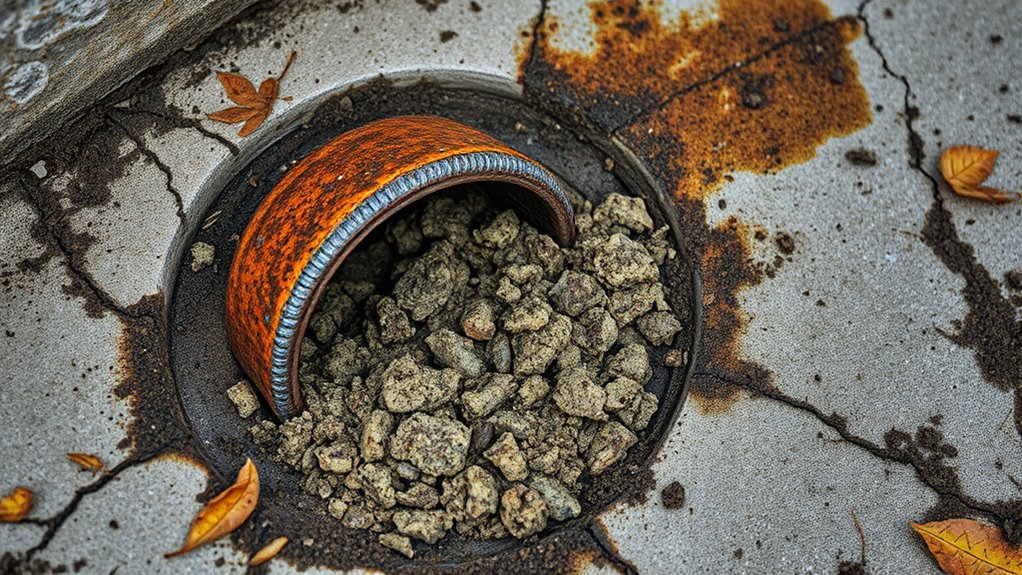
Regular maintenance and inspections are essential to keep your drain and discharge systems functioning properly. Without regular oversight, you risk inspection oversight, where small problems go unnoticed until they cause costly damage. Maintenance neglect can lead to buildup, clogs, and corrosion, weakening your system’s efficiency. By neglecting routine checks, you might miss early signs of wear or leaks that could escalate into major issues. Regular inspections help you catch problems early, saving you money and preventing system failures. Skipping these steps increases the risk of blockages, backups, and structural damage. Don’t overlook the importance of scheduled maintenance—staying proactive ensures your drain and discharge options operate smoothly and last longer. Proper system assessment and timely repairs are crucial components of maintaining optimal performance. Prioritize regular inspections to avoid costly repairs and system downtime.
Underestimating the Importance of Venting and Access Points

Venting and access points might seem like minor details, but overlooking their importance can lead to serious problems down the line. Proper venting requirements ensure drainage flows smoothly, preventing backups and pressure build-up. Equally important is access point placement, which allows for easy inspection and maintenance. If you ignore these aspects, you risk foul odors, slow drainage, or costly repairs. To avoid these issues:
- Follow venting requirements carefully to prevent siphoning and airlocks.
- Place access points where you can easily reach them for inspection.
- Use venting and access points that meet local codes and standards.
- Regularly check that vents aren’t blocked and access points are accessible.
Neglecting venting and access points compromises your entire drainage system’s efficiency and longevity.
Frequently Asked Questions
How Do Weather Conditions Affect Drain and Discharge System Performance?
Weather conditions critically impact your drain and discharge system performance. Seasonal effects like heavy rain can overwhelm your system, causing backups or leaks. Cold weather might lead to freezing, which can crack pipes and block flow. Hot, dry periods can cause soil shifts that misalign pipes. You should regularly inspect your system, especially before extreme weather, to prevent damage and guarantee smooth operation despite weather impact and seasonal effects.
What Are the Cost Implications of Improper Drain and Discharge Choices?
Choosing the wrong drain and discharge options can lead to higher costs due to frequent repairs, replacements, and potential system failures. You should conduct a thorough cost analysis to understand initial investments versus long-term expenses. Proper selection helps you manage expenses effectively, avoiding unexpected costs down the line. By making informed decisions, you ensure efficient operation, reducing maintenance expenses and maximizing your investment’s value over time.
Can DIY Installations Meet Safety Standards Without Professional Help?
They say “measure twice, cut once,” and that’s especially true for DIY safety. While you can follow installation guidelines, professional help guarantees your drain and discharge system meets safety standards. DIY safety is essential, but without proper expertise, you risk leaks or hazards. If you’re not confident, it’s smarter to hire a pro—your safety and compliance depend on it. Better safe than sorry!
How Do Future Expansion Plans Impact Initial Drain and Discharge Design?
Your future expansion plans directly impact your initial drain and discharge design by emphasizing the need for future scalability. You should incorporate extra capacity and flexible connections now, so modifications later won’t require costly upgrades. Careful expansion planning guarantees your drainage system can handle increased loads, avoiding potential backups or structural issues. By thinking ahead, you create a more adaptable system that efficiently meets your long-term needs without compromising safety or performance.
What Are Common Signs Indicating a Drain System Is Failing Prematurely?
Think of your drain system as a ticking time bomb—you’ll notice signs like frequent clogged drains and foul odors warning you of trouble. These issues often indicate the system’s failing prematurely, possibly due to buildup or improper installation. When these signs appear, it’s time to act before the problem worsens. Regular maintenance and prompt repairs can help you avoid costly damage and keep your drainage flowing smoothly.
Conclusion
Think of your drain and discharge system as the roots of a mighty tree. If you ignore proper slope, use the wrong materials, skip inspections, or neglect venting, it’s like neglecting those roots — cracks can form, stability weakens, and the whole tree suffers. But when you follow best practices, you foster a strong, healthy system. By avoiding these mistakes, you guarantee your home’s foundation remains resilient and reliable for years to come.
Fall yard work Picks
leaf blowers
As an affiliate, we earn on qualifying purchases.