
TL;DR
UT Austin researchers have developed a jacket that extracts drinkable water directly from the air. This innovation could address water scarcity issues, especially in arid regions. The technology is still in testing stages and not yet commercially available.
Researchers at the University of Texas at Austin have unveiled a prototype jacket capable of extracting drinkable water from the air, offering a potential solution to water scarcity. The development is confirmed and marks a notable advance in wearable water-harvesting technology, with implications for disaster relief, remote living, and environmental sustainability.
The jacket, designed by a team at UT Austin, uses advanced materials and micro-condensation technology to pull moisture from the atmosphere and convert it into drinking water. According to the university, the prototype can generate up to 1.5 liters of water per day in humid conditions, making it suitable for use in arid or water-scarce environments.
The technology relies on a combination of hydrophilic materials and a small, integrated condensation system powered by solar energy. The researchers have demonstrated the jacket’s ability to produce potable water in controlled laboratory settings, with ongoing tests to evaluate performance in real-world conditions.
While the team has not announced commercial plans, they emphasize the potential for scalable, wearable water-harvesting solutions that could benefit populations lacking reliable access to clean water. The development is part of broader research into sustainable, personal environmental technologies.
Innovative Wearable Solution for Water Scarcity
This development matters because it offers a portable, personal method of generating clean water, which could significantly impact regions facing drought or water shortages. It also demonstrates the potential for integrating environmental sustainability with wearable technology, opening pathways for future innovations in resource management and disaster response.
Experts suggest that if scaled effectively, this technology could reduce dependency on centralized water infrastructure, aid in emergency situations, and support remote communities. However, the current prototype’s efficiency and durability in diverse climates remain under evaluation.
wearable water harvesting jacket
As an affiliate, we earn on qualifying purchases.
As an affiliate, we earn on qualifying purchases.
Advances in Air-Water Harvesting Technologies
Research into atmospheric water generation has been ongoing for decades, with previous devices often bulky and energy-intensive. Recent innovations focus on making these systems portable and energy-efficient. The UT Austin jacket builds on prior work by integrating water-harvesting materials into wearable formats, a concept gaining interest among environmental scientists and engineers.
Similar technologies have been tested in larger, stationary systems, but wearable solutions are still emerging. Past prototypes have demonstrated feasibility but faced challenges related to cost, efficiency, and durability. The UT Austin team’s approach aims to address some of these limitations by leveraging new materials and design strategies.
“This jacket demonstrates how we can turn atmospheric humidity into a personal resource, especially in areas where water is scarce.”
— an anonymous researcher from UT Austin
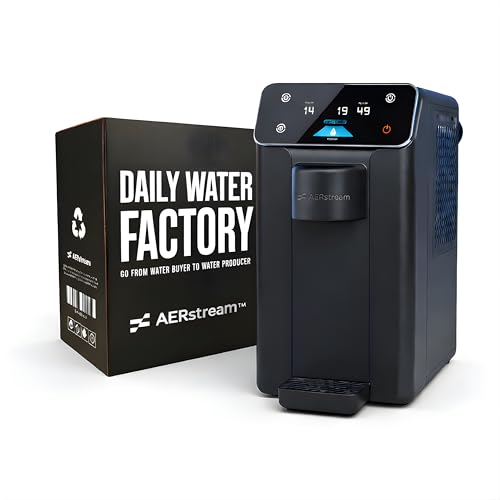
AERstream GW Pro Daily Water Factory™ Atmospheric Water Generator, 10L/Day
- Daily Water Production: Produces up to 10L of water daily
- Air-to-Water Technology: Extracts water from ambient humidity
- No Plumbing Needed: No permanent installation required
As an affiliate, we earn on qualifying purchases.
As an affiliate, we earn on qualifying purchases.
Performance and Scalability in Diverse Environments
It is not yet clear how the jacket will perform outside laboratory conditions, particularly in extremely dry or variable climates. The durability, energy consumption, and cost of mass production are still under assessment. Researchers have not yet announced plans for commercial deployment or large-scale testing.
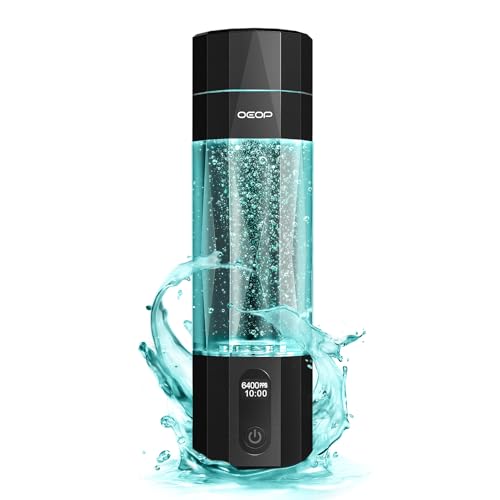
OEOP Upgrade Hydrogen Water Bottle – 6400PPB Hydrogen Water Generator, SPE/PEM Certified, 7oz Portable Hydro Water Machine, Perfect for Gym/Travel/Office & Gifts for Friends/Family(Black)
- High Hydrogen Concentration: Up to 6400 PPB for pure hydrogen water
- Efficient Gas Discharge: Discharges oxygen and residual chlorine
- Long Battery Life: 100 minutes of hydrogen production per charge
As an affiliate, we earn on qualifying purchases.
As an affiliate, we earn on qualifying purchases.
Field Testing and Commercial Development Plans
The UT Austin team plans to conduct field trials in different environmental settings to evaluate the jacket’s performance and durability. They are also exploring partnerships with organizations interested in deploying the technology for humanitarian aid and remote communities. Further research will focus on optimizing efficiency, reducing costs, and integrating the system into more user-friendly designs.
solar-powered water extraction jacket
As an affiliate, we earn on qualifying purchases.
As an affiliate, we earn on qualifying purchases.
Key Questions
How much water can the jacket produce daily?
The prototype can generate up to 1.5 liters of drinkable water per day in humid conditions, according to the university.
Is this technology ready for commercial use?
No, the technology is still in the prototype and testing phase, with further development needed before commercial deployment.
Can this jacket work in very dry environments?
The current prototype performs best in humid conditions; its effectiveness in arid or desert environments remains under evaluation.
What materials are used in the jacket?
The jacket incorporates hydrophilic materials and a micro-condensation system powered by solar energy, but specific material details are not publicly disclosed.
What are the potential applications of this technology?
Potential applications include disaster relief, remote living, military use, and sustainable personal water sources in water-scarce regions.
Source: designboom