
TL;DR
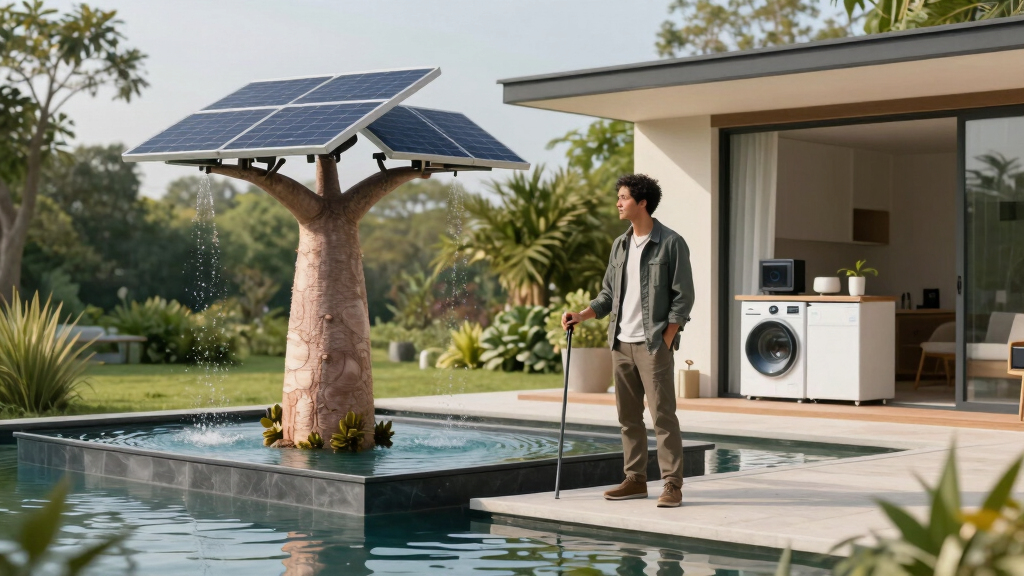
A novel floating waterfall power plant, inspired by baobab trees, has been developed off Madagascar to generate renewable energy. The project uses ocean water in a continuous waterfall system and is currently in the operational testing phase.
A new floating waterfall power plant inspired by baobab trees has begun operations off Madagascar, utilizing ocean water in a continuous waterfall system to generate renewable energy. This innovative project aims to provide a sustainable energy source for the region and demonstrates a novel approach to marine renewable power generation.
The power plant, designed by a team of engineers and architects, features a large underwater marine dome that channels ocean water through a continuous waterfall system. The design draws inspiration from the shape and resilience of baobab trees, aiming to optimize water flow and energy conversion efficiency.
Currently, the facility is in the testing and commissioning phase, with initial reports indicating successful water flow and energy output. Officials involved in the project have confirmed that the system is operating as intended, harnessing ocean currents to produce renewable electricity without emissions.
Implications of the Baobab-Inspired Ocean Power System
This development represents a significant step forward in marine renewable energy, offering a potentially scalable solution that reduces reliance on fossil fuels. The use of ocean water and the innovative waterfall design could pave the way for similar projects worldwide, especially in coastal regions with strong currents and wave activity.
Environmental advocates welcome the project as a clean energy alternative, though further assessments are needed to understand ecological impacts fully. The project also highlights the importance of biomimicry in sustainable engineering, inspired by nature’s resilient forms.

Wave Energy Devices
As an affiliate, we earn on qualifying purchases.
As an affiliate, we earn on qualifying purchases.
Background on Marine Renewable Energy Innovations
Marine renewable energy has been an area of active research, with various projects exploring tidal, wave, and current power. Traditional systems often face challenges related to environmental impact, efficiency, and cost. The recent focus has shifted towards biomimetic designs, inspired by natural forms such as trees and coral reefs, to improve performance and sustainability.
The concept of a floating waterfall system is novel, with limited precedents, but it builds upon existing wave and current energy technologies. The design’s inspiration from baobab trees, known for their robustness and water storage capacity, aims to enhance stability and resilience of the power plant in harsh marine environments.
“The design harnesses ocean currents in a way that mimics natural water flow, inspired by the resilience and structure of baobab trees, which helps us optimize energy extraction.”
— an anonymous engineer involved in the project

Wave Energy Convertors in Tropical Seas: Large Floating Structures and Power Enhancement
As an affiliate, we earn on qualifying purchases.
As an affiliate, we earn on qualifying purchases.
Uncertainties About Environmental Impact and Scalability
It is not yet clear how the project will perform over the long term, especially regarding ecological impacts on local marine life and sediment transport. Additionally, the scalability of the technology for larger energy demands remains untested, and further studies are required to evaluate environmental and economic viability.
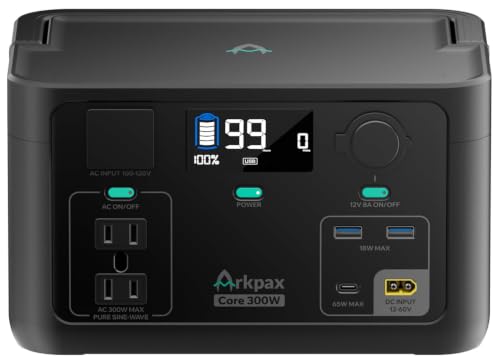
Arkpax Portable Power Station 300W, 600W Peak Backup LiFePO4 Battery 192Wh with 10ms UPS, 1Hr Fast Charge Solar Generator with 120V AC Outlet for Camping Emergency Travel Home Blackout
3 WAYS FAST RECHARGE: Recharge Core 300W power station from 0%~80% in just 1 hours with the included…
As an affiliate, we earn on qualifying purchases.
As an affiliate, we earn on qualifying purchases.
Next Steps for Testing and Potential Expansion
The project team plans to continue operational testing over the coming months, collecting data on energy output and environmental effects. If results remain positive, they will seek regulatory approval for larger-scale deployment and explore potential integration with local power grids.

Biomimicry in Architecture
As an affiliate, we earn on qualifying purchases.
As an affiliate, we earn on qualifying purchases.
Key Questions
How does the floating waterfall power plant generate electricity?
The system channels ocean water through a continuous waterfall mechanism, which drives turbines to produce electricity, inspired by the water flow and structure of baobab trees.
Is this technology environmentally friendly?
Initial assessments suggest it is a clean energy source with minimal emissions. However, detailed environmental impact studies are still underway to confirm ecological effects.
Can this system be scaled up for larger energy needs?
Scalability is currently unproven; further testing and analysis are needed to determine if larger installations can be effectively built and operated.
Where will the technology be deployed next?
If successful, the developers plan to expand to other coastal regions with strong ocean currents, aiming to establish a new class of marine renewable energy projects.
What inspired the design of this power plant?
The design draws inspiration from baobab trees, known for their resilience and water storage, to create a stable, efficient marine energy system.
Source: designboom