TL;DR
Daqo New Energy has announced a CNY 6 billion investment to build a smart energy systems manufacturing facility in Kunshan, aimed at supporting AI data centers. This marks a strategic expansion beyond its core polysilicon business, focusing on integrated energy solutions.
Daqo New Energy has announced a CNY 6 billion ($835 million) investment to establish a smart energy systems manufacturing base in Kunshan, focusing on advanced power equipment and storage solutions for AI data centers. This move marks a significant diversification from its traditional polysilicon manufacturing, aiming to develop integrated energy solutions for next-generation data infrastructure.
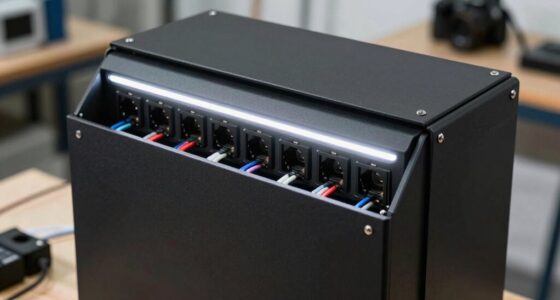
The new facility will be developed through a partnership with the Kunshan Economic and Technological Development Zone Administrative Committee, with Daqo’s subsidiary, Daqo Energy Technology (Shanghai), leading the project. The plant will concentrate on research, manufacturing, and commercialization of smart energy products, including energy storage systems, solid-state transformers, circuit breakers, and batteries, tailored for AI data centers.
According to PV Magazine sources, the project aims to support the evolving power distribution needs of AI infrastructure, aligning with China’s broader push for smart, sustainable energy solutions. The investment reflects Daqo’s strategic pivot amid declining polysilicon prices and a shifting industry landscape. The company has not yet disclosed the expected operational timeline or specific product lines but emphasized the focus on next-generation energy integration.
Strategic Diversification Beyond Polysilicon
This expansion signifies a strategic move by Daqo to diversify its revenue streams amid declining polysilicon prices, which have recently fallen by over 2% week on week. Developing advanced energy solutions for AI data centers positions Daqo to capitalize on the growing demand for reliable, efficient power management in digital infrastructure. The shift could influence other Chinese PV industry players to explore integrated energy and storage markets, potentially reshaping the sector’s focus areas.

The Green and Virtual Data Center
Used Book in Good Condition
As an affiliate, we earn on qualifying purchases.
As an affiliate, we earn on qualifying purchases.
Industry Trends Driving Daqo’s New Focus
Polysilicon prices in China have been declining, with N-type recharging polysilicon trading at approximately CNY 33,900/ton ($4,730), down 2.31% from the previous week, according to the China Nonferrous Metals Industry Association. Meanwhile, wafer prices have remained stable across major categories. Industry players like China General Nuclear Power have released procurement frameworks for PV modules, indicating ongoing demand but also price pressures in the market.
Amid these dynamics, Daqo’s move into smart energy systems aligns with broader industry trends toward integrated energy management, especially for high-demand applications such as AI data centers. The company’s investment signals a recognition that future growth may depend on diversified energy solutions beyond traditional PV manufacturing.
“Daqo’s investment in smart energy systems indicates a strategic pivot to diversify revenue streams amid polysilicon market pressures.”
— an anonymous researcher

Transformers Studio Series Deluxe Class 97 Airazor Toy, Rise of the Beasts, 4.5-Inch, Action Figure for Boys & Girls Ages 8 and Up
TRANSFORMERS STUDIO SERIES DELUXE CLASS: These 4.5-inch collectible action figures inspired by iconic movie scenes and designed with…
As an affiliate, we earn on qualifying purchases.
As an affiliate, we earn on qualifying purchases.
Details on Project Timeline and Product Scope
It is not yet clear when the Kunshan smart energy systems manufacturing base will become operational, nor the specific product lines that will be prioritized at launch. Further details on project milestones and market strategy are still emerging.

Smart Circuit Breaker with Energy Monitoring, Adjustable Voltage and Current Protection (1-63 Amp),AC Disconnect Current Adjustable Voltage Protector
Tailored Protection: Customize overvoltage, undervoltage, and overcurrent values to suit your specific requirements.
As an affiliate, we earn on qualifying purchases.
As an affiliate, we earn on qualifying purchases.
Next Steps and Industry Implications
Daqo is expected to finalize project timelines and begin construction activities in the coming months. Industry observers will monitor whether the company’s new focus on integrated energy solutions influences competitors and how this diversification impacts its financial performance amid polysilicon price fluctuations.

ECO-WORTHY Powermega 48V 314Ah(2 Pack) LiFePO4 Battery Energy Storage, Active Balancing 200A BMS, Aerosol Fire Protection, LCD with Bluetooth and WiFi, RS485/CAN/RS232 for Off-Grid Solar, Home Backup
Version Update Notice: The former 48V 314Ah V1 is now upgraded to Powermega 48V 314Ah, featuring newly added…
As an affiliate, we earn on qualifying purchases.
As an affiliate, we earn on qualifying purchases.
Key Questions
Why is Daqo investing in smart energy systems now?
Daqo aims to diversify its business amid declining polysilicon prices and capitalize on the growing demand for integrated energy solutions in AI data centers.
What types of products will the new facility develop?
The facility will focus on energy storage systems, solid-state transformers, circuit breakers, and batteries designed for next-generation power management in digital infrastructure.
How does this move affect Daqo’s core polysilicon business?
While it diversifies the company’s portfolio, it may also serve as a hedge against polysilicon market volatility, with no immediate indication of reduced polysilicon production plans.
Will this expansion impact the Chinese PV industry overall?
Potentially, as it signals a broader industry shift toward integrated energy and storage solutions, which could influence market dynamics and investment trends.
When will the new manufacturing base be operational?
Details on the project timeline are still emerging; no specific date has been announced for startup or commercial production.
Source: PV Magazine