
Thermal imaging plays a key role in smart plumbing diagnostics by helping you detect leaks, insulation issues, and moisture behind walls or beneath floors without invasive procedures. It shows heat patterns to quickly identify problem areas, saving you time and money on repairs. Plus, it allows for real-time, contactless inspections, making maintenance safer and more efficient. Keep exploring to discover how thermal imaging can make your plumbing system smarter and more reliable.

Get home appliances delivered free with Prime
- Fast, free delivery on millions of items
- Prime Video, Amazon Music and more included
- Member-only deals all year
Key Takeaways
- Thermal imaging enables non-invasive detection of leaks, moisture intrusion, and insulation issues in plumbing systems.
- It provides real-time visual data for quick, accurate diagnosis, reducing the need for disruptive inspections.
- Integrating thermal imaging into smart diagnostics enhances early issue detection and system monitoring.
- It helps optimize energy efficiency by identifying heat loss areas and insulation deficiencies.
- Thermal imaging supports preventative maintenance, extending plumbing system lifespan and reducing repair costs.
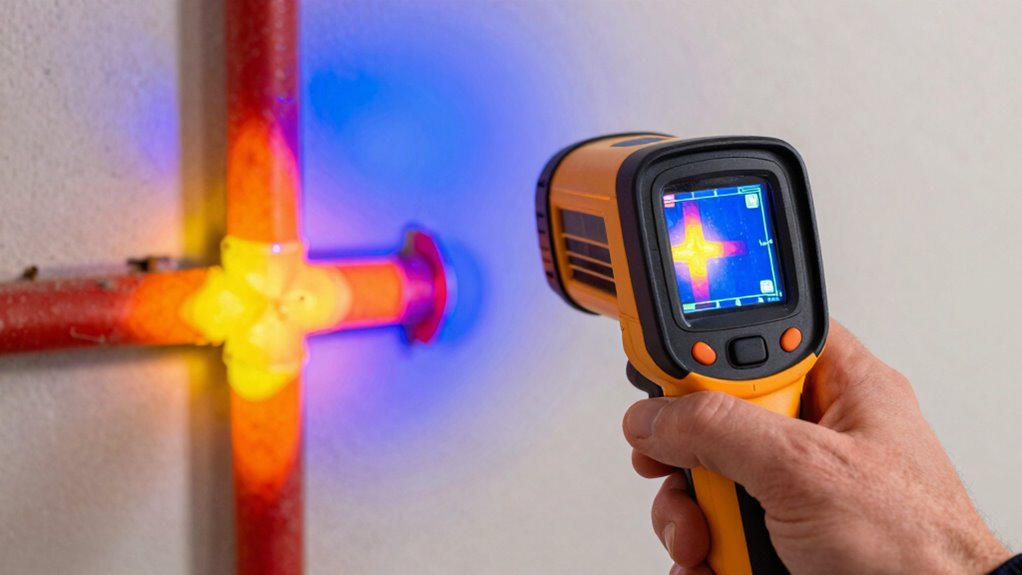
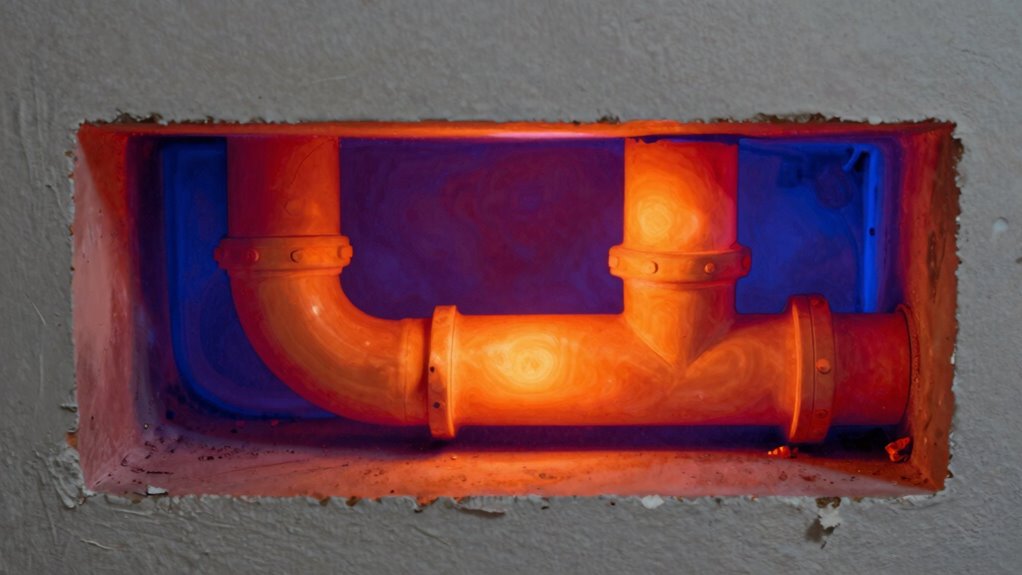
Thermal imaging has become an invaluable tool for plumbing diagnostics, allowing you to identify issues quickly and accurately without invasive procedures. When you utilize thermal cameras, you gain the ability to see heat patterns that reveal hidden problems behind walls or beneath floors. This technology is especially effective in evaluating pipe insulation quality, as it highlights areas where insulation may be lacking or compromised. Poor insulation can cause pipes to lose heat, making them vulnerable to freezing during winter or inefficiencies that increase energy costs. With a thermal scan, you can pinpoint sections where insulation isn’t performing well, enabling targeted repairs that improve overall system efficiency and prevent future damage. heat patterns revealed through thermal imaging provide critical insights that traditional inspection methods might miss. Leak detection is another critical application where thermal imaging shines. Water leaks often go unnoticed until they cause significant damage, but thermal cameras help you catch leaks early by revealing temperature differences caused by moisture intrusion. When pipes leak, the escaping water or moisture can create localized cooling spots on the surface, which thermal imaging easily detects. This allows you to identify leaks behind walls, in ceilings, or under floors without the need to tear into structures unnecessarily. Detecting leaks early means you can address them before they lead to mold growth, structural deterioration, or costly repairs, saving both time and money. Using thermal imaging as part of your smart plumbing diagnostics approach also enhances overall system maintenance. It’s a non-contact method, so you don’t have to disturb your plumbing system or shut off water supplies to perform inspections. This makes routine checks faster and less disruptive. With a handheld thermal camera, you can scan entire plumbing networks efficiently, spotting anomalies that would be difficult to detect with conventional methods. The technology provides real-time insights, so you get immediate visual evidence of issues, empowering you to make informed decisions about repairs or upgrades. Furthermore, thermal imaging supports energy efficiency efforts by highlighting areas where pipe insulation isn’t effective. Poor insulation not only affects the temperature of your water but also contributes to energy waste, as heating systems work harder to compensate for heat loss. By identifying these weak spots, you can improve insulation in specific areas, reducing energy costs and extending the lifespan of your plumbing infrastructure. Additionally, proper handling and understanding of laboratory equipment and chemical safety are essential when working with thermal imaging devices and conducting inspections. Overall, thermal imaging seamlessly integrates into smart plumbing diagnostics, offering a precise, non-invasive way to maintain, troubleshoot, and optimize your plumbing system with confidence. Additionally, understanding the benefits of thermal imaging can help you appreciate its value as a diagnostic tool in modern plumbing maintenance.
thermal imaging camera for plumbing
As an affiliate, we earn on qualifying purchases.
As an affiliate, we earn on qualifying purchases.
Frequently Asked Questions
Can Thermal Imaging Detect Hidden Leaks Behind Walls?
Yes, thermal imaging can detect hidden leaks behind walls by revealing areas of wall moisture caused by leaks or hidden cracks. You’ll see temperature differences where water is present, making it easier to identify problem spots without invasive repairs. This technology helps you locate concealed leaks quickly, preventing further damage and mold growth. It’s an efficient, non-invasive way to pinpoint issues that are otherwise invisible to the naked eye.
Is Thermal Imaging Safe for Use Around Electrical Systems?
Yes, thermal imaging is generally safe around electrical systems when used properly. You should prioritize electrical safety by keeping a safe distance and avoiding direct contact with live wires. Regular thermal camera calibration guarantees accurate readings, reducing risk. When handled carefully, thermal cameras provide a safe, silent, and sensitive solution to spot heat anomalies without disturbing electrical systems or risking shocks, making them a smart, safe choice for diagnostics.
How Accurate Is Thermal Imaging in Diagnosing Pipe Blockages?
Thermal imaging is quite accurate in diagnosing pipe blockages, especially when considering pipe material and thermal resolution. You can detect temperature differences caused by blockages, which vary depending on pipe material like plastic or metal. Higher thermal resolution enhances accuracy, allowing you to spot subtle temperature changes. While not perfect, thermal imaging provides a reliable, non-invasive way to identify obstructions, saving you time and avoiding unnecessary damage.
What Equipment Is Required for Professional Thermal Plumbing Inspections?
Ever wondered what equipment makes a professional thermal plumbing inspection possible? You’ll need a high-quality thermal camera, which requires proper calibration to guarantee accuracy. Alongside, inspection equipment maintenance is essential to keep devices functioning at their best. You might also use accessories like tripod mounts or ladders for better angles. This gear helps you precisely detect issues, saving time and avoiding unnecessary pipe repairs. Isn’t it worth investing in superior equipment for reliable diagnostics?
Can Thermal Imaging Identify Insulation Issues in Plumbing Systems?
Yes, thermal imaging can identify insulation gaps in plumbing systems. When insulation isn’t properly installed or has gaps, it causes temperature differences that thermal cameras can detect. By visualizing these temperature variations, you can pinpoint areas where the thermal barrier isn’t effective, helping you address potential issues like heat loss or freezing risks. This technology makes diagnosing insulation problems quick and accurate, ensuring your plumbing system remains efficient.
As an affiliate, we earn on qualifying purchases.
Conclusion
By now, you see how thermal imaging isn’t just a fancy gadget—it’s a game-changer in plumbing diagnostics. Some skeptics might think it’s too high-tech or unnecessary, but evidence shows it quickly spots leaks and blockages that traditional methods miss. Embracing this technology could save you time, money, and headaches. So, next time you face plumbing issues, trust that thermal imaging’s proven efficiency makes it a smart, reliable choice.
infrared thermal inspection camera
As an affiliate, we earn on qualifying purchases.
As an affiliate, we earn on qualifying purchases.
As an affiliate, we earn on qualifying purchases.
Cold & flu season Picks
humidifiers
As an affiliate, we earn on qualifying purchases.