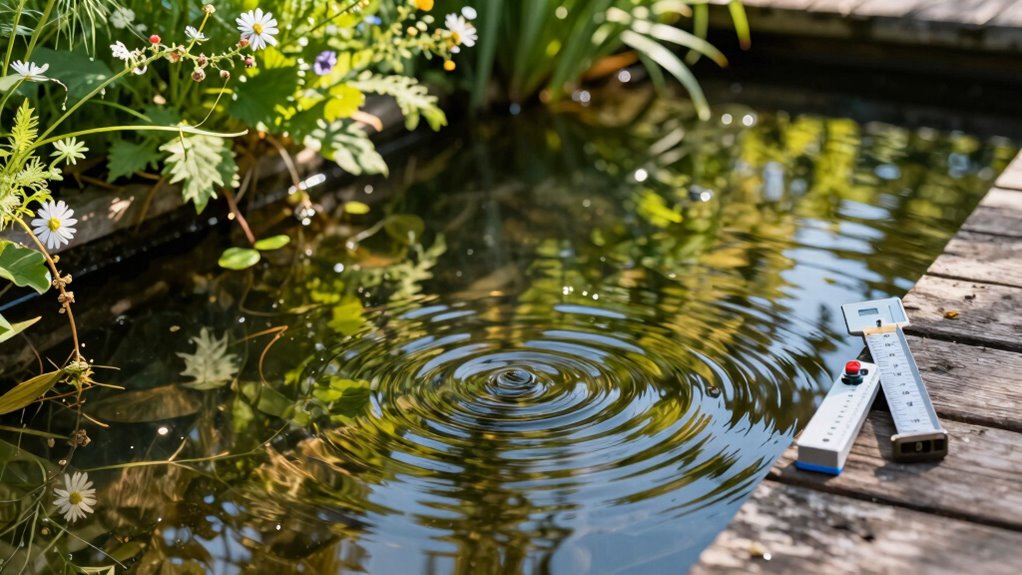
To avoid common well-water overcorrection, you should regularly test your water, especially pH levels, and make small, incremental adjustments. Avoid guesswork and follow product instructions carefully. Re-test after each change to verify your water stays within a safe pH range of 6.5 to 8.5. Be cautious with chemical doses, as overapplication can cause damage. If you keep these tips in mind, you’ll better maintain balanced water chemistry; keep exploring to learn more.

Get home appliances delivered free — and shop member deals
- Fast, free delivery on millions of items
- Access to Prime Big Deal Days deals on October 6–7
- Prime Video, Amazon Music and more included
Key Takeaways
- Test water regularly to monitor pH and other parameters before making adjustments.
- Make small, incremental chemical adjustments and re-test after each change.
- Follow manufacturer instructions carefully to avoid overapplication of pH balancing agents.
- Avoid guessing dosages; consult professionals for complex water chemistry issues.
- Address multiple water parameters comprehensively to prevent imbalances and overcorrection.
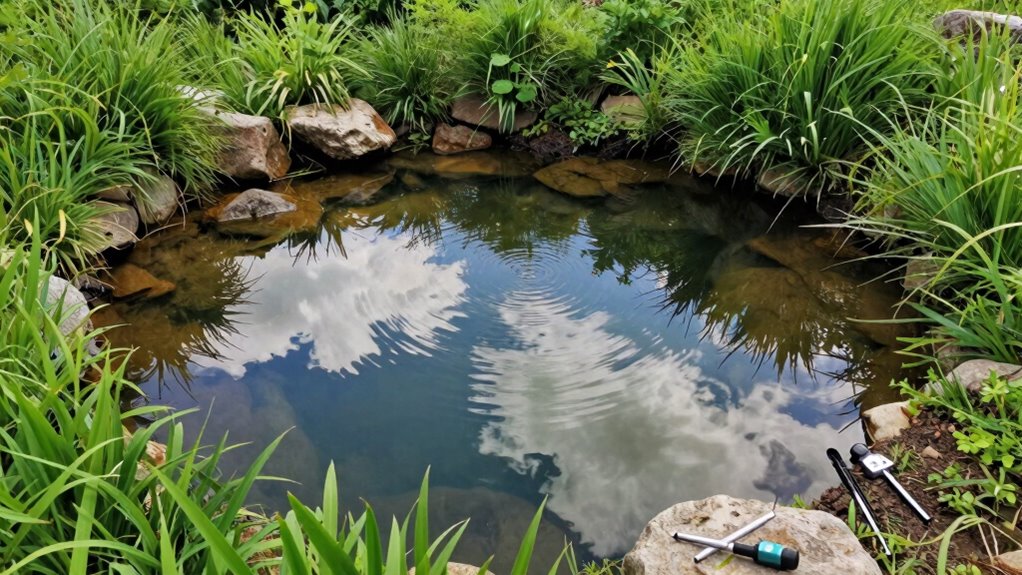
Overcorrecting well water can lead to serious issues, but you can prevent this by understanding the proper procedures and testing methods. One of the most effective ways to do this is through regular water testing. Testing helps you identify the current state of your water’s chemical balance, especially pH levels, which are vital for maintaining safe, healthy water. When you test your water, you get a clear picture of what needs adjusting, preventing overcorrection. Remember, water testing isn’t a one-time task; it should be part of your ongoing maintenance routine to catch any fluctuations early. Consistent testing ensures you stay ahead of potential problems before they escalate. Once you’ve tested your water, focus on pH balancing. The ideal pH range for well water is typically between 6.5 and 8.5. If your testing reveals that your water’s pH is outside this range, it’s tempting to make quick adjustments. However, overcorrecting can cause more harm than good. For example, adding too much pH increaser or decreaser can swing the levels drastically, leading to corrosion of pipes or mineral buildup. To avoid this, make small, incremental adjustments and re-test after each change. This approach allows you to fine-tune the pH gradually, guaranteeing it stays within a safe and effective range. It’s also important to use the right products for pH balancing. Not all chemicals are created equal, and selecting the appropriate pH adjusters based on your test results is key. Follow the manufacturer’s instructions carefully, and don’t guess how much to add. Overapplication is a common mistake that leads to overcorrection. If you’re unsure, consult with a water treatment professional who can guide you through the proper procedures. They can help you interpret test results accurately and recommend the correct dosage, saving you from costly mistakes. In addition to water testing and pH balancing, consider the overall mineral content and other parameters of your well water. Sometimes, issues like high iron, manganese, or other contaminants can interact with pH levels, compounding problems. Regular testing helps you monitor these elements, so you can address any imbalances promptly. Understanding water chemistry is crucial in comprehending how different parameters interact and influence your water quality. Additionally, understanding testing methods can help you choose the most accurate and reliable techniques for ongoing monitoring. Moreover, staying informed about water treatment techniques can help you implement the most effective solutions tailored to your specific water quality issues.
As an affiliate, we earn on qualifying purchases.
Frequently Asked Questions
What Are the Signs of Overcorrected Well Water?
If your well water is overcorrected, you might notice a change in taste, odor, or color, indicating imbalance. You could see skin irritation or staining on fixtures, which results from chemical reactions during water treatment. These signs point to excess chemicals, so monitor your water quality regularly. Recognizing these symptoms helps you prevent overcorrection, ensuring safe, balanced water without harmful chemical reactions affecting your health or home.
How Quickly Can Overcorrection Impact Water Quality?
You might see water quality decline within days of overcorrection, as contamination risks increase rapidly. Overcorrection can cause chemical imbalances that promote bacterial growth or mineral buildup, affecting safety. Quick treatment strategies, like flushing and adjusting chemical levels, are essential to restore water quality. It’s vital to monitor your well closely after adjustments, because the impact on water safety can happen surprisingly fast, sometimes within just a few days.
Are There Specific Chemicals to Avoid During Correction?
You should avoid chemicals that can cause harmful chemical interactions, like excessive chlorine or iron salts, which may worsen water quality. Instead, consider treatment alternatives such as aeration or UV purification, which are less likely to cause overcorrection. Always test your water first to identify specific contaminants and choose treatments that target those issues effectively without introducing new problems. This approach helps guarantee safe, balanced well-water.
Can Overcorrection Be Reversed Once It Occurs?
Yes, overcorrection can be reversed, but it’s like turning back a tide—you need swift action. If you notice signs of well water contamination due to overcorrection, use effective filtration methods like activated carbon or reverse osmosis to remove excess chemicals. Promptly addressing the issue prevents long-term damage, restoring your water’s balance. Remember, quick intervention is key to preventing contamination from becoming a persistent problem.
How Often Should Well Water Be Tested for Safety?
You should test your well water at least once a year to guarantee safety. Regular testing helps identify common well water contaminants like bacteria, nitrates, and heavy metals. Follow testing frequency schedules recommended by local health authorities or the EPA, especially if you notice changes in water taste, smell, or appearance. Consistent testing keeps you informed and helps prevent health risks from contaminated water sources.
As an affiliate, we earn on qualifying purchases.
Conclusion
To avoid overcorrecting your well water, stay vigilant with regular testing and gradual adjustments. For example, if your water’s pH is too low, slowly raise it rather than making drastic changes, preventing sudden imbalances. Remember, consistent monitoring and a cautious approach protect both your water quality and your health. By taking these steps, you guarantee your well remains safe and reliable, just like a homeowner who carefully balanced their water chemistry and avoided costly overcorrection.
As an affiliate, we earn on qualifying purchases.
As an affiliate, we earn on qualifying purchases.
NFL season / tailgating Picks
team gear
As an affiliate, we earn on qualifying purchases.