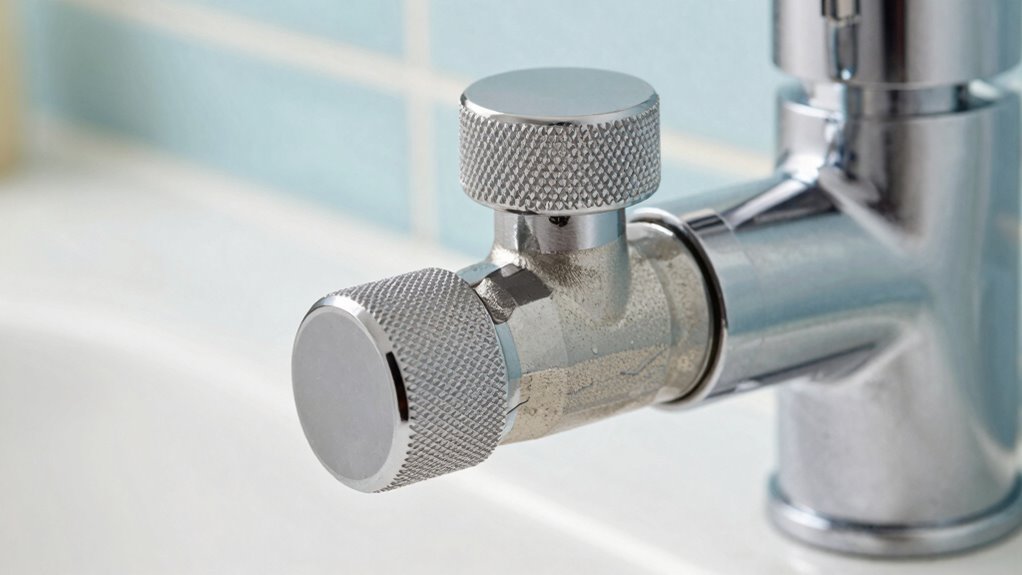

A mixing valve safeguards both your safety and comfort by blending hot and cold water to maintain a consistent, safe temperature. It prevents scalding and thermal shocks, especially important for children, elderly, or those with sensitive skin. Regular maintenance guarantees the valve functions properly, avoiding mineral buildup or corrosion that can impair performance. Properly maintained mixing valves keep your water safe and comfortable; continue exploring to learn essential tips for keeping yours in top condition.

Get home appliances delivered free — and shop member deals
- Fast, free delivery on millions of items
- Access to Prime Big Deal Days deals on October 6–7
- Prime Video, Amazon Music and more included
Key Takeaways
- A properly calibrated mixing valve blends hot and cold water to maintain safe, consistent temperatures and prevent scalding.
- Regular inspection and maintenance ensure the valve functions correctly, avoiding temperature fluctuations and safety hazards.
- Safety features like anti-scald mechanisms shut off hot water if temperatures exceed safe limits.
- Mineral buildup and corrosion are monitored to prevent impaired valve performance and maintain comfort.
- Proper installation and timely repairs preserve the valve’s ability to protect users from burns and thermal shocks.
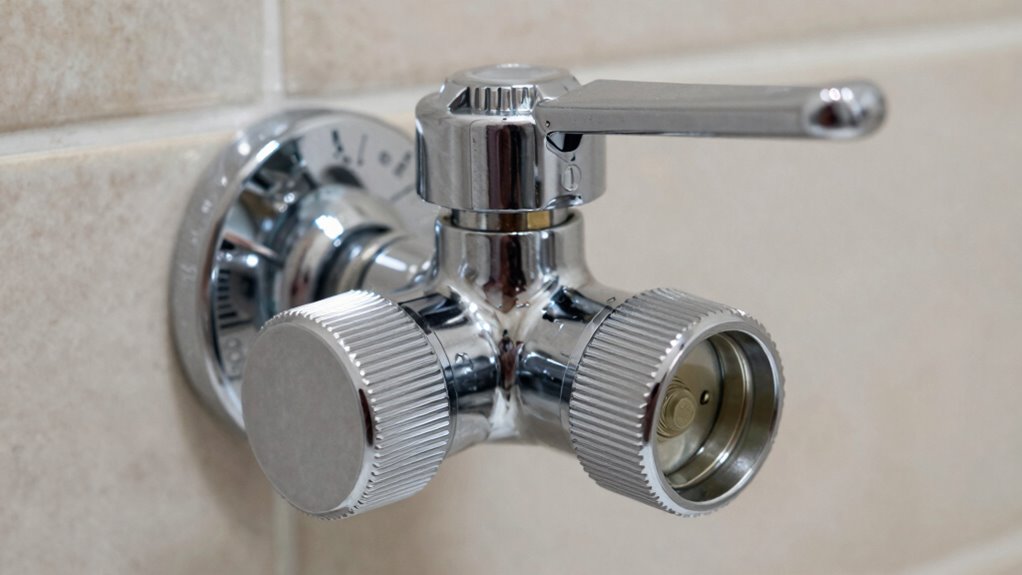
A mixing valve plays a critical role in guaranteeing safe and comfortable water temperatures in your plumbing system. It blends hot and cold water to provide a consistent, safe flow, preventing scalding and thermal shock. When functioning correctly, it ensures every faucet delivers water at a temperature that’s both comfortable and safe, especially important in homes with children, elderly residents, or anyone sensitive to temperature extremes. Proper temperature regulation is the key to avoiding burns and guaranteeing a pleasant shower or bath experience. However, this relies heavily on regular valve maintenance, which keeps the system operating smoothly and prevents potential safety hazards.
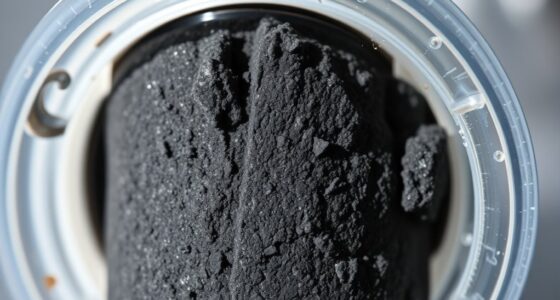
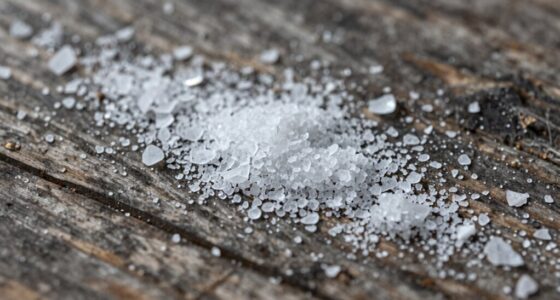
Over time, mineral deposits, corrosion, and wear can impair the mixing valve’s ability to regulate temperature accurately. If not maintained, the valve might become stuck, allowing excessively hot water to pass through or, conversely, reducing water temperature to an uncomfortable level. Regular inspection and valve maintenance are essential in catching issues early before they compromise safety or comfort. During maintenance, you should check for leaks, corrosion, and the condition of internal components. If you notice any irregularities, replacing or repairing the valve promptly will restore proper temperature regulation. Additionally, understanding the causes of mineral buildup can help you take preventative steps to extend the lifespan of your valve, such as installing water softeners or filters. Regularly flushing the system can also help remove accumulated debris and minerals, maintaining optimal performance.
Regular maintenance prevents valve sticking and ensures safe, consistent water temperatures.
A well-maintained mixing valve not only provides safety but also improves overall plumbing efficiency. When the valve functions correctly, it reduces the strain on your water heater by preventing unnecessary fluctuations and maintaining steady water temperatures. This can also help prevent energy waste by ensuring your water heater operates optimally. This helps conserve energy and extends the lifespan of your appliances. Additionally, guaranteeing the valve is clean and debris-free prevents blockages that could interfere with water flow and temperature control. Regular maintenance also involves checking for wear and tear, which can lead to malfunctions if overlooked. Staying on top of these maintenance tasks can save you from costly repairs and inconvenience down the line. Properly maintaining the valve and understanding water quality factors can further enhance its longevity and performance.
You should schedule routine valve maintenance at least once a year, especially if you live in an area with hard water, which accelerates mineral buildup. During this process, it’s a good idea to flush the system and replace any worn parts. If you’re unsure how to perform maintenance, consulting a professional plumber can save you time and ensure the job is done properly. Remember, a small investment in regular upkeep can prevent larger, more costly repairs down the line. Properly maintained valves also contribute to energy efficiency, helping reduce utility bills and environmental impact.
In essence, the key to safeguarding both safety and comfort in your home’s water system lies in proper temperature regulation through diligent valve maintenance. By staying proactive, you keep your water at a safe, comfortable temperature while prolonging the life of your plumbing components. This simple yet essential step ensures that your daily routines remain safe, enjoyable, and hassle-free.
As an affiliate, we earn on qualifying purchases.
Frequently Asked Questions
How Often Should Mixing Valves Be Inspected or Serviced?
You should inspect and service your mixing valve at least once a year to guarantee proper temperature regulation and safety. Regular checks help confirm it meets installation guidelines and functions correctly, preventing scalding or discomfort. If you notice any irregularities, like inconsistent water temperature or leaks, you might need to service it sooner. Staying proactive keeps your system safe, efficient, and comfortable year-round.
Can Mixing Valves Be Used for Outdoor or Exposed Installations?
Yes, you can use mixing valves for outdoor or exposed installations. Interestingly, outdoor durability is essential since exposure considerations like weather, UV rays, and debris can impact performance. Choose valves specifically rated for outdoor use, guaranteeing they resist corrosion and temperature fluctuations. Proper installation and maintenance help these valves withstand harsh conditions, maintaining safety and comfort. Always verify the manufacturer’s specifications to confirm suitability for outdoor or exposed environments.
What Are the Common Signs of a Failing Mixing Valve?
If your mixing valve is failing, you’ll notice issues with temperature regulation, like inconsistent or suddenly hot or cold water. You might also hear strange noises or see leaks around the valve. These signs indicate your valve’s lifespan is ending, and it needs replacing. Regular maintenance can help catch problems early, ensuring your system continues to provide safe, comfortable water without sudden temperature fluctuations.
Are There Different Types of Mixing Valves for Various Applications?
Yes, there are different types of mixing valves designed for various applications, mainly to guarantee proper temperature regulation and flow control. You might use thermostatic mixing valves for precise temperature control in domestic or commercial settings, while pressure-balancing valves help maintain consistent flow and temperature when water pressure fluctuates. Selecting the right type depends on your specific needs, ensuring safety, comfort, and efficient performance in your plumbing system.
How Does Water Pressure Affect Mixing Valve Performance?
Water pressure fluctuations can impact mixing valve performance by causing inconsistent water temperature and flow. When pressure varies, the valve might struggle to maintain a steady mix, leading to discomfort or safety concerns. Proper valve calibration helps counteract these fluctuations, guaranteeing consistent performance. Regularly checking and adjusting the calibration ensures the mixing valve adapts smoothly to pressure changes, keeping your water temperature safe and comfortable at all times.
As an affiliate, we earn on qualifying purchases.
Conclusion
Think of the mixing valve as a gentle guardian, quietly ensuring your comfort and safety with every shower. It’s the unsung hero that keeps your home’s temperature steady, like a steady hand guiding you through a storm. When you trust this small but mighty device, you’re embracing peace of mind and cozy warmth amid life’s unpredictable waves. With it in place, every shower becomes a safe haven—warm, inviting, and perfectly tailored just for you.
As an affiliate, we earn on qualifying purchases.
As an affiliate, we earn on qualifying purchases.
Fall yard work Picks
leaf blowers
As an affiliate, we earn on qualifying purchases.