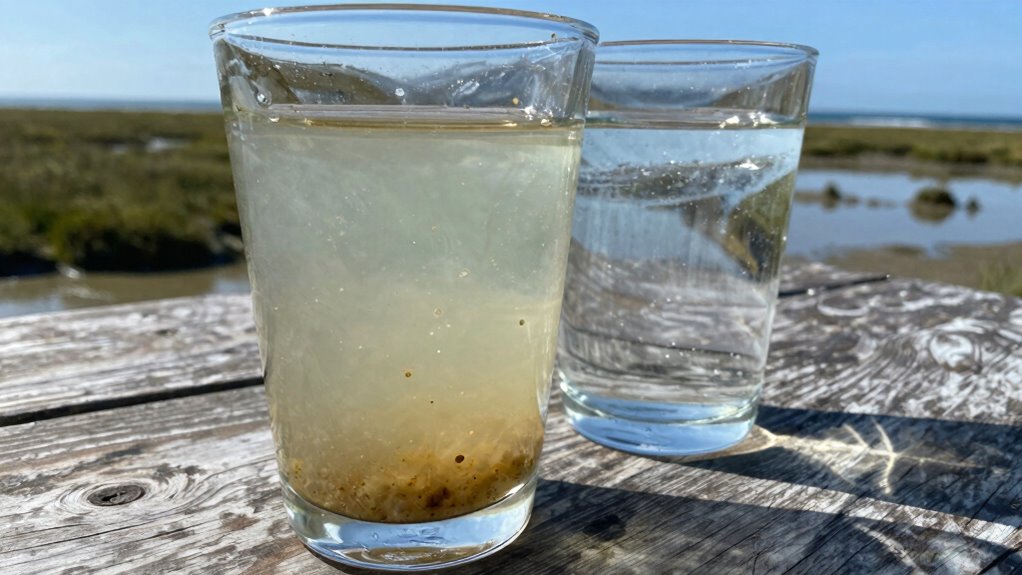

Brackish water needs different expectations at home because its mix of salts and minerals challenges both your aquatic life and equipment. You can’t treat it like freshwater; you must carefully monitor salinity, mineral content, and stability to prevent stress or death in your species. Maintenance is more demanding, with frequent cleaning and adjustments needed. The ecosystem’s health depends on understanding these differences, and if you keep exploring, you’ll gain valuable insights to manage your brackish setup successfully.

Get home appliances delivered free — and shop member deals
- Fast, free delivery on millions of items
- Access to Prime Big Deal Days deals on October 6–7
- Prime Video, Amazon Music and more included
Key Takeaways
- Brackish water has higher mineral and salt content, requiring specialized treatment and management practices at home.
- Different species are needed, as not all freshwater plants and animals can tolerate increased salinity.
- Maintaining stable salinity levels is crucial, demanding regular testing and careful adjustments.
- Increased mineral buildup necessitates more frequent cleaning of equipment and substrates.
- Ecosystem stability depends on understanding and managing the unique salinity and mineral requirements.
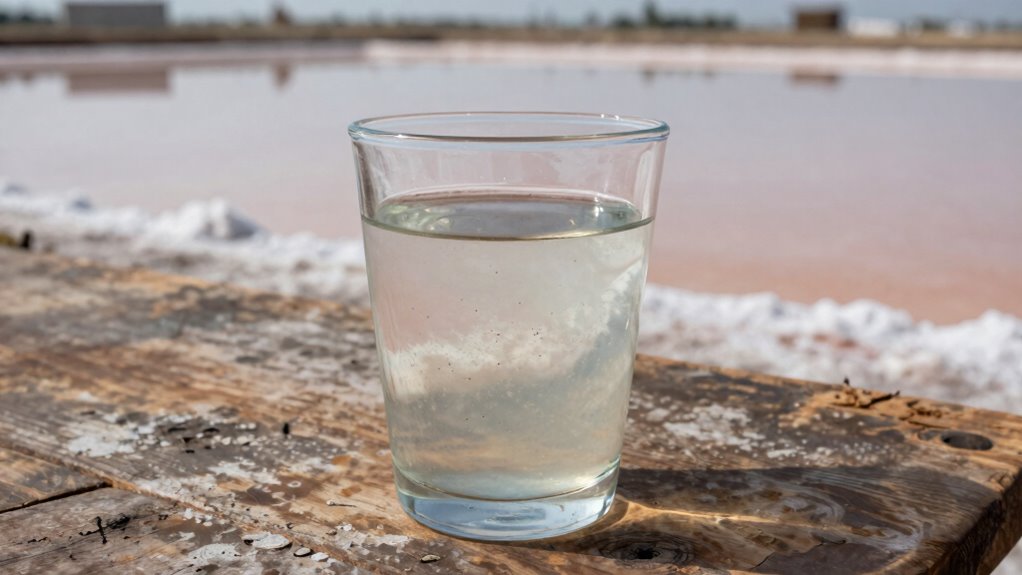
If you’re considering using brackish water at home, it’s important to understand what to expect. Brackish water isn’t just ordinary freshwater; it contains a mix of salt and other minerals that can challenge the plants, animals, or systems you plan to support. Unlike freshwater, which has very low salt levels, brackish water demands a different approach, especially when it comes to compatibility and managing salt levels. You need to be aware that not all aquatic life or plants will thrive in this environment, and knowing the specifics of freshwater compatibility is essential for a successful setup.
One of the key considerations with brackish water is salt tolerance. Many freshwater species are highly sensitive to salt, so if you’re planning to keep aquatic organisms, you must carefully select species that can handle higher salinity levels. Some fish and invertebrates are naturally more tolerant and can adapt over time, but others will quickly become stressed or die if exposed to even moderate salt levels. When setting up a system, you must understand the specific salt tolerance considerations of each species and not assume that freshwater organisms will simply survive in brackish conditions. This means doing research and gradually adjusting the salinity to allow your aquatic life to adapt, rather than making sudden changes that could harm them.
Understanding species’ salt tolerance is crucial; gradual adjustments help aquatic life adapt safely to brackish water environments.
Additionally, when working with brackish water, it’s essential to monitor salt levels consistently. Even small fluctuations can cause significant stress for your aquatic inhabitants. Regular testing of the water’s salinity and mineral content helps you maintain a stable environment. You’ll also need to consider the source of your water—whether it’s from a well, tap, or other supply—and how it’s treated or mixed to achieve the desired brackish conditions. If your goal involves freshwater compatibility, you must remember that some plants or animals might only tolerate certain ranges of salinity, and exceeding those can lead to poor health or death. Proper salinity management is critical to prevent sudden changes that could negatively impact your setup. Maintaining a stable mineral content is equally important, as fluctuations can affect both water chemistry and organism health. It’s also beneficial to understand the long-term effects of salinity levels on your ecosystem to prevent gradual deterioration over time.
In terms of practical expectations, you should be prepared for increased maintenance and monitoring. The mineral content in brackish water can cause buildup in equipment and substrates, requiring more frequent cleaning. You’ll also need to adjust your expectations about the diversity of species that can coexist in this environment. While some freshwater species can adapt, many cannot, and you’ll likely find a more limited selection than in pure freshwater systems. Additionally, understanding biodiversity considerations is crucial for creating a balanced ecosystem that can sustainably thrive in brackish conditions. Overall, understanding salt tolerance considerations and carefully managing salinity levels will be vital to creating a healthy, sustainable environment at home with brackish water.
brackish water aquarium salt mix
As an affiliate, we earn on qualifying purchases.
As an affiliate, we earn on qualifying purchases.
Frequently Asked Questions
Can Brackish Water Be Safely Used for Drinking Purposes?
No, brackish water can’t be safely used for drinking without proper water purification. Its high salt content makes it unsafe and potentially harmful. You need to treat it through processes like reverse osmosis or distillation to remove excess salt and contaminants. Without proper purification, drinking brackish water can cause health issues such as dehydration and electrolyte imbalance. Always make sure your water is properly purified before consumption.
How Often Should I Test Brackish Water Quality at Home?
Think of your brackish water like a delicate dance partner—you need to stay in sync. You should test water salinity and quality at least once a month to catch any changes early. During heavy rain or drought, increase testing frequency to make certain the water remains safe and balanced. Regular testing helps you prevent issues, keeping your water safe and your system running smoothly.
Are Special Filters Required for Brackish Water Treatment?
Yes, special filters are required for brackish water treatment. You should choose filters designed to handle higher salinity levels, which improve filtration efficiency and effectively remove salts and impurities. These filters may require more frequent maintenance to guarantee peak performance. Regular cleaning and timely replacement are essential because brackish water can clog filters faster. Investing in the right filtration system helps maintain water quality and prolongs filter lifespan.
What Are the Health Risks of Using Untreated Brackish Water?
They say, “Better safe than sorry,” and untreated brackish water can pose serious health risks. You risk exposure to health contaminants like bacteria, viruses, and chemicals, which can cause illnesses. Salt accumulation can also lead to dehydration and kidney issues. Using untreated brackish water without proper filtration increases these dangers, so always treat it before use to protect your health and well-being.
How Does Brackish Water Impact Household Plumbing Systems?
Brackish water can cause significant impacts on your household plumbing systems. It accelerates corrosion issues, damaging pipes and fixtures over time. Additionally, it promotes pipe scaling, leading to clogs and reduced water flow. These problems can increase maintenance costs and decrease the lifespan of your plumbing. To protect your system, you should consider installing appropriate water treatment solutions that address the unique challenges posed by brackish water.
As an affiliate, we earn on qualifying purchases.
Conclusion
Just as sailors once navigated treacherous, unpredictable seas, you must approach brackish water with patience and respect. Its unique blend demands more than just routine treatment; it calls for careful adjustments and mindful management. Remember, what’s murky and uncertain in your home’s water can be as essential and life-giving as the ocean’s depths. Embrace these challenges, and your home will flourish like a well-tended ship steady on its course through shifting tides.
brackish water fish tank equipment
As an affiliate, we earn on qualifying purchases.
As an affiliate, we earn on qualifying purchases.
marine mineral supplement for aquariums
As an affiliate, we earn on qualifying purchases.
As an affiliate, we earn on qualifying purchases.
Fall Picks
fall essentials
As an affiliate, we earn on qualifying purchases.