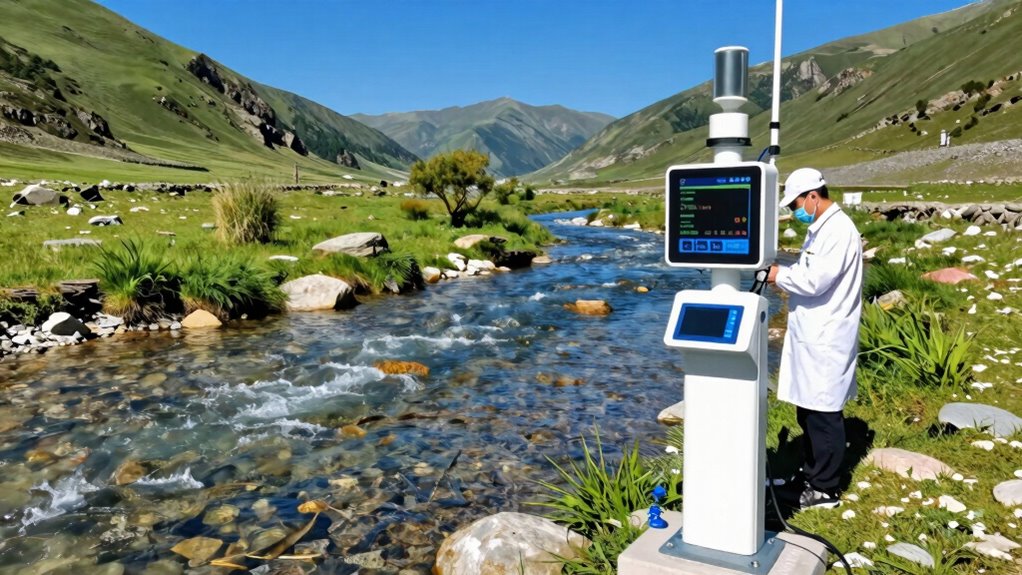

To drive first-stage decisions, focus on reliable water quality data like pH, turbidity, dissolved oxygen, and contaminant levels to understand pollution sources and water health. Additionally, analyze water usage patterns across sectors to spot high demand and inefficiencies. Monitoring temporal and seasonal trends helps spot early signs of stress or contamination. Using advanced collection techniques like remote sensing guarantees accuracy. Continued exploration reveals how to prioritize and use this data effectively for sustainable water management.

Get home appliances delivered free with Prime
- Fast, free delivery on millions of items
- Prime Video, Amazon Music and more included
- Member-only deals all year
Key Takeaways
- Prioritize water quality parameters to identify immediate pollution issues and ensure safe water standards.
- Analyze current water usage patterns to pinpoint high-demand areas and optimize resource allocation.
- Monitor temporal and seasonal trends for early detection of emerging risks or infrastructure failures.
- Use reliable sensors and remote sensing data for real-time insights and swift decision-making.
- Align data collection with project goals, focusing on relevant indicators to support targeted, sustainable interventions.
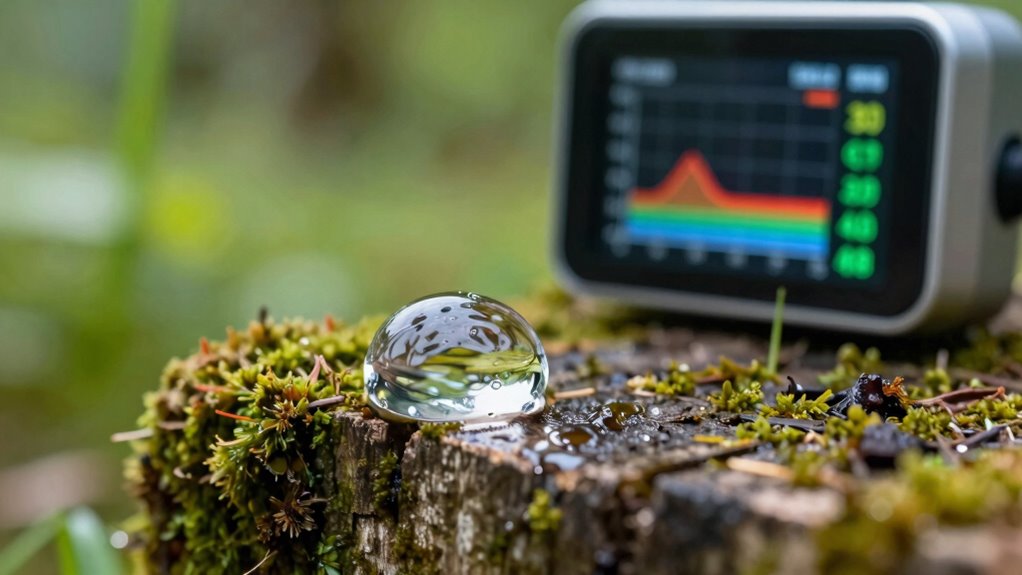
Making effective first-stage decisions in water management is crucial because these initial choices set the foundation for subsequent actions and outcomes. At this stage, you need to focus on the most relevant water data that can inform your strategy and guarantee sustainable resource use. The first and most critical aspect is understanding water quality. You can’t manage what you don’t measure, so gathering accurate data on parameters like pH, turbidity, dissolved oxygen, and contaminant levels is essential. This information helps identify pollution sources, assess the health of water bodies, and determine whether treatment processes need adjustment. Without reliable water quality data, you risk making decisions that could worsen existing issues or ignore emerging threats, leading to costly remediation later on.
Understanding water quality through accurate data is essential for effective, sustainable water management decisions.
Alongside water quality, understanding usage patterns forms the backbone of effective initial decision-making. Usage data reveals how water is being consumed across different sectors, such as residential, industrial, agricultural, and ecological. By analyzing these patterns, you gain insight into peak demand times, areas of high consumption, and potential inefficiencies. This information guides you in allocating resources wisely, designing targeted interventions, and prioritizing areas that need immediate attention. For example, if usage patterns indicate excessive water use during dry seasons, you might implement conservation measures or explore alternative sources to reduce strain on existing supplies. Additionally, integrating data on water data collection methods can improve the accuracy and reliability of this information, ensuring better decision-making. Incorporating remote sensing and sensor networks can significantly enhance your real-time data collection capabilities, providing more comprehensive insights. Employing advanced data analysis techniques can further optimize how you interpret complex water data sets. Furthermore, the integration of diverse data sources allows for a more holistic view of water management challenges, enabling more informed and adaptive strategies.
You should also pay attention to temporal trends and seasonal variations in water data. Monitoring how water quality and usage change over time enables you to anticipate future challenges and adapt your strategies proactively. Regular data collection and analysis help you detect early warning signs of water stress, contamination, or infrastructure failure, allowing for timely intervention. Moreover, integrating data from various sources—like remote sensing, sensor networks, and field surveys—provides a comprehensive picture of the water system’s health and performance. This integrated approach ensures your decisions are based on robust, multidimensional information.
Additionally, considering the importance of biodiversity in water ecosystems can enhance the effectiveness of your management strategies, as healthy water bodies support diverse ecological communities. Lastly, you need to factor in the context and goals of your water management project. Whether your priority is improving water quality, reducing consumption, or enhancing ecosystem health, the water data you gather should directly inform those objectives. Clear, targeted data collection avoids information overload and helps you stay focused on what truly matters. When you leverage relevant water quality and usage pattern data from the outset, your first-stage decisions become more precise, effective, and sustainable, laying the groundwork for long-term success and resilience in water management.
As an affiliate, we earn on qualifying purchases.
Frequently Asked Questions
How Often Should Water Data Be Collected for Effective Decision-Making?
You should collect water data frequently enough to guarantee sensor calibration remains accurate and data accuracy is maintained. For most scenarios, daily or weekly data collection works well, but during critical periods like storms or droughts, increase the frequency. Regular calibration checks help prevent drift, ensuring your data stays reliable for decision-making. Consistent, accurate data allows you to respond promptly and effectively to changing water conditions.
What Are the Costs Associated With Collecting Comprehensive Water Data?
Collecting extensive water data involves costs like equipment, labor, and analysis, which can be significant. To manage these costs effectively, focus on data accuracy by prioritizing critical measurements that influence decision-making. Balance thoroughness with cost management, ensuring you gather enough reliable data without overspending. Regularly review your data collection methods to optimize resource use, making sure your investments lead to meaningful insights for first-stage decisions.
How Can Water Data Be Integrated Across Different Regions or Agencies?
You might think regional collaboration and data standardization are just buzzwords, but they’re essential for integrating water data across regions and agencies. By adopting common standards and sharing platforms, you facilitate seamless data exchange and better decision-making. It’s ironic how the biggest hurdles—different formats and policies—can be overcome with a bit of cooperation. Embracing these strategies guarantees your water data works together, not against itself, for more effective management.
What Privacy Concerns Arise With Water Data Collection and Sharing?
You should be aware that collecting and sharing water data raises privacy concerns related to data security and consent protocols. Ensuring data is protected from breaches is essential, and implementing clear consent protocols allows individuals and organizations to control their information. By prioritizing these aspects, you can promote trust and transparency, encouraging cooperation while safeguarding sensitive data from misuse or unauthorized access.
How Do Climate Change Impacts Influence Water Data Priorities?
Oh, climate change, that charming guest who never leaves, demands your urgent focus on climate adaptation and drought forecasting. You must prioritize water data that predicts severe droughts and tracks shifting weather patterns, so communities can brace for the inevitable chaos. By doing so, you’ll enhance resilience, optimize resource allocation, and hopefully, prevent the next water crisis from turning into an apocalyptic saga. After all, foresight beats disaster every time.
As an affiliate, we earn on qualifying purchases.
Conclusion
By focusing on the right water data, you can make smarter first-stage decisions that improve resource management. For example, nearly 70% of freshwater is used for agriculture, highlighting the importance of precise data to optimize consumption. When you leverage accurate, timely information, you not only conserve water but also enhance sustainability and efficiency. So, prioritize the data that truly drives your decisions, ensuring better outcomes for communities and ecosystems alike.
remote sensing water monitoring device
As an affiliate, we earn on qualifying purchases.
As an affiliate, we earn on qualifying purchases.
As an affiliate, we earn on qualifying purchases.
Cold & flu season Picks
humidifiers
As an affiliate, we earn on qualifying purchases.