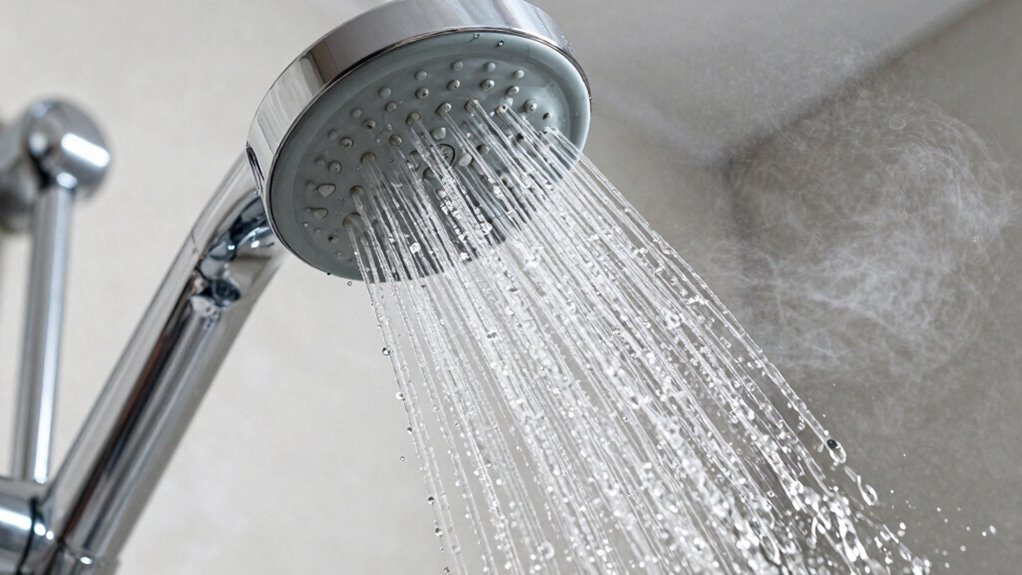
Many believe that high water pressure means a healthier plumbing system, but that’s a myth. Excessive pressure can actually cause leaks, pipe damage, and appliance failures. Keeping pressure in the recommended range (40-60 psi) prevents these problems and extends your system’s life. Lower pressure isn’t always bad—it can improve efficiency and reduce waste. Recognizing that “strong” doesn’t equal “healthy” can save you costly repairs. Explore the facts below to understand the real link between pressure and plumbing health.
Key Takeaways
- High water pressure can cause leaks and damage, whereas balanced pressure ensures system longevity.
- “Strong” water flow often indicates underlying pipe issues, not better performance.
- Excessive pressure wastes water, increases costs, and strains plumbing fixtures.
- Proper regulation, not maximum pressure, promotes healthy and efficient plumbing systems.
- Maintaining optimal pressure (40-60 psi) is safer and more effective than simply increasing flow strength.
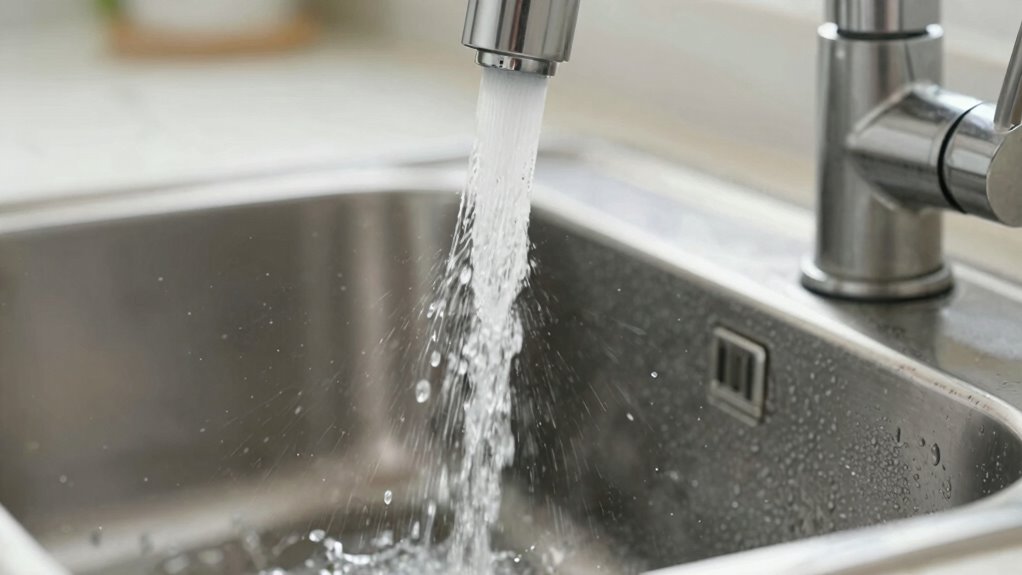
Many people believe they know everything about water pressure, but several common myths can lead to misunderstandings and unnecessary concerns. When it comes to water pressure, many assume that higher pressure always means better or healthier plumbing. This isn’t true. In fact, misconceptions about water pressure often stem from irrigation myths and plumbing misconceptions that overlook the importance of balance and proper regulation.
You might think that increasing water pressure will improve your shower or kitchen faucet’s performance, but that’s a misconception. Excessively high water pressure can strain your pipes, fixtures, and appliances, leading to leaks, bursts, or early wear and tear. Conversely, low water pressure can cause inconvenience but isn’t necessarily a sign of a problem—sometimes, it’s just about the right setting. Many people overlook that ideal water pressure typically falls within a specific range, usually between 40 and 60 psi (pounds per square inch). Going outside this range, especially on the high end, can cause more harm than good.
Understanding irrigation myths is vital here. Many homeowners believe that increasing outdoor watering pressure will make their sprinkler systems more efficient. However, this is a myth. Excess pressure can cause uneven watering, overspray, and water wastage. It can also damage sprinkler heads and lead to costly repairs. Proper pressure regulation is essential for effective irrigation, and simply turning up the pressure doesn’t necessarily improve your landscape’s health. Instead, it often results in unnecessary water use and potential damage.
Plumbing misconceptions also contribute to misunderstandings about water pressure. Some think that if their water flow slows down, they need to increase pressure, but the problem might be a clogged pipe, a faulty valve, or sediment buildup. In such cases, boosting pressure won’t fix the underlying issue and can even exacerbate damage. It’s better to identify the root cause and address it directly. Installing a pressure regulator or a pressure-reducing valve can help maintain a safe and efficient water flow, preventing unnecessary stress on your plumbing system. Additionally, understanding pressure regulation is key to maintaining system longevity and efficiency.
Ultimately, the idea that “strong” water pressure equals better or healthier plumbing is a myth. Proper water pressure isn’t about maximum force; it’s about maintaining a balanced, safe level that protects your pipes and ensures efficient operation. Recognizing irrigation myths and plumbing misconceptions helps you avoid costly mistakes and ensures your plumbing system functions effectively without risking damage. Your goal should be a consistent, appropriate water pressure that supports your household needs without excess or deficiency.
Frequently Asked Questions
How Can I Measure My Household Water Pressure Accurately?
To measure your household water pressure accurately, start by using a pressure gauge, which you can attach to a hose bib or outdoor faucet. For more detailed readings, consider a flow meter that measures water flow and pressure simultaneously. Make sure to test at different times of the day to get an average, and consult a professional if you notice inconsistent readings or unusually high or low pressure.
What Are the Risks of Having Very High Water Pressure?
Having very high water pressure can lead to pressure-related damage in your plumbing, causing leaks, bursts, and costly repairs. It also wastes water, making it harder to conserve effectively. You might notice increased utility bills and potential water damage risks. To prevent these issues, consider installing a pressure regulator to maintain safe levels, protecting your pipes and reducing unnecessary water use.
Does Low Water Pressure Indicate Plumbing Problems?
Yes, low water pressure often signals plumbing problems, like hidden leaks or clogs. Think of your pipes as a garden hose; if the flow is weak, something’s blocking the way. A plumbing inspection can reveal issues, and pressure regulators might need adjusting to restore proper flow. Ignoring low pressure can lead to bigger troubles, so it’s best to catch these signs early and get your system checked out.
Can Adjusting Water Pressure Save Me Money on Bills?
Yes, adjusting your water pressure can save you money on bills. Many water pressure myths suggest that higher pressure equals better performance, but it actually strains your plumbing and wastes water. By optimizing your water pressure, you improve plumbing efficiency and reduce unnecessary water usage. This not only lowers your water bills but also extends the lifespan of your pipes and fixtures, making your system more cost-effective in the long run.
Are There Health Risks Linked to Water Pressure Levels?
High water pressure can increase the risk of waterborne illnesses if your pipes aren’t properly maintained or if contaminants are present. Excessive pressure may cause leaks, allowing bacteria and other pathogens to enter your water supply. Using water filtration systems helps reduce these risks by removing harmful substances. To stay safe, keep your water pressure at a healthy level and regularly check your plumbing for signs of issues.
Conclusion
Don’t be duped by the delusion that higher water pressure equals better health. Remember, weak water can wash away dirt, while too much pressure can cause costly damage. Be wise and wary of water pressure myths; prioritize proper pressure for a safe, sustainable, and satisfying shower. Stay smart, stay safe, and let’s dispel the deception—because when it comes to water, moderation matters most.