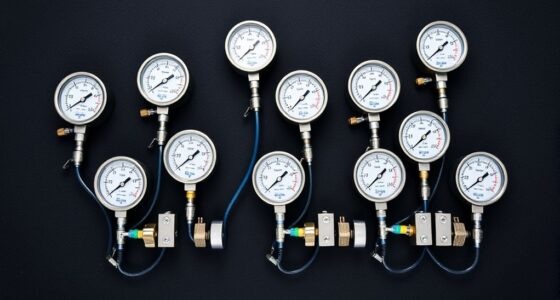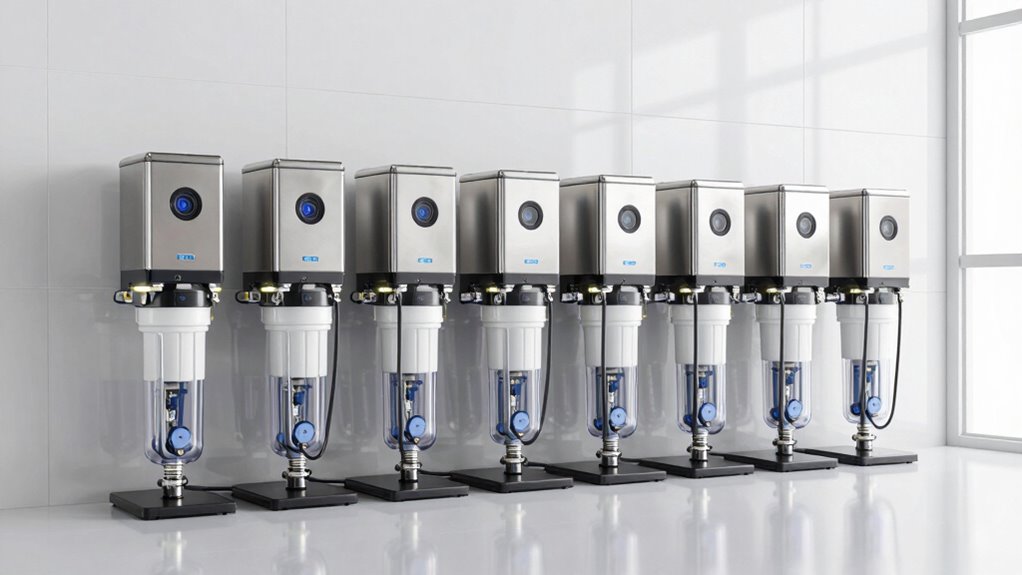
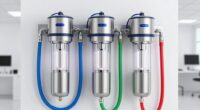
When searching for a whole house reverse osmosis system, the goal is clear: reliable, high-quality water for every tap in your home. The WF3-01 3-Stage Whole House Water Filtration System stands out as the best overall pick, offering comprehensive filtration that balances performance and cost. For those prioritizing high flow rates, the Waterdrop G3P600 Tankless RO System delivers impressive 600 GPD, making it ideal for large households. Meanwhile, the Aquasure Whole House Water Filtration Bundle combines filtration with water softening for added convenience. Most systems face a tradeoff: higher performance often means increased complexity or higher upfront costs. Keep reading for a detailed breakdown of these options and what suits your specific needs best.
Open a free Amazon Business account
Business pricing, bulk buying and tax-exempt orders.
Create a free accountAs an affiliate, we earn on qualifying purchases.
Complete the kit

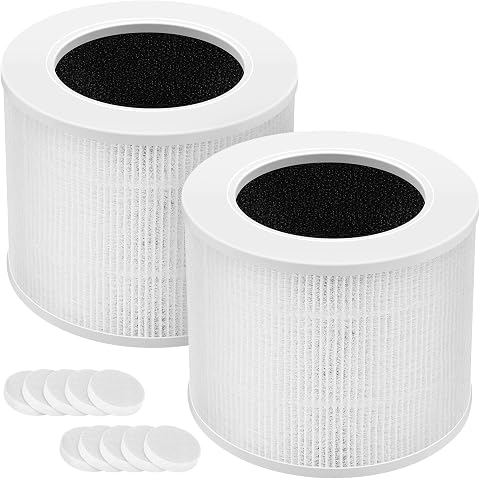

Key Takeaways
- The top-ranked system balances filtration quality with ease of installation and maintenance.
- Flow rate is a critical factor; higher GPD models suit larger families or high-demand homes.
- Some systems include additional features like water softening or alkaline pH enhancement, adding value but increasing cost.
- Tankless models save space and reduce maintenance but may require higher water pressure.
- Price ranges vary significantly, with premium systems offering advanced features and lower-cost options providing basic but reliable filtration.
| WF3-01 3-Stage Whole House Water Filtration System | 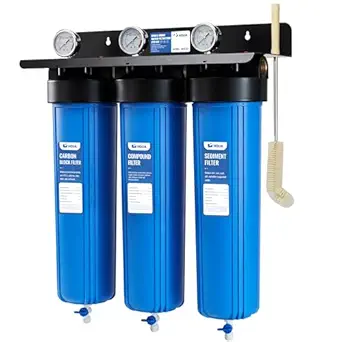 | Best Overall for Comprehensive Whole House Filtration | Filter Dimensions: 20″×5.5″ | Overall Dimensions: 31″ high × 23″ wide × 8″ deep | Flow Rate: 15 gpm | VIEW ON AMAZON | See Our Full Breakdown |
| Waterdrop WD-T4-A Alkaline pH+ Reverse Osmosis Water Filter, 10-Stage, NSF/ANSI 372 Certified, Tankless, 450GPD |  | Best for Alkaline and Space-Saving RO | Filtration Stages: 10 | Capacity: 450 gallons | Flow Rate: 450GPD | VIEW ON AMAZON | See Our Full Breakdown |
| Aquasure Whole House Water Filtration Bundle with Water Softener, 75 GPD RO System & Dual Purpose Sediment/GAC Pre-Filter | 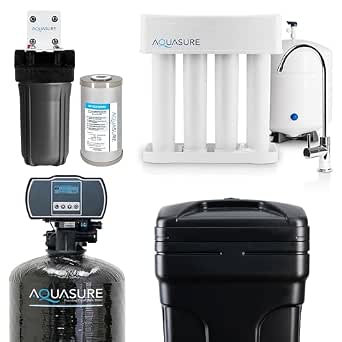 | Best for Whole Home Softening and Filtration | Water Softener Capacity: 72,000 grains | GPD: 75 GPD | Number of Bathrooms: 1-6 | VIEW ON AMAZON | See Our Full Breakdown |
| iSpring WGB32B Commercial-Grade Whole House Water Filter System |  | Best for Heavy-Duty, Commercial-Grade Filtration | Filtration Capacity: 100,000 gallons | Flow Rate: 15 GPM | Inlet/Outlet Size: 1 inch | VIEW ON AMAZON | See Our Full Breakdown |
| Waterdrop G3P600 Tankless Reverse Osmosis Water Filter System, 600 GPD |  | Best for High-Volume, Space-Saving RO | Filtration stages: 8 | Capacity: 600 gallons per day | Drain ratio: 2:1 low drain ratio | VIEW ON AMAZON | See Our Full Breakdown |
| iSpring CRO1000 4-Stage Tankless Commercial Reverse Osmosis Water Filtration System |  | Best for High-Volume Commercial or Large-Scale Residential Use | Flow Rate: 0.7 GPM | Capacity: 1000 gallons | Filter Life Cycle: 3 months | VIEW ON AMAZON | See Our Full Breakdown |
| iSpring RCC7AK-BN NSF Certified 75 GPD Alkaline 6-Stage Reverse Osmosis System |  | Best for Balanced, Healthy Drinking Water with Mineral Content | Capacity: 75 gallons | Flow Rate: 284 liters per day | Filter Life Cycle: 6 months | VIEW ON AMAZON | See Our Full Breakdown |
| whole house reverse osmosis system | Flow Rate | Capacity |
|---|---|---|
| WF3-01 3-Stage Whole House Wat | 15 gpm | — |
| Waterdrop WD-T4-A Alkaline pH+ | 450GPD | 450 gallons |
| Aquasure Whole House Water Fil | — | — |
| iSpring WGB32B Commercial-Grad | 15 GPM | — |
| Waterdrop G3P600 Tankless Reve | 0.42 gpm | 600 gallons per day |
| iSpring CRO1000 4-Stage Tankle | 0.7 GPM | 1000 gallons |
| iSpring RCC7AK-BN NSF Certifie | 284 liters per day | 75 gallons |
More Details on Our Top Picks
WF3-01 3-Stage Whole House Water Filtration System
This system stands out for its robust 3-stage filtration, effectively reducing heavy metals, chlorine, sediments, and VOCs, making it a solid choice for those seeking safer, better-tasting water throughout the entire home. Compared with the iSpring WGB32B, it offers more detailed pressure monitoring and flexible maintenance options, but it is larger and requires more space for installation. Its multiple filters and gauges enable easier long-term upkeep, yet manual monitoring is necessary to ensure optimal performance. This pick makes the most sense for homeowners who prioritize thorough filtration and are prepared for a somewhat larger system.
Pros:- Effectively removes heavy metals and chemicals for safer water
- Includes pressure gauges and timers for easy maintenance
- Flexible setup with multiple filters and adapters
Cons:- Large size may require significant space for installation
- No mention of filter replacement cost or frequency
- Requires manual maintenance and monitoring
Best for: Homeowners needing reliable, comprehensive whole house filtration with detailed maintenance control
Not ideal for: Small homes with limited space or those seeking a lightweight, space-saving solution
- Filter Dimensions:20″×5.5″
- Overall Dimensions:31″ high × 23″ wide × 8″ deep
- Flow Rate:15 gpm
- Maximum Operating Pressure:116 psi
- Maximum Temperature:125 °F
- Supported Water TDS Level:500 ppm
Our verdict“This system is ideal for those who want thorough, customizable filtration and can accommodate a larger setup.”
Waterdrop WD-T4-A Alkaline pH+ Reverse Osmosis Water Filter, 10-Stage, NSF/ANSI 372 Certified, Tankless, 450GPD
This model excels by combining 10-stage filtration with a dual water flow system that provides both purified and mineral-enhanced alkaline water, ideal for health-conscious households. Its tankless, space-saving design makes it more suitable for smaller under-sink spaces than larger traditional systems like the iSpring WGB32B. However, its reliance on electrical power and complex setup might challenge less experienced users, and the dual flow feature adds to maintenance complexity. It is best suited for users who want high capacity, mineralization, and modern features in a compact form.
Pros:- Dual water flow options for purified and alkaline water
- High capacity with 450GPD flow rate
- Tankless design saves space and reduces contamination risk
- Smart filter life indicators for maintenance
Cons:- Requires electrical connection for operation
- Faucet installation involves countertop drilling
- Setup may be complex for some users
Best for: Health-conscious consumers wanting alkaline water with space efficiency and smart features
Not ideal for: Homeowners who prefer simple, manual systems or lack electrical outlets under the sink
- Filtration Stages:10
- Capacity:450 gallons
- Flow Rate:450GPD
- Pure to Drain Ratio:2:1
- Dimensions:16.54″L x 6.22″W x 17.95″H
- Filter Life:CF filter: 6 months; RO membrane: 24 months
Our verdict“Ideal for those seeking advanced, space-efficient RO with mineralization and smart features, despite some installation complexity.”
Aquasure Whole House Water Filtration Bundle with Water Softener, 75 GPD RO System & Dual Purpose Sediment/GAC Pre-Filter
This bundle offers a comprehensive approach by combining a high-capacity water softener with a high-efficiency 75 GPD reverse osmosis system and multi-purpose pre-filter, making it well-suited for larger households with varied water quality needs. Compared to the iSpring WGB32B, it provides softening benefits that protect appliances from scale, but its initial setup is more involved and the annual filter replacements add ongoing costs. It’s best for homes that need both softening and detailed filtration rather than just basic removal of contaminants.
Pros:- Provides soft, clean, and great-tasting water throughout the home
- Includes high-efficiency reverse osmosis for purified drinking water
- Automatic digital control for easy maintenance
- Protects appliances from scale buildup and sediment damage
Cons:- Installation may require professional setup
- Filter replacements needed every 6-12 months
- Initial cost can be high
Best for: Families with multiple bathrooms and well or municipal water who want combined softening and filtration
Not ideal for: Single-bathroom homes or those seeking a low-cost, simple filtration setup
- Water Softener Capacity:72,000 grains
- GPD:75 GPD
- Number of Bathrooms:1-6
- Pre-Filter Type:Sediment/GAC/Zinc
- System Features:Auto backwash, regeneration
- Warranty:5 years
Our verdict“Best suited for larger households seeking both water softening and thorough filtration with automated controls.”
iSpring WGB32B Commercial-Grade Whole House Water Filter System
This system offers high flow capacity and heavy-duty filtration to ensure clean, odor-free water across large homes or small commercial settings. It removes up to 99% of chlorine, rust, sediments, and odors, outperforming smaller residential filters like the Waterdrop in capacity and durability. Its 1-year filter lifespan and 15 GPM flow rate make it suitable for continuous use, but its weight and size demand significant space and some technical knowledge for installation. It’s ideal for homes with high water demands or those wanting a commercial-grade solution.
Pros:- Effective removal of chlorine, sediments, and odors
- High flow rate suitable for whole house use
- Long-lasting filters with 1-year lifespan
- DIY installation guides available
Cons:- Heavy system weighing 45 pounds
- Requires significant space for installation
- Initial setup may require technical skills
Best for: Homes with high water volume needs or small commercial applications requiring durable filtration
Not ideal for: Small residences with limited space or homeowners seeking a lightweight, easy-to-install system
- Filtration Capacity:100,000 gallons
- Flow Rate:15 GPM
- Inlet/Outlet Size:1 inch
- Filter Dimensions:20″ x 4.5″
- Maximum TDS Level:300 PPM
- Filter Life:1 year
Our verdict“Best for large households or commercial setups needing durable, high-capacity filtration with minimal maintenance frequency.”
Waterdrop G3P600 Tankless Reverse Osmosis Water Filter System, 600 GPD
This system delivers an impressive 600 GPD, making it suitable for large households or small commercial use. Its tankless design and smart display faucet set it apart from traditional systems like the WF3-01 by offering real-time water quality monitoring and space efficiency. However, the need for electrical connection and precise installation may challenge less technically inclined users, and its dimensions might not fit every cabinet. It’s perfect for users who prioritize high capacity and modern monitoring features in a compact footprint.
Pros:- High capacity with 600 GPD production
- Tankless design saves space and allows quick filter changes
- Smart display faucet provides real-time water quality data
- Certified for safety and contaminant reduction
Cons:- Requires under-sink electrical connection
- Dimensions may not fit all cabinets
- Installation can be technically demanding
Best for: Large families or small businesses needing high-volume, space-efficient water filtration with real-time monitoring
Not ideal for: Homeowners seeking a simple, manual setup without electrical requirements
- Filtration stages:8
- Capacity:600 gallons per day
- Drain ratio:2:1 low drain ratio
- Flow rate:0.42 gpm
- Dimensions:18.12″L x 5.67″W x 17.72″H
- Filter life:24 months
Our verdict“Ideal for those needing high-capacity, space-efficient RO with advanced monitoring and minimal footprint, despite installation complexity.”
iSpring CRO1000 4-Stage Tankless Commercial Reverse Osmosis Water Filtration System
The iSpring CRO1000 excels in handling large water volumes, making it ideal for small businesses or households with high water demand. Unlike the iSpring RCC7AK-BN, which is designed primarily for residential use with modest capacity, this system offers a remarkable 1,000 gallons per day, ensuring continuous supply without frequent refills. Its tankless design means water is filtered on demand, reducing storage concerns, but it requires water pressure between 80-130 psi for optimal operation, which might necessitate additional pressure regulation. The sturdy stainless steel construction enhances durability, though installation could be complex for non-professionals. This model’s high flow rate and commercial-grade build make it perfect for those needing large, reliable quantities of clean water while willing to handle a more involved setup process.
Pros:- Impressive 1,000 GPD capacity for high-volume needs
- Tankless design provides continuous, on-demand water
- Built-in gauges simplify pressure monitoring
- Versatile application for commercial and large residential use
Cons:- Requires water pressure between 80-130 psi, possibly needing additional equipment
- Installation complexity for DIYers
- Filter replacements every 3-12 months depending on usage
Best for: Small businesses, restaurants, or large households needing high daily water output and on-demand filtration
Not ideal for: Homeowners with standard water needs or limited water pressure who prefer simple, plug-and-play systems
- Flow Rate:0.7 GPM
- Capacity:1000 gallons
- Filter Life Cycle:3 months
- Item Dimensions:23.5″L x 10.5″W x 38.25″H
- Item Weight:20.5 pounds
- Material Type:Stainless Steel
- Maximum Water TDS Level:500 PPM
- Power Source:Manual (Water Pressure)
Our verdict“This system suits those with substantial water demands and the capacity to handle a more complex installation process.”
iSpring RCC7AK-BN NSF Certified 75 GPD Alkaline 6-Stage Reverse Osmosis System
The iSpring RCC7AK-BN offers a comprehensive 6-stage filtration process that not only reduces contaminants but also adds back essential minerals, making it well-suited for health-conscious households. Compared to the iSpring CRO1000, which focuses on high-volume water production, this model emphasizes water quality and mineralization, ensuring balanced pH and better taste. Its under-sink installation is straightforward, and transparent filter housings allow easy monitoring, but it requires filter changes every 6 months, which might be a hassle for some. While it doesn’t match the CRO1000’s capacity, its NSF/ANSI 58 certification guarantees effective contaminant removal for typical household needs. This pick is best for those prioritizing drinking quality and mineral content over high volume.
Pros:- Easy top-mounted, under-sink installation
- Mineral remineralization for healthier, better-tasting water
- Transparent filter housing simplifies monitoring
- NSF/ANSI 58 certified for contaminant reduction
Cons:- Requires filter replacements every 6 months
- Lower capacity of 75 GPD may be insufficient for high-volume demands
- Installation still needs basic plumbing skills
Best for: Homeowners seeking improved drinking water quality with added minerals and balanced pH
Not ideal for: Large households or small businesses needing high daily water output
- Capacity:75 gallons
- Flow Rate:284 liters per day
- Filter Life Cycle:6 months
- Item Dimensions:15.5″L x 16″W x 18″H
- Item Weight:12.5 kg
- Material Type:Acrylonitrile Butadiene Styrene, Plastic, Polyethylene, Polypropylene, Polystyrene
- Supported Water TDS Level:Maximum 750 PPM
- Maximum Temperature:100 °F
- Operating Pressure Range:70 psi
Our verdict“This system fits those prioritizing water quality, mineral content, and convenience for everyday drinking needs.”
How We Picked
These products were evaluated based on performance, filtration capacity, build quality, ease of installation, maintenance requirements, and overall value. Priority was given to systems that provide consistent, high-quality water flow for an entire home without excessive complexity. We also considered user feedback and certifications like NSF/ANSI standards to ensure reliability. The ranking reflects a balance between affordability and advanced features, aiming to meet the needs of different household sizes and water quality concerns.Factors to Consider When Choosing Whole House Reverse Osmosis System
Choosing the right whole house reverse osmosis system involves several key considerations. Beyond initial cost, you should evaluate flow rate, water quality improvements, ease of installation, and ongoing maintenance. It’s also important to understand how different systems integrate into your existing plumbing and whether additional features like water softening or pH balancing are beneficial for your specific water conditions. Making informed decisions helps avoid costly mistakes and ensures your investment provides clean, safe water for years to come.Flow Rate and Capacity
Flow rate, typically measured in gallons per day (GPD), determines how much water your system can produce at once. Larger households or those with high water usage should prioritize systems with higher GPD ratings, such as 600 GPD models. Conversely, smaller households or those with limited space might opt for lower-capacity systems, which can be more affordable and easier to install. Be cautious: a system with insufficient flow rate can lead to pressure drops and inadequate filtration during peak usage times.
Water Quality and Filtration Stages
Pay close attention to the number of filtration stages and the specific contaminants each stage addresses. Multi-stage systems—like 6- or 10-stage models—often include pre-filters, carbon filters, and mineralization stages, which improve taste and add beneficial minerals. Systems with NSF/ANSI certifications provide extra assurance of performance and safety standards. Remember, the most expensive system isn’t always the best; match your water quality needs with the filtration features offered.
Installation and Space Requirements
Some systems are designed for straightforward DIY installation, while others may require professional setup due to complexity or size. Tankless models save space and reduce the risk of leaks from tanks, but they often need higher water pressure to operate efficiently. Consider your home’s existing plumbing, available space, and whether you prefer a compact or a more robust setup. Poor installation can compromise performance or lead to costly repairs down the line.
Maintenance and Operating Costs
Regular maintenance, including filter replacements and system sanitization, is essential to keep performance high. Some units feature longer-lasting filters, reducing replacement frequency and costs. Be aware of the total cost of ownership—an inexpensive system with costly filters or frequent service may end up costing more over time. Consider systems with accessible filters and clear maintenance instructions to minimize hassle.
Additional Features and Customization
Features like water softening, pH balancing, or mineral addition can enhance water quality beyond basic filtration. These options are particularly valuable if your water contains high mineral content or if you prefer alkaline water. However, extra features often come at a higher price and increased system complexity. Decide what features are genuinely beneficial for your household to avoid paying for unneeded extras.
Frequently Asked Questions
Can a whole house reverse osmosis system handle high water demand?
Yes, models with high GPD ratings, such as 600 GPD systems, are designed to meet the needs of larger households or high-demand applications. These systems typically incorporate larger filters and more powerful pumps to sustain flow rates. However, maintaining optimal performance also depends on your home’s water pressure and plumbing setup. For very high demand, ensure your water pressure is adequate or consider installing a booster pump.
Is a whole house reverse osmosis system worth the investment?
For households concerned with comprehensive water purity and quality, especially in areas with contaminated or hard water, a whole house RO system can be highly beneficial. It provides cleaner, safer water at every tap, reducing exposure to pollutants and impurities. Still, the initial cost, installation complexity, and ongoing maintenance should be weighed carefully. For those on a tight budget, point-of-use systems might offer a more cost-effective solution, but they won’t provide the same level of whole-home filtration.
What maintenance does a whole house reverse osmosis system require?
Regular maintenance involves replacing pre-filters, membrane elements, and possibly post-filters, depending on the system. Most systems recommend filter changes every 6-12 months, but this varies based on water quality and usage. Proper maintenance ensures consistent water output and prolongs system lifespan. Some units feature easy-to-access filters, which simplifies upkeep, while others may require professional service for certain components.
Can a whole house RO system improve water taste and odor?
Yes, reverse osmosis systems effectively remove many impurities that cause bad taste and odors, such as chlorine, chloramine, and organic compounds. Additional stages like activated carbon filters can further enhance taste and smell. For households sensitive to water flavor, choosing a system with multiple filtration stages and certifications for taste improvement makes a noticeable difference. Keep in mind, system maintenance is key to maintaining these benefits over time.
How does a tankless RO system compare to traditional tank models?
Tankless RO systems are designed to save space and provide continuous water flow without the need for a storage tank. They are ideal for homes with limited space or where water demand fluctuates. However, they typically require higher inlet water pressure and may have a higher upfront cost. Traditional tank models generally store filtered water, which is convenient but takes up space and may require more maintenance. Your choice depends on your home’s space constraints and water usage patterns.
Conclusion
For most households, the WF3-01 3-Stage Whole House Water Filtration System offers a reliable balance of performance and affordability, making it the best overall choice. Families requiring high flow rates and advanced features may find the Waterdrop G3P600 Tankless RO System to be a worthwhile investment. Those seeking added water softening and mineralization should consider the Aquasure Bundle. Beginners or homeowners with limited space might prefer simpler, tankless options, while large households with high water demands should prioritize systems with higher GPD ratings. Each buyer should evaluate their specific needs, water quality, and budget to select the right system accordingly.NFL season / tailgating Picks
team gear
As an affiliate, we earn on qualifying purchases.