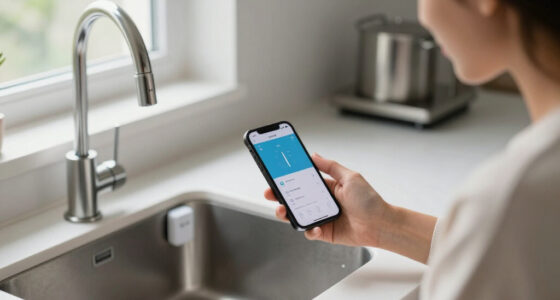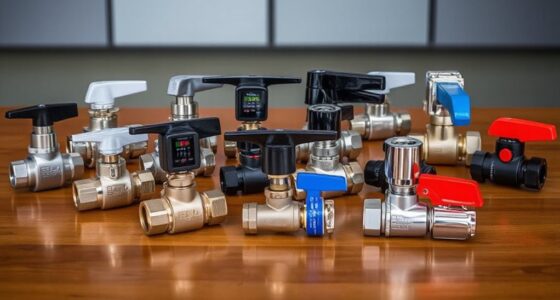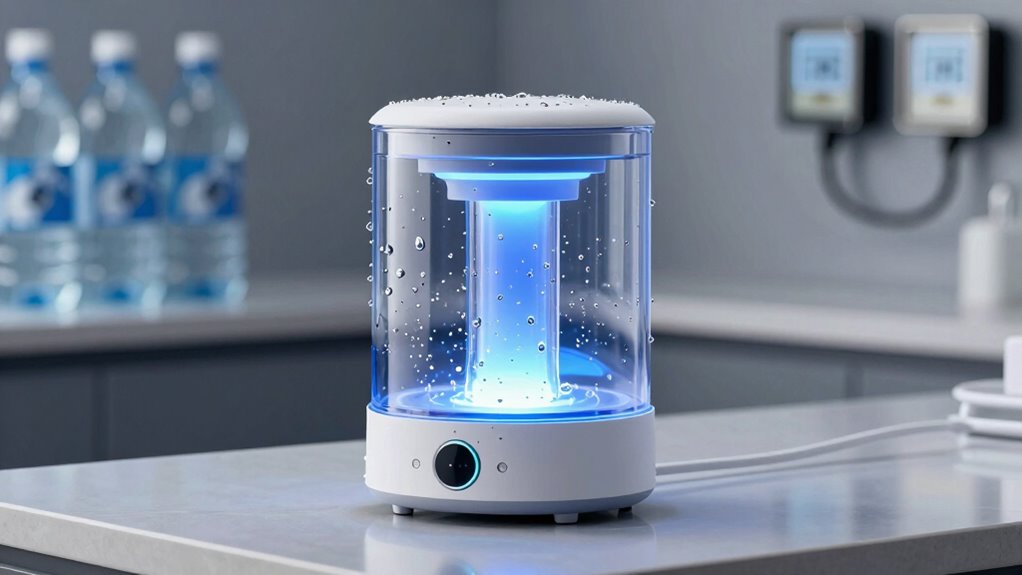
When searching for a UV sterilizer for bacteria and virus in water, the key is balancing effectiveness, flow rate, and ease of maintenance. The Envig LED UV Sterilizer stands out as the best overall choice thanks to its high sterilization rate and compact design. For larger households or whole-house water treatment, the Ozmosis Whole House UV Purifier offers impressive flow capacity, though at a higher cost and larger size. Meanwhile, the UV Water Filter – LED UV Water Purifier provides a maintenance-free experience ideal for those new to UV sterilization. Keep reading to see how these and other options compare, and which one fits your water purification needs.
Complete the kit


Key Takeaways
- Flow rate and sterilization capacity are critical; larger households need higher GPM ratings to treat all water effectively.
- Maintenance frequency varies; models with replaceable bulbs require more upkeep but tend to be more flexible and powerful.
- Size and installation complexity differ; compact units are easier for tight spaces, while whole-house systems demand more installation effort.
- Effectiveness depends on UV dose and bulb quality; higher wattage does not always mean better sterilization if poorly designed.
- Price ranges widely; investing in a slightly more expensive model can provide greater reliability and longer lifespan.


| uv sterilizer for bacteria and virus in water | Flow Rate | Material | Voltage |
|---|---|---|---|
| Envig LED UV Ultraviolet UVC W | 0.66 GPM (800 GPD) | Stainless Steel | — |
| iSpring UVF11A UV Ultraviolet | 1 GPM | Stainless steel | 110V |
| Ozmosis Whole House Ultraviole | — | Stainless Steel | 120V |
| APEC Water Systems UV Ultravio | up to 1 gpm | 316 stainless steel | — |
| UV Water Filter | 1 GPM | — | — |
| Bluonics UV Ultraviolet Water | 0.5 GPM | — | 110V |
More Details on Our Top Picks
Envig LED UV Ultraviolet UVC Water Purifier Sterilizer for Under Sink Water Filter Systems, 0.66 GPM (800 GPD), Reduces 99.99% of Bacteria
This stainless steel inline UV sterilizer stands out for its high efficacy in reducing bacteria and viruses by 99.99%, making it a reliable addition to under sink water systems. Compared with the iSpring UVF11A, it offers a more durable construction and a flow-controlled switch that conserves energy and prolongs LED lifespan. However, it requires integration with existing filtration systems, which might involve some setup effort. The LED indicator provides clear operational status, and its stainless steel build guarantees durability. Still, the need for future LED replacements and limited info on long-term maintenance are tradeoffs to consider.
Pros:- Kills 99.99% of bacteria and viruses effectively
- Durable stainless steel construction ensures longevity
- Flow-controlled switch saves energy and extends LED life
- Easy-to-see indicator for operational status
Cons:- Requires connection to existing water filtration systems
- Long-term LED replacement costs and limited lifespan info
Best for: Homeowners who want a robust, durable UV sterilizer integrated into their existing water filtration setup.
Not ideal for: Those seeking a standalone system or a solution for whole-house filtration, as it requires connection to other filters.
- Flow Rate:0.66 GPM (800 GPD)
- Material:Stainless Steel
- Bacteria Reduction:Up to 99.99%
- Power Source:Power adapter included
- Model Number:42433563787423
Our verdict“This pick is ideal for users seeking a reliable, compact UV sterilizer to add on to their current under sink filtration system.”
iSpring UVF11A UV Ultraviolet Water Filter with Smart Flow Control, 11W, 110V, 10-Inch
The iSpring UVF11A excels with its smart flow sensor that automatically activates the UV lamp, helping conserve energy and ensuring effective disinfection whenever water flows. Its stainless steel chamber and 8,000-hour UV lamp life make it a durable choice for under-sink use. Compared to the Envig model, it offers more automation, but the 1 GPM flow rate might be limiting for larger households. Installation can require some expertise, and UV lamp replacement after 8,000 hours should be factored into maintenance planning. It’s a solid choice for those who prefer a system that ‘turns on’ only when needed.
Pros:- Automatic flow sensor for energy efficiency
- Long-lasting UV lamp with 8,000-hour lifespan
- Compatible with most reverse osmosis systems
- Durable stainless steel construction
Cons:- Limited to 1 GPM flow rate, may be restrictive
- Requires professional installation and future lamp replacement
Best for: Families with moderate water usage who want a smart, energy-efficient UV sterilizer that works seamlessly with reverse osmosis systems.
Not ideal for: Large households needing higher flow rates or those who dislike ongoing maintenance for lamp replacement.
- Power:11W
- Voltage:110V
- Flow Rate:1 GPM
- Lamp Life:8,000 hours
- Inlet/Outlet:1/4 inch quick connect fittings
- Material:Stainless steel
Our verdict“This model suits users seeking a smart, automatic UV sterilizer that integrates smoothly with existing filtration setups.”
Ozmosis Whole House Ultraviolet Water Purifier Filter – 55W, 120V Stainless Steel UV Unit, 1″ MNPT Inlet/Outlet, 18 GPM
Designed to treat water across an entire household, the Ozmosis UV system offers an impressive 18 GPM flow, making it suitable for large families or homes with high water demand. Its high-power 55W UV bulb in a stainless steel housing ensures thorough sterilization of bacteria and viruses, surpassing smaller under-sink units like the Envig and iSpring models in capacity. While its installation involves electrical wiring and initial setup costs are higher, it provides continuous, maintenance-free protection for all taps. This system is less suitable for those with limited space or needing only point-of-use sterilization, as its scale and cost are significant.
Pros:- High capacity of 18 GPM for whole-house coverage
- Durable stainless steel construction
- Standard plumbing connections simplify installation
- Provides consistent UV sterilization throughout the home
Cons:- Higher upfront cost and installation complexity
- Requires electrical wiring and professional setup
Best for: Homeowners seeking comprehensive, whole-house water sterilization with high flow capacity.
Not ideal for: Small households or renters with limited space, given its size and higher initial investment.
- Capacity:18 GPM
- Power:55W
- Voltage:120V
- Material:Stainless Steel
- Inlet/Outlet:1″ MNPT
Our verdict“This system is best suited for large households needing reliable, whole-house sterilization, despite its higher cost and complexity.”
APEC Water Systems UV Ultraviolet Sterilizer Water Filter Kit with 1/4″ Quick Connect UG-UVSET-1-4
The APEC UV sterilizer combines effective microbial inactivation with straightforward installation, thanks to its quick connect fittings. Made from 316 stainless steel, it offers durability and long-term performance, comparable to the Envig and iSpring models. Its 6W UV lamp provides reliable disinfection, but its efficiency is limited to 1 gpm, making it less suitable for high-volume needs. The annual UV lamp replacement adds ongoing maintenance, and its flow rate might restrict use in larger households or high-demand applications. This system works best as a point-of-use disinfectant in well-maintained systems.
Pros:- Highly effective at eliminating bacteria and viruses
- Durable stainless steel chamber ensures longevity
- Quick connect fittings simplify installation
- Compatible with existing RO systems
Cons:- UV lamp needs annual replacement
- Flow rate limited to 1 gpm, restricting high-volume use
Best for: Users with existing reverse osmosis setups seeking a reliable, easy-to-install UV disinfection component.
Not ideal for: Large households or those requiring high flow rates, as its 1 gpm limit may cause bottlenecks.
- Material:316 stainless steel
- Flow Rate:up to 1 gpm
- Lamp Life:1 year+
- Watts:6
- Ports:1/4 inch quick connect
Our verdict“Ideal for homeowners with existing filtration systems wanting a durable, easy-to-maintain UV sterilizer for point-of-use disinfection.”
UV Water Filter – LED UV Water Purifier for Under Sink, Reduce up to 99.999% Bacteria, Maintenance-Free, 1 GPM
This LED-based UV purifier offers an innovative approach with a lifespan of up to 10 years, eliminating the need for bulb replacements. Its advanced UVC-LED technology ensures up to 99.999% bacteria and virus reduction, comparable in effectiveness to traditional UV systems like Envig or iSpring. The automatic flow sensor enhances energy efficiency, making it ideal for users seeking a low-maintenance solution. However, its 1 GPM flow rate limits its usefulness for larger households or whole-house systems. It’s best suited for point-of-use applications where minimal upkeep is a priority.
Pros:- Eliminates 99.999% of bacteria and viruses
- Maintenance-free with a 10-year lifespan
- Automatic flow sensor for efficiency
- Easy to install and compatible with existing RO systems
Cons:- Limited to 1 GPM flow rate, not suitable for large demand
- Designed primarily for point-of-use, not whole-house
Best for: Individuals or small households who want a maintenance-free UV sterilizer with long-lasting LEDs.
Not ideal for: Homes requiring high flow rates or whole-house sterilization, due to its limited capacity.
- Container Type:Dispenser
- Installation Type:Under Sink
- Purification Method:Ultraviolet
- Power Source:Corded Electric
- Flow Rate:1 GPM
- Filter Life Cycle:10 years
Our verdict“This pick is perfect for users prioritizing long-term, low-maintenance UV sterilization at a single point of use.”
Bluonics UV Ultraviolet Water Purifier System for Reverse Osmosis
The Bluonics UV system is a practical choice for households looking to add UV sterilization to their existing reverse osmosis setup. It effectively reduces 99% of impurities and pathogens, providing clean, great-tasting water without altering pH or adding chemicals. Its compact size and included replacement bulbs make maintenance straightforward, especially compared to larger, more complex systems like the Ozmosis whole house unit. However, with a flow rate capped at 0.5 GPM, it may fall short for larger families or when high-volume water processing is needed. Its UV bulb’s roughly annual replacement adds to ongoing maintenance, which could be inconvenient for some users. This pick makes the most sense for small households seeking a cost-effective, chemical-free sterilization upgrade.
Pros:- Reduces 99% of water impurities, improving safety and taste
- Chemical-free process preserves water pH and flavor
- Includes replacement UV bulb and mounting clamps for easy upkeep
Cons:- Flow rate limited to 0.5 GPM, unsuitable for high-volume needs
- UV lamp requires replacement approximately annually
Best for: Small families or individuals wanting reliable UV sterilization with minimal space and maintenance
Not ideal for: Large households or commercial applications requiring higher flow rates
- Flow Rate:0.5 GPM
- UV Lamp Power:6W
- UV Lamp Life:9000 hours
- Inlet / Outlet:1/4″ Quick Connect
- Dimensions:15″L x 8″W x 6″H
- Maximum Water TDS Level:1000 ppm
- Voltage:110V
Our verdict“This system is ideal for small households prioritizing ease of use and cost-effective UV water treatment.”

How We Picked
To select these top UV sterilizers, I focused on key factors that influence real-world performance and user satisfaction. Primary criteria included sterilization efficacy, measured by the ability to reduce bacteria and viruses, and flow rate, which determines how much water can be treated at once. Build quality and ease of maintenance were also important, as UV systems need periodic bulb replacements and cleaning. Cost and versatility played a role too, helping to identify options suitable for various household sizes and budgets. Products were ranked based on their overall value, reliability, and how well they meet typical buyer needs for water safety.
Factors to Consider When Choosing Uv Sterilizer For Bacteria And Virus In Water
Choosing the right UV sterilizer for bacteria and virus in water involves balancing several factors. First, consider your household size and flow rate needs; larger families require units with higher GPM ratings. Second, evaluate the sterilization power—higher wattage and proper UV dose are vital for effective pathogen destruction. Third, factor in ease of installation and maintenance; some models are plug-and-play, while others require professional setup. Fourth, think about build quality and durability, especially if you plan to install the system in a high-use or outdoor setting. Finally, always review the cost of replacement bulbs and the overall lifespan of the unit to ensure long-term value.Flow Rate and Capacity
Flow rate determines how much water the sterilizer can treat in a given time, making it a critical consideration. For a household or small office, units with 1-3 GPM are typically sufficient, while larger homes or commercial setups need 10 GPM or more. If the flow rate is too low, you might experience delays or need multiple units, increasing overall costs. Conversely, a high-capacity system might be more expensive upfront but provides peace of mind for continuous use. Always match the unit’s flow rate to your actual water demand to avoid underperformance or unnecessary expense.
UV Power and Effectiveness
The UV bulb wattage and the design of the UV chamber influence how effectively bacteria and viruses are neutralized. Higher wattage generally means a stronger UV dose, but it’s not the only factor; bulb quality and chamber design matter as well. A poorly designed system might have a lower UV dose despite higher wattage, reducing its sterilization efficiency. For most home use, 11-55W units are common, but for large-scale applications, higher wattages are necessary. Look for units that specify UV dose in mJ/cm² for a better understanding of their pathogen-killing power.
Ease of Installation and Maintenance
Some UV sterilizers are designed for easy installation, often suitable for DIY setups, while others may require professional plumbing. Maintenance involves bulb replacements and regular cleaning of the quartz sleeve, which can vary from annual to biannual tasks. Units with quick-change bulbs and clear maintenance instructions save time and reduce errors. Consider your comfort with plumbing work and the availability of replacement parts when choosing a system. Maintenance-free models with LED indicators for bulb life are attractive options for those who prefer minimal upkeep.
Build Quality and Durability
Since UV systems are exposed to water and sometimes outdoor conditions, durability is essential. Stainless steel chambers tend to resist corrosion better than plastic or aluminum counterparts, especially for whole-house setups. Also, check for quality seals and reliable electrical components to prevent leaks or failures. A robust design can extend the lifespan of the unit, providing better long-term value. Remember, cheaper models may save money upfront but could require replacement sooner due to inferior materials.
Price and Long-Term Costs
The initial purchase price often reflects the system’s capacity and build quality, but also consider ongoing expenses like bulb replacements and maintenance parts. More expensive units with higher wattage and larger chambers generally last longer and deliver more consistent performance. Cheaper models might be suitable for small, infrequent use, but for continuous, reliable sterilization, investing in a mid-range or premium system can be more cost-effective over time. Always compare the costs of replacement parts and warranty coverage before making a decision.
Frequently Asked Questions
How often do I need to replace the UV bulb?
The typical lifespan of a UV bulb is between 9,000 and 12,000 hours, which translates to roughly 1-2 years of regular use. Many units feature LED indicators or timers that notify you when the bulb needs replacing. Regular replacement is essential because the UV output diminishes over time, reducing sterilization effectiveness. Using a bulb past its recommended lifespan can lead to ineffective treatment, so adhering to the manufacturer’s guidelines is key for water safety.
Can a UV sterilizer treat all types of bacteria and viruses?
Most UV sterilizers are effective against a broad spectrum of bacteria and viruses, including common pathogens like E. coli and norovirus. However, their effectiveness depends on the UV dose and water clarity; turbid or contaminated water can shield microorganisms from UV exposure. Pre-filtration to remove sediments and organic matter is often necessary for optimal performance. While UV sterilization is highly effective, it is not a substitute for other water purification methods if the water contains heavy metals or chemical contaminants.
Is UV sterilization safe for drinking water?
Yes, UV sterilization is considered a safe and chemical-free method to disinfect drinking water. It does not add any substances to the water, meaning there are no residual chemicals or tastes. The process simply inactivates bacteria and viruses, making water safe to consume after treatment. However, it is important to ensure the system is properly maintained and that water is clear enough for UV light to penetrate effectively, as murky water can reduce its effectiveness.
Can I install a UV sterilizer myself or do I need a professional?
Many UV sterilizer units are designed for DIY installation, especially smaller under-sink or countertop models, and come with clear instructions. However, for larger or whole-house systems, professional installation might be necessary to handle plumbing complexity and electrical wiring safely. Proper installation is critical to ensure water flows correctly through the UV chamber and that there are no leaks. If unsure about plumbing or electrical work, consulting a professional can prevent costly mistakes and ensure optimal performance.
Are there any maintenance tips to maximize UV sterilizer lifespan?
Regularly cleaning the quartz sleeve and replacing the UV bulb as recommended by the manufacturer are key to maintaining performance. Using a soft cloth and mild cleaning solution prevents buildup that can block UV light. Avoid touching the bulb with bare hands, as oils can reduce its effectiveness. Additionally, monitoring water quality and installing pre-filters can reduce sediment and organic matter, prolonging the life of the UV system. Consistent maintenance ensures the unit continues to deliver safe, bacteria-free water efficiently.
Conclusion
For most households seeking reliable disinfection, the Envig LED UV Sterilizer offers a balanced mix of effectiveness, size, and ease of use, making it the best overall choice. Those with larger water demands or whole-house needs should consider the Ozmosis Whole House UV Purifier, despite its higher cost and installation complexity. Budget-conscious buyers or those new to UV systems will find the UV Water Filter – LED UV Water Purifier an accessible, low-maintenance option. For premium performance and durability, the APEC Stainless Steel UV Water Sterilizer delivers long-term reliability. Ultimately, your selection should align with your specific water quality, household size, and maintenance preferences.