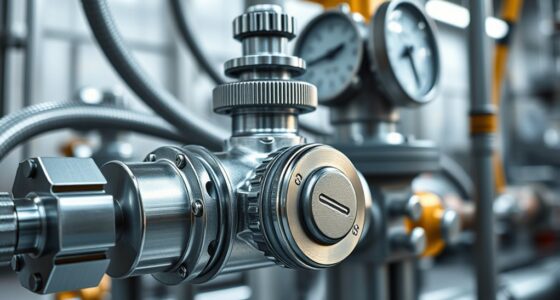

System mapping gives you a clear picture of your home’s water network, helping you identify leaks, excessive use, or outdated fixtures. It helps you understand how water flows through your home, so you can make smarter choices about conservation and upgrades. By pinpointing problem areas early, it saves money and prevents damage. Keep exploring to discover how detailed maps can transform your water management and boost efficiency every day.

Get home appliances delivered free — and shop member deals
- Fast, free delivery on millions of items
- Access to Prime Big Deal Days deals on October 6–7
- Prime Video, Amazon Music and more included
Key Takeaways
- Provides a clear visual overview of water system components and flow paths for informed decision-making.
- Identifies leaks and inefficiencies early, reducing water waste and repair costs.
- Prioritizes maintenance and upgrades to improve water efficiency and system performance.
- Enhances communication with professionals through accurate maps and data.
- Supports sustainable water use by optimizing system performance and planning for future needs.

Understanding the complexities of water systems is essential for making smarter, more informed decisions. When you grasp how your home’s water flows, you release the ability to optimize usage, prevent waste, and save money. System mapping provides a visual and analytical overview of all the components involved—pipes, valves, fixtures, and sources—so you can see exactly where water is coming from and where it’s going. This clarity makes it easier to identify opportunities for water conservation, such as pinpointing areas where excessive usage occurs or where leaks might develop. By knowing precisely how your water system operates, you can implement targeted conservation strategies, reducing waste and lowering your utility bills.
Understanding your water system helps you save money, prevent waste, and make smarter conservation choices.
Leak detection becomes much more manageable once you have an accurate system map. Instead of guessing where a leak might be hiding, you can trace the flow of water through your system and identify irregularities or pressure drops that signal a problem. Early leak detection is vital because small leaks, if ignored, can escalate into costly repairs and significant water waste. With system mapping, you gain the ability to monitor key points in your plumbing network consistently, making it easier to catch leaks as soon as they occur. This proactive approach not only conserves water but also minimizes property damage and repair costs, giving you peace of mind. Incorporating water flow analysis techniques can further enhance your ability to predict and prevent issues before they become costly. Additionally, understanding the components of water systems** helps you grasp how different elements interact and affect overall performance. Recognizing how various water management practices** influence your system can lead to even more efficient and sustainable usage.
Furthermore, understanding your water system enables you to make smarter decisions about upgrades and maintenance. When you know which fixtures or pipes are aging or underperforming, you can prioritize repairs or replacements more efficiently. This targeted approach ensures that your investments lead to meaningful improvements in water efficiency and system reliability. System mapping also helps you plan for future needs, such as expanding your water use or installing new fixtures, by illustrating how these changes will integrate into your existing setup. Gaining a comprehensive understanding of your system can also help you identify potential bottlenecks that might restrict water flow or cause pressure issues, ensuring optimal performance.
In addition, this extensive view of your water system fosters better communication with professionals like plumbers or water utility providers. With accurate maps and data, you can negotiate repairs or upgrades more confidently and effectively. It also empowers you to educate your household about water-saving practices, making everyone more aware of their role in conservation efforts. Additionally, incorporating system mapping techniques from the field of water management can help you better understand how to improve overall system performance. Ultimately, system mapping transforms complex water networks into understandable, manageable systems—giving you the tools to make smarter, more sustainable water decisions every day.
As an affiliate, we earn on qualifying purchases.
Frequently Asked Questions
How Often Should System Mapping Data Be Updated?
You should update your system mapping data at least once a year to guarantee accuracy. Regular updates help maintain a proper maintenance schedule and improve data accuracy, which is essential for making smarter water decisions. If you notice changes in your water system or experience issues, update the mapping sooner. Staying proactive keeps your system efficient and prevents costly damage, ensuring your home’s water management remains reliable and effective.
Can System Mapping Identify Hidden Leaks?
Did you know that up to 10% of household water is lost through leaks? System mapping can indeed identify hidden leaks by analyzing water flow patterns. By pinpointing irregularities and abnormal water flow, it helps you detect leaks that aren’t visible. This proactive leak detection saves water, lowers bills, and prevents damage, making system mapping a powerful tool for smarter home water management.
What Equipment Is Needed for Effective System Mapping?
To effectively perform system mapping, you’ll need basic equipment like a digital camera or smartphone for documentation, pressure gauges to check flow, and flow meters for measuring water movement. Equipment requirements also include leak detectors and shut-off valves to isolate sections. Using mapping techniques such as visual surveys and pressure testing helps identify hidden leaks and system issues. Combining these tools and techniques guarantees a thorough understanding of your home’s water system.
Is System Mapping Suitable for Small or Large Properties?
System mapping suits both small and large properties, providing powerful insights at any property scale. With precise mapping techniques, you can pinpoint water flow faults or inefficiencies, whether in a cozy cottage or sprawling estate. Smaller properties benefit from straightforward schematics, while larger sites require detailed diagrams. This adaptable approach helps you manage water wisely, saving resources and money regardless of your property’s size.
How Much Does Implementing System Mapping Typically Cost?
Implementing system mapping typically costs between $500 and $2,500, depending on your property’s size and complexity. You should consider cost considerations carefully and develop budgeting strategies to cover initial assessments, professional expertise, and potential upgrades. While it might seem like a significant expense upfront, investing in system mapping can save you money long-term by optimizing water use and preventing costly repairs. Always compare quotes and plan for ongoing maintenance costs.
As an affiliate, we earn on qualifying purchases.
Conclusion
By understanding and mapping your home’s water system, you’re better equipped to make smarter decisions that save resources and money. It’s like having a clear roadmap guiding you through potential issues and efficiencies. When you see the big picture, you can spot problems before they grow and optimize your water use. Don’t wait for a leak to sink your plans—get ahead of the game and keep everything running smoothly. After all, a stitch in time saves nine.
As an affiliate, we earn on qualifying purchases.
As an affiliate, we earn on qualifying purchases.
Fall yard work Picks
leaf blowers
As an affiliate, we earn on qualifying purchases.