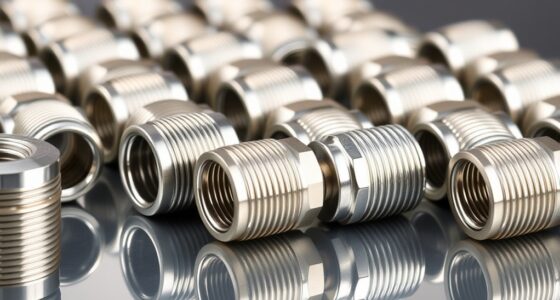

Choosing the right flex connectors for high iron applications involves balancing durability, safety, and ease of installation. For 2026, two standout options are the COREX 2″ Flex 90-Degree Connector and the COREX 2″ Flex Straight Connector. The 90-degree model excels in tight spaces and angle routing, while the straight connector offers straightforward installation and high-temperature resilience. Both rely on malleable iron and squeeze-type mechanisms, but differ in design details that influence their best use cases. Understanding these nuances helps ensure you pick the right connector for your specific electrical setup.

Get home appliances delivered free — and shop member deals
- Fast, free delivery on millions of items
- Access to Prime Big Deal Days deals on October 6–7
- Prime Video, Amazon Music and more included
Complete the kit


Key Takeaways
- The 90-degree connector is ideal for tight, angled installations but is limited to 2-inch sizes.
- The straight connector offers easier installation and a higher temperature rating of 105°C.
- Both connectors are made of malleable iron, ensuring durability, but differ in their throat insulation and installation requirements.
- UL listing on the 90-degree model confirms compliance, while the straight connector emphasizes simplicity and high-temp safety.
- Choosing between them depends on space constraints, installation ease, and environmental safety needs.
| COREX 2″ Flex 90-Degree Connector, Squeeze-Type, Malleable Iron, Non-Insulated Throat |  | Best for Angle Routing in High Iron Settings | Size: 2 inches | Type: Flex 90-degree connector | Material: Malleable iron | VIEW ON AMAZON | See Our Full Breakdown |
| COREX 2″ Flex Straight Connector, Squeeze Type, Malleable Iron, Insulated Throat |  | Best for Straight Runs with High Temp Tolerance | Brand: COREX | Model Number: FC200MI | Material: Malleable Iron | VIEW ON AMAZON | See Our Full Breakdown |
| flex connectors for high iron | Size | Type | Material | Thread Type |
|---|---|---|---|---|
| COREX 2" Flex 90-Degree Connec | 2 inches | Flex 90-degree connector | Malleable iron | NPSM |
| COREX 2" Flex Straight Connect | 2 inches | Flex Straight Connector | Malleable Iron | NPSM male threads |
More Details on Our Top Picks
COREX 2″ Flex 90-Degree Connector, Squeeze-Type, Malleable Iron, Non-Insulated Throat
The COREX 2″ Flex 90-Degree Connector stands out for its high-strength malleable iron construction and UL listing, making it a reliable choice for angled conduit connections. Its 90-degree design is perfect for navigating tight spaces where straight runs aren’t feasible. Compared to the straight model, it offers better flexibility in confined areas but requires a squeezing tool for installation, which could add complexity. Its non-insulated throat makes it suitable for environments where insulation is not required, but this also means it’s less versatile in certain applications.
Pros:- Durable high-strength malleable iron construction
- UL-listed for safety and compliance
- Ideal for armored cable and flexible metal conduit in tight spaces
Cons:- Limited to 2-inch size applications
- No corrosion resistance features mentioned
- Requires squeezing tool for installation
Best for: High iron projects requiring angled conduit connections in tight or complex spaces
Not ideal for: Simple straight runs or installations needing insulation around the connector
- Size:2 inches
- Type:Flex 90-degree connector
- Material:Malleable iron
- Thread Type:NPSM
- Features:Squeeze-type, non-insulated throat
- Listing:UL-Listed
Our verdict“This connector is best suited for angled high iron installations where space constraints demand a reliable, UL-listed component.”
COREX 2″ Flex Straight Connector, Squeeze Type, Malleable Iron, Insulated Throat
The COREX 2″ Flex Straight Connector offers a straightforward, durable solution for securing flexible metal conduit and armored cables to boxes or enclosures. Its high-quality malleable iron ensures longevity, while the high temperature rating of 105°C makes it suitable for a range of environments, including those with elevated heat. Compared to the 90-degree model, this connector simplifies installation with its straight design, but it’s limited to 2-inch conduit sizes and may lack some flexibility in complex routing scenarios. Its insulated throat adds a layer of safety in environments where insulation around the connection is preferred.
Pros:- Durable malleable iron construction
- High temperature rating of 105°C
- Easy squeeze-type installation
Cons:- Limited to 2-inch conduit sizes
- Specific thread type may not fit all setups
- No detailed installation instructions included
Best for: Straight conduit runs in environments demanding high temperature resistance
Not ideal for: Angular or tight space installations requiring 90-degree bends
- Brand:COREX
- Model Number:FC200MI
- Material:Malleable Iron
- Size:2 inches
- Type:Flex Straight Connector
- Temperature Rating:105°C
- Application:Used with armored cable and flexible metal conduit
- Thread Type:NPSM male threads
- Unit Count:1
Our verdict“This connector makes the most sense for straight, high-temperature conduit runs where ease of installation is a priority.”

How We Picked
To select these connectors, I focused on factors that matter most in high iron applications: material strength, safety certifications, ease of installation, compatibility with common conduit types, and temperature tolerance. I compared their construction quality, features like squeeze-type mechanisms, and versatility for different wiring setups. The final picks balance robustness with practical usability, highlighting options suited for professional-grade electrical work in demanding environments.
| flex connectors for high iron | Type | Thread Type |
|---|---|---|
| COREX 2" Flex 90-Degree Connec | Flex 90-degree connector | NPSM |
| COREX 2" Flex Straight Connect | Flex Straight Connector | NPSM male threads |
Factors to Consider When Choosing Flex Connectors For High Iron
Selecting the right flex connector for high iron applications involves understanding how design, material, and features influence performance. Key considerations include the installation environment, conduit size, space constraints, and safety certifications. The choice between a 90-degree or straight connector often hinges on whether routing flexibility or ease of installation takes priority. Paying attention to temperature ratings and UL listings can prevent future issues, especially in demanding or high-heat environments.Material and Durability
High-strength malleable iron is the standard for durability in high iron applications. It ensures the connector withstands physical stress and environmental factors. However, if corrosion resistance is a concern, you might need additional coatings or look for models with specific anti-corrosion features, which are not always present in these standard connectors.
Design and Flexibility
The choice between a 90-degree angle and a straight connector depends on your installation space. 90-degree connectors excel in tight, angular spaces but may require more effort during installation. Straight connectors are simpler to install and better suited for linear runs but less flexible for complex routing.
Temperature and Safety Ratings
Always check the temperature ratings—105°C is common and suitable for most environments. UL listing confirms compliance with safety standards, which is especially vital in commercial or code-sensitive projects. Failing to consider these ratings can lead to safety hazards or code violations.
Installation and Compatibility
Squeeze-type connectors are generally user-friendly, but ensure you have the right tools. Compatibility in thread type (e.g., NPSM) is essential to fit your conduit and enclosure. Always verify the size and thread specifications before purchasing to prevent installation issues.
Frequently Asked Questions
What is a flex connector used for in high iron applications?
A flex connector provides a secure, flexible connection between conduit and electrical enclosures or boxes. In high iron applications, they help accommodate movement, vibration, or angles, ensuring the wiring remains protected and compliant with safety standards.
Why choose a squeeze-type connector?
Squeeze-type connectors are favored for their ease of use and reliable grip. They allow for quick installation without threading, making them ideal for professional environments where efficiency matters. Their design also helps maintain a tight seal, which is important in high-iron or high-heat settings.
Are these connectors suitable for outdoor use?
While both connectors are made of durable malleable iron, their outdoor suitability depends on additional corrosion protection. Since the descriptions lack specific anti-corrosion features, they are better suited for indoor or protected environments unless treated or coated accordingly.
Can I use these connectors with other conduit sizes?
These connectors are designed specifically for 2-inch conduit applications. Using them with different sizes is not recommended and could compromise safety or fit. Always match the connector size to your conduit for proper installation.
What safety certifications should I look for?
The UL listing on the 90-degree connector confirms it meets recognized safety standards, which is essential for ensuring compliance in commercial and residential wiring. When selecting connectors, always prioritize UL or equivalent safety certifications to avoid potential hazards and ensure code compliance.
Conclusion
For professionals working primarily on angled, high iron installations where space is tight, the COREX 2″ Flex 90-Degree Connector offers unmatched reliability. If the focus is on straightforward, high-temperature conduit runs, the COREX 2″ Flex Straight Connector provides ease of installation and durability. Hobbyists or those prioritizing quick, simple setups might lean toward the straight model, while complex, space-constrained projects benefit from the 90-degree design. Both are solid choices, but your specific needs should guide the final decision.
Fall yard work Picks
leaf blowers
As an affiliate, we earn on qualifying purchases.