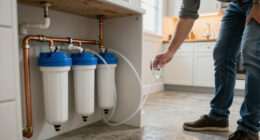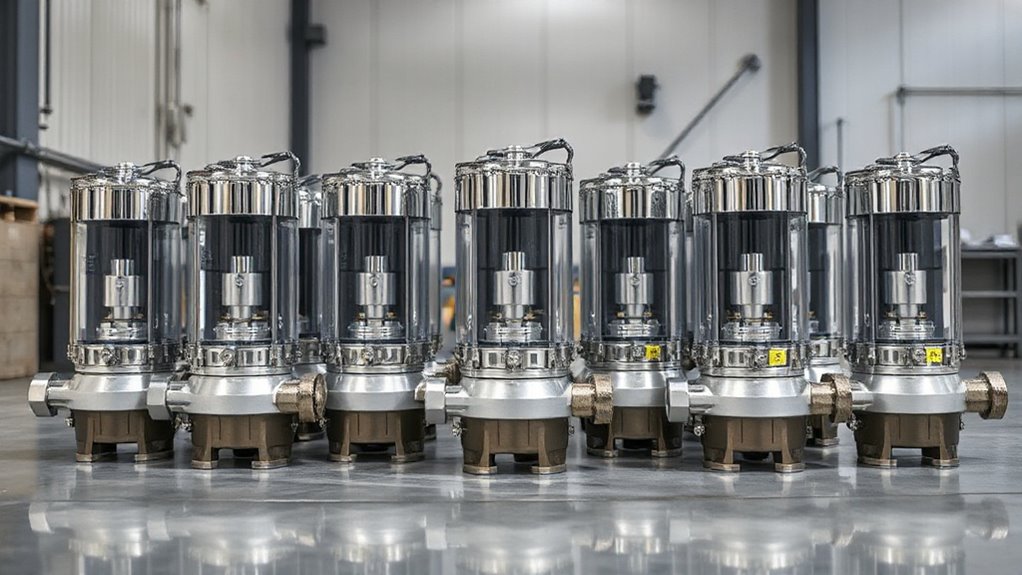

If you’re searching for a booster pump with a built-in check valve, you’re likely aiming to improve water pressure reliably while preventing backflow. The BACOGENG Auto ON/OFF Stainless Steel Water Pressure Booster Pump stands out as the best overall due to its durability and automation features. For those prioritizing energy efficiency, the Whole House Water Pressure Booster Pump 70 PSI with Variable Speed offers excellent performance at a reasonable price. Keep in mind that these pumps often trade off between cost, complexity, and size, so choosing the right one depends on your specific setup. Continue reading for a detailed breakdown of each option and what to consider before buying.

Get home appliances delivered free — and shop member deals
- Fast, free delivery on millions of items
- Access to Prime Big Deal Days deals on October 6–7
- Prime Video, Amazon Music and more included
Complete the kit


Key Takeaways
- Top-ranked pumps combine durability and automation, making maintenance easier over time.
- Variable speed models generally offer quieter operation and more efficient pressure management.
- Built-in check valves are most effective when paired with reliable pressure controls to prevent backflow.
- Price often correlates with feature set; premium options include digital displays and self-priming capabilities.
- Size and power output should match your home’s water demand to avoid over- or under-performing.


| booster pump with built in check valve | Voltage | Pressure range | Power | Flow Rate |
|---|---|---|---|---|
| BACOENG Auto ON/OFF Stainless | 110V/60Hz | — | — | — |
| Whole House Water Pressure Boo | 110V | 22 to 73 psi | 500W | — |
| Whole House Water Pressure Boo | 110V | — | 0.8 HP | 21 GPM |
| Whole House Water Pressure Boo | 110V AC | 22 to 73 psi | — | — |
| Whole House Water Pressure Boo | 115V | 1.5–5.5 bar (22–80 PSI) | 550W (Max. 750W) | 1500 GPH |
| Hanchen Whole House Water Pres | 110 volts | — | — | 18.5 gpm |
More Details on Our Top Picks
BACOENG Auto ON/OFF Stainless Steel Water Pressure Booster Pump
This pump stands out for its robust stainless steel construction combined with automatic on/off operation, making it an excellent choice for tankless water systems. Compared with the Hanchen model, it offers a built-in check valve that effectively prevents rapid cycling, which is essential for maintaining consistent pressure. While it provides reliable performance, it does produce some operational noise and may require plumbing adjustments during installation. Its durable materials ensure longevity and corrosion resistance, but the noise level could be a concern for quiet spaces.
Tradeoff: Durability and automatic operation come with increased noise and installation complexity.
Pros:- Automatic on/off for easy operation
- Durable stainless steel construction resists corrosion
- Built-in check valve prevents rapid cycling
Cons:- Produces some operational noise
- Installation may require plumbing modifications
Best for: Homeowners with tankless water systems seeking reliable, automatic pressure control.
Not ideal for: Users prioritizing silent operation or minimal installation adjustments in small or noise-sensitive spaces.
- Voltage:110V/60Hz
- Horsepower:0.6HP
- In/Out Size:1 inch
- Max Pressure:6 Bar
- Max Flow:12 GPM
- Suction Height:29.5 ft
Our verdict“This pick is ideal for those needing durable, automatic pressure boosting with a built-in check valve, despite potential noise issues.”
Whole House Water Pressure Booster Pump 70 PSI Automatic Variable Speed Pump with Permanent Magnet Motor
This pump offers excellent value by maintaining steady pressure across the entire household with its variable speed operation. Compared to the BACOENG model, it provides a larger flow capacity and a compact design, but it is made of plastic, which may raise concerns about long-term durability. Its automatic adjustments optimize water flow and reduce energy use, yet its size could be a constraint in tight spaces. For those with moderate water pressure issues, this model delivers reliable performance at a reasonable price.
Tradeoff: Larger capacity and efficiency come at the cost of plastic construction and space needs.
Pros:- Automatically adjusts water pressure
- Energy-efficient with 30% savings
- Easy installation with standard fittings
Cons:- Relatively large size
- Plastic construction may affect durability
Best for: Homeowners needing an affordable, reliable booster for consistent household pressure.
Not ideal for: Those looking for a highly durable, metal-bodied pump for harsh environments or limited space.
- Maximum flow rate:1268 GPH
- Maximum head:148 FT
- Pressure range:22 to 73 psi
- Power:500W
- Voltage:110V
- Material:Plastic
- Dimensions:15″L x 9.84″W x 13.4″H
- Weight:25 pounds
Our verdict“This pump provides a cost-effective solution for maintaining consistent household pressure, suitable for most residential settings.”
Whole House Water Pressure Booster Pump, 0.8HP, 110V, Self-Priming, Variable Speed, Digital Display
This model emphasizes high flow capacity (up to 21 GPM) and smart control, making it suitable for homes with demanding water needs or garden and well applications. Unlike the smaller BACOENG, it offers a digital display and stainless steel build for durability. Its variable speed ensures steady pressure with minimal noise, but the need for priming and more complex operation could challenge less experienced users. It’s a strong choice for those who prioritize performance and durability in a versatile household pump.
Tradeoff: Enhanced performance and control come with a slightly more involved setup process.
Pros:- Strong, consistent pressure for entire home
- Smart variable speed control
- Durable stainless steel housing
Cons:- Requires proper priming before first use
- Operation can be complex for some users
Best for: Homeowners with high water demand or those using wells and RVs requiring steady pressure.
Not ideal for: Users seeking a simple, plug-and-play solution or with limited technical skill.
- Power:0.8 HP
- Voltage:110V
- Flow Rate:21 GPM
- Max Pressure:70 PSI
- Material:304 stainless steel
- Housing Rating:IP54
- Connections:1″ NPT
Our verdict“This pump suits those needing high flow and robust control, despite its setup complexity and priming requirement.”
Whole House Water Pressure Booster Pump 70 PSI Variable Speed with Permanent Magnet Motor
This model emphasizes quiet operation and energy savings, making it ideal for households sensitive to noise. It automatically adjusts pressure with a built-in safety system, similar to the previous high-capacity model but with a focus on low noise. Compared to the BACOENG unit, it offers a more refined, low-noise operation but shares similar installation requirements and pressure range. It’s best suited for homes where quiet performance and energy efficiency are priorities over maximum flow capacity.
Tradeoff: Lower noise and efficiency come with a need for electrical setup and a limited pressure range.
Pros:- Quiet operation (~50 dB)
- Automatically adjusts pressure
- Energy-efficient with safety protections
Cons:- Requires electrical connection and setup
- Limited to specific pressure range
Best for: Homeowners prioritizing quiet operation and energy efficiency in a household booster.
Not ideal for: Those needing maximum flow or working in shallow well applications beyond 26 ft.
- Maximum flow rate:1268 GPH
- Maximum head:148 FT
- Pressure range:22 to 73 psi
- Motor power:500W
- Voltage:110V AC
- Connectors:1” NPT
Our verdict“This pump is perfect for quiet, energy-conscious homes where moderate flow is sufficient.”
Whole House Water Pressure Booster Pump 80 PSI, 115V Automatic Variable Speed
This unit offers the highest maximum pressure (80 PSI) among the lineup, making it suitable for homes with high demand or light commercial use. Its automatic variable speed control ensures stable pressure, similar to the B0H4FDNGF4 but with a slightly higher pressure ceiling. While its durable stainless steel construction is advantageous, the installation could be more complex for some users, especially considering its higher power consumption and maximum pressure setting. It’s ideal for users needing robust pressure and flow capacity without sacrificing energy efficiency.
Tradeoff: Higher pressure capabilities demand careful installation and may increase energy use if not managed properly.
Pros:- Highest pressure capacity (80 PSI)
- Automatic adjustment maintains stable flow
- Corrosion-resistant stainless steel build
Cons:- More complex installation process
- Higher power consumption at maximum settings
Best for: Large households or light commercial settings requiring high-pressure and flow capacity.
Not ideal for: Small residences or users with limited electrical capacity or those seeking ultra-simple installation.
- Pressure Range:1.5–5.5 bar (22–80 PSI)
- Flow Rate:1500 GPH
- Max Head:150 ft
- Power:550W (Max. 750W)
- Temperature Range:32℉–175℉
- Voltage:115V
Our verdict“This pump suits high-demand applications where maximum pressure and robust flow are necessary, with some installation complexity involved.”
Hanchen Whole House Water Pressure Booster Pump, Adjustable Pressure, Variable Speed, Self-Priming, Built-in Check Valve
This booster pump excels in delivering adjustable water pressure, making it ideal for households with varying needs, such as mixing high-flow showers with garden irrigation. Compared to models like the Whole House Water Pressure Booster Pump 70 PSI with digital display, the Hanchen offers more precise pressure control thanks to its adjustable feature, but it requires a more involved installation process. Its variable speed operation ensures energy savings and smoother pressure adjustments, while the built-in check valve eliminates backflow issues, maintaining prime without manual intervention. However, its reliance on a 110V power supply and the need for proper setup mean it isn’t suitable for small or low-demand applications where simplicity is preferred. Overall, this pump fits well for homeowners seeking customizable pressure with quiet, efficient operation, willing to handle a bit more setup complexity.
Pros:- Adjustable pressure control for diverse household needs
- Energy-efficient with up to 50% electricity savings
- Quiet operation suitable for residential settings
- Built-in check valve prevents backflow and maintains prime
Cons:- Requires proper installation and setup, which may be complex for some users
- Limited to 110V power, restricting use in certain regions
- Potential overkill for low-demand or single-use applications
Best for: Homeowners requiring tailored water pressure control and quiet operation, especially in larger or multi-use households
Not ideal for: Small apartments or cabins where simplicity and minimal installation are prioritized over customization
- Flow Rate:18.5 gpm
- Maximum Lifting Height:26 feet
- Voltage:110 volts
- Horsepower:0.7 hp
- Style:Black
- Item Dimensions:12.6″L x 8″W x 10.6″H
- Item Weight:14 pounds
Our verdict“This pump is best suited for homeowners who need customizable, energy-efficient water pressure with quiet operation and are comfortable with installation complexity.”

How We Picked
Products were selected based on their presence of a built-in check valve, overall build quality, and performance reviews from trusted sources. We prioritized pumps that are suitable for residential use but also consider models capable of handling higher flow rates for larger homes or small commercial applications. Ease of installation, energy efficiency, and additional features like digital controls or self-priming were also key criteria. The ranking reflects a balance between value, durability, and user convenience, ensuring that each pick addresses different buyer needs while maintaining reliable operation over time.Factors to Consider When Choosing Booster Pump With Built In Check Valve
Choosing the right booster pump with a built-in check valve involves understanding several key factors that influence performance, durability, and ease of use. It’s important to match the pump’s specifications with your water demand, installation environment, and maintenance preferences. This guide highlights critical considerations to help you avoid common pitfalls and select a pump that offers the best value and reliability for your specific needs.Flow Rate and Pressure Compatibility
Assess your household or property’s water demand to determine the appropriate flow rate and pressure. Pumps with higher flow rates can support larger homes or multiple fixtures but often come at a higher cost and size. Make sure the pump’s PSI rating matches or exceeds your system’s requirements to avoid underperformance or unnecessary energy consumption. Oversizing can lead to inefficiency, while undersizing might not meet your water pressure needs effectively.
Built-in Check Valve and Backflow Prevention
A built-in check valve is essential for preventing backflow, which can contaminate your water supply or cause pressure issues. Ensure the check valve is durable and rated for your system’s pressure range. Some pumps have integrated check valves that are more reliable, while others rely on external components. Consider models that combine the check valve with other features like pressure sensors for smoother operation and added protection against backflow.
Material and Durability
Look for pumps constructed from corrosion-resistant materials such as stainless steel or reinforced plastics. These materials extend the lifespan of the pump, especially in environments with hard or chlorinated water. Cheaper plastics may degrade faster, leading to leaks and failures. Consider the environment where the pump will be installed and choose a model built to withstand moisture, temperature fluctuations, and long-term use.
Ease of Installation and Maintenance
Some pumps are designed for straightforward DIY installation, featuring clear instructions and accessible components. Others may require professional setup, especially if they involve complex wiring or plumbing. Regular maintenance, such as checking seals and cleaning filters, should be simple to perform. Pumps with self-priming features can save time and reduce installation hassle, but they might come at a premium price.
Energy Efficiency and Cost
Energy consumption varies widely among models, especially between fixed-speed and variable-speed pumps. Variable-speed models adjust their operation based on demand, leading to lower energy bills and quieter operation. While these might cost more upfront, they often save money over the long term. Balance your initial budget against ongoing energy costs and maintenance needs to find the best value for your situation.
Frequently Asked Questions
Do I need a booster pump with a built-in check valve for my home?
If your home experiences low water pressure or inconsistent flow, a booster pump with a built-in check valve can improve performance while preventing backflow contamination. This is especially useful if you have a well or municipal water system with pressure fluctuations. Ensure your existing plumbing supports the pump’s specifications, and consider a model with a reliable check valve to protect your water supply system.
What size booster pump do I need for my house?
The size of the booster pump depends on your household’s water demand, number of fixtures, and pipe size. Larger homes or those with multiple bathrooms typically require higher flow rate pumps, often measured in gallons per minute (GPM). It’s better to choose a pump that slightly exceeds your maximum demand to ensure consistent pressure without overloading the system. Consulting with a plumber or professional installer can help determine the ideal size for your setup.
Are variable speed booster pumps worth the extra cost?
Variable speed pumps adjust their motor speed based on the water demand, which can significantly reduce energy use and noise levels. They also tend to have longer lifespans due to less frequent start-stop cycles. While the initial investment is higher, the savings on electricity and maintenance often justify the cost over time, especially for larger or more demanding systems.
How important is the material of the pump for longevity?
The material quality directly impacts the pump’s durability, especially when exposed to hard or chlorinated water. Stainless steel components resist corrosion better than plastic or aluminum parts, extending the lifespan of the pump. Investing in a well-constructed model with corrosion-resistant materials can prevent costly repairs or replacements down the line, making it a smart choice for long-term reliability.
Can I install a booster pump myself, or should I hire a professional?
While some simpler models are designed for DIY installation, many booster pumps require plumbing and electrical work best handled by professionals. Improper installation can lead to leaks, pressure issues, or electrical hazards. If you’re comfortable with basic plumbing and wiring, check the manufacturer’s instructions carefully, but for optimal safety and performance, hiring a licensed technician is often the safest route.
Conclusion
For most homeowners, the BACOGENG Auto ON/OFF Stainless Steel Water Pressure Booster Pump offers a balanced mix of durability, automation, and value, making it the best overall choice. Budget-conscious buyers should consider the Whole House Water Pressure Booster Pump 70 PSI with Variable Speed, which provides solid performance at a lower price point. Those seeking a premium, highly reliable system might opt for models with advanced digital controls and durable materials, such as the Hanchen Whole House Water Pressure Booster Pump. Beginners or DIY enthusiasts will appreciate models with straightforward installation features, while larger households or commercial settings should prioritize higher flow rates and energy-efficient variable speed options. Tailor your choice to your specific water demand, environment, and budget for the best results.
NFL season / tailgating Picks
team gear
As an affiliate, we earn on qualifying purchases.