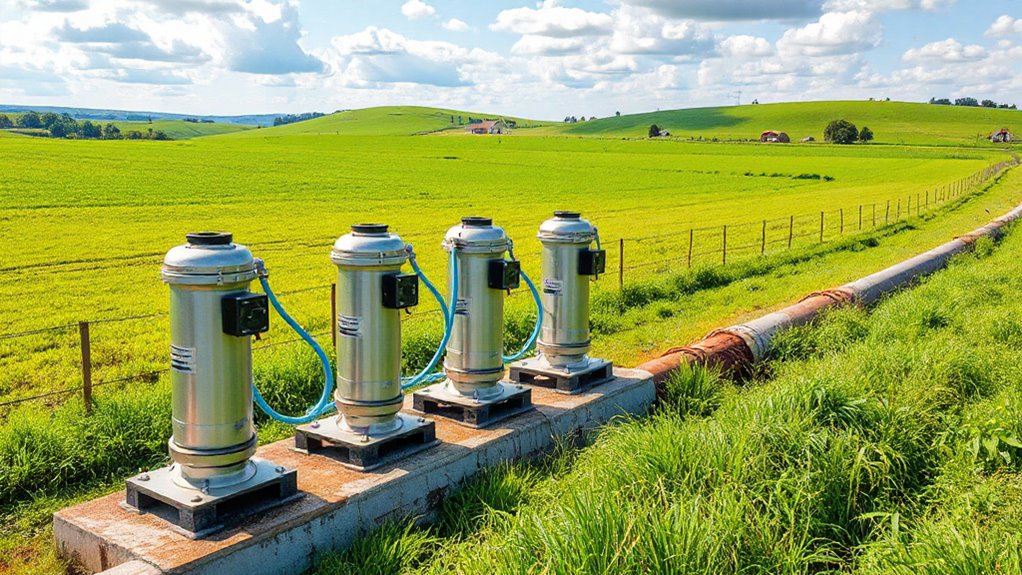

If you’re looking for the best booster pumps for long rural water lines in 2026, I recommend considering the LANCHEZ 1HP Stainless Steel Water Pump, a 1.6HP shallow well pump with a pressure tank, the LANCHEZ 1/2HP Shallow Well Garden Water Pump, and a reliable 1HP electric booster pump. These models stand out for their durability, high flow rates, and ability to handle elevation changes. Keep reading to discover more detailed features that can help you make the perfect choice.
Open a free Amazon Business account
Business pricing, bulk buying and tax-exempt orders.
Create a free accountAs an affiliate, we earn on qualifying purchases.
Key Takeaways
- Choose booster pumps with high head height ratings (over 150 ft) to overcome elevation and friction in long rural lines.
- Prioritize corrosion-resistant materials like stainless steel or thermoplastic for durability outdoors.
- Opt for models with thermal overload protection and weatherproof enclosures for safe, reliable operation.
- Consider pumps with automatic pressure tanks and gauges to maintain consistent water pressure.
- Select energy-efficient pumps with suitable horsepower (around 1 HP) to optimize performance and reduce costs.
| LANCHEZ 1HP Stainless Steel Water Pump for Irrigation | Reliable Power | Power (HP): 1 HP | Max Flow Rate: 1500 GPH | Max Lift Height: 147 feet | VIEW LATEST PRICE | See Our Full Breakdown | |
| 1.6HP Shallow Well Pump with Pressure Tank | Versatile Performance | Power (HP): 1.6 HP | Max Flow Rate: 1268 GPH | Max Lift Height: 157 feet | VIEW LATEST PRICE | See Our Full Breakdown | |
| LANCHEZ 1/2HP Shallow Well Garden Water Pump | Compact Efficiency | Power (HP): 1/2 HP | Max Flow Rate: 1200 GPH | Max Lift Height: 125 feet | VIEW LATEST PRICE | See Our Full Breakdown | |
| Electric Water Booster Pump 1HP for Pool and Irrigation | Heavy-Duty Strength | Power (HP): 1 HP | Max Flow Rate: 871 GPH | Max Lift Height: 98 feet | VIEW LATEST PRICE | See Our Full Breakdown |
More Details on Our Top Picks
-
LANCHEZ 1HP Stainless Steel Water Pump for Irrigation
If you’re looking for a reliable pump to handle long rural water lines, the LANCHEZ 1HP Stainless Steel Water Pump is an excellent choice. It delivers up to 1500 GPH and lifts water up to 147 feet, making it perfect for irrigation and pressure boosting. Its stainless steel construction resists corrosion and stands up to tough environments, while its portable design with a carry handle makes installation easy. The pump operates on 115V with low energy consumption and features thermal overload protection for continuous use. Backed by a 3-year warranty, it’s a durable, efficient solution for long-term water transfer needs in rural settings.
- Power (HP):1 HP
- Max Flow Rate:1500 GPH
- Max Lift Height:147 feet
- Power Source:115V electric
- Construction Material:Stainless steel, thermoplastic
- Application Types:Irrigation, water transfer, pressure boosting
- Additional Feature:Corrosion-resistant stainless steel head
- Additional Feature:Thermally protected overload system
- Additional Feature:Portable with carry handle
-
1.6HP Shallow Well Pump with Pressure Tank
The HP Shallow Well Pump with Pressure Tank is an excellent choice for homeowners and small-scale farmers needing reliable water pressure for irrigation, household use, or cabins. Its 1.6 HP motor delivers up to 1268 gallons per hour with a maximum lift of 157 feet, ensuring efficient water movement. The built-in 19-liter pressure tank and gauge enable automatic, safe pressure regulation, supporting pipe pressurization and water transport. Constructed with durable aluminum and corrosion-resistant parts, it withstands long-term use and harsh conditions. Proper priming and adherence to instructions guarantee safe, straightforward operation, making it a versatile solution for various water supply needs.
- Power (HP):1.6 HP
- Max Flow Rate:1268 GPH
- Max Lift Height:157 feet
- Power Source:115V electric
- Construction Material:Aluminum, corrosion-resistant components
- Application Types:Water transfer, irrigation, household, farm
- Additional Feature:Built-in 19L pressure tank
- Additional Feature:Automatic pressure regulation
- Additional Feature:High-strength aluminum body
-
LANCHEZ 1/2HP Shallow Well Garden Water Pump
For homeowners and gardeners needing a reliable solution for water transfer and pressure boosting, the LANCHEZ 1/2HP Shallow Well Garden Water Pump stands out due to its durable, corrosion-resistant stainless steel construction and a strong flow rate of up to 1200 GPH. It can lift water up to 125 feet, making it ideal for various rural applications like gardens, lawns, and farms. Its reinforced thermoplastic components and thermal overload protection ensure continuous, dependable operation. Easy to clean and maintain, this pump is perfect for pressure boosting and irrigation tasks, offering a cost-effective, long-lasting option for long rural water lines.
- Power (HP):1/2 HP
- Max Flow Rate:1200 GPH
- Max Lift Height:125 feet
- Power Source:115V electric
- Construction Material:Stainless steel, thermoplastic
- Application Types:Water transfer, pressure boosting, irrigation
- Additional Feature:Reinforced thermoplastic components
- Additional Feature:Corrosion-resistant stainless steel
- Additional Feature:Suitable for pressure boosting
Electric Water Booster Pump 1HP for Pool and Irrigation
This 1HP electric booster pump stands out with its powerful motor capable of lifting water up to 98 feet, making it ideal for maintaining consistent pressure in pool and irrigation systems. With a flow rate of 871 GPH and a max head of 161 feet, it handles water transfer, household supply, and pond maintenance efficiently. Its cast iron body guarantees durability under demanding conditions, while thermal overload protection adds safety. Easy to set up and operate, this pump is energy-efficient and reliable, perfect for long-term use in rural water systems, farms, or pools. It’s a versatile solution that combines power, safety, and longevity.
- Power (HP):1 HP
- Max Flow Rate:871 GPH
- Max Lift Height:98 feet
- Power Source:110V electric
- Construction Material:Cast iron
- Application Types:Pool, pond, irrigation, water transfer
- Additional Feature:Cast iron durable body
- Additional Feature:Built-in thermal overload protection
- Additional Feature:Versatile for pools, ponds
Factors to Consider When Choosing a Booster Pump for Long Rural Water Line
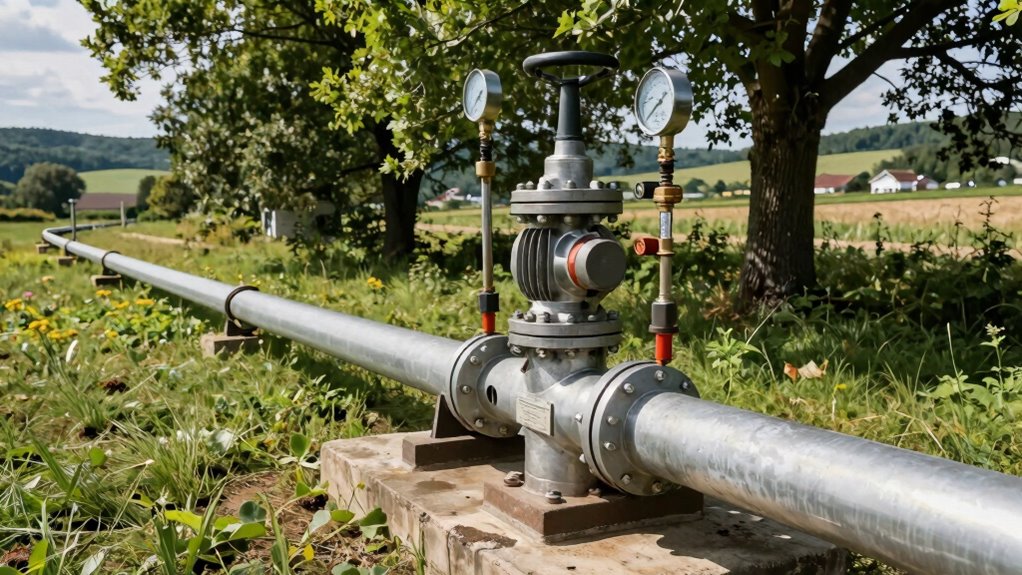
When selecting a booster pump for a long rural water line, I consider several key factors to ensure peak performance. These include the pump’s power needs, head height capabilities, durability, ease of installation, and energy efficiency. Focusing on these points helps me choose a pump that’s reliable and suited to my specific setup.
Pump Power Requirements
Choosing the right booster pump power starts with understanding how the length and diameter of your water line impact resistance. Longer and narrower pipes increase friction and head loss, requiring more power to maintain flow and pressure. Typically, a pump with at least 1 HP is needed for long rural lines to ensure adequate water delivery. Insufficient power results in low pressure, decreased flow rate, and potential damage to the system. Conversely, overpowered pumps consume unnecessary energy, raising operational costs without added benefit. The motor wattage, such as 1100 watts for a 1 HP pump, indicates its capacity to overcome head height and friction losses. Selecting the correct horsepower is essential to balance performance and efficiency, ensuring reliable water flow without wasting energy.
Head Height Capabilities
Understanding a booster pump’s head height capabilities helps guarantee your water line can attain its intended elevation. Head height refers to the maximum vertical distance the pump can lift water, which is crucial for long rural lines with significant elevation changes. Pumps with higher head height ratings can push water further and over taller obstacles. Typically measured in feet or meters, this capacity must exceed the total vertical distance your water needs to travel. It’s important to account for factors like pipe friction, fittings, and elevation shifts, all of which can reduce effective head height. Choosing a pump with a higher rated head height provides a safety margin, ensuring reliable water delivery even under less-than-ideal conditions. Proper matching of head height to your water line’s requirements is essential for efficient operation.
Durability in Environment
Selecting a booster pump that can withstand the environmental conditions in rural settings is crucial for reliable long-term operation. I look for pumps made from corrosion-resistant materials like stainless steel or thermoplastic, ensuring they resist moisture and soil exposure. Durability is key, so I choose models with reinforced components that handle temperature fluctuations and debris without failure. Weatherproof enclosures and sealed electrical connections protect against water ingress, which is common outdoors. Additionally, thermal overload protection helps prevent damage from continuous operation and environmental stresses. Regular maintenance and inspections are also essential to catch wear and corrosion early, extending the pump’s lifespan in challenging rural environments. Prioritizing durability means fewer breakdowns and more reliable water delivery over time.
Installation and Priming
Proper priming is essential for ensuring your booster pump operates smoothly and efficiently. It involves filling the pump casing and suction line with clean water to prevent dry running and seal damage. To do this, remove the priming plug from the intake or street tee, allowing water to flow into the pump and eliminate air pockets. Removing these air pockets is vital because they can cause cavitation, reduce flow, and damage pump components. Some booster pumps come with built-in automatic priming features or self-priming capabilities, making setup easier. Regularly checking the pump and re-priming if needed helps maintain optimal performance and extends the system’s lifespan. Proper installation and priming are critical steps for long-term reliable operation in rural water systems.
Energy Efficiency Factors
When choosing a booster pump for long rural water lines, energy efficiency should be a top priority because it directly impacts operating costs and system sustainability. Pumps with high motor efficiency ratings consume less power over time, saving money. Opting for models with variable speed drives allows the pump to adjust performance based on real-time demand, reducing unnecessary energy use. Proper insulation and sealing minimize heat loss and leaks, further cutting energy waste. Pumps designed with low-friction components and optimized impellers also decrease power consumption while maintaining flow rates. Regular maintenance and correct installation are essential to keep the pump operating at peak efficiency, preventing issues that cause energy loss. Overall, selecting an energy-efficient pump guarantees reliable operation and long-term savings.
Frequently Asked Questions
How Do Booster Pumps Affect Water Pressure Consistency Over Long Distances?
Booster pumps improve water pressure consistency over long distances by actively increasing flow and overcoming pressure drops. I’ve seen firsthand how they maintain steady pressure, ensuring reliable water delivery even at the far ends of rural lines. By boosting flow, these pumps prevent fluctuations and low-pressure issues, making sure your water supply remains steady and dependable, regardless of the line length.
What Maintenance Is Required to Ensure Durability of Rural Booster Pumps?
Think of your booster pump as a trusty old steamboat; it needs regular care to keep sailing smoothly. I check and replace filters, lubricate moving parts, and inspect for leaks monthly. I also keep an eye on electrical connections and monitor performance. By doing this routine maintenance, I guarantee my pump stays durable, reliable, and ready to deliver steady water pressure, no matter how long the journey.
Are There Eco-Friendly Booster Pump Options for Rural Water Systems?
Yes, there are eco-friendly booster pump options available for rural water systems. I recommend looking for models with energy-efficient motors, such as those with variable frequency drives, which adjust power use based on demand. Solar-powered pumps are also a great choice, reducing reliance on grid electricity and lowering carbon footprints. These options help you maintain a sustainable water system while saving on energy costs.
How Does Pipe Diameter Influence Booster Pump Performance?
Imagine I’m a seasoned engineer from the Victorian era—pipe diameter greatly influences booster pump performance. Larger diameters reduce flow resistance, allowing the pump to move water more effectively and at higher volumes. Conversely, smaller pipes increase resistance, forcing the pump to work harder, which can lead to quicker wear and energy loss. Choosing the right diameter guarantees ideal pump function, energy efficiency, and longevity for your rural water system.
What Safety Features Should Be Prioritized in Booster Pump Selection?
When selecting a booster pump, I prioritize safety features like automatic shutoff, pressure relief valves, and thermal overload protection. These features prevent damage to the pump and guarantee user safety during operation. I also look for easy access to controls and clear warning indicators. Prioritizing these safety elements helps me avoid emergencies and keeps the system running smoothly, especially in long rural water lines where issues can quickly escalate.
Conclusion
Choosing the right booster pump is like finding the perfect key to a locked door—once you get it right, everything flows smoothly. Whether you need powerful irrigation, garden watering, or pool circulation, the options I’ve shared are excellent for long rural water lines. Just remember to take into account your specific needs and pressure requirements. With the right pump, your water flow will be as steady as a heartbeat, making your rural property more efficient and enjoyable.
Fall Picks
fall essentials
As an affiliate, we earn on qualifying purchases.