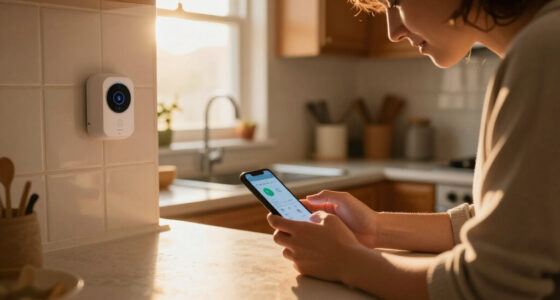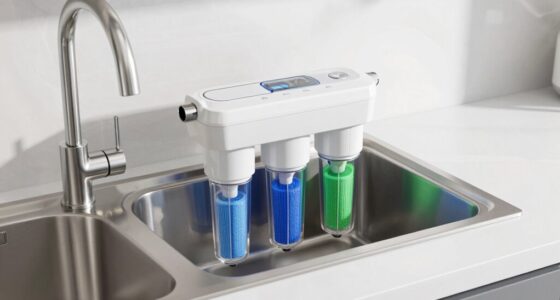
Smart water leak detectors turn a silent, expensive disaster — a burst supply line, a failing water heater, a cracked washing machine hose — into a push notification the moment water appears. After comparing 13 current models, the YoLink Water Leak Sensor 4-Pack with Hub stands out as the best overall pick thanks to its quarter-mile wireless range, loud 105 dB alarms, and a hub that keeps sensors reporting even in basements and crawl spaces where Wi-Fi struggles. The GoveeLife Upgraded Detector 4-Pack is the best value for most homes, while the Moen Flo Detector suits buyers who want a premium, app-monitoring-first experience. The core tradeoff in this category is between hub-based systems with long range and cheaper Wi-Fi-only units that are simpler to set up but less reliable far from your router. Multi-packs dominate the lineup because coverage area matters more than any single sensor’s features. Read on for the full breakdown, including which pack sizes make sense for different homes.

Get home appliances delivered free with Prime
- Fast, free delivery on millions of items
- Prime Video, Amazon Music and more included
- Member-only deals all year
Complete the kit


Key Takeaways
- Hub-based systems (YoLink) beat Wi-Fi-only detectors (GoveeLife, X-Sense) for reach: YoLink‘s LoRa-based sensors maintain a quarter-mile range, making them the clear choice for basements, crawl spaces, and detached structures where home Wi-Fi weakens.
- GoveeLife offers the widest range of pack sizes (1, 2, 3, 4, 5, and 6 packs, plus a cable-sensor variant), so it wins on flexibility — but its alerts depend entirely on your 2.4 GHz Wi-Fi network staying up.
- The GoveeLife cable-sensor model is the only detector here that can cover an entire water heater or sump pit perimeter with one unit, a meaningful advantage over puck-style sensors that only detect water at a single point.
- Moen Flo sensors cost noticeably more per unit than GoveeLife equivalents, and that premium only pays off if you plan to integrate with Moen‘s broader Flo ecosystem — as standalone detectors, they are hard to justify.
- Multi-packs almost always deliver better per-sensor value: the 4- and 6-pack configurations from both GoveeLife and YoLink undercut the single-unit price by a wide margin, and most homes need at least 3–4 sensors (water heater, washing machine, under sinks, sump) for real coverage.
| X-Sense Wi-Fi Water Leak Detector Kit, 3 Sensors + Base, SWS54 | 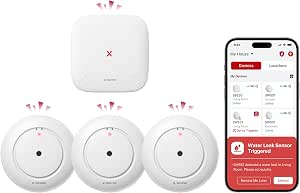 | Best Overall | Detection Probes: 6 (2 upper, 4 bottom) | Alarm Volume: 120 dB | Wireless Range: 1,804 ft (550 m) | VIEW LATEST PRICE | See Our Full Breakdown |
| GoveeLife Upgraded Smart Water Leak Detector 1s – 1 Pack |  | Best Single-Sensor Pick | Connectivity: Sub-1G long-range wireless up to 1,804 ft | Alarm Volume: Up to 105 dB | Waterproof Rating: IP67 | VIEW LATEST PRICE | See Our Full Breakdown |
| GoveeLife Upgraded Smart Water Leak Detector with 4.92 ft Cable, 1 Pack |  | Best for Hard-to-Reach Spots | Cable Length: 4.92 ft | Detection Modes: Water alarm + water level monitoring | Alarm Volume: 105 dB | VIEW LATEST PRICE | See Our Full Breakdown |
| GoveeLife Upgraded Smart Water Leak Detector 4 Pack |  | Best Multi-Room Value | Units Included: 4 sensors | Connectivity: Sub-1G wireless, up to 1,804 ft | Alarm Volume: Up to 105 dB, 4 levels | VIEW LATEST PRICE | See Our Full Breakdown |
| Moen Flo Detector, WiFi Enabled Water & Moisture Sensors, 3 pcs |  | Best for Whole-Home Water Systems | Units Included: 3 sensors | Connectivity: Wi-Fi (2.4 GHz) | Compatibility: Moen Smart Water Network | VIEW LATEST PRICE | See Our Full Breakdown |
| YoLink Water Leak Sensor 4-Pack with Hub and 105 dB Alarm Kit |  | Best Starter Kit with Hub | Sensors Included: 4 | Hub: Included | Alarm Volume: 105 dB | VIEW LATEST PRICE | See Our Full Breakdown |
| YoLink Water Leak Sensor 4 with 105 dB Alarm Kit: 6-Pack + Hub |  | Best for Large Properties | Sensors Included: 6 | Hub: Included | Alarm Volume: 105 dB | VIEW LATEST PRICE | See Our Full Breakdown |
| GoveeLife Upgraded Smart Water Leak Detector 1s (5 Pack) |  | Best Value Multi-Pack | Sensors Included: 5 | Waterproof Rating: IP67 | Alarm Volume: Up to 105 dB | VIEW LATEST PRICE | See Our Full Breakdown |
| GoveeLife Upgraded Smart Water Leak Detector 3 Pack |  | Best for Apartments and Small Homes | Sensors Included: 3 | Waterproof Rating: IP67 | Alarm Volume: Up to 105 dB, 4 volume levels | VIEW LATEST PRICE | See Our Full Breakdown |
| GoveeLife Smart Water Leak Detector 2 (4 Pack) |  | Best Smart Home Integration | Sensors Included: 4 | Compatible Devices: Alexa, Google Assistant, IFTTT | Alarm Volume: 100 dB | VIEW LATEST PRICE | See Our Full Breakdown |
| Moen Flo Detector, WiFi Enabled Water & Moisture Sensor, 1 pc, 920-004 |  | Best for Smart Home Integration | Connectivity: Wi-Fi (2.4 GHz) | Power Source: Battery powered (lithium) | Alerts: Mobile app notifications and built-in alarm | VIEW LATEST PRICE | See Our Full Breakdown |
| GoveeLife Upgraded Smart Water Leak Detector 2 Pack |  | Best Value for Small Homes | Sensors Included: 2 | Connectivity: Sub-1G long-range wireless, 1804 ft | Wi-Fi Requirement: 2.4G Wi-Fi | VIEW LATEST PRICE | See Our Full Breakdown |
| GoveeLife Upgraded Smart Water Leak Detector 6 Pack |  | Best for Whole-Property Coverage | Sensors Included: 6 | Connectivity: Long-range wireless, 1804 ft | Alarm Volume: Up to 105 dB, adjustable | VIEW LATEST PRICE | See Our Full Breakdown |
| smart water leak detector | Alarm Volume | Battery Life | Connectivity | Waterproof Rating |
|---|---|---|---|---|
| X-Sense Wi-Fi Water Leak Detec | 120 dB | — | — | — |
| GoveeLife Upgraded Smart Water | Up to 105 dB | 5 years | Sub-1G long-range wireless up to 1,804 ft | IP67 |
| GoveeLife Upgraded Smart Water | 105 dB | — | — | IP67 |
| GoveeLife Upgraded Smart Water | Up to 105 dB, 4 levels | 5 years | Sub-1G wireless, up to 1,804 ft | IP67 |
| Moen Flo Detector | — | — | Wi-Fi (2.4 GHz) | — |
| YoLink Water Leak Sensor 4-Pac | 105 dB | Up to 5 years (8 AAA included) | LoRa (up to 1,000 ft range) | — |
| YoLink Water Leak Sensor 4 wit | 105 dB | Up to 5 years (2 AAA per sensor) | LoRa, Wi-Fi | — |
| GoveeLife Upgraded Smart Water | Up to 105 dB | 5 years (10 AAA included) | — | IP67 |
| GoveeLife Upgraded Smart Water | Up to 105 dB, 4 volume levels | 5 years | — | IP67 |
| GoveeLife Smart Water Leak Det | 100 dB | Over 5 years (8 AAA included) | — | IP66 |
| Moen Flo Detector | — | — | Wi-Fi (2.4 GHz) | — |
| GoveeLife Upgraded Smart Water | Up to 105 dB, adjustable | 5 years | Sub-1G long-range wireless, 1804 ft | IP67 |
| GoveeLife Upgraded Smart Water | Up to 105 dB, adjustable | 5 years per sensor | Long-range wireless, 1804 ft | IP67 |
More Details on Our Top Picks
X-Sense Wi-Fi Water Leak Detector Kit, 3 Sensors + Base, SWS54
Most leak sensors in this roundup detect water from a single flat pad on the bottom, which means a drip from an overhead pipe can soak your floor before anything triggers. The X-Sense SWS54 solves this with six probes split between top and bottom, catching drips from above and pooling from below in the same unit. The 120 dB alarm is louder than the 105 dB GoveeLife detectors, which matters if a sensor sits in a basement while you’re upstairs. With three sensors, a 1,804 ft wireless range, and sharing for up to 12 users, this kit covers a whole house out of the box. The tradeoff is familiar: 2.4 GHz Wi-Fi only, and full functionality depends on the app.
Pros:- Six detection probes catch leaks from above and below, unlike single-pad sensors
- 120 dB alarm is among the loudest in this lineup
- Three sensors plus 1,804 ft range covers large homes in one purchase
- Sharing with up to 12 users keeps the whole household alerted
Cons:- No 5 GHz Wi-Fi support
- Full feature set requires smartphone app setup and account
Best for: Homeowners who want whole-house coverage from one kit and need to catch leaks from pipes overhead, not just floor pooling
Not ideal for: Households on 5 GHz-only networks or buyers who want a plug-and-play sensor without app setup
- Detection Probes:6 (2 upper, 4 bottom)
- Alarm Volume:120 dB
- Wireless Range:1,804 ft (550 m)
- App Notifications:Yes
- User Sharing:Up to 12 users
- Water Resistance:IP66
- Wi-Fi Compatibility:2.4 GHz only
- Kit Contents:3 sensors + base station
Our verdict“If you want the most complete detection coverage and loudest alerts from a single kit, this is the strongest all-around choice.”
GoveeLife Upgraded Smart Water Leak Detector 1s – 1 Pack
Not everyone needs a multi-pack. If you have one trouble spot — a water heater pan, a sump corner, behind the washing machine — this single GoveeLife Detector 1s is the cheapest way into GoveeLife’s alert ecosystem. It matches the 4-pack version (B0FPQY1HYS) feature for feature: Sub-1G connectivity up to 1,804 ft, SMS, email, and app alerts, IP67 waterproofing, and a 5-year battery. Compared with the X-Sense SWS54, the alarm is quieter at 105 dB and detection is limited to a bottom pad, but the IP67 rating is actually tougher than X-Sense’s IP66. The limitations are worth knowing: it pairs only with GoveeLife H5059/H5830 hubs, and alarm volume adjusts across just four levels.
Pros:- 5-year battery means essentially zero maintenance after setup
- SMS, email, and app alerts give three redundant notification channels
- IP67 waterproofing survives splashes and humidity
- Long-range Sub-1G connectivity reaches distant corners of large homes
Cons:- Requires 2.4 GHz Wi-Fi and GoveeLife H5059/H5830 gateway compatibility
- Alarm volume limited to four preset levels
- Single bottom detection pad misses overhead drips
Best for: Renters or homeowners protecting one specific trouble spot on a budget
Not ideal for: Anyone covering multiple rooms — the per-unit cost of singles adds up fast versus the 4-pack
- Connectivity:Sub-1G long-range wireless up to 1,804 ft
- Alarm Volume:Up to 105 dB
- Waterproof Rating:IP67
- Battery Life:5 years
- Notifications:SMS, app, email
- Supported Wi-Fi:2.4 GHz only
- Sensor Compatibility:GoveeLife H5059/H5830
Our verdict“The smart buy when you only need one sensor and want GoveeLife’s full alert system at the lowest entry price.”
GoveeLife Upgraded Smart Water Leak Detector with 4.92 ft Cable, 1 Pack
Some leaks happen where no sensor can comfortably sit — under a built-in dishwasher, inside a cramped utility closet, at the base of a sump pit. This GoveeLife model is the only detector in this lineup with a 4.92 ft flexible cable, letting the main unit stay dry and accessible while the sensing end reaches into tight spaces. It also adds a second trick none of the other GoveeLife picks here offer: dual detection modes covering both leak alarms and water-level monitoring, useful for tracking a slowly rising sump. The rest of the package mirrors the Detector 1s — 105 dB alarm, 1,804 ft range, SMS/email/app alerts. Costs come in the form of six AAA batteries to replace down the road and an app setup some buyers find fiddly.
Pros:- 4.92 ft cable reaches leaks no standard sensor placement can access
- Dual modes add water-level monitoring on top of leak alarms
- Works with Alexa and Google in addition to the app
- 5-year battery life keeps maintenance minimal
Cons:- Requires 6 AAA batteries for full operation
- App setup reported as complex by some users
- 2.4 GHz Wi-Fi only
Best for: Homeowners monitoring enclosed or awkward spaces like under-dishwasher gaps, sump pits, or tight utility closets
Not ideal for: Open-floor coverage jobs, where a cheaper pad-style sensor like the Detector 1s does the same thing without the cable
- Cable Length:4.92 ft
- Detection Modes:Water alarm + water level monitoring
- Alarm Volume:105 dB
- Maximum Range:550 m (1,804 ft)
- Waterproof Rating:IP67
- Batteries:6 AAA alkaline
- Compatibility:Alexa, Google, smartphone app
Our verdict“Buy this when the leak location is the problem — the cable and level-monitoring features justify it over standard pad sensors.”
GoveeLife Upgraded Smart Water Leak Detector 4 Pack
Once you’re covering a basement, a laundry room, a kitchen, and a water heater, buying singles stops making sense. This 4-pack delivers the same Detector 1s hardware at a meaningfully lower per-sensor price, with identical 1,804 ft Sub-1G range, IP67 housings, and 5-year batteries. Against the X-Sense SWS54 kit, you give up the top-mounted probes and 15 dB of alarm volume, but you gain remote alarm silencing from the app — a genuinely useful feature the X-Sense lacks when a sensor trips in a hard-to-reach spot. Note the ecosystem constraints before committing: gateway pairing works only with GoveeLife H5059/H5830 sensors, and there’s no native smart-home platform integration, so buyers deep in Homekit or Alexa routines should plan around the app alone.
Pros:- Four sensors at a strong per-unit price versus buying singles
- Remote alarm silence from the app, which X-Sense doesn’t offer
- IP67 waterproofing and 5-year batteries across all four units
- 1,804 ft range handles basements and detached areas
Cons:- 2.4 GHz Wi-Fi only
- Gateway pairing restricted to H5059/H5830 sensors
- No native smart-home platform integration
Best for: Homeowners outfitting multiple leak-prone rooms at once who want the lowest cost per covered zone
Not ideal for: Smart-home tinkerers wanting HomeKit or third-party integrations, since alerts live entirely in the GoveeLife app
- Units Included:4 sensors
- Connectivity:Sub-1G wireless, up to 1,804 ft
- Alarm Volume:Up to 105 dB, 4 levels
- Waterproof Rating:IP67
- Battery Life:5 years
- App Features:Push notifications, find device, alarm silence
- Supported Wi-Fi:2.4 GHz
Our verdict“The most efficient way to blanket several rooms in leak protection, provided you’re comfortable living inside the GoveeLife app.”
Moen Flo Detector, WiFi Enabled Water & Moisture Sensors, 3 pcs
The Moen Flo Detector 3-pack is the only option here that plugs into a whole-home water management ecosystem. Pair these sensors with the Moen Flo Smart Water Shutoff (sold separately) and a detected leak doesn’t just ping your phone — it can automatically cut off your home’s water supply. No GoveeLife or X-Sense sensor in this roundup can take physical action; they only alert. That proactive capability is why this costs more per sensor. Without the shutoff valve, though, you’re paying a premium for what is essentially a standard alerting sensor — the GoveeLife 4-pack delivers comparable notifications for less. Battery life also varies with usage, and like everything else here, it needs 2.4 GHz Wi-Fi.
Pros:- Integrates with Moen Flo for automatic whole-home water shutoff on detection
- Real-time remote alerts through the Moen Smart Water app
- Three-sensor set covers basement, laundry, and kitchen from one purchase
- Expandable within the Moen ecosystem as needs grow
Cons:- Full functionality depends on pairing with the separately sold Moen Flo Shutoff
- Premium price versus同等 GoveeLife multi-packs
- Battery life varies with usage
Best for: Owners of (or buyers planning to add) the Moen Flo Smart Water Shutoff who want sensors that can trigger automatic water cutoff
Not ideal for: Budget-focused buyers without a Moen shutoff valve, since the detection-only experience costs more than GoveeLife equivalents
- Units Included:3 sensors
- Connectivity:Wi-Fi (2.4 GHz)
- Compatibility:Moen Smart Water Network
- Use Cases:Leak detection, moisture monitoring
- Power:Battery operated
- Alerts:Real-time via Moen Smart Water app
Our verdict“Worth the premium only if you’re building — or already own — a Moen Flo system that can actually shut your water off.”
YoLink Water Leak Sensor 4-Pack with Hub and 105 dB Alarm Kit
This option stands out for bundling everything a first-time buyer needs: a hub, four sensors, and loud 105 dB alarms in one box. Compared with the GoveeLife Smart Water Leak Detector 2, the YoLink kit’s LoRa connection reaches a shorter 1,000 feet, but it gains something GoveeLife can’t match — the system keeps working locally during internet outages, so a leak under the water heater still triggers an alarm when your Wi-Fi is down. The platform scales to over 300 devices, which matters if you plan to expand into multiple rooms later. The tradeoff is ecosystem lock-in: this hub speaks YoLink’s language, not Alexa or IFTTT, and you’ll be feeding it 8 AAA batteries across the fleet eventually.
Pros:- Complete kit with hub included, no separate gateway purchase needed
- Works without internet for local alarm protection during outages
- Scales to 300+ devices for whole-home expansion
- 5-year battery life keeps maintenance minimal
- 105 dB alarm is loud enough to hear from another room
Cons:- Locked into the YoLink ecosystem with no third-party smart home integration
- 8 AAA batteries across the four sensors add eventual replacement cost
Best for: First-time smart home buyers who want a complete, plug-in-and-go kit covering four leak-prone spots with room to grow
Not ideal for: Households already committed to Alexa or Google routines — the closed YoLink ecosystem won’t integrate with them
- Sensors Included:4
- Hub:Included
- Alarm Volume:105 dB
- Connectivity:LoRa (up to 1,000 ft range)
- Alerts:App, email, SMS
- Battery Life:Up to 5 years (8 AAA included)
- Mounting:Floor mount
Our verdict“A smart buy for anyone starting from zero who values outage-proof alarms over smart home integrations.”
YoLink Water Leak Sensor 4 with 105 dB Alarm Kit: 6-Pack + Hub
Where the YoLink 4-Pack covers the basics, this six-sensor version makes sense for homes with more ground to defend — basements, laundry rooms, water heaters, sump pumps, and under every sink. The standout spec is open-air range up to 2,034 feet, which beats both the YoLink 4-Pack (1,000 ft) and the GoveeLife Detector 1s 5-Pack (1,804 ft), so sensors in a detached garage or far corner of a large home stay reliably connected. Like its smaller sibling, it runs without internet, giving you local alarms during outages. The catch is the same: it’s a single-purpose water sensor system within YoLink’s closed ecosystem, and six sensors means six eventual battery swaps.
Pros:- Class-leading 2,034 ft open-air range for outbuildings and large homes
- Six sensors from a single hub lowers per-sensor cost
- Internet-free operation keeps alarms live during outages
- 105 dB built-in alarms on every sensor
Cons:- Single-purpose sensors — no temperature or multi-hazard detection
- Closed YoLink ecosystem limits smart home automation options
- Six sensors means eventual replacement of many batteries
Best for: Owners of large homes or outbuildings who need six monitoring points and maximum wireless range from one hub
Not ideal for: Apartment or condo dwellers — six sensors and 2,034 feet of range is overkill you’ll pay for without using
- Sensors Included:6
- Hub:Included
- Alarm Volume:105 dB
- Range:Up to 2,034 ft open-air
- Battery Life:Up to 5 years (2 AAA per sensor)
- Alerts:App, email, SMS
- Connectivity:LoRa, Wi-Fi
Our verdict“The pick when coverage area, not price per sensor, is the deciding factor.”
GoveeLife Upgraded Smart Water Leak Detector 1s (5 Pack)
Five sensors at this price makes this the strongest cost-per-sensor proposition in the lineup, and the IP67 waterproof rating is the real differentiator — it’s a full notch above the GoveeLife Smart Water Leak Detector 2‘s IP66, meaning the sensors themselves can survive direct water exposure, not just humidity. That matters if a detector sits in a sump pit that actually floods. Range is solid at 1,804 feet via sub-1G wireless, comfortably covering most single-family homes. The tradeoff: this kit needs a 2.4G Wi-Fi network and a GoveeLife gateway, and unlike the YoLink kits, it won’t alert you by phone if your internet is down — though the on-board alarm still sounds.
Pros:- Excellent per-sensor value in a five-pack
- IP67 waterproofing survives direct water exposure
- 1,804 ft range suits whole-home coverage
- Triple alert channels: SMS, email, and app push
Cons:- Requires 2.4G Wi-Fi and a compatible gateway
- No remote alerts during internet outages
- Tied to specific GoveeLife app and sensor models
Best for: Budget-minded homeowners covering five leak points who want waterproof sensors near sump pumps or floor drains
Not ideal for: Buyers without a 2.4G Wi-Fi network or those wanting outage-proof remote alerts — this system depends on internet connectivity
- Sensors Included:5
- Waterproof Rating:IP67
- Alarm Volume:Up to 105 dB
- Range:Up to 1,804 ft
- Battery Life:5 years (10 AAA included)
- Alerts:SMS, email, app
Our verdict“The best bang-for-buck way to blanket a home in leak coverage, as long as your Wi-Fi is dependable.”
GoveeLife Upgraded Smart Water Leak Detector 3 Pack
Not everyone needs six sensors strung across a basement, and this three-pack is sized for exactly that reality: under the kitchen sink, behind the washing machine, and by the water heater. Compared with the GoveeLife 1s 5-Pack, you get the same IP67 waterproofing and 1,804-foot range but with a feature renters will appreciate — four adjustable alarm volume levels, so a midnight leak alert doesn’t rattle thin apartment walls at full blast. The app adds practical touches like device-find and remote alarm silence. The limitation mirrors the rest of the GoveeLife family: 2.4G Wi-Fi only, and compatibility is pinned to specific sensor models (H5059/H5830), so mixing older Govee gear may not work.
Pros:- Right-sized for apartments and condos without paying for unused sensors
- Four alarm volume levels suit shared walls and light sleepers
- IP67 waterproof rating for wet locations
- Handy app features including alarm silence and device-find
Cons:- 2.4G Wi-Fi only — no 5G network support
- Locked to specific GoveeLife sensor models (H5059/H5830)
- Higher cost per sensor than larger packs
Best for: Renters and small-home owners monitoring two or three high-risk spots who want volume control for close quarters
Not ideal for: Homeowners with 5G-only routers or plans to expand beyond three sensors — the 2.4G requirement and model limits get restrictive fast
- Sensors Included:3
- Waterproof Rating:IP67
- Alarm Volume:Up to 105 dB, 4 volume levels
- Range:Up to 1,804 ft (sub-1G wireless)
- Battery Life:5 years
- Wi-Fi:2.4G only
- Compatible Models:H5059/H5830
Our verdict“A sensible, volume-adjustable three-pack for compact living spaces where fewer sensors and quieter alerts win.”
GoveeLife Smart Water Leak Detector 2 (4 Pack)
This is the pick for buyers whose leak protection needs to live inside a broader smart home setup. Unlike the YoLink kits, which stay inside their own ecosystem, the Detector 2 works with Alexa, Google Assistant, and IFTTT — meaning a detected leak can trigger routines, not just notifications. Its LoRa range of 1,968 feet edges out the GoveeLife 1s models and sits just shy of the YoLink 6-Pack, making it viable for sprawling layouts. The tradeoff is the IP66 rating, one step below the IP67 GoveeLife 1s, and an alarm that tops out at a slightly quieter 100 dB — fine for most homes, but a basement-dweller might want the louder option.
Pros:- Works with Alexa, Google Assistant, and IFTTT for automated responses
- 1,968 ft LoRa range covers large properties
- Battery life exceeds 5 years
- Alerts via SMS, app, email, and voice assistant
Cons:- IP66 waterproofing is a step below the IP67 GoveeLife 1s models
- Gateway limited to 2.4G Wi-Fi
- 100 dB alarm is quieter than the 105 dB competition
Best for: Smart home enthusiasts who want leak alerts wired into Alexa, Google, or IFTTT automation routines
Not ideal for: Buyers without any voice assistant or automation setup — the integration advantage is wasted, and the IP66 rating and quieter alarm make it a worse pure-spec choice
- Sensors Included:4
- Compatible Devices:Alexa, Google Assistant, IFTTT
- Alarm Volume:100 dB
- Range:Up to 1,968.5 ft (LoRa)
- Waterproof Rating:IP66
- Battery Life:Over 5 years (8 AAA included)
- Alerts:SMS, app, email, voice assistant
Our verdict“The clear choice if your leak detector needs to talk to the rest of your smart home, not just your phone.”
Moen Flo Detector, WiFi Enabled Water & Moisture Sensor, 1 pc, 920-004
This single-sensor Moen stands out for one thing the GoveeLife lineup can’t match: it’s built to slot into a whole-home Moen water management ecosystem. Unlike the GoveeLife 6 Pack, which is purely about sensing and alerting, this detector pairs with the separately sold Flo Smart Water Monitor and Shutoff — meaning an alert can actually trigger action rather than just a notification. Compared with the GoveeLife 2 Pack, you give up long-range sub-1G connectivity and the 5-year battery, and you’ll need a 2.4 GHz network to connect at all. The tradeoff is real: solo, it’s an expensive single sensor. As part of a Flo ecosystem, it’s the smarter play.
Pros:- Integrates with Moen Flo ecosystem for automated shutoff response
- 24/7 leak and moisture detection with real-time app alerts
- Built-in alarm works even if you miss the notification
- Compact enough for under-sink, basement, and laundry placements
Cons:- Full water management capability requires the separately sold Flo Smart Water Monitor
- Battery requires periodic replacement unlike 5-year rivals
- Only works on 2.4 GHz Wi-Fi networks
Best for: Homeowners already invested in Moen Flo ecosystem hardware who want alerts tied to automatic shutoff
Not ideal for: Budget-focused buyers covering multiple rooms — a single sensor here costs more than multi-packs from GoveeLife
- Connectivity:Wi-Fi (2.4 GHz)
- Power Source:Battery powered (lithium)
- Alerts:Mobile app notifications and built-in alarm
- Sensors Included:1
- Ecosystem:Compatible with Moen Flo Smart Water Monitor (sold separately)
- Placement:Basements, laundry rooms, under sinks
Our verdict“Buy this only if you’re building out a Moen Flo system; standalone shoppers get more coverage per dollar from multi-pack competitors.”
GoveeLife Upgraded Smart Water Leak Detector 2 Pack
For a two-spot setup — say, water heater and washing machine — this pair hits a sweet spot the Moen Flo Detector can’t touch on price. You get sub-1G long-range connectivity up to 1804 feet, which outperforms standard Wi-Fi-only sensors in larger homes, plus SMS, app, and email alerts so a missed push notification doesn’t mean a missed leak. The IP67 waterproof housing and 5-year battery mean you can install it under a slop sink and forget it. Compared with the GoveeLife 6 Pack, this is simply the right quantity for smaller households. The drawbacks: it’s locked to 2.4G Wi-Fi, expansion is limited to specific sensor models (H5059/H5830), and the alarm volume is adjustable but not finely tunable.
Pros:- 1804 ft long-range wireless reaches distant water heaters and crawl spaces
- Triple notification channels: SMS, app push, and email
- IP67 waterproof rating survives direct splash zones
- 5-year battery life means near-zero maintenance
Cons:- 2.4G Wi-Fi only — no 5G network compatibility
- System expansion limited to specific compatible sensor models
- Alarm volume may be too loud or too quiet for some preferences
Best for: Apartment dwellers and small-home owners monitoring two high-risk spots like a laundry area and water heater
Not ideal for: Owners of large properties — two sensors won’t cover a basement plus multiple bathrooms and appliances
- Sensors Included:2
- Connectivity:Sub-1G long-range wireless, 1804 ft
- Wi-Fi Requirement:2.4G Wi-Fi
- Alarm Volume:Up to 105 dB, adjustable
- Waterproof Rating:IP67
- Battery Life:5 years
- Alerts:SMS, app push, email
Our verdict“The most sensible entry point for small homes that want set-and-forget coverage of two leak-prone spots.”
GoveeLife Upgraded Smart Water Leak Detector 6 Pack
This is the same detector platform as the GoveeLife 2 Pack, so the question isn’t capability — it’s scale. Six sensors cover a full inventory of risk points: sump pump, dishwasher, fridge line, two bathrooms, water heater, and HVAC drain pan. The remote alarm silencing feature matters more here than with the 2 Pack, because with six units chirping during a minor incident, silencing from your phone instead of hunting down each sensor is a genuine quality-of-life upgrade. Like the YoLink 6-Pack with Hub, it’s aimed at large properties, but GoveeLife undercuts it while matching the 5-year battery and IP67 durability. The shared limitations still apply: 2.4G Wi-Fi only, compatibility restricted to H5059/H5830 sensors, and an alarm that some will find too loud at 105 dB.
Pros:- Six-sensor coverage for whole-home and multi-floor monitoring
- Remote alarm silencing from the app avoids chasing down triggered units
- 1804 ft range handles detached garages and remote crawl spaces
- 5-year batteries and IP67 rating across all six units
Cons:- Requires a 2.4G Wi-Fi network with no 5G support
- Only pairs with specific sensor models (H5059/H5830)
- 105 dB alarm may be excessive for occupied living spaces
Best for: Owners of large homes or rental properties who need to monitor six or more leak-prone locations at once
Not ideal for: Anyone with one or two risk points — the 2 Pack delivers identical performance at a lower outlay
- Sensors Included:6
- Connectivity:Long-range wireless, 1804 ft
- Alarm Volume:Up to 105 dB, adjustable
- Waterproof Rating:IP67
- Battery Life:5 years per sensor
- Alerts:SMS, email, and app notifications
- Remote Features:Remote alarm silencing
Our verdict“The most cost-effective way to blanket a large property in leak protection, provided you’re on 2.4 GHz Wi-Fi.”

How We Picked
I evaluated these 13 detectors through the lens of what actually matters during a leak: how fast the alert reaches your phone, whether the alarm is loud enough to hear from another room, and whether the sensor can still communicate from the spots where leaks actually happen — basements, utility closets, and under appliances. That pushed wireless range and connectivity method to the top of the criteria list, followed by alert reliability (app notifications, SMS, and local siren), sensor design (point detectors versus cable-style perimeter coverage), and per-sensor cost across the various pack sizes.
I also weighed practical ownership factors that spec sheets hide: hub requirements and their added cost, battery type and replacement frequency, whether a detector works without a subscription, and how each ecosystem scales if you add sensors later. The ranking reflects a simple philosophy — a detector that fails to notify you is worse than no detector at all — so systems with robust, redundant alerting rank above cheaper units with single points of failure. Value picks earned their spots by keeping per-sensor costs low without gutting range or alarm volume.
Factors to Consider When Choosing Smart Water Leak Detectors
Choosing between these detectors comes down to matching your home’s layout and leak risk to the right connectivity style, sensor count, and alert strategy. These are the factors that separate a useful purchase from a false sense of security.Wi-Fi, Hub, or Ecosystem?
The single biggest decision is whether to buy a hub-based system or Wi-Fi-only sensors, and the tradeoffs are not obvious from product pages. Wi-Fi detectors like the GoveeLife units connect straight to your router with no extra hardware, which keeps costs down and setup simple — but they depend on a strong 2.4 GHz signal at the sensor’s location, and many water heaters and sump pumps live exactly where Wi-Fi is weakest. Hub-based systems like YoLink use long-range, low-power radio instead, so a sensor in a far corner basement or detached garage stays connected reliably. The catch: the hub adds upfront cost and one more device that must stay powered and online. If you already own a smart home ecosystem (SmartThings, Alexa, Home Assistant), check compatibility before buying, because a cheap detector that cannot join your existing setup ends up as an isolated app you will stop checking.
How Many Sensors Do You Actually Need?
The most common mistake buyers make is purchasing a single detector for an entire house. Water only triggers a sensor it physically touches, so coverage is a numbers game: the minimum practical setup covers the water heater, washing machine, and one under-sink cabinet, which is why 3- and 4-packs dominate this roundup. Homes with basements should add a sensor near the sump pit and near any floor drain; slab foundations shift the risk to supply lines under the house. A useful exercise before shopping is walking your home and listing every appliance or pipe joint that connects to a water line — most people count five or more, not one. Buying a larger pack upfront is almost always cheaper per sensor than starting small and adding units later, and leftover sensors can go under toilets and behind refrigerators with ice makers, two chronic leak sources people forget.
Point Sensors Versus Cable Sensors
Most detectors in this category are pucks that sense water at two small contact points on their base — effective, but a slow trickle can travel along a pipe and drip somewhere the puck is not. Cable-style sensors, like the GoveeLife model with the 4.92 ft cable, sense water along their entire length, so one unit can ring a water heater pan or trace the base of a sump pit. That difference matters most in utility rooms where the leak source is unpredictable; for under-sink cabinets, a puck is usually plenty because the containment area is small. If your main worry is a specific appliance with a known failure zone, the cable version gives materially better odds of early detection. Some buyers pair one cable sensor for the big risk area with cheaper pucks everywhere else, which is a smart hybrid approach.
Alert Redundancy and What Happens When You’re Not Home
An alarm only helps if it reaches you, and the best detector designs layer their notifications. Look for three alert channels: a local siren (85–105 dB) that works even if Wi-Fi drops, app push notifications, and ideally SMS or email as a backup when push fails or your phone is on Do Not Disturb. Siren volume varies more than you might expect — 85 dB is audible in the same room, while 105 dB carries across a floor, which matters at 3 a.m. Also check whether the app supports multiple users, so a partner or roommate gets notified too. Finally, confirm the system does not require a subscription for basic alerts; every model in this roundup works without one, but the broader market includes brands that gate notifications behind monthly fees.
Batteries, Maintenance, and Long-Term Cost
Leak detectors live in dark, damp places for years, and battery behavior determines whether they are still working when it counts. Battery life and type differ meaningfully: hub-based sensors using low-power radio can run two years or more on replaceable cells, while Wi-Fi-only units drain faster because the radio works harder. Check whether the app reports battery level per sensor — a detector with a dead battery is silent failure, the worst outcome in this category. Coin-cell sensors are slim and cheap to feed, but AA-powered units tend to last longer and are easier to source replacements for. Build quality matters too: sensors with sealed, water-resistant housings survive the damp environments they are designed for, while cheaply sealed units can corrode at the contacts within a year.
When to Pay More — and When Not To
Premium pricing in this category usually buys either ecosystem integration or professional-grade reliability, and you should be honest about whether you need either. If you plan to build out a whole-home water protection system with a smart shutoff valve, paying more for brand-matched sensors (like Moen’s Flo line) makes sense because the detectors and valve work as one system. If you just want notifications under the water heater and sinks, the value-tier GoveeLife multi-packs do the same core job for a fraction of the per-sensor price. A middle path many buyers overlook: spend your savings on more sensors rather than fancier ones, because three budget detectors under three appliances protect better than one premium detector under one. The exception is range — if your risk areas are far from your router, do not economize on connectivity; that is the one upgrade with a real reliability payoff.
Frequently Asked Questions
Do I need a hub, or will Wi-Fi detectors work fine in my home?
It depends entirely on where your leak-risk areas sit relative to your router. If your water heater, washing machine, and sinks are all within strong 2.4 GHz Wi-Fi range, Wi-Fi-only detectors like the GoveeLife models work well and save you the hub cost. If your risk areas are in a basement, crawlspace, or far corner of a large home, a hub-based system like YoLink is the safer bet because its long-range radio maintains a connection where Wi-Fi often drops to one bar or disappears. A quick test: stand where the sensor would go and check your phone’s Wi-Fi signal. Weak signal there means weak detector reliability there, and that is the scenario where paying for a hub pays off.
How many leak sensors does a typical house need?
Most homes need at least three to five sensors for meaningful coverage, not one. The priority locations are the water heater (the single most common major leak source), the washing machine supply hoses, under any sink with a garbage disposal or aging plumbing, behind the toilet, and near the sump pit if you have a basement. Refrigerators with ice makers and dishwashers round out the list. Multi-packs exist precisely because of this math: a 4-pack covers the priority spots in one purchase, and the per-sensor price drops sharply compared with buying singles. Starting with one sensor leaves your most expensive failure points unprotected, which defeats the purpose of buying a detector at all.
Can these detectors shut off my water automatically?
No — every product in this roundup is detection-only, meaning they alert you but cannot stop the flow of water. Automatic shutoff requires a separate smart water valve installed on your main supply line, which is a different product category costing several hundred dollars plus often a plumber. Moen’s Flo ecosystem is the natural upgrade path here: the Flo sensors in this list integrate with Moen’s Smart Water Shutoff valve, so if a sensor detects water, the valve can close automatically. If you travel frequently or own a rental property, that detection-plus-shutoff combination is worth the premium. For everyone else, a fast phone notification is usually enough to limit damage if you respond quickly.
Are GoveeLife detectors reliable enough, or should I spend more on Moen or YoLink?
GoveeLife detectors are genuinely reliable for what they are, provided two conditions hold: your 2.4 GHz Wi-Fi is solid where the sensors sit, and you keep up with battery replacements. The upgraded models in this roundup improved alarm volume and responsiveness over earlier versions, and their app notifications are consistent. YoLink earns its higher price through range and redundancy — the hub means sensors keep their connection in spots where GoveeLife units would struggle, and the 105 dB sirens are the loudest here. Moen is the one to question as a standalone purchase: its per-sensor price is the highest in the lineup, and that premium only makes sense if you are buying into the Flo ecosystem. For a typical apartment or well-covered Wi-Fi home, GoveeLife is the rational choice.
What’s the difference between the point sensors and the GoveeLife cable-sensor model?
Point sensors detect water only at the small metal contacts on their base, so they protect effectively one spot — fine for a sink cabinet where any leak pools in a predictable place. The cable-sensor GoveeLife model senses water along its entire 4.92 ft rope, so you can wrap it around a water heater base, lay it along a sump pit rim, or trace it beneath a row of pipes. That means one unit covers a perimeter instead of a point, which dramatically improves detection odds for leaks that spray or travel sideways along a floor. The tradeoff is placement flexibility: the cable model is bulkier and less suited to tucking under a tight-fitting sink or behind a toilet. Many homes benefit from one cable sensor at the big appliance and cheap pucks everywhere else.
Conclusion
The right pick here depends less on any single sensor’s specs and more on your home’s layout and how you plan to expand. For best overall, the YoLink 4-Pack with Hub earns the top spot: the long-range connection, loud sirens, and room to add sensors later make it the most dependable foundation for whole-home leak protection, and the 6-pack version suits larger properties. For best value, the GoveeLife Upgraded 4-Pack delivers the core job — instant app alerts and an audible alarm — at the lowest per-sensor cost in the lineup, ideal for apartments and homes with solid Wi-Fi. For best premium, the Moen Flo 3-pack makes sense specifically for buyers building toward a Flo ecosystem with automatic shutoff; as standalone detectors, the premium is hard to justify. For beginners, a GoveeLife 1-pack or 2-pack is the gentlest entry point: no hub, five-minute setup, and a clear upgrade path to larger packs once you see where you need coverage. And for a specific need — perimeter protection around a water heater or sump pit — the GoveeLife cable-sensor model is the only option here that detects water along a line rather than at a point. Whatever you choose, prioritize sensor count over sensor luxury: more coverage beats fancier hardware almost every time.