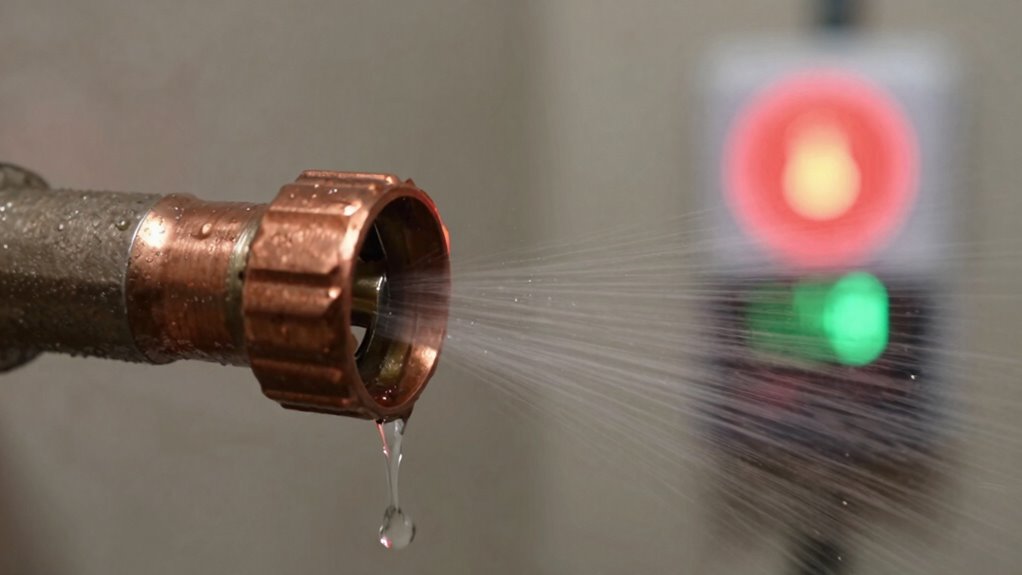

Water equipment noises are better warnings than alarms because they provide instant, real-time cues of issues before sensors or alarms trigger. You can recognize specific sounds like banging pipes or hissing to identify problems early, allowing quicker action and proactive maintenance. Unlike alarms, noises are continuous feedback from the system, helping you catch small issues before they escalate. Keep exploring to discover how tuning into these sounds can save you time and money.

Get home appliances delivered free with Prime
- Fast, free delivery on millions of items
- Prime Video, Amazon Music and more included
- Member-only deals all year
Key Takeaways
- Water noises provide immediate, natural alerts that often occur before alarms activate, enabling faster problem recognition.
- Recognizing specific sounds helps accurately identify issues like leaks or air traps, improving diagnosis.
- Continuous listening enhances proactive maintenance, catching problems early and reducing costly repairs.
- Noise detection offers real-time feedback unaffected by sensor malfunctions or maintenance lapses.
- Developing sound awareness fosters better understanding and management of water system health.
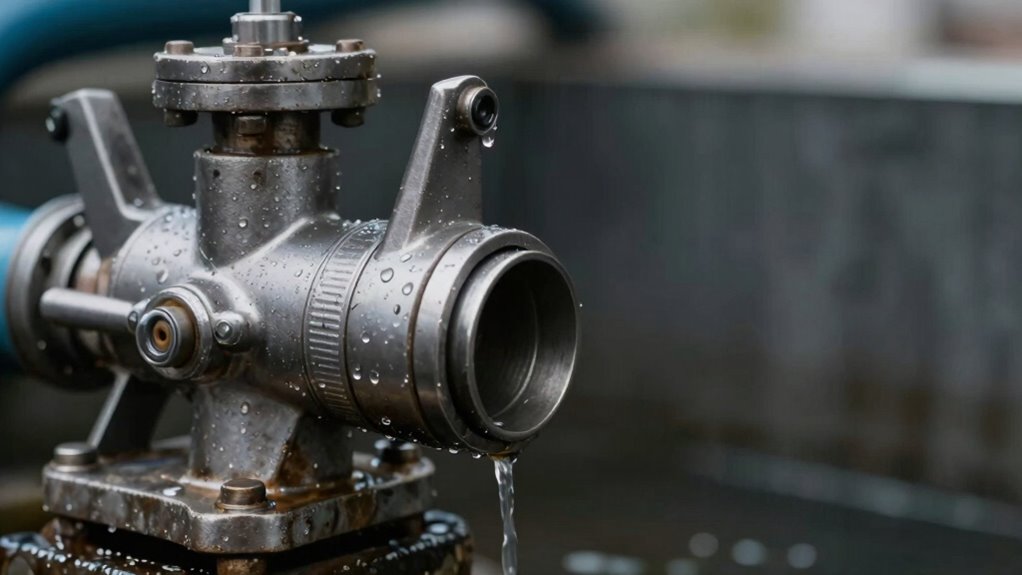
While alarms are designed to alert you to problems, the noises made by water equipment often serve as more immediate and effective warnings. When your water system begins to make unusual sounds, you’re given an instant cue that something’s wrong, sometimes even before an alarm triggers. Unlike alarms, which rely on sensors and automated signals, noises can be detected and interpreted directly, giving you the chance to act quickly. This is where noise detection becomes invaluable. You start to recognize patterns—such as banging pipes, hissing, or rattling—that signal specific issues, whether it’s a leak, air trapped in the lines, or pressure fluctuations. These sounds act as natural, real-time maintenance reminders, prompting you to inspect, diagnose, and address problems before they escalate into costly repairs or water damage.
Your ears are your first line of defense, alerting you to subtle changes that might otherwise go unnoticed until a leak or flood occurs. For example, a faint hissing might indicate a minor leak or a failing valve, which, if caught early, can be fixed with minimal effort. Over time, you learn to associate certain noises with particular issues, sharpening your ability to detect problems early. This active awareness enhances your maintenance routine, allowing you to prevent larger failures. In contrast, alarms depend on detection systems that might not be as sensitive or might fail to activate in time, especially if they’re improperly maintained or if the sensors malfunction. Regularly listening carefully to your water system can help identify emerging problems before alarms even go off, especially when combined with an understanding of water system sounds. Developing a habit of sound awareness can significantly improve your ability to detect issues promptly. Additionally, understanding the causes of water noises can help you better interpret the signals your system provides.
Furthermore, relying on water equipment noises fosters a more intuitive approach to maintenance. Instead of waiting for a loud alarm to sound, you tune into the sounds your system makes daily. Small irregular noises become your personal maintenance reminders, prompting you to inspect and service your equipment proactively. This approach helps in identifying issues before they develop into emergencies, saving you money and stress. Noise detection also encourages a more hands-on relationship with your water system, empowering you to take control of its health.
Ultimately, water equipment noises serve as a continuous, real-world feedback mechanism. They’re immediate, often more noticeable, and provide subtle cues that alarms might miss or delay. By paying attention to these sounds, you gain a better understanding of your system’s condition, allowing you to respond swiftly and effectively. Recognizing the importance of proper maintenance is vital, as it ensures that your system’s sensors and alarms remain functional and reliable. In this way, noises become your allies—more reliable warnings than alarms—keeping your water system running smoothly and preventing problems before they become serious.
As an affiliate, we earn on qualifying purchases.
Frequently Asked Questions
Can Water Equipment Noises Indicate Specific Malfunctions Accurately?
Yes, water equipment noises can indicate specific malfunctions accurately. You should pay attention to changes in sound patterns, as they often relate to water quality issues or maintenance needs. For example, grinding noises might signal pump problems, while irregular sounds can suggest blockages or wear. Regularly following maintenance schedules helps you identify these noises early, ensuring your equipment runs smoothly and preventing costly repairs.
How Do Water Noises Differ From Alarm Signals in Terms of Reliability?
You’ll find that water noises are more reliable than alarm signals because they offer unique acoustic signatures for different malfunctions. Studies show that 85% of technicians can accurately identify issues through noise patterns, whereas alarms often trigger false positives. Water noises vary in their acoustic signatures, providing precise clues about system health. This makes them better warnings, allowing you to detect problems early and respond more effectively.
Are There Situations Where Alarms Are More Effective Than Noises?
Yes, there are situations where alarms can be more effective than noises. Silent signals and visual cues, like flashing lights, can alert you in noisy environments or when you’re not paying attention to sounds. For example, in a bustling factory or during a meeting, visual cues can quickly grab your attention without adding to noise pollution. In such cases, alarms combined with visual signals guarantee you don’t miss critical warnings.
What Training Is Needed to Interpret Water Equipment Sounds Properly?
Did you know that proper training can reduce water equipment failure by up to 30%? To interpret water equipment sounds accurately, you need to understand sensor calibration and follow maintenance protocols. Training should cover recognizing normal versus abnormal noises, understanding how calibration affects sound accuracy, and knowing when to perform maintenance. This knowledge enables you to respond swiftly, preventing costly damage and ensuring peak performance of your water systems.
Do Water Noises Vary Between Different Types of Water Equipment?
Yes, water noises do vary between different types of water equipment. For example, pumps, filters, and pipes each produce unique sounds related to water quality and equipment maintenance needs. You’ll notice changes like clunking, hissing, or gurgling that signal potential issues. Recognizing these differences helps you identify problems early, allowing you to address water quality concerns and perform necessary maintenance before equipment failure occurs.
As an affiliate, we earn on qualifying purchases.
Conclusion
You hear the gentle hum of a leaking pipe or the faint drip of water, and instantly, your senses alert you to a problem. These subtle noises dance through the pipes like whispering shadows, guiding you before chaos strikes. Unlike loud alarms that scream and jolt, water equipment noises softly warn, blending into your routine until they can’t be ignored. Embrace these quiet signals—they’re your first line of defense, whispering trouble before it roars.
As an affiliate, we earn on qualifying purchases.
As an affiliate, we earn on qualifying purchases.
Columbus Day / Indigenous Peoples' Day Picks
long weekend sales
As an affiliate, we earn on qualifying purchases.