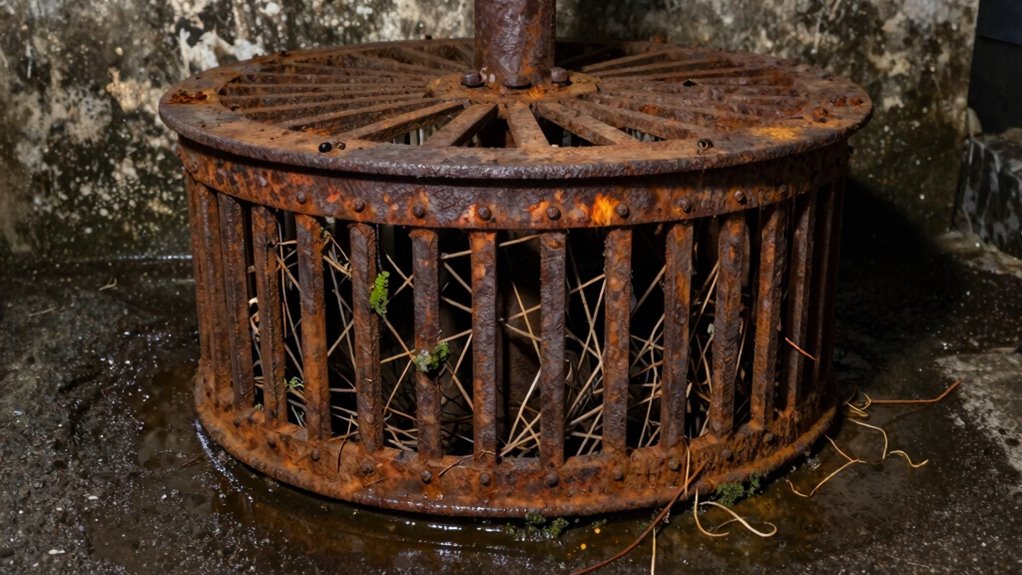

City water often contains hidden contaminants like heavy metals, chemicals, and microbes that can overwhelm even the best filters. These pollutants come in stubborn forms or high concentrations, causing filters to clog quickly and lose effectiveness. It’s not that your filters are weak, but that they aren’t designed to handle all contaminants. Understanding the complex contamination can help you choose better solutions. Stay with us to discover how to protect your water more effectively.

Get home appliances delivered free — and shop member deals
- Fast, free delivery on millions of items
- Access to Prime Big Deal Days deals on October 6–7
- Prime Video, Amazon Music and more included
Key Takeaways
- Hidden contaminants like heavy metals and chemicals overwhelm filters, reducing their effectiveness despite quality.
- Water variability introduces fluctuating pollutant levels, making filters appear weaker over time.
- Filters designed for specific contaminants may fail against complex, stubborn city water pollutants.
- Overloading filters or using unsuitable ones causes rapid clogging, diminishing filtration performance.
- Lack of ongoing water quality monitoring leads to mismatched filters and false security.
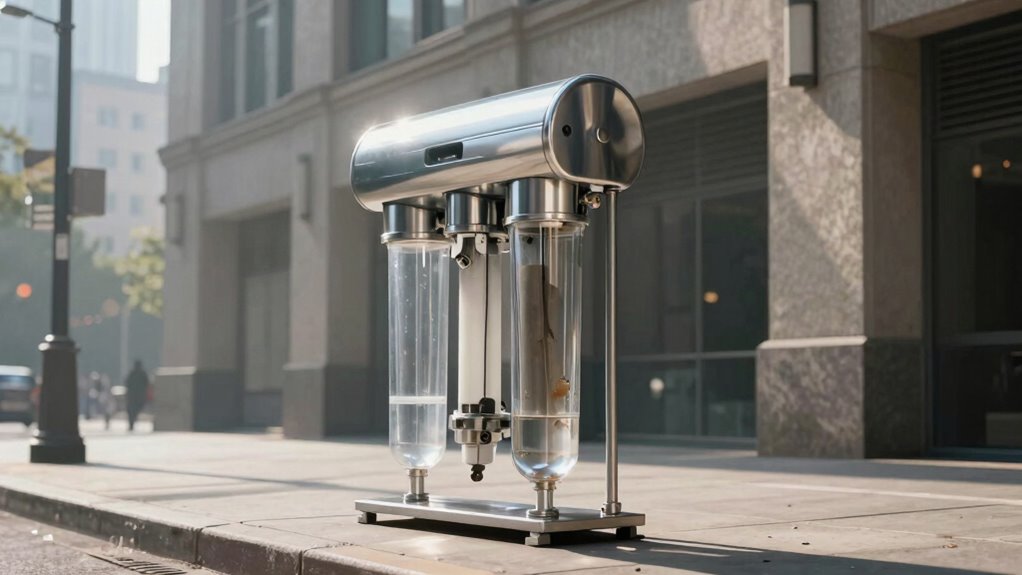
Many city water supplies contain hidden contaminants that can overwhelm even the best filters, making them seem ineffective. You might invest in high-quality filtration systems, expecting clean, safe water, but often find that your filters don’t perform as well as advertised. This discrepancy boils down to the complex nature of water contamination in municipal supplies. City water is often laced with various pollutants—heavy metals, chemicals, pesticides, pharmaceuticals, and microbial agents—that challenge your filtration system’s ability to remove everything thoroughly. When these contaminants are present in high concentrations or are particularly stubborn, they can clog filters faster and reduce their overall filtration efficiency.
City water contains hidden contaminants that can overwhelm filters, reducing effectiveness and compromising water quality.
What many people don’t realize is that not all filters are created equal. Some are designed to target specific particles or chemicals, while others may only handle certain types of contaminants. If your filter isn’t tailored to the particular mix of pollutants in your city’s water, its ability to eliminate harmful substances diminishes. Over time, this leads to a false sense of security, as you assume your filter is doing its job perfectly, but in reality, it’s overwhelmed by the volume or complexity of water contamination. This can result in a reduction in water quality**, such as strange tastes, odors, or visible particles, despite regular filter replacements**.
The problem is compounded by the fact that water contamination isn’t static; it fluctuates based on seasonal changes, industrial activity, and municipal maintenance. This variability means your filtration system might perform well during one period but struggle during another. When filters are pushed beyond their designed capacity, their filtration efficiency drops, and harmful contaminants can slip through. This situation underscores the importance of understanding your water source and choosing a filter that can handle the level and types of pollutants present. Simply relying on a standard filter without considering the specific water contamination profile can cause frustrations and give the illusion that your filter is ineffective. Recognizing the dynamic nature of water contamination and contaminant variability can help in selecting appropriate filtration solutions. Additionally, monitoring water quality periodically can provide insights into changing contaminant levels.
In essence, the unseen water contamination in city supplies is a silent challenge that weakens even the most advanced filters. To truly guarantee safe, clean water, you need to recognize the limits of your filtration system and select one that is capable of managing the specific contaminants in your water. Otherwise, you risk trust in your filter’s ability to protect you and your family.
As an affiliate, we earn on qualifying purchases.
Frequently Asked Questions
How Does City Water Treatment Differ From Private Well Filtration?
City water treatment differs from private well filtration because urban infrastructure relies on large-scale treatment plants that follow strict water safety regulations, removing contaminants through chemical and physical processes. These regulations guarantee water is safe for public consumption. In contrast, well owners must implement their own filtration systems, which vary in effectiveness. Relying solely on city treatment can sometimes give a false sense of security, especially when aging infrastructure causes issues.
What Hidden Contaminants Are Often Overlooked in City Water?
You might be surprised to learn that lead risks and pH imbalance are often overlooked in city water. Coincidentally, these hidden contaminants can slip past standard treatment and filtration, posing health risks. Lead can leach from old pipes, while improper pH levels cause corrosion, releasing metals into your water. Regular testing and advanced filters targeting these issues help protect you from these silent threats hiding in plain sight.
Can Regular Filters Handle the Chemical Levels in City Water?
Regular filters often struggle to handle the chemical balance in city water, especially when contaminants like chlorine and heavy metals are present. They may initially improve water quality but tend to lose effectiveness quickly, reducing filter longevity. To guarantee safe drinking water, consider filters specifically designed for chemical removal, which offer better filtration and longer-lasting performance. This way, you get cleaner water without frequent replacements.
How Often Should City Water Filters Be Replaced for Optimal Performance?
You should replace your city water filter every 2 to 3 months to maintain peak performance. Regularly check for rust buildup around the filter housing, as this indicates it’s reaching the end of its lifespan. Over time, rust and mineral deposits can clog the filter, reducing its effectiveness. Staying on schedule ensures your filter keeps removing contaminants and chemicals, providing you with clean, safe water.
Are There Specific Filter Types Better Suited for City Water?
You should choose filters with high filtration efficiency and strong filter durability for city water. Activated carbon filters are excellent at removing chemicals and odors, while reverse osmosis systems offer superior purification for contaminants. Look for filters made with quality materials that resist clogging and wear. This guarantees your filter maintains peak performance over time, providing cleaner, better-tasting water and reducing the need for frequent replacements.
city water contaminant removal filter
As an affiliate, we earn on qualifying purchases.
As an affiliate, we earn on qualifying purchases.
Conclusion
So, next time you’re frustrated with your filter’s performance, remember that the city-water trap might be the unseen culprit. It’s funny how a simple coincidence—like a hidden trap—can make even the best filters seem weak. Sometimes, what’s out of sight truly affects what’s in front of you. Keep an eye on those hidden details, and you’ll find your filters working better than you ever thought possible. It’s all about catching what’s unseen.
multi-stage water filtration system
As an affiliate, we earn on qualifying purchases.
As an affiliate, we earn on qualifying purchases.
As an affiliate, we earn on qualifying purchases.
NFL season / tailgating Picks
team gear
As an affiliate, we earn on qualifying purchases.