
Shock changes in water usually point to sudden environmental or human-induced disturbances that disrupt its chemistry, like rapid temperature shifts, pressure changes, or pollutant spikes. These events often signal underlying issues such as industrial discharges, natural disasters, or climate effects like heatwaves. Such changes can harm aquatic life and ecosystems, acting as early warning signs of more serious problems. Stay with us to understand these shocks better and what they reveal about water health.
Key Takeaways
- Sudden temperature or pressure shifts indicating natural events or human activities affecting water stability.
- Rapid chemical changes signaling pollution, industrial discharge, or environmental disturbances.
- Disruptions in water chemistry that threaten aquatic ecosystems and infrastructure integrity.
- Early warnings of ecological stress, hypoxia, or acidification impacting aquatic life.
- Indicators of underlying environmental issues requiring immediate monitoring and intervention.
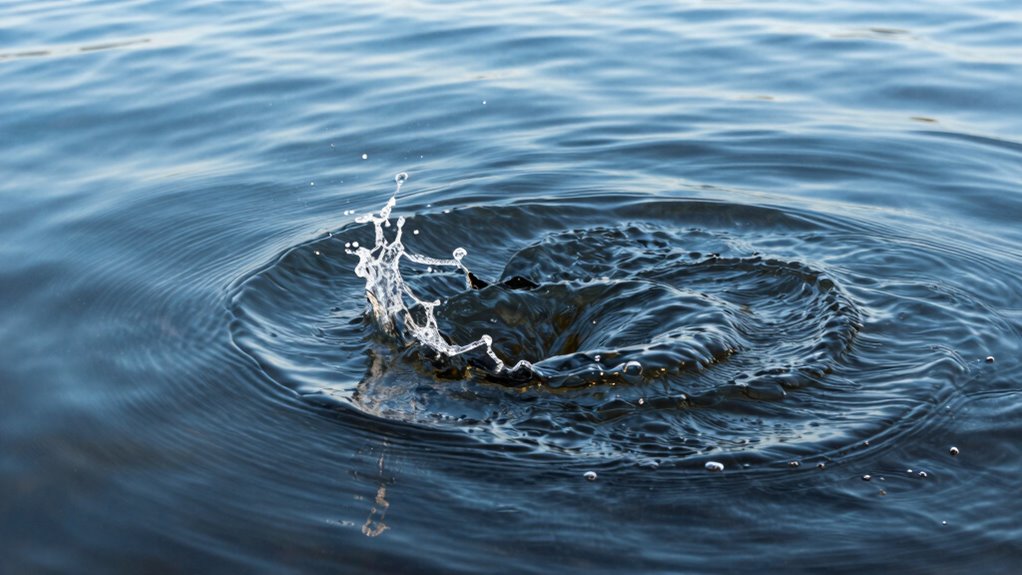
Have you ever wondered how sudden changes in water temperature or pressure can cause dramatic shifts in its behavior? When water experiences rapid shifts, it’s often a sign that something has disrupted its normal state. These “shock” changes are more than just minor fluctuations; they reflect underlying issues that can notably impact water chemistry and the environment. Recognizing what these shocks point to helps you understand the health of water systems and the potential consequences for ecosystems and human activities.
In terms of water chemistry, shock changes typically indicate abrupt alterations in the balance of chemicals dissolved in water. For example, a sudden increase in temperature can cause minerals and other compounds to dissolve or precipitate quickly, changing the water’s pH, alkalinity, or mineral content. Such shifts can harm aquatic life that depends on stable chemical conditions. Similarly, rapid pressure changes—such as those caused by dam releases or seismic activity—can disturb the dissolved gases and the chemical equilibrium within the water. These chemical disturbances can make water more corrosive or toxic, posing risks to both aquatic organisms and infrastructure like pipelines and treatment facilities. Water chemistry disturbances often result from these rapid shifts, signaling underlying environmental or human-induced issues. Recognizing the chemical imbalances caused by these shocks can aid in early detection and intervention.
From an environmental perspective, shock changes in water often point to human activities or natural events that disturb ecosystems. For instance, industrial discharges, runoff from agriculture, or accidental spills can cause sudden spikes in pollutants. When contaminants enter water bodies abruptly, they can trigger chemical reactions that alter water chemistry, sometimes resulting in harmful conditions like hypoxia or acidification. These environmental shocks can devastate local wildlife, disrupt breeding cycles, and degrade habitat quality. Furthermore, temperature shocks from climate change—such as heatwaves or cold snaps—can stress aquatic organisms, leading to mass die-offs or shifts in species distribution. The ecological balance of water systems is particularly vulnerable to these disturbances, which can have cascading effects. The environmental impact of these shocks extends beyond immediate effects, potentially causing long-term ecological imbalance. Recognizing chemical disturbances and their sources is essential for effective water management and ecological conservation. Additionally, these rapid changes often highlight the importance of climate resilience in preserving aquatic ecosystems against unpredictable weather patterns.
Environmental shocks from pollutants and climate change threaten ecosystems, causing long-term imbalance and harm to aquatic life.
Understanding these shock changes is vital because they serve as early warning signs of larger problems. They highlight situations where water quality is compromised, either through natural phenomena or anthropogenic influences. By monitoring how water responds to sudden changes, you can identify risks before they escalate. This knowledge allows for more effective management and mitigation strategies to protect both water resources and the environment. Recognizing the link between water chemistry and environmental impact helps you appreciate the delicate balance sustaining aquatic ecosystems. When shocks happen, they aren’t just fleeting events—they are signals that something in the water system has gone awry, demanding attention and action.
As an affiliate, we earn on qualifying purchases.
Frequently Asked Questions
Can Water Shock Treatments Harm My Swimming Pool Equipment?
Yes, water shock treatments can harm your swimming pool equipment if not done carefully. Excessive shocking can upset your pool chemistry, leading to corrosion or damage to filters, pumps, and heaters. To prevent this, follow manufacturer instructions and maintain proper chemical levels. Regular equipment maintenance ensures your pool stays safe and efficient, even after shock treatments. Properly balancing chemicals helps protect your equipment and keeps your pool in great condition.
How Often Should I Perform Shock Treatments on My Water?
Think of shocking your pool like giving it a health boost—usually once a week during peak season or after heavy use. You should perform shock treatments based on your pool chemistry and water safety, especially if you notice cloudy water or algae. Regular shocking keeps your water clear and safe, preventing bacteria buildup. Overdoing it can harm your pool equipment, so follow manufacturer guidelines for best results.
Are There Natural Alternatives to Chemical Shock in Water?
Yes, there are natural remedies that can serve as chemical alternatives for shocking water. You can use hydrogen peroxide or UV sterilization to disinfect and clear water naturally. Additionally, maintaining proper filtration and regular cleaning helps prevent the need for chemical shock. These methods are eco-friendly and safer for your environment. By implementing natural remedies, you can effectively treat your water without relying solely on traditional chemicals, ensuring safer, cleaner water.
What Safety Precautions Should I Take During Water Shock Treatment?
Don’t let safety slip through the cracks during water shock treatment; always wear protective gear like goggles and gloves. Before starting, make certain your pool’s pH balancing and chlorine levels are correctly adjusted. Keep children and pets away, and work in well-ventilated areas. Never mix chemicals directly, and follow manufacturer instructions carefully. This way, you safeguard yourself and maintain the water’s clarity while preventing accidental injuries or chemical mishaps.
How Do I Know if Water Shock Is Effective?
You can tell if water shock is effective by monitoring chemical reactions, such as bubbling or fizzing, indicating sanitizer activation. Check the pH balance with test strips; it should stabilize within the recommended range (7.2-7.6). Clear, odorless water and absence of algae or cloudiness also suggest the shock treatment is working. Regular testing helps guarantee the chemical reactions are happening properly, confirming your water’s cleanliness and safety.

Bestprod All-New 21 in 1 Drinking Water Testing Kit Strips, Home Tap and Well Water Test Kit for Hardness, Lead, Iron, Copper, Chlorine, Fluoride
- Clear, Easy-to-Read Results: Provides clear results for all substances
- Simple to Use: Add water, set timer, read results
- User-Friendly Guide: Includes clear instructions for interpretation
As an affiliate, we earn on qualifying purchases.
As an affiliate, we earn on qualifying purchases.
Conclusion
When you notice sudden changes in water—like cloudiness, color shifts, or strange odors—it’s often a sign that something’s off. These shock changes usually point to contamination, chemical imbalance, or bacterial growth. Addressing them promptly can prevent health risks and equipment damage. Trust your instincts and investigate these signals; they’re your first warning. By acting quickly, you keep your water safe and your environment healthy, confirming that these shocks really do matter.
As an affiliate, we earn on qualifying purchases.
aquatic ecosystem monitoring tools
As an affiliate, we earn on qualifying purchases.
As an affiliate, we earn on qualifying purchases.