If your De’Longhi espresso machine is leaking water, it can disrupt your coffee routine and signal underlying issues. Water leaks can be caused by various factors, from simple blockages to internal component failures. Knowing how to diagnose and fix these problems can save you time and money, and keep your machine running smoothly.

Get home appliances delivered free with Prime
- Fast, free delivery on millions of items
- Prime Video, Amazon Music and more included
- Member-only deals all year
In this guide, we’ll walk you through common causes of water leaks in your De’Longhi Magnifica Evo Next Fully Automatic Espresso Machine and provide clear, step-by-step instructions to troubleshoot and resolve them safely. Whether it’s a loose connection, a clogged nozzle, or a worn-out seal, you’ll find practical solutions to restore your machine’s performance.
Key Takeaways
| Common Causes | Leaks often stem from blockages, loose parts, or worn seals. |
| Step-by-Step Fixes | Follow simple procedures to identify and fix leaks yourself. |
| Preventative Tips | Regular cleaning and maintenance extend your machine’s lifespan. |
| Safety First | Always unplug the machine before attempting repairs. |
Identify the Source of the Leak
- Unplug your espresso machine and allow it to cool completely.
- Carefully inspect the area where water is leaking. Common spots include the water reservoir, brew group, steam wand, or internal components.
- Check if the leak is continuous or intermittent. Note if water is leaking during operation or when the machine is idle.
- Look for visible cracks, loose fittings, or blockages in the water pathway.
Check and Tighten Connections
- Remove the water reservoir and inspect the connection points for any loose fittings or seals.
- Ensure the water tank is properly seated and the valve is securely connected.
- Examine the brew group and steam wand connections for tightness.
- If any fittings are loose, tighten them gently but firmly to prevent further leaks.
Be cautious not to overtighten, as this could damage plastic components.
Inspect and Clean the Water Pathways
- Remove accessible parts like the brew group and steam wand for cleaning.
- Check for blockages or mineral buildup that may cause water to back up and leak.
- Use a soft brush or cloth to remove any debris or scale deposits.
- For stubborn scale, use a descaling solution like the De’Longhi EcoDecalk Descaler following the manufacturer’s instructions.
Regular cleaning prevents clogs and maintains optimal water flow.
Replace Worn or Damaged Seals and Gaskets
If you notice cracks or deterioration in the seals or gaskets, replacing them is essential. Use a compatible seal kit or contact De’Longhi customer service for genuine replacement parts. Follow your machine’s manual or online guides to replace seals safely. This is often the cause of slow leaks or water dripping during operation.
Test the Machine After Repairs
- Reassemble all parts securely.
- Refill the water reservoir and plug in the machine.
- Run a test cycle without coffee to observe if the leak persists.
- Check all connection points and internal areas for any signs of leakage during operation.
If the leak continues, revisit previous steps or consider professional repair services.
The Products in This Guide
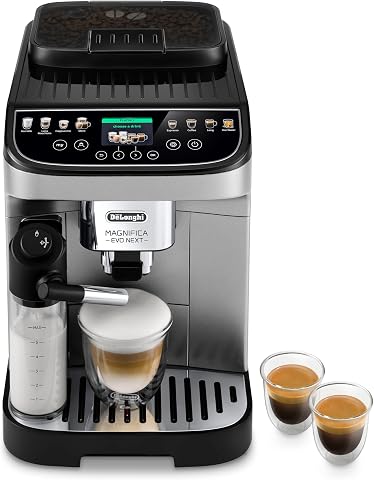
De’Longhi Magnifica Evo Next Fully Automatic Espresso Ma
- ✔ Voltage: 120V
- ✔ Material: Plastic and Metal
- ✔ Warranty: 1 year

De’Longhi Replacement Water Filter
- ✔ Filter Type: Replacement cartridge
- ✔ Size: Standard fit
- ✔ Price: Affordable
De’Longhi Magnifica Evo Next Fully Automatic Espresso Ma
The De’Longhi Magnifica Evo Next Fully Automatic Espresso Machine combines advanced features with durability. If you’re experiencing water leaks, troubleshooting can often resolve the issue without costly repairs. Regular maintenance and careful inspection are key to preventing future problems.
Pros:
- Built-in grinder with 13 settings
- Automatic milk frother for lattes
- Programmable for customized drinks
- User-friendly interface
Cons:
- Can leak if not properly maintained
- Complex internal components may require professional servicing
- Plastic fittings can wear over time
Best for: Home baristas seeking a versatile, all-in-one espresso machine
Not ideal for: Users uncomfortable with regular cleaning and maintenance
Bottom line: Routine maintenance and careful handling can prevent leaks and ensure optimal performance.
De’Longhi Replacement Water Filter
Using a replacement water filter like the De’Longhi Replacement Water Filter can significantly reduce mineral buildup and leaks caused by limescale. It’s highly recommended to keep your water clean to prolong your machine’s lifespan.
Pros:
- Reduces limescale buildup
- Improves coffee taste
- Easy to install
- Extends machine life
Cons:
- Requires replacement every few months
- Additional cost
- Needs proper disposal
Best for: Maintaining water quality and preventing leaks
Not ideal for: If your machine is already leaking due to other internal issues
Bottom line: Replacing the water filter regularly helps prevent water-related issues and maintains optimal coffee flavor.
Frequently Asked Questions
Why is my De’Longhi espresso machine leaking water?
Leaks can be caused by loose fittings, clogged water pathways, worn seals, or mineral buildup. Proper inspection and maintenance usually resolve these issues.
Can I fix water leaks myself?
Yes, many leaks are fixable with basic tools and replacement parts. Always unplug the machine and follow safety precautions before attempting repairs.
How often should I descale my De’Longhi espresso machine?
It’s recommended to descale every 2-3 months, or more frequently if you have hard water, using a suitable descaling solution like De’Longhi EcoDecalk.
What parts should I check first if my machine leaks?
Start with the water reservoir, seals, and connections around the brew group and steam wand. These are common leak points.
When should I contact professional repair services?
If after following troubleshooting steps the leak persists, or if internal components are damaged, professional service is advised to avoid further damage.
Keep Your Espresso Flowing Smoothly
Regular maintenance, timely repairs, and proper handling are essential to prevent water leaks in your De’Longhi espresso machine. By following these troubleshooting steps, you can often resolve minor leaks yourself and extend the lifespan of your machine. Remember, safety always comes first—unplug your device before inspecting or repairing, and consult professional services if needed.
Enjoy your perfect cup of coffee without interruption, and keep your espresso machine running at its best for years to come.
Affiliate disclosure: As an Amazon Associate we earn from qualifying purchases. Prices and availability are accurate as of the time of publishing.
Cold & flu season Picks
humidifiers
As an affiliate, we earn on qualifying purchases.