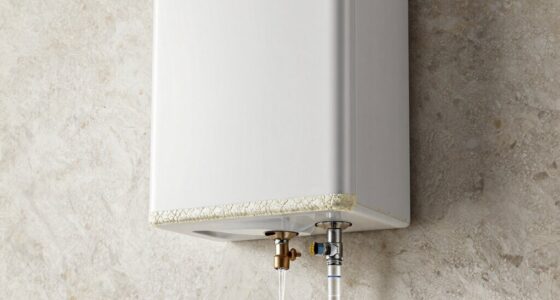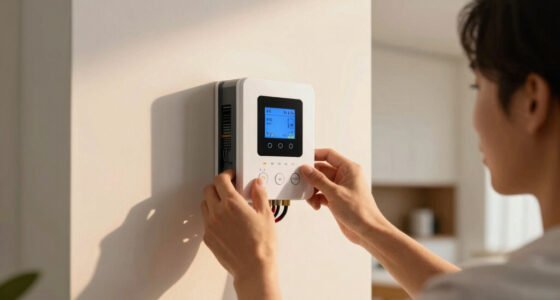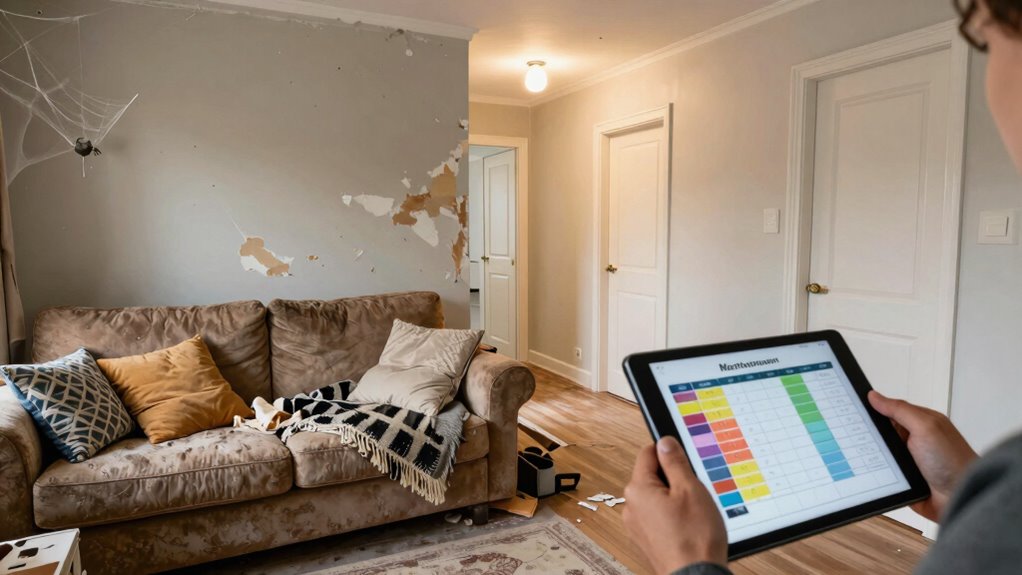

To decide if your home needs a whole-house treatment, look for signs like persistent poor air quality, high energy bills, uneven temperatures, or outdated systems. Check for drafts, mold, and humidity issues, which indicate you might need ventilation or insulation upgrades. If your systems are old or regularly breaking down, it’s time to contemplate replacements or retrofits. Recognizing these signs helps you prioritize upgrades that improve comfort and efficiency—continue exploring to learn how to evaluate your home more effectively.

Get home appliances delivered free with Prime
- Fast, free delivery on millions of items
- Prime Video, Amazon Music and more included
- Member-only deals all year
Key Takeaways
- Prioritize areas with persistent issues like allergies, odors, or uneven temperatures that affect overall comfort and health.
- Conduct a comprehensive home energy audit to identify inefficiencies and areas needing insulation or ventilation upgrades.
- Address outdated systems such as wiring, plumbing, or HVAC that impact safety, efficiency, and indoor air quality.
- Use smart home technology to monitor environmental conditions and determine if whole-house solutions are necessary.
- Consider the severity and frequency of signs, focusing on major issues that affect the entire home rather than isolated problems.
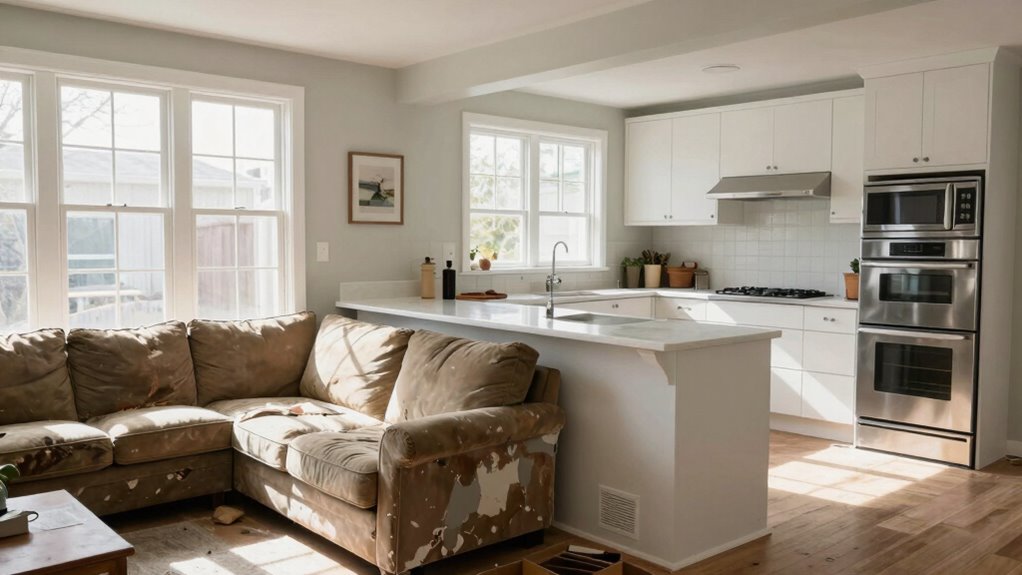
Deciding what deserves a whole-house treatment can feel overwhelming, but focusing on key signs can simplify the process. When evaluating your home, start by paying close attention to air quality. If you or your family members frequently experience allergies, respiratory issues, or persistent odors, it’s a clear indicator that your indoor environment needs attention. Poor air circulation, excess dust, mold, or high humidity levels can also signal that your home isn’t ventilating properly, leading to compromised air quality. Whole-house treatments such as air purification systems, ventilation upgrades, or sealing leaks can dramatically improve the air you breathe daily, making your home healthier and more comfortable.
Next, think about energy efficiency. If your utility bills are higher than expected or your home feels drafty despite your efforts to insulate, these are signs you might need an extensive approach. Inefficient heating and cooling can stem from air leaks, inadequate insulation, or outdated HVAC systems. Whole-house solutions can include sealing gaps around windows and doors, upgrading insulation, or installing more efficient HVAC units. These measures not only reduce energy waste but also create a more consistent indoor temperature, which enhances your comfort and lowers costs over time. Additionally, energy audits can help pinpoint specific areas for improvement, guiding your decisions more effectively. Conducting a home energy assessment can reveal hidden inefficiencies that are otherwise difficult to detect.
Beyond air quality and energy efficiency, you should also assess how your home responds to seasonal changes. If you notice that certain rooms are colder in winter or hotter in summer, it suggests uneven temperature distribution, often caused by poor insulation or ventilation issues. Whole-house treatment can address these inconsistencies, ensuring every part of your home maintains a stable, comfortable climate. This not only saves you money but also improves your overall living experience. Recognizing seasonal temperature fluctuations as an indicator can help prioritize where to focus your upgrades. A comprehensive assessment of your home’s insulation and ventilation can further support these efforts.
Another vital factor to evaluate is the age and condition of your home’s systems. Older homes tend to have outdated wiring, plumbing, and ventilation systems that may not meet current standards. These deficiencies can compromise both air quality and energy efficiency. Upgrading or retrofitting your home’s infrastructure with modern, efficient systems can make a significant difference, especially when done as a comprehensive, whole-house approach. Regular maintenance and inspections can also help identify potential issues early, preventing costly repairs later.
In addition, technological advancements in home automation and smart systems can help monitor and optimize your home’s environment more effectively, making it easier to identify issues before they become major problems. These systems can provide real-time data, empowering homeowners to make informed decisions about their home’s health. Incorporating smart home technology can streamline maintenance and improve overall efficiency. Ultimately, your decision should be guided by a combination of these signs. If you notice persistent issues with air quality, high energy bills, uneven temperatures, or outdated infrastructure, it’s time to think about a whole-house treatment. Not only will this improve your home’s comfort and safety, but it will also lead to long-term savings and a healthier living environment. By focusing on these key indicators, you can prioritize your upgrades effectively and enjoy the benefits of a more efficient, healthier home.
As an affiliate, we earn on qualifying purchases.
Frequently Asked Questions
How Do I Assess the Overall Health of My Home’s System?
You assess your home’s overall health by starting with a thorough home inspection, checking for visible issues like leaks or cracks. Follow up with system diagnostics on your HVAC, plumbing, and electrical systems to identify hidden problems. Pay attention to performance signs, unusual noises, or inefficiencies. Regular maintenance and professional evaluations help guarantee your entire system stays healthy, preventing costly repairs and extending your home’s lifespan.
What Budget Considerations Should I Keep in Mind?
Think of your budget as your home’s trust fund—you want it to last. Start with budget planning by setting aside a realistic amount for repairs and upgrades. Do a cost comparison of different options to avoid overspending on unnecessary fixes. Keep in mind, prioritizing essential repairs first can save you money, making your investment more effective. Staying within your budget guarantees your home stays healthy without draining your wallet.
Are There Specific Signs Indicating a Need for Whole-House Treatment?
You should consider whole-house treatment if you notice persistent indoor pollutants, like dust, mold, or odors, that regular cleaning doesn’t fix. Also, if your HVAC system’s efficiency drops, it’s a sign that your entire system might need an upgrade. Addressing these issues guarantees better air quality and system performance, making the investment worthwhile. Keep an eye on indoor air quality and system efficiency to determine when a full treatment is necessary.
How Often Should I Perform Maintenance After Treatment?
You should perform maintenance every 6 to 12 months after treatment to keep your home in top shape. During this time, check ventilation improvements to guarantee good airflow and inspect insulation upgrades for any wear or damage. Regular upkeep helps maintain energy efficiency and indoor comfort. Keep an eye on signs like drafts or humidity issues, and address them promptly to prolong the effectiveness of your whole-house treatment.
Can DIY Methods Be Effective for Whole-House Treatment?
DIY methods can be surprisingly effective for whole-house treatment if you’re realistic and prepared for a challenge. While home remedy tips often work wonders for minor issues, they might fall short for major infestations or problems requiring professional expertise. Your success depends on proper research, patience, and safety precautions. Remember, sometimes the best home remedy tips involve knowing when to call in the pros to avoid costly mistakes.
As an affiliate, we earn on qualifying purchases.
Conclusion
Remember, not every issue needs a full-house fix. If a problem affects multiple rooms or impacts your home’s safety or comfort, investing in whole-house treatment makes sense. But if it’s isolated—say, a single leak or a minor pest—targeted solutions are often enough. Don’t feel pressured to overhaul everything at once; focus on what truly matters. Prioritize wisely, and you’ll keep your home healthy without unnecessary expense or disruption.
As an affiliate, we earn on qualifying purchases.
As an affiliate, we earn on qualifying purchases.
Fall Picks
fall essentials
As an affiliate, we earn on qualifying purchases.