A treatment-friendly plumbing layout guarantees wastewater flows smoothly from fixtures to the treatment plant, with proper pipe slopes and diameters to avoid backups and stagnation. It’s designed for easy access to cleanouts and inspection points, making maintenance simple and quick. By following plumbing codes and prioritizing environmental safety, you reduce long-term costs and prevent issues. Keep in mind these principles to create an efficient, compliant system—there’s more to take into account for ideal results.

Get home appliances delivered free with Prime
- Fast, free delivery on millions of items
- Prime Video, Amazon Music and more included
- Member-only deals all year
Key Takeaways
- Proper pipe slope and diameter ensure efficient wastewater flow, minimizing stagnation and reducing treatment system stress.
- Strategic placement of cleanouts and inspection points facilitates easy maintenance and blockage clearance.
- Fixture accessibility allows quick inspection and repairs, preventing system disruptions and ensuring proper treatment.
- Compliance with plumbing codes guarantees the layout meets safety, environmental, and treatment standards.
- Designing for environmental safety and ease of maintenance extends system longevity and promotes effective wastewater treatment.
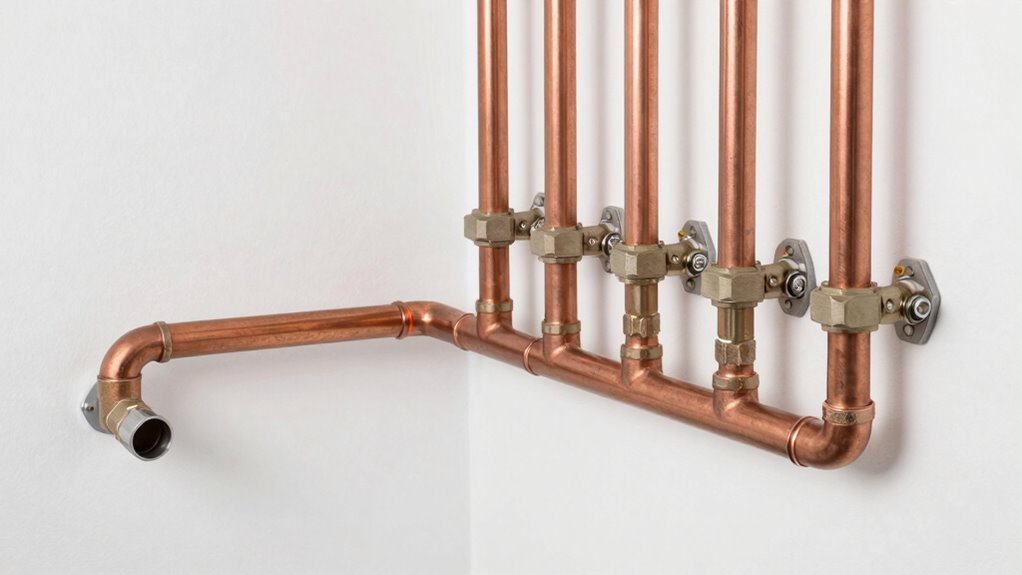
Creating a plumbing layout that is treatment-friendly guarantees your system is efficient, easy to maintain, and environmentally sustainable. When designing such a system, your focus should be on optimizing drainage efficiency and fixture accessibility. Drainage efficiency ensures that wastewater flows smoothly from fixtures to the treatment plant without backups or blockages. To achieve this, you need to plan the pipe slopes carefully, making sure they are neither too steep nor too flat. Proper slope helps gravity do its job, reducing the risk of clogs and keeping the system running smoothly. Additionally, selecting appropriate pipe diameters ensures that flow rates are adequate, preventing slow drainage or overflows. This also contributes to wastewater management and environmental safety. By doing so, you minimize the need for frequent repairs and reduce wastewater stagnation, which can cause health hazards. Ensuring proper pipe slope is fundamental for maintaining a treatment-friendly system. Fixture accessibility plays an essential role in maintaining a treatment-friendly layout. You want to position fixtures—sinks, toilets, showers—so they are easy to access for inspection, cleaning, and repairs. When fixtures are conveniently located, you avoid unnecessary dismantling or extensive pipe removal, which can complicate maintenance and increase costs. Think about the placement of fixtures in relation to each other and the main drainage line. Keeping them within reach simplifies inspection routines and quick fixes when issues arise. Accessibility also means avoiding tight, cramped spaces behind walls or under floors, which can hinder maintenance efforts. Proper planning can further prevent difficult repairs and reduce long-term expenses. Incorporating accessible design principles ensures maintenance tasks are straightforward and less disruptive. Another key factor involves the placement of cleanouts and inspection points. These access points should be strategically located along the piping system, especially at junctions or changes in pipe direction. Having accessible cleanouts means you can easily clear blockages or assess the system’s condition without major disruptions. It’s about planning ahead so that future maintenance tasks are straightforward, saving you time and money. Additionally, understanding plumbing code requirements helps ensure your layout is compliant, avoiding potential legal issues or costly redesigns.
As an affiliate, we earn on qualifying purchases.
Frequently Asked Questions
How Does a Treatment-Friendly Layout Improve Maintenance Efficiency?
A treatment-friendly layout improves maintenance efficiency by enabling easy access for repairs and inspections. You’ll benefit from flow optimization, which reduces blockages and guarantees smooth operation. Additionally, smart space utilization allows you to access key components quickly, minimizing downtime. This setup streamlines routine tasks, saves time, and reduces costs, making maintenance smoother and more effective, ultimately keeping your plumbing system running reliably and efficiently.
What Materials Are Preferred for Treatment-Friendly Plumbing Systems?
Think of materials as the backbone of your treatment-friendly plumbing system. You prefer durable materials like copper or PEX because they resist corrosion and withstand wear over time. Pipe accessibility also matters—using flexible, accessible piping makes maintenance easier, preventing headaches down the line. Combining durable materials with easily accessible pipes guarantees your system remains reliable, minimizes downtime, and simplifies treatment procedures, ultimately keeping your operation running smoothly.
How Does Layout Design Impact Treatment Process Effectiveness?
A well-designed layout considerably impacts treatment process effectiveness by enabling efficient flow and access. With layout optimization, you guarantee that wastewater moves smoothly through treatment stages, reducing clogging or delays. Proper placement of pipes and treatment units allows for easier maintenance and quicker response times. This streamlining helps the treatment process operate smoothly, minimizes downtime, and maximizes treatment quality, ultimately making your plumbing system more effective and treatment-friendly.
Can Treatment-Friendly Layouts Reduce Long-Term Repair Costs?
Imagine your plumbing layout as a superhero cape—designed to save the day and your wallet. Treatment-friendly layouts definitely cut long-term repair costs through smart design optimization, making future fixes easier and quicker. Instead of costly, disruptive repairs, you enjoy smooth maintenance. By investing in thoughtful planning now, you reduce unexpected expenses later, proving that good design isn’t just pretty—it’s a cost reduction hero in disguise.
What Are Common Challenges in Designing Treatment-Friendly Plumbing?
Designing treatment-friendly plumbing can be challenging because you need to guarantee chemical compatibility, preventing reactions that could harm pipes or reduce effectiveness. Space optimization is also vital, as you aim to fit all components within limited areas without sacrificing accessibility for maintenance. Balancing these factors requires careful planning, clear understanding of chemical properties, and efficient use of space to create a layout that’s both functional and easy to service.
fixture accessibility inspection tools
As an affiliate, we earn on qualifying purchases.
As an affiliate, we earn on qualifying purchases.
Conclusion
In the end, designing a treatment-friendly plumbing layout means thinking ahead and keeping things simple. When you plan wisely, maintenance becomes a breeze, and your system stays efficient. Remember, “A stitch in time saves nine”—addressing potential issues early guarantees smooth operation down the line. So, stay proactive and keep your layout clear and accessible. That way, you’ll save time, money, and frustration, making your plumbing system truly treatment friendly.
As an affiliate, we earn on qualifying purchases.
plumbing code compliant pipe fittings
As an affiliate, we earn on qualifying purchases.
As an affiliate, we earn on qualifying purchases.
NFL season / tailgating Picks
team gear
As an affiliate, we earn on qualifying purchases.