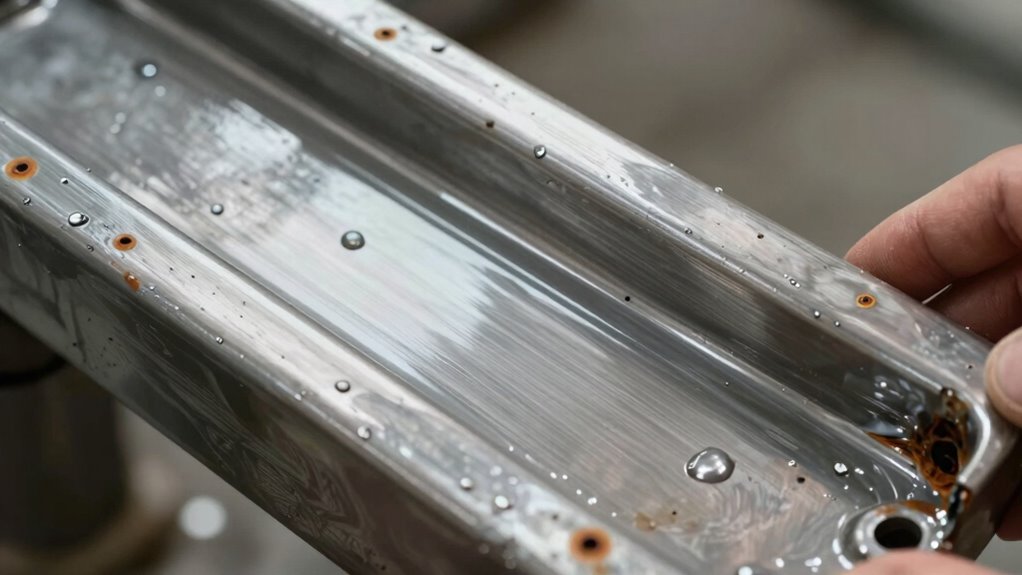
A good pretreatment stage protects your surfaces from contaminants like dirt, grease, and oils that can weaken adhesion and cause peeling. It also shields your equipment from corrosion and damage caused by aggressive chemicals, ensuring longevity. Additionally, it safeguards the entire process from delays, rework, and waste, maintaining consistent quality. If you want to know how these protections work together to improve safety, efficiency, and product durability, keep exploring these important steps.
Play games included with Prime
Start a Prime free trial and play with Amazon Luna on your devices.
As an affiliate, we earn on qualifying purchases.
Key Takeaways
- The surface from contaminants like dirt, grease, and residues that hinder proper coating adhesion.
- Equipment and tools from corrosion, chemical damage, and wear during pretreatment processes.
- The integrity of the workflow by preventing adhesion failures, rework, and process disruptions.
- Worker safety and environmental health by controlling chemical fumes, overspray, and hazardous exposure.
- Final product quality by ensuring durable, well-adhered coatings that resist peeling and corrosion.
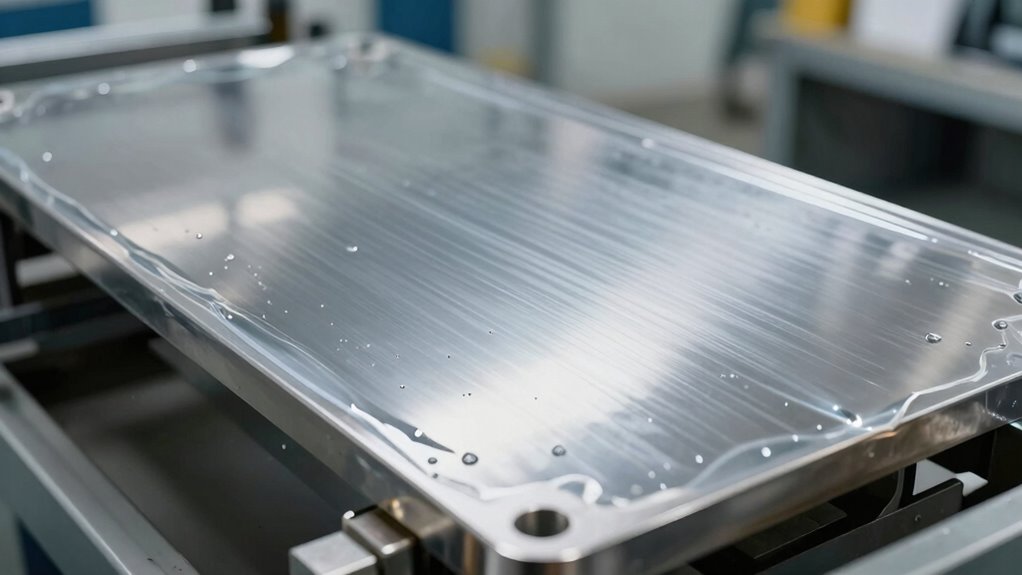
Have you ever wondered how to safeguard your equipment during the essential pretreatment stage? It’s a critical phase that sets the foundation for quality finishing, but it also poses risks to your tools and surfaces if not managed properly. Proper protection begins with understanding what the pretreatment stage actually aims to preserve. Basically, this stage is designed to prepare the surface for coating or painting by removing contaminants, rust, or old paint. But beyond surface cleanliness, it’s also about ensuring the integrity of your equipment and the longevity of your work process.
Surface preparation is the key element here. When you’re preparing a surface, you want to eliminate dirt, grease, oils, and other residues that can interfere with adhesion. This process involves careful cleaning and sometimes abrasive techniques to create a uniform, receptive base. During chemical application, you need to be precise, using the right chemicals at the right concentrations to avoid damage or unnecessary wear to your equipment. The chemicals used in pretreatment are often aggressive, so protecting your tools from corrosion or chemical damage becomes crucial. Protective coatings, proper handling, and correct disposal of chemicals all contribute to maintaining your equipment’s lifespan. Understanding chemical safety and proper handling techniques helps prevent accidents and extends equipment life.
What a good pretreatment stage actually protects is not just the surface but also your entire workflow. Without proper surface preparation, you risk poor adhesion, which can lead to peeling, corrosion, or failure of the final product. But it’s equally important to prevent damage to your equipment caused by harsh chemicals or abrasive processes. Using appropriate protective measures, like coatings on sensitive parts or employing safer chemical alternatives, can prevent costly repairs or replacements. Additionally, safeguarding against environmental hazards—like overspray or chemical fumes—keeps your workspace safer and reduces health risks. Incorporating proper chemical handling procedures also minimizes the potential for accidents or exposure, ensuring a safer work environment. Proper contamination control is essential for maintaining a safe and effective pretreatment process.
Furthermore, a well-protected pretreatment process minimizes rework and waste. When surfaces are correctly prepared and equipment stays intact, you avoid costly errors down the line. This means fewer delays, less material waste, and a more efficient production line. Protecting your equipment during chemical application also means monitoring parameters like temperature, pH, and exposure time, which ensures the chemicals work effectively without causing unnecessary damage. Proper chemical handling is essential to prevent accidents and extend equipment life, ultimately ensuring a smooth process from start to finish. Maintaining optimal conditions throughout the pretreatment process not only improves results but also prolongs the lifespan of your tools and machinery.
In the end, a good pretreatment stage isn’t just about surface cleanliness. It’s about protecting your tools, maintaining process integrity, and ensuring the quality of your finished product. By paying close attention to surface preparation and carefully managing chemical application, you’re setting yourself up for success—saving time, money, and frustration in the long run.
surface pretreatment chemical cleaners
As an affiliate, we earn on qualifying purchases.
As an affiliate, we earn on qualifying purchases.
Frequently Asked Questions
How Long Should Pretreatment Processes Typically Last?
You should plan for pretreatment processes to last enough time for thorough surface preparation and chemical application. Typically, this stage takes anywhere from a few minutes to several hours, depending on the material and treatment method. Make certain the surface is clean and properly prepared before applying chemicals. Rushing this step can lead to inadequate protection, so follow manufacturer guidelines for ideal duration and guarantee the chemicals fully react with the surface.
What Common Mistakes Occur During Pretreatment?
Skipping steps, sloppily applying chemicals, or neglecting thorough surface preparation are common mistakes during pretreatment. You might rush the process, resulting in uneven surfaces or incomplete chemical application. This can jeopardize adhesion and durability later. Always guarantee surfaces are clean, dry, and properly prepared before applying chemicals. Taking the time to do it right prevents problems, promotes proper bonding, and ultimately protects your project from future failures.
Can Pretreatment Be Skipped or Shortened?
You shouldn’t skip or shorten pretreatment because bypassing it can lead to ineffective cleaning and damage later on. Pretreatment shortcuts often result in poor adhesion, incomplete removal of contaminants, and potential issues during subsequent processes. By fully committing to the pretreatment stage, you guarantee ideal protection of your materials and equipment, reducing costly mistakes and rework. Skipping this step risks compromising the entire project’s success and durability.
What Tools Are Essential for Effective Pretreatment?
You need effective tools for pretreatment, starting with surface preparation tools like wire brushes, abrasive pads, and power tools to guarantee cleanliness. Chemical cleaning solutions are essential to remove contaminants and improve adhesion. A spray gun or applicator helps evenly distribute chemicals, while safety gear like gloves and goggles protect you during the process. Using these tools guarantees thorough surface preparation, preventing future issues and ensuring the longevity of your coating or treatment.
How Does Pretreatment Vary Across Different Industries?
You’ll find that pretreatment varies across industries based on surface preparation and contamination control needs. For instance, automotive industries prioritize removing oils and rust, while electronics focus on eliminating static and dust. In each case, you must adapt cleaning methods to guarantee surfaces are properly prepared, preventing future issues. This tailored approach helps protect materials, improve adhesion, and extend product lifespan by addressing industry-specific contaminants and surface conditions.
corrosion protection for industrial equipment
As an affiliate, we earn on qualifying purchases.
As an affiliate, we earn on qualifying purchases.
Conclusion
So, next time you prepare your equipment, remember that a good pretreatment stage isn’t just about cleaning—it’s about safeguarding your entire process. Some say it’s overkill, but evidence shows that proper pretreatment truly protects your materials from damage, corrosion, and failure down the line. Don’t overlook this vital step; it’s your best defense against costly mistakes. Trust the science, invest in thorough pretreatment, and enjoy the peace of mind that comes with it.
abrasive surface preparation tools
As an affiliate, we earn on qualifying purchases.
As an affiliate, we earn on qualifying purchases.
chemical resistant protective coatings
As an affiliate, we earn on qualifying purchases.
As an affiliate, we earn on qualifying purchases.
Fall yard work Picks
leaf blowers
As an affiliate, we earn on qualifying purchases.