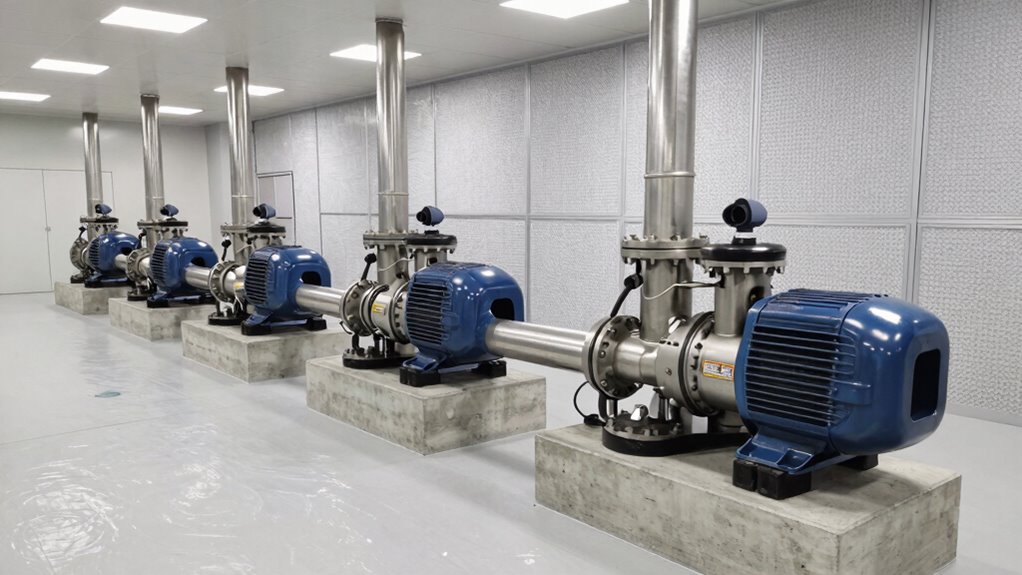

You need to prioritize isolation and vibration planning for booster pumps to guarantee reliable operation and a longer lifespan. Proper measures prevent equipment damage, reduce noise, and keep systems stable. They also make maintenance easier and minimize unexpected breakdowns. By controlling vibrations, you protect other machinery and support structures, avoiding costly repairs. Paying attention to these factors enhances overall system performance, safety, and compliance. Keep exploring to discover how to implement effective vibration mitigation strategies.
Listen free for 30 days with Audible
Thousands of audiobooks and originals — cancel anytime.
As an affiliate, we earn on qualifying purchases.
Key Takeaways
- Proper isolation prevents vibration transfer, reducing noise and structural damage.
- Vibration planning extends pump lifespan and minimizes maintenance costs.
- It enhances operational stability by preventing misalignments and mechanical fatigue.
- Effective vibration mitigation safeguards surrounding equipment and infrastructure.
- Implementing isolation measures ensures system reliability and compliance with environmental standards.
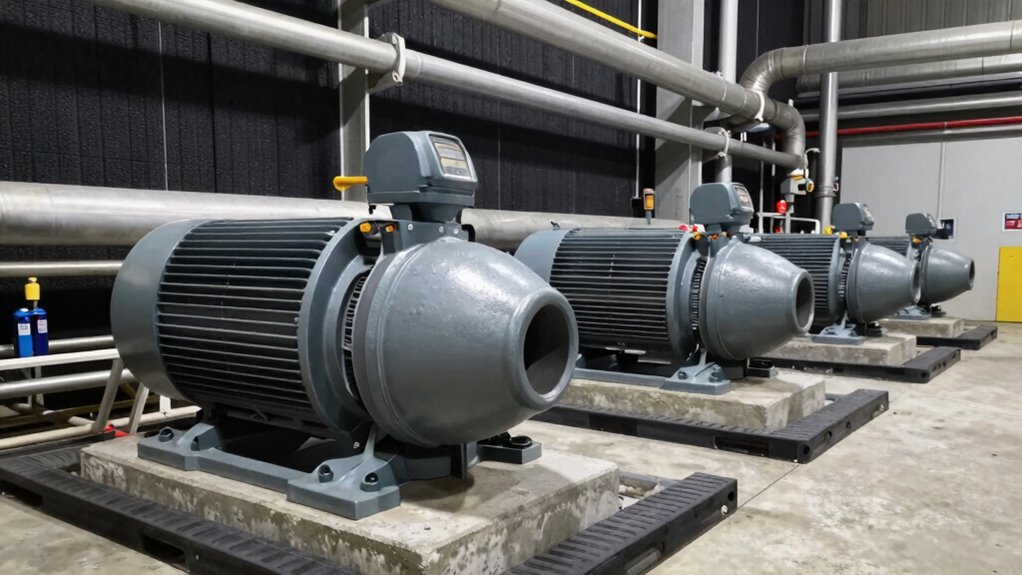
Effective isolation and vibration planning are essential for guaranteeing the reliable operation of booster pumps. When you’re managing these systems, you need to contemplate how vibrations can impact both the equipment and the surrounding environment. Proper planning helps prevent equipment damage, reduces downtime, and extends the lifespan of your pumps. One key aspect is maintenance scheduling, which becomes easier and more efficient when you’ve implemented good isolation and vibration control measures. By isolating your booster pumps correctly, you minimize wear and tear, making scheduled maintenance more predictable and less disruptive. This proactive approach also enhances system reliability by preventing vibration-related issues before they develop. This way, you can plan maintenance activities during ideal times, avoiding unexpected breakdowns that could lead to costly repairs or operational delays.
Noise reduction is another critical factor in vibration planning. Booster pumps generate significant vibrations that can translate into loud noise levels, disturbing nearby personnel and potentially violating noise regulations. When you incorporate vibration control strategies, such as installing vibration dampers or isolators, you effectively cut down on the noise emitted by the equipment. This not only creates a safer, more comfortable work environment but also helps you stay compliant with local noise standards. Additionally, reducing vibrations diminishes the risk of structural damage to the pump supports, piping, and surrounding infrastructure. This means fewer repairs and less interruption to your system’s operation, which ultimately benefits your overall maintenance schedule.
You should also recognize that proper isolation techniques contribute to better operational stability. Unchecked vibrations can cause misalignments, loosening of connections, and fatigue in mechanical components. By planning for vibration control from the outset, you ensure the pump’s performance remains consistent over time, reducing the likelihood of unplanned outages. Implementing effective vibration mitigation methods, such as flexible couplings or vibration absorbers, can significantly enhance the longevity of your equipment. When you invest in vibration isolators, pads, or flexible couplings, you create a buffer that absorbs shocks and prevents vibrations from transferring into the building structure or adjacent equipment. This containment helps protect other machinery and reduces the risk of cascading failures, keeping your entire system running smoothly. Additionally, understanding the importance of proper installation is crucial in ensuring that vibration control measures function as intended and provide lasting benefits.
booster pump vibration isolators
As an affiliate, we earn on qualifying purchases.
As an affiliate, we earn on qualifying purchases.
Frequently Asked Questions
How Often Should Booster Pump Isolation Be Inspected?
You should inspect booster pump isolation regularly, ideally every 6 to 12 months, to guarantee peak performance. During inspections, check pump mounting stability and look for wear or deterioration in isolation materials like rubber or vibration pads. Consistent monitoring helps prevent vibrations or misalignment issues, reducing equipment damage and downtime. Proper inspection and maintenance of isolation components keep your booster pump running smoothly and extend its lifespan.
What Are the Cost Implications of Vibration Planning?
Vibration planning can substantially impact costs. For example, a facility that invests in proper vibration isolation reduces maintenance frequency, leading to lower long-term expenses. Conducting a thorough cost analysis helps identify savings from enhanced maintenance scheduling and fewer repairs. While initial setup costs may be higher, the overall savings on downtime and repairs justify the investment, making vibration planning a cost-effective strategy for pump longevity.
Can Vibration Issues Affect Booster Pump Lifespan?
Yes, vibration issues can considerably affect booster pump lifespan. Vibration damping helps reduce the stress and wear caused by excessive vibrations, which can lead to premature pump failure. By implementing proper vibration control measures, you enhance pump durability, ensuring it operates smoothly over a longer period. Addressing vibration issues early on prevents damage to components, ultimately saving you maintenance costs and extending the overall lifespan of your booster pump.
Are There Industry Standards for Booster Pump Isolation?
Yes, industry standards for booster pump isolation exist to guarantee pump efficiency and longevity. You should follow guidelines that specify the use of appropriate isolation materials, such as flexible couplings or resilient mounts, to minimize vibration transfer. These standards help you reduce maintenance costs and prevent damage, ensuring reliable operation. Adhering to them also optimizes pump performance and extends its lifespan by controlling vibration and noise.
How Does Environmental Noise Impact Vibration Control?
Environmental noise can be a relentless monster, disrupting your vibration mitigation efforts. It directly impacts vibration control by amplifying vibrations and masking subtle shifts that indicate issues. Noise from nearby machinery or traffic can make monitoring and diagnosing vibration problems nearly impossible, risking equipment failure. To protect your booster pumps, you must consider environmental noise, implement effective isolation strategies, and design vibration mitigation measures that can withstand the chaos of your surroundings.
As an affiliate, we earn on qualifying purchases.
Conclusion
You now see why proper isolation and vibration planning are essential for booster pumps. Neglecting these can lead to equipment failure, increased maintenance costs, and safety risks. By implementing effective strategies, you guarantee longevity and reliable performance. Isn’t it worth investing upfront to prevent costly downtime later? Taking the time to plan wisely not only protects your equipment but also provides peace of mind. After all, isn’t a smooth operation what you truly seek?
As an affiliate, we earn on qualifying purchases.
As an affiliate, we earn on qualifying purchases.
Fall yard work Picks
leaf blowers
As an affiliate, we earn on qualifying purchases.