
Designing a low-pressure home is the best way to manage flow limits, improving energy efficiency and comfort. You should focus on proper duct sizing and pressure balancing to prevent drafts, noise, and uneven heating. This guarantees consistent airflow and reduces strain on your HVAC system. By carefully planning these aspects, you can avoid common issues and enjoy a quieter, more comfortable living space. Keep exploring how to optimize airflow for long-term benefits.
Key Takeaways
- Properly size ducts to ensure balanced airflow and prevent excessive pressure buildup.
- Implement pressure balancing techniques using dampers or specialized equipment for zone control.
- Design HVAC systems with low-pressure principles to improve energy efficiency and indoor comfort.
- Use professional tools to verify airflow and pressure, ensuring flow limits are respected.
- Consult HVAC experts during design to tailor solutions based on house size, layout, and insulation.
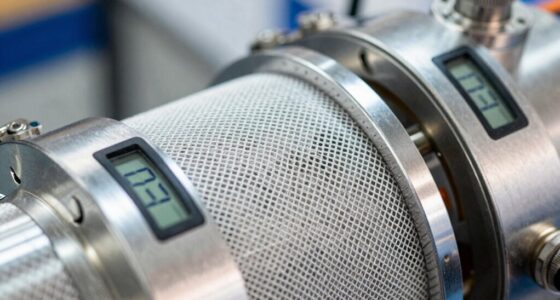
Low-pressure homes are designed to intentionally reduce the airflow and pressure inside the building, resulting in a more energy-efficient and comfortable living space. This approach helps prevent drafts, uneven heating or cooling, and energy waste. To achieve this, proper duct sizing becomes essential. When ducts are correctly sized, they can deliver the right amount of air without creating excessive pressure or noise. Oversized ducts may lead to wasted energy, while undersized ducts can cause insufficient airflow, making it harder to maintain consistent temperatures. Balancing duct sizes ensures the system operates smoothly, with just enough pressure to circulate air efficiently throughout your home.
Proper duct sizing ensures efficient airflow and prevents energy waste in low-pressure homes.
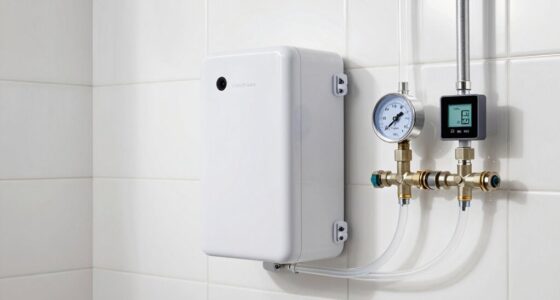
Pressure balancing is another critical component of designing a low-pressure home. It involves adjusting your HVAC system so that air pressure remains stable across different zones. When pressure isn’t balanced, you might notice uneven airflow—some rooms feel drafty while others are stuffy. Proper pressure balancing minimizes these issues by ensuring that air flows where it needs to without creating pressure imbalances that strain your system. This often involves installing dampers or using specialized equipment to fine-tune airflow and pressure at various points in your ductwork.
Additionally, understanding airflow dynamics can help homeowners optimize their system’s performance and longevity. When you focus on duct sizing and pressure balancing, you’re actively optimizing your home’s airflow. This means your heating and cooling systems don’t have to work as hard, which reduces energy consumption and lowers utility bills. Additionally, a well-balanced system minimizes noise from air movement, creating a quieter, more peaceful environment. It also improves indoor air quality by promoting consistent ventilation, reducing the buildup of pollutants and allergens.
To design a low-pressure home effectively, you need to contemplate your house’s size, layout, and insulation levels. Working with HVAC professionals ensures that duct sizing is precise, and pressure balancing measures are correctly implemented. They can use tools like pressure gauges and airflow meters to verify that your system operates within ideal parameters. This proactive approach prevents future issues such as duct leaks, uneven heating, or system fatigue.
In the end, reducing pressure within your home isn’t about sacrificing airflow but about managing it smarter. Proper duct sizing and pressure balancing allow you to enjoy a more comfortable, energy-efficient living space. You’ll notice quicker heating and cooling, fewer drafts, and lower energy bills—all while maintaining the airflow needed for healthy indoor air quality. By focusing on these elements, you’re creating a house that’s not only low-pressure but also optimized for long-term comfort and efficiency.
Frequently Asked Questions
Can Low-Pressure Homes Accommodate Large Appliances Effectively?
Yes, low-pressure homes can effectively accommodate large appliances with proper pressure regulation. You should install pressure regulators to guarantee consistent water flow and prevent damage. Water conservation is key, so choosing appliances designed for low-pressure systems helps optimize performance. By managing flow limits carefully, you can run large appliances smoothly while conserving water and maintaining efficient operation in your home.
How Does Low Pressure Impact Home Resale Value?
Low pressure can positively influence your home’s resale value by highlighting water conservation and plumbing efficiency. Buyers often see low-pressure systems as eco-friendly and cost-effective, reducing water usage and utility bills. However, if pressure drops too low, it could raise concerns about performance. Ensuring your home maintains ideal flow without sacrificing efficiency can make it more attractive on the market, boosting your resale potential.
Are There Specific Building Codes for Low-Pressure Systems?
Your low-pressure system isn’t just a minor detail; it’s a game-changer, and building codes for such systems are strict. You need to make certain building code compliance by following specific regulations for pressure regulation. Local codes often specify standards for pipe sizes, pressure limits, and safety devices. Staying compliant guarantees safe operation and avoids costly penalties. Always consult your local authority or a professional to ensure your low-pressure system meets all relevant building code requirements.
What Maintenance Is Required for Low-Pressure Plumbing?
You should regularly inspect your low-pressure plumbing for leaks and guarantee pipe insulation is intact to prevent heat loss and pipe freezing. Check for signs of leaks, such as water stains or reduced pressure, and promptly address them. Incorporate leak detection devices for added security. Maintaining proper insulation helps stabilize flow and prevents damage, ensuring your system operates efficiently and lasts longer. Regular maintenance keeps your low-pressure system reliable and safe.
How Does Low Pressure Affect Outdoor Irrigation Systems?
Poor pressure pushes your outdoor irrigation system to perform poorly. You’ll notice uneven watering, wasted water, and increased effort. To combat this, implement pressure regulation to maintain consistent flow, ensuring your system runs smoothly. With proper pressure management, you enhance system efficiency, saving water and time. Low pressure may pose challenges, but with the right adjustments, you can keep your garden green and thriving, regardless of flow limitations.
Conclusion
By choosing a low-pressure home, you’re revolutionizing your comfort and efficiency like never before. Imagine never battling uneven temperatures or soaring energy bills again—your home becomes a sanctuary of perfect flow and flawless performance. This isn’t just a smart choice; it’s the game-changer that will transform your living experience into something truly extraordinary. Embrace low-pressure design now, and watch your home become a fortress of ultimate comfort and control—fighting flow limits is a thing of the past!