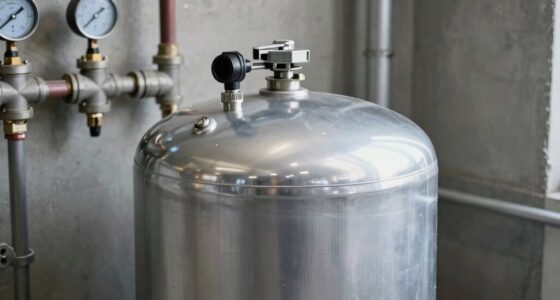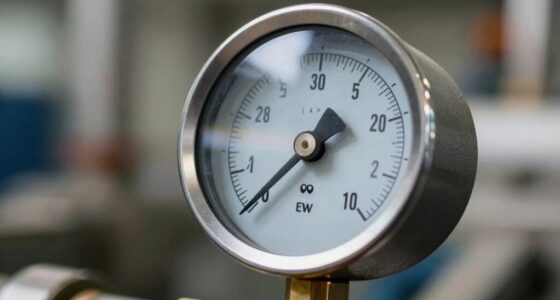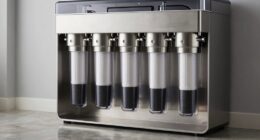
If your home has high water demand, multiple bathrooms, or appliances running simultaneously, a high flow filter is best as it processes more water quickly and maintains strong pressure. For smaller households with moderate or low usage, a standard flow filter offers longer lifespan and less maintenance. To make the right choice, consider your household’s water needs and plumbing setup, and you’ll find valuable insights as you explore further.

Get home appliances delivered free — and shop member deals
- Fast, free delivery on millions of items
- Access to Prime Big Deal Days deals on October 6–7
- Prime Video, Amazon Music and more included
Key Takeaways
- High flow filters handle larger water volumes quickly, ideal for homes with high water demand and multiple fixtures.
- Standard flow filters are suitable for smaller households, offering longer lifespan and less frequent maintenance.
- High flow filters maintain strong water pressure during peak usage, preventing pressure drops even with multiple fixtures active.
- Standard flow filters may cause slight pressure reduction but are sufficient for moderate or low-demand households.
- Choose based on your household’s water volume needs, plumbing capacity, and preference for maintenance frequency.
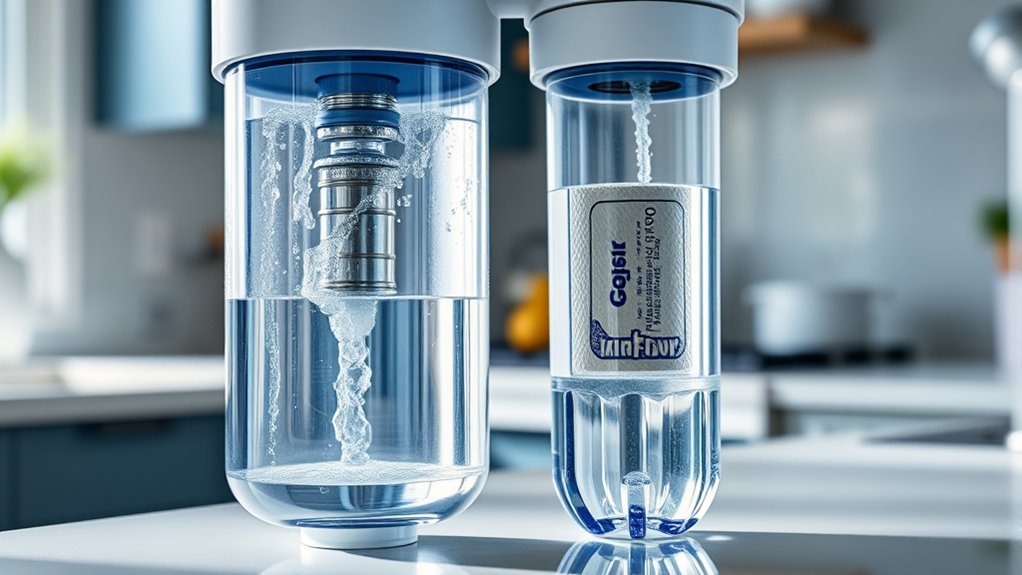
When choosing between high flow and standard flow filters, understanding their differences is essential for ensuring ideal performance. The main factors to consider are how each filter impacts water pressure and the overall lifespan of the filter itself. High flow filters are designed to process larger volumes of water more quickly, making them suitable for homes with high water demand. If your household has multiple bathrooms, a large family, or uses water-intensive appliances like dishwashers and washing machines frequently, a high flow filter can maintain strong water pressure without sacrificing flow rate. This means you won’t experience noticeable drops in water pressure when multiple fixtures are running simultaneously, which is a common concern with standard flow filters.
On the other hand, standard flow filters tend to be more restrictive, processing water at a slower rate. They’re often adequate for smaller households or homes with lower water usage. Because they restrict water flow somewhat, they might cause a slight decrease in water pressure, especially if your plumbing system is already on the lower end of water pressure levels. This can be frustrating if you expect consistent pressure for your daily routines. However, standard flow filters generally have a longer lifespan because they’re less stressed by high water volumes. They tend to clog less frequently and require less frequent maintenance or replacement, which can save you money over time.
Choosing the right filter depends on your household’s water needs and priorities. If you prioritize sustained water pressure and faster filtration, especially during peak usage times, a high flow filter might be the better choice. It’s especially beneficial if your water pressure is already strong or if your plumbing system can handle increased flow without issues. Conversely, if your water demand is moderate or low, and you prefer a filter that lasts longer with less maintenance, a standard flow filter can serve you well. Keep in mind that the lifespan of a filter isn’t just about its physical durability but also how it responds to your household’s water volume. High flow filters, while offering better performance during busy times, may need replacements sooner if used constantly at maximum flow.
As an affiliate, we earn on qualifying purchases.
Frequently Asked Questions
How Do I Determine the Correct Filter Size for My System?
To determine the correct filter size for your system, you need to check the existing filter or your HVAC manual for the specific dimensions, usually listed in inches. Proper filter sizing guarantees system compatibility and peak performance. Measure the length, width, and thickness precisely, and always choose a filter that matches these measurements. If unsure, consult your system’s specifications or a professional to avoid airflow issues or damage.
Are High Flow Filters Compatible With All Existing HVAC Units?
Did you know that over 60% of HVAC owners face filter compatibility issues? High flow filters aren’t compatible with all systems due to installation challenges and differing filter sizes. Before upgrading, check your HVAC unit’s specifications and consult an expert. Not all units support high flow filters, and improper installation could reduce efficiency or damage your system. Always verify compatibility to guarantee peak performance and avoid costly repairs.
What Is the Typical Lifespan of High Flow Versus Standard Flow Filters?
High flow filters typically last 2 to 3 months with proper filter maintenance, while standard flow filters usually need replacement every 1 to 3 months. Your replacement schedule depends on factors like air quality and usage. You should monitor your filters regularly to guarantee peak performance, replacing them promptly when they become dirty or clogged. Following these schedules helps maintain clean air and system efficiency.
Do High Flow Filters Significantly Impact Energy Consumption?
High flow filters can impact energy efficiency, but the effect is usually minimal if you maintain them properly. Dirty or clogged filters force your HVAC system to work harder, increasing energy consumption. By regularly replacing or cleaning your high flow filters, you guarantee peak airflow and keep energy use low. Proper filter maintenance not only saves you money but also prolongs your system’s lifespan, making high flow filters a smart choice.
Can I Upgrade From a Standard to a High Flow Filter Easily?
Yes, upgrading from a standard to a high flow filter is usually straightforward. You’ll want to check your HVAC system’s specifications first, but most systems can handle the change with minimal adjustments. Remember, higher flow filters often require less frequent filter maintenance and improve air quality. Just make certain you select the right size and type for your system, so it operates efficiently and keeps your home’s air clean.
standard flow water filter replacement
As an affiliate, we earn on qualifying purchases.
As an affiliate, we earn on qualifying purchases.
Conclusion
Choosing between high flow and standard flow filters is like picking the perfect pair of shoes—comfort and performance matter. Think of high flow filters as a powerful river, rushing effortlessly to keep your home fresh and clean, while standard filters are like a gentle stream, quietly doing their job. Whichever you choose, know that your decision shapes the air you breathe, turning your home into a sanctuary where purity flows as freely as a mountain spring.
As an affiliate, we earn on qualifying purchases.
As an affiliate, we earn on qualifying purchases.
Fall yard work Picks
leaf blowers
As an affiliate, we earn on qualifying purchases.