Water softeners won’t remove existing limescale; they only prevent future buildup by swapping calcium and magnesium ions for sodium or potassium ions. They don’t dissolve or clear out the mineral deposits already in your pipes, appliances, or fixtures. To get rid of current limescale, you need targeted descaling methods like vinegar or commercial cleaners. Understanding how softeners work helps you avoid misusing them — and if you want to learn more, there’s important details ahead.

Get home appliances delivered free with Prime
- Fast, free delivery on millions of items
- Prime Video, Amazon Music and more included
- Member-only deals all year
Key Takeaways
- Water softeners only prevent future limescale by exchanging calcium and magnesium ions, not removing existing deposits.
- Softeners do not dissolve or break down existing limescale buildup in appliances or pipes.
- To remove current limescale, targeted descaling agents like vinegar or commercial descalers are necessary.
- Installing a softener after limescale has formed will not clear existing deposits; manual descaling is required.
- Recognizing softeners’ preventative role helps avoid misconceptions about their ability to eliminate current limescale.
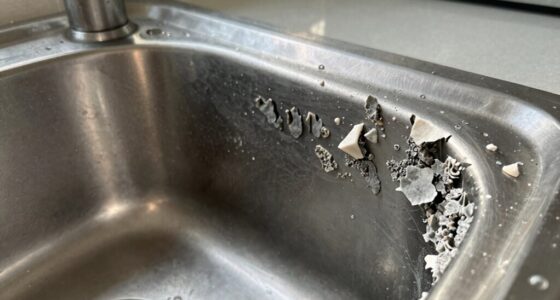
Many common beliefs about removing limescale are actually myths that can lead you to ineffective or even damaging methods. One such misconception is that water softeners can dissolve or remove existing limescale buildup. While water softeners are excellent for preventing future limescale formation, they don’t actually dissolve the deposits already present in your appliances. If you have hard water—water with high mineral content—limescale can accumulate over time, especially in appliances like kettles, dishwashers, or washing machines. Many assume that installing a water softener will magically clear out existing deposits, but that’s not how they work. Instead, water softeners exchange calcium and magnesium ions responsible for limescale with sodium or potassium ions, which prevents new buildup. They don’t have the capacity to break down or remove the existing mineral deposits.
Trying to rely solely on water softeners to clear existing limescale can lead to frustration and even appliance damage. When limescale builds up inside your appliances, it acts as an insulator, reducing efficiency and increasing energy consumption. If you attempt to use a water softener as a cleaning solution or assume it will flush out existing scale, you’re mistaken. The deposits remain, and the softener’s role is only preventative. In fact, if you neglect to remove the existing limescale, it can continue to cause blockages, overheating, or parts wearing out prematurely, leading to costly repairs or replacements. Recognizing the limitations of water softeners is essential for effective maintenance and appliance longevity.
To effectively remove existing limescale, you need targeted descaling methods. Common approaches involve using descaling agents like vinegar, citric acid, or commercial limescale removers designed specifically for appliances. These substances dissolve the mineral deposits, restoring your appliances’ efficiency and preventing further damage. Simply installing a water softener won’t reverse the damage already done by hard water; it only helps prevent future issues. If your appliances are already affected, you should manually descale them using appropriate products, paying close attention to instructions to avoid damaging sensitive components.
Frequently Asked Questions
Can Water Softeners Prevent Future Limescale Buildup Effectively?
Yes, water softeners can prevent future limescale buildup effectively. They work by exchanging calcium and magnesium minerals, which cause mineral deposits, with sodium or potassium ions, altering water chemistry. This prevents the formation of new limescale and reduces existing deposits. By continuously softening water, you minimize mineral deposits in your pipes and appliances, ensuring they stay cleaner longer and operate efficiently, saving you money on repairs and maintenance.
Do All Types of Water Softeners Remove Existing Limescale?
Not all types of water softeners can remove existing limescale, and you’ll want to compare different types carefully. Ion exchange softeners, for example, excel at mineral removal, breaking down limescale deposits. However, some systems only prevent future buildup and don’t clear current scale. So, if you’re hoping to tackle stubborn limescale, choose a softener designed for mineral removal, rather than relying on one that simply prevents new deposits.
How Long Does It Take for a Water Softener to Remove Limescale?
It typically takes a few days to a week for your water softener to substantially reduce limescale in your pipes and appliances. The installation timeline is quick, often just a day, but the softening process depends on your water hardness and system size. Regular maintenance requirements, like resin cleaning and salt refilling, guarantee the softener continues working efficiently and prevents future limescale buildup. Patience and proper upkeep are key to seeing results.
Are There Alternative Methods to Remove Limescale Besides Water Softeners?
Think of limescale as a stubborn guest that refuses to leave, even after a party’s over. Besides water softeners, you can try chemical descaling products that dissolve the buildup or physically remove it with scrapers and brushes. These methods target existing limescale directly, making your fixtures shine again. Just remember, combining chemical and physical removal often yields the best results for a thorough clean.
Can Water Softeners Damage Plumbing or Fixtures Over Time?
Water softeners generally don’t damage your plumbing or fixtures if they’re properly maintained. However, if the system isn’t correctly set up or maintained, it can cause plumbing corrosion or fixture damage over time. Regularly check your softener and consult professionals to guarantee it’s functioning correctly. Proper maintenance helps prevent issues like mineral buildup and keeps your plumbing and fixtures in good condition, extending their lifespan.
Conclusion
While water softeners might seem like a magic remedy, they’re not quite the silver bullet for existing limescale. Think of them more as gentle guides, preventing future buildup rather than sweeping away what’s already settled in. To truly restore your fixtures’ shine, you might need a bit of extra help. Embrace the journey of maintenance, and you’ll find that patience and proper care bring the best results, turning your home into a haven of smooth, sparkling water.
Fall yard work Picks
leaf blowers
As an affiliate, we earn on qualifying purchases.