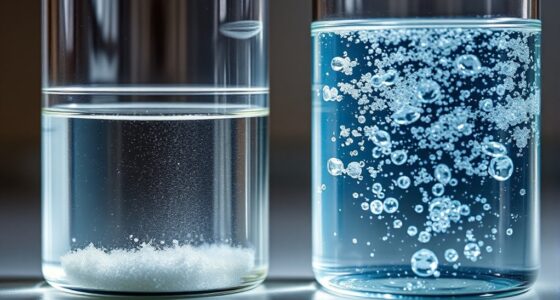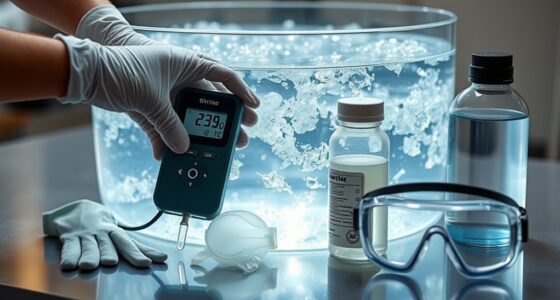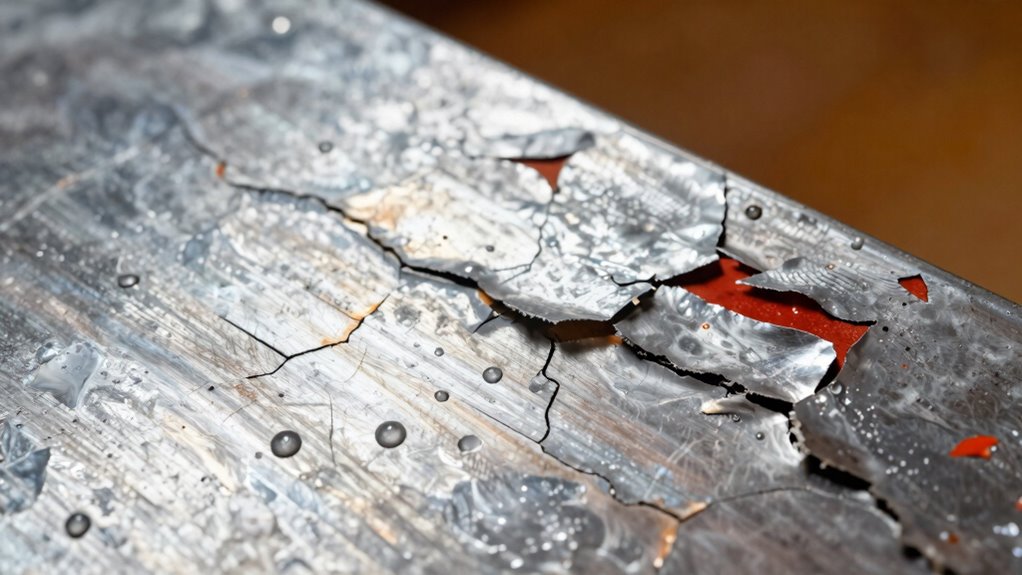

Scale forms insulating layers on heat transfer surfaces, making it harder for heat to pass through efficiently. As scale builds up, it reduces thermal conductivity, leading to slower heat exchange, higher energy use, and increased wear on equipment. This isn’t just a maintenance issue—it’s a real heat transfer problem that affects system performance, safety, and costs. If you want to understand why managing scale is essential for peak operation, keep exploring these key points.
Open a free Amazon Business account
Business pricing, bulk buying and tax-exempt orders.
As an affiliate, we earn on qualifying purchases.
Key Takeaways
- Scale acts as an insulative layer, impeding heat transfer and reducing system efficiency.
- Thick fouling layers cause uneven heating and temperature fluctuations, affecting process stability.
- Reduced thermal conductivity from scale increases energy consumption and operational costs.
- Scale buildup accelerates equipment wear and risk of failure due to inefficient heat exchange.
- Effective scale management preserves heat transfer performance and ensures system safety and longevity.
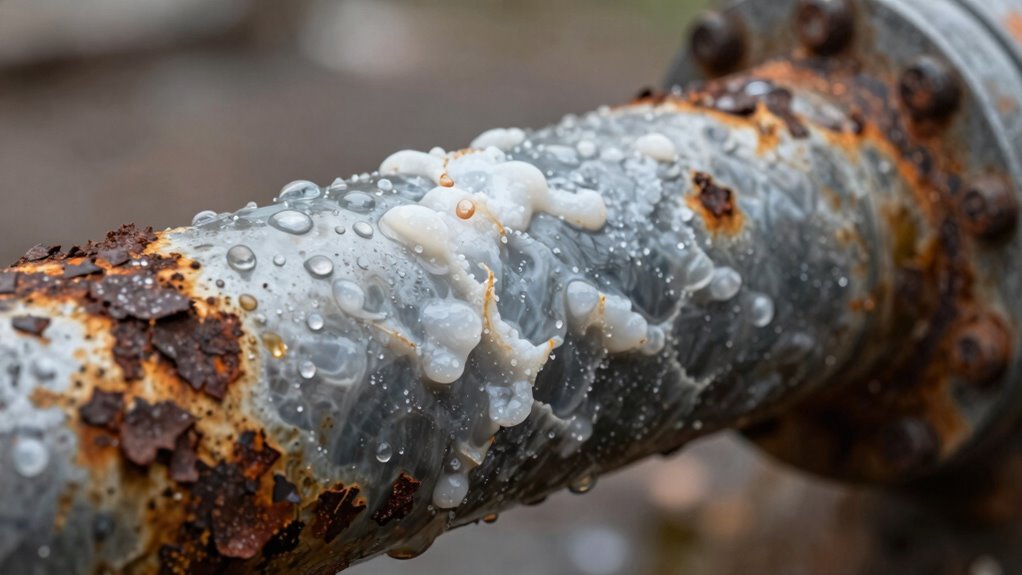
When dealing with heat transfer, scale buildup often becomes an underestimated obstacle that hampers efficiency and safety. You might think of scale as merely a maintenance nuisance, but it’s actually a serious heat transfer problem. At the core of this issue lies thermal conductivity—the ability of a material to transfer heat. When mineral deposits like calcium carbonate or other scale form on heat exchange surfaces, they create a barrier that drastically reduces thermal conductivity. Instead of allowing heat to flow freely from one side to the other, the heat now has to pass through a layer of insulative material, slowing down the process and forcing equipment to work harder. This inefficiency not only wastes energy but also accelerates wear and tear on your system.
Scale buildup reduces thermal conductivity, causing inefficiency, energy waste, and increased equipment wear.
Surface fouling, which refers to the accumulation of unwanted deposits on heat transfer surfaces, is the primary cause of this reduced thermal conductivity. As fouling thickens, it acts as an insulating layer, preventing heat from efficiently moving through the material. This can cause temperature fluctuations, uneven heating, and in extreme cases, equipment failure. You may notice a drop in system performance and increased operational costs, but the real danger lies in how fouling diminishes the system’s ability to transfer heat effectively. The more fouling builds up, the more energy you’ll need to compensate for the loss, leading to higher utility bills and increased maintenance. Understanding thermal conductivity and its role in heat transfer emphasizes why preventing scale buildup is so crucial. Implementing water treatment techniques that target mineral reduction can be an effective preventative measure, helping to maintain optimal thermal conductivity over time. Additionally, using advanced sensors to detect early signs of fouling can enable more precise maintenance scheduling, reducing downtime. Regular cleaning methods, such as chemical descaling, are also vital in removing accumulated deposits before they cause significant damage.
When the surface remains clean and free of deposits, heat transfer remains optimal, ensuring your system runs smoothly and safely. Regular inspections and monitoring sensors can also help detect early signs of fouling, allowing for timely interventions before efficiency is compromised. Additionally, incorporating preventative maintenance strategies can significantly reduce the chances of scale formation and surface fouling, prolonging equipment lifespan.
In the end, addressing scale is about more than just maintenance—it’s about safeguarding your entire heat transfer process. Recognizing how scale impacts thermal conductivity and surface fouling allows you to take proactive steps. By doing so, you preserve system efficiency, reduce energy costs, and prevent the safety risks associated with compromised heat transfer. It’s a clear reminder that scale isn’t just a nuisance; it’s a serious heat transfer problem that demands your attention.
descaling chemical for heat exchangers
As an affiliate, we earn on qualifying purchases.
As an affiliate, we earn on qualifying purchases.
Frequently Asked Questions
How Does Scale Formation Affect Energy Efficiency in Industrial Processes?
Scale formation reduces energy efficiency in your industrial processes by acting as an insulating layer, which hampers heat transfer. Its chemical composition varies, influencing how well it adheres and accumulates on surfaces. This buildup forces equipment to work harder, increasing energy consumption. Effective corrosion prevention and understanding scale’s chemical makeup help you minimize these effects, maintaining ideal heat transfer and ensuring your systems operate efficiently without unnecessary energy waste.
What Materials Are Most Resistant to Heat Transfer Issues Caused by Scale?
Did you know that materials with low thermal conductivity can reduce heat transfer issues caused by scale? You’ll want to select materials like ceramic composites, certain plastics, or specialized alloys for their high durability and insulative properties. These materials resist scaling’s impact on heat transfer, maintaining efficiency longer. Their durability ensures they withstand harsh conditions, keeping energy losses minimal. Using such materials directly enhances your process’s energy efficiency and operational lifespan.
Can Scale Removal Techniques Also Improve Heat Transfer Performance?
Yes, scale removal techniques can improve heat transfer performance considerably. Using chemical inhibitors prevents future scale buildup, maintaining efficiency. Ultrasonic cleaning effectively removes existing scale, restoring heat transfer rates. By combining these methods, you reduce thermal resistance caused by scale, ensuring better heat exchange. Regular maintenance with chemical inhibitors and ultrasonic cleaning helps keep equipment operating at ideal performance, minimizing energy costs and extending equipment lifespan.
How Does Temperature Variation Influence Scale Buildup?
Imagine your pipe as a baking cake—hot spots cause crusty scale, while cooler spots stay soft. Temperature fluctuations accelerate scale buildup by encouraging mineral deposition, especially where surfaces cool down. Chemical inhibitors and surface treatments act like oven mitts, preventing minerals from sticking. So, keeping a consistent temperature minimizes deposits, ensuring your system stays efficient, not a crusty mess, and heat transfer remains smooth rather than blocked by a flaky, scaley layer.
Are There Predictive Models for Scale-Related Heat Transfer Problems?
Yes, predictive models exist for scale-related heat transfer problems. You can use these models to analyze chemical interactions that lead to scaling, helping you anticipate buildup before it becomes problematic. Incorporating scaling inhibitors into your system can also be simulated to assess effectiveness. These models enable you to optimize operational parameters, reduce heat transfer issues, and extend equipment lifespan by proactively managing scale formation.
scale prevention water treatment
As an affiliate, we earn on qualifying purchases.
As an affiliate, we earn on qualifying purchases.
Conclusion
So next time you see scale buildup, remember it’s more than just a nuisance—it’s a heat-transfer problem from the get-go. Think of it like the Titanic’s iceberg—small at first, but capable of sinking your system if you ignore it. Fixing scale early helps maintain efficiency and prevents a disaster that, like a well-placed phone call in a noir film, could change everything. Don’t wait; tackle it before history repeats itself.
fouling detection sensors for heat systems
As an affiliate, we earn on qualifying purchases.
As an affiliate, we earn on qualifying purchases.
heat transfer system cleaning tools
As an affiliate, we earn on qualifying purchases.
As an affiliate, we earn on qualifying purchases.
NFL season / tailgating Picks
team gear
As an affiliate, we earn on qualifying purchases.