
You should know that advanced treatments like activated carbon, ion exchange resins, and reverse osmosis can effectively reduce many PFAS levels in water, but no method guarantees complete removal of all types. Conventional treatments like chlorination or basic filtration don’t work well for PFAS, which resist breakdown. High contamination levels and ongoing industrial sources make long-term solutions tricky. To learn more about how these methods work and their limits, keep exploring this topic.
Key Takeaways
- Conventional treatments like chlorination and basic filtration are ineffective at removing PFAS from water.
- Activated carbon and reverse osmosis can reduce PFAS levels but may not eliminate all compounds completely.
- No single treatment method guarantees complete removal of all PFAS types, especially at high contamination levels.
- Treatment processes often generate waste that requires careful handling to prevent environmental contamination.
- Regulatory standards influence treatment choices and may limit the effectiveness of existing methods.

Per- and polyfluoroalkyl substances (PFAS) are a group of persistent chemicals found in many everyday products, from non-stick cookware to water-resistant fabrics. These chemicals have become a significant concern due to their durability and resistance to breaking down in the environment. When PFAS contaminate water supplies, they often originate from industrial contamination—factories that manufacture or use these chemicals, improper waste disposal, or accidental releases. Because of their widespread presence, understanding what treatment can and can’t do is vital if you’re trying to reduce PFAS levels in affected water sources.
Regulatory standards are evolving to set limits on acceptable PFAS concentrations, but they vary by region and are often still being developed. These standards guide public health policies and influence treatment approaches. However, because PFAS are so persistent, meeting these standards isn’t always straightforward. Conventional water treatment methods, such as chlorination or basic filtration, typically don’t effectively remove PFAS. They tend to pass through standard filters and aren’t broken down easily, making them inadequate for addressing industrial contamination on their own.
Regulatory standards for PFAS are evolving and vary by region, but conventional treatments often can’t effectively remove these persistent chemicals.
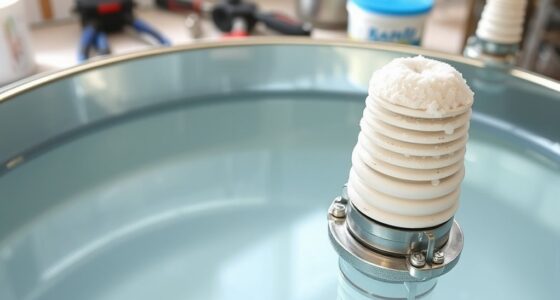
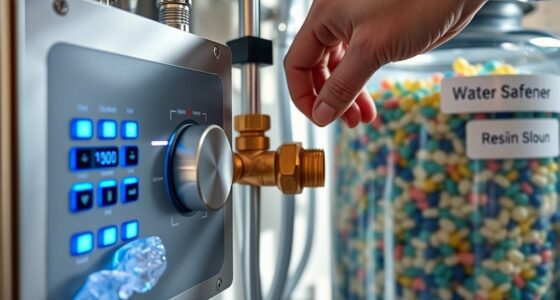
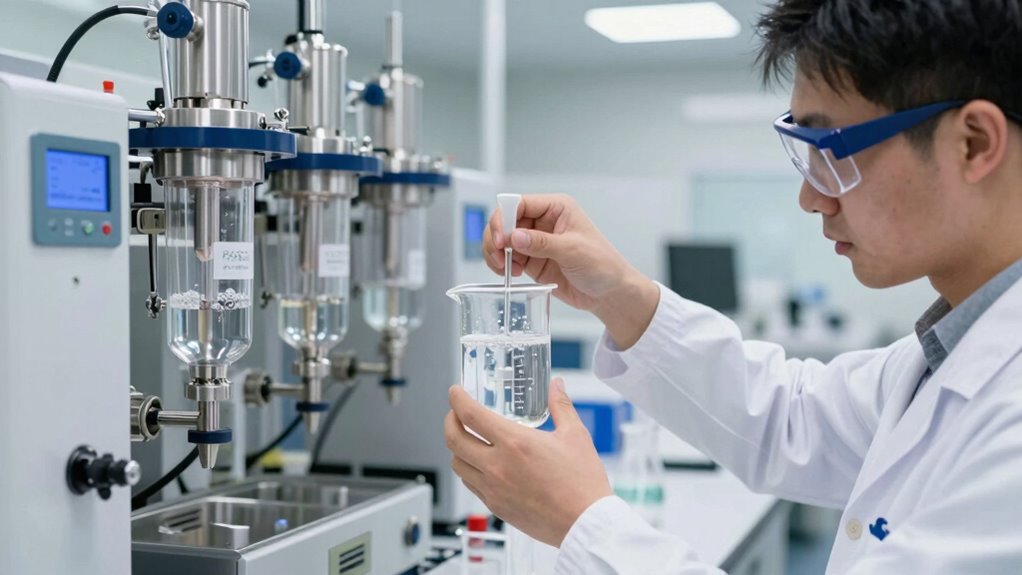
Advanced treatment technologies are necessary to target PFAS specifically. Activated carbon filtration can be effective, especially with long contact times, because it adsorbs many PFAS compounds. Yet, its efficiency depends on the specific PFAS types present and the initial concentration. Similarly, ion exchange resins can remove certain PFAS compounds but may require frequent regeneration and aren’t universally effective against all variants. Reverse osmosis systems often offer the highest removal rates because they physically separate PFAS molecules from water. However, they come with higher costs and produce concentrated waste that needs proper disposal, adding to the complexity of treatment.
Despite these options, it’s important to recognize what treatment can’t do. No single method currently guarantees complete removal of all PFAS types, especially at very high contamination levels. Plus, ongoing industrial contamination can continually introduce new PFAS into water sources, meaning treatment is often a temporary or partial solution rather than a permanent fix. Additionally, regulatory standards influence which treatment methods are implemented and their required effectiveness. Also, some treatment processes generate waste or byproducts that require careful handling to prevent further environmental damage.
Frequently Asked Questions
Can PFAS Be Completely Removed From Contaminated Water Sources?
You can’t completely remove PFAS from contaminated water sources with current treatment methods. While source removal reduces contamination, treatment limitations mean some PFAS may still remain. Technologies like activated carbon and reverse osmosis can markedly lower PFAS levels, but they often don’t eliminate all traces. So, achieving total removal is difficult, and ongoing monitoring and combined approaches are necessary to manage contamination effectively.
How Long Does PFAS Treatment Typically Take to Show Results?
You’ll typically see PFAS treatment results within a few weeks, but it varies based on contaminant detection levels and treatment methods. Studies show that initial reductions can be observed in as little as 14 days, yet complete removal might take several months. Factors like water flow rate and treatment system efficiency influence the treatment duration. Patience is key, as consistent monitoring guarantees the process is effective over time.
Are There Health Risks Associated With Residual PFAS After Treatment?
Residual PFAS after treatment can pose health implications, especially if contamination remains in your water supply. While most treatment methods greatly reduce PFAS levels, some residual contamination might linger, potentially affecting your health over time. It is crucial to monitor water quality regularly and consider advanced treatments if necessary. Staying informed about your water’s safety helps you protect yourself and your family from potential risks associated with residual PFAS.
What Are the Cost Differences Between Various PFAS Treatment Methods?
You’ll find that cost comparisons among PFAS treatment methods vary substantially. Activated carbon is usually the most economically feasible for small-scale projects, while ion exchange resins can be more expensive but more effective for specific contaminants. Advanced methods like high-pressure membranes tend to be the priciest, often limiting their use. When evaluating options, consider both initial investment and ongoing operational costs to determine what’s most economically feasible for your situation.
Can Household Water Filters Effectively Remove PFAS?
About 90% of household water filters don’t effectively remove PFAS. You might think your filter works, but many aren’t designed for these chemicals. To guarantee filter effectiveness, check if it’s certified for PFAS removal, and remember, maintenance is key; filters need regular replacement to stay effective. Without proper maintenance and the right filter, you could be exposed to PFAS despite filtering your water.
Conclusion
Understanding what treatment can and can’t do helps you make informed decisions about PFAS. While some methods effectively reduce these chemicals in water, others have limitations. Did you know that over 200 million Americans have been exposed to PFAS-contaminated water? Staying aware of treatment options empowers you to advocate for safer water choices. Remember, no single solution is perfect, so combining approaches and staying informed is your best strategy to minimize exposure.