For whole-house nitrate treatment, combining biological filtration and ion exchange systems works best. Biological filters naturally reduce nitrates by encouraging beneficial bacteria to convert nitrates into nitrogen gas, which is safe. Ion exchange systems then remove remaining nitrates efficiently, often requiring salt regeneration. This layered approach offers a sustainable, low-maintenance solution that guarantees water safety and compliance. Continue exploring to discover how these methods can be tailored to your needs effectively.
Key Takeaways
- Biological filtration effectively reduces nitrates naturally without chemicals, suitable for whole-house systems with proper maintenance.
- Ion exchange systems provide immediate, high-efficiency nitrate removal but require regular resin regeneration.
- Combining biological filtration with ion exchange offers a layered, comprehensive nitrate treatment approach.
- Regular monitoring and professional consultation ensure system effectiveness and proper maintenance for whole-house nitrate management.
- Consider system size, nitrate levels, and maintenance capacity when selecting the most suitable nitrate treatment method.
Nitrate contamination in water supplies poses health risks, but there are effective treatment options available. If you’re dealing with high nitrate levels in your well or municipal supply, understanding the right treatment methods can help you protect your household. One of the most common and reliable approaches involves biological filtration and ion exchange systems. These methods work together to reduce nitrate concentrations efficiently and safely at the whole-house level.
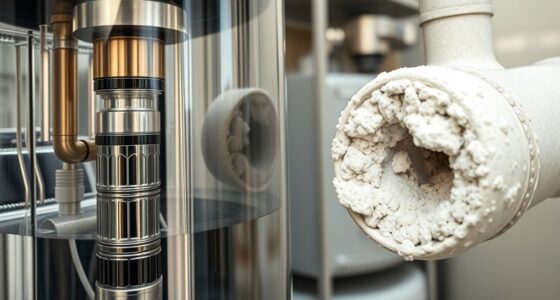
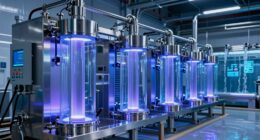
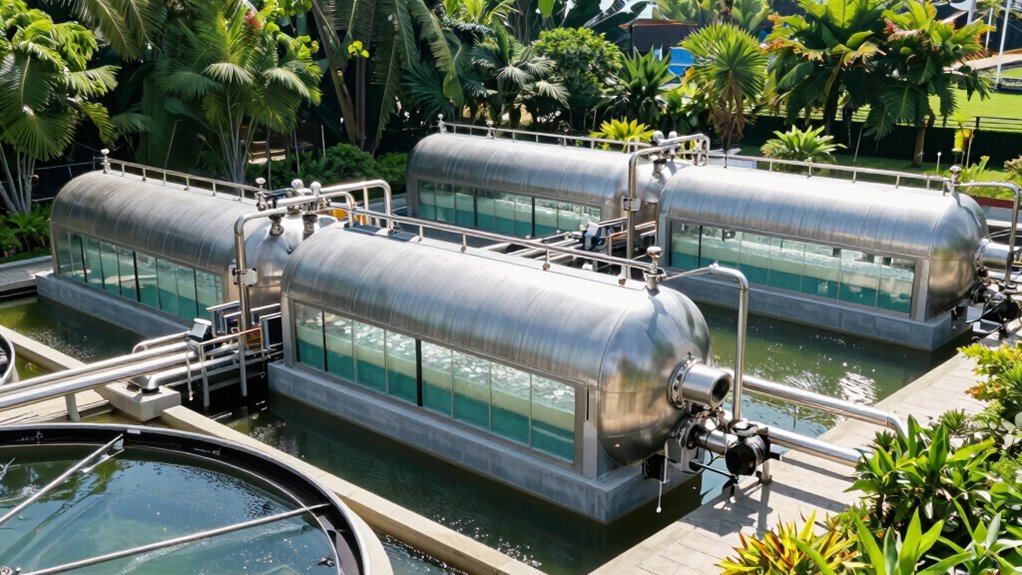
Biological filtration is a natural process that leverages beneficial bacteria to break down nitrates into nitrogen gas, which then escapes harmlessly into the atmosphere. This process typically occurs in specialized filters or bio-reactors designed for this purpose. When properly maintained, biological filtration offers a sustainable and chemical-free way to lower nitrate levels. It’s especially effective when combined with regular monitoring, ensuring the bacteria remain active and the system operates at its best. Installing a biological filter as part of your water treatment setup creates an ongoing, low-maintenance solution that can considerably reduce nitrate concentrations over time.
Biological filtration naturally reduces nitrates through beneficial bacteria in specialized bio-reactors.
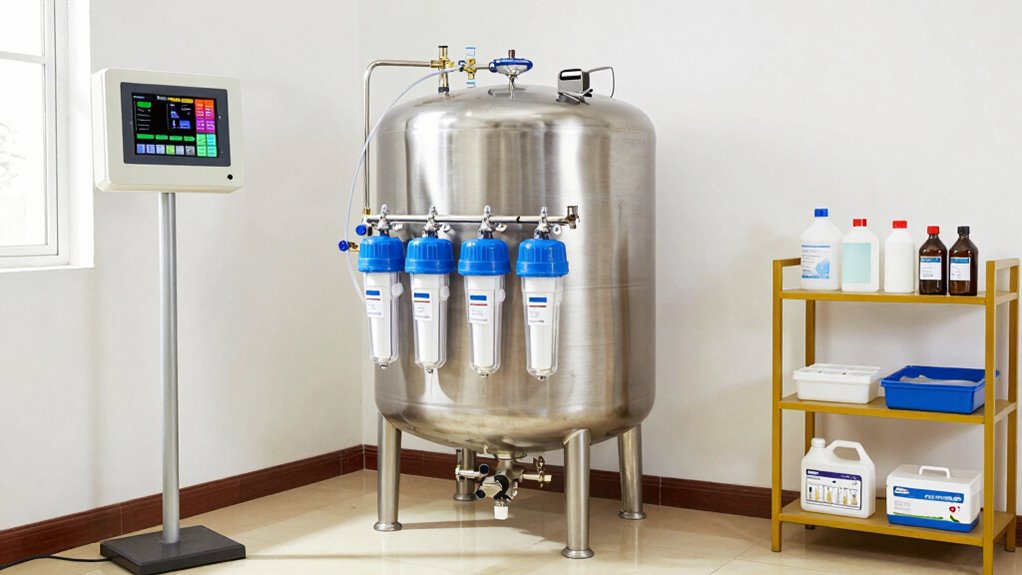
Ion exchange systems are another strong option, particularly for more immediate and targeted nitrate removal. These systems use resin beads that attract and hold nitrate ions while replacing them with chloride or another benign ion. When water passes through the resin, nitrates are effectively removed, resulting in cleaner water for your household. Ion exchange is known for its high efficiency and ability to handle large volumes of water, making it suitable for whole-house applications. Keep in mind, though, that these systems require regular regeneration with salt or other regenerants to maintain their effectiveness. While this adds a bit of ongoing maintenance, the benefit is consistently low nitrate levels in your water supply.
Combining biological filtration with ion exchange can offer a thorough approach. Biological filtration handles the bulk reduction of nitrates naturally, while ion exchange provides a final polishing step to ensure nitrate levels stay below safety thresholds. This layered strategy maximizes effectiveness and minimizes the need for chemical additives or complex treatment setups. When selecting systems, consider your water volume, initial nitrate concentration, and maintenance capacity. Consulting with water treatment professionals can help you design a system tailored to your specific needs.
Additionally, incorporating proper filtration techniques and ensuring your system is well-ventilated can enhance overall water quality and system longevity.
Frequently Asked Questions
How Long Does a Whole-House Nitrate Treatment System Typically Last?
You can anticipate your whole-house nitrate treatment system to last around 10 to 15 years, depending on the system’s quality and maintenance. Regular filter replacements and professional inspections help extend its lifespan. Typically, the replacement frequency is every 5 to 7 years for filters, but the system itself may need replacement or major parts replaced after about a decade. Proper upkeep ensures you get the most out of your investment.
Are There Any Environmental Impacts From Nitrate Treatment Methods?
Yes, nitrate treatment methods can have environmental impacts. These systems may increase your ecological footprint through energy use and waste byproducts, such as spent media or brine solutions. Improper disposal of these byproducts can harm local ecosystems. To minimize ecological effects, choose eco-friendly systems, properly manage waste, and regularly maintain your treatment system, reducing potential negative impacts on the environment.
Can Nitrate Treatment Systems Be Integrated With Existing Water Infrastructure?
Yes, nitrate treatment systems can be integrated with existing water infrastructure. You need to take into account system integration and infrastructure compatibility to ensure smooth operation. Often, retrofit options are available to connect new nitrate removal units with your current plumbing and water supply lines. By working closely with professionals, you can customize solutions that fit seamlessly into your home’s setup, ensuring effective nitrate reduction without major disruptions or costly replacements.
What Are the Ongoing Maintenance Costs for Nitrate Removal Systems?
You might think nitrate removal systems are a one-and-done fix, but think again—cost considerations and system durability matter. Ongoing maintenance costs can add up over time, especially if parts need frequent replacement. Regular filter changes, monitoring, and occasional repairs keep the system running efficiently. While initial setup might seem hefty, factoring in these ongoing expenses guarantees your system stays durable and effective, saving you headaches (and money) later.
How Do Nitrate Treatment Options Vary by Water Usage Levels?
Your nitrate treatment options vary based on your water usage patterns and demand. If you have high water demand, you’ll need a larger or more efficient system, like ion exchange or reverse osmosis, to handle frequent use. For lower usage, smaller or simpler systems can suffice, but you should still observe nitrate levels regularly. Tailoring your system to your specific water consumption ensures effective nitrate removal and minimizes ongoing maintenance costs.
Conclusion
When choosing nitrate treatment options, it’s clear that no single solution fits every home—yet, it’s no coincidence that systems like reverse osmosis and ion exchange often emerge as top contenders. You’ll find that properly maintaining these treatments makes all the difference, and often, the best approach combines methods tailored to your water’s unique needs. Ultimately, what works at a whole-house scale isn’t just about technology—it’s about your commitment to safe, clean water every day.