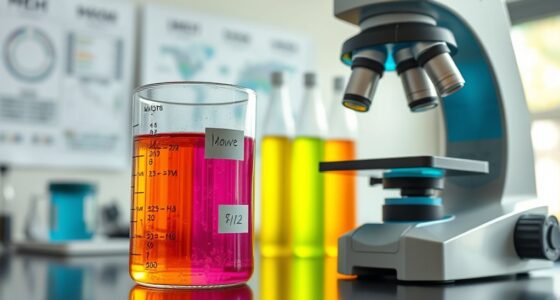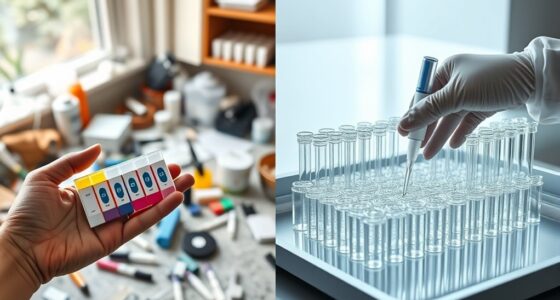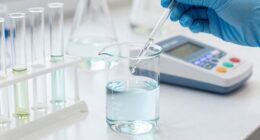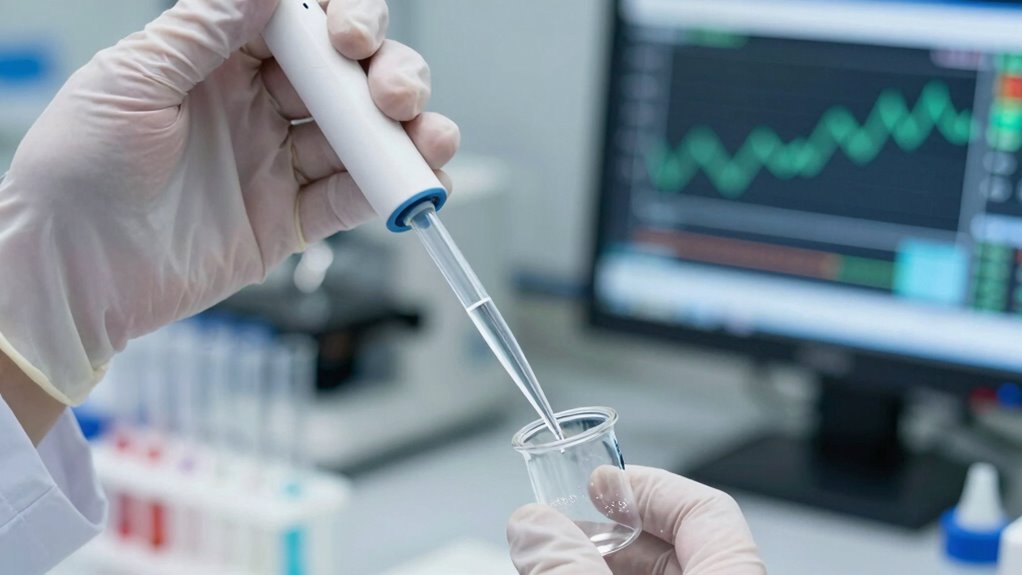

The biggest sampling mistake most people make is contamination during collection, often from unsterile containers, unclean gloves, or environmental exposure. These errors can introduce foreign microorganisms or substances that ruin lab results, causing false positives or negatives. Mishandling or not following proper protocols compromises sample integrity and delays diagnoses. Paying close attention to collection methods, storage, and handling guarantees accurate results—continue to discover how to avoid these common pitfalls.
Key Takeaways
- Using unsterile collection containers introduces contaminants that can cause false lab results.
- Improper sealing or handling of samples allows environmental contamination and degradation.
- Incorrect labeling or sample mix-ups lead to inaccurate or invalid results.
- Exposure to extreme temperatures or delays before processing alters sample integrity.
- Failing to follow proper collection protocols increases contamination risk, compromising test accuracy.
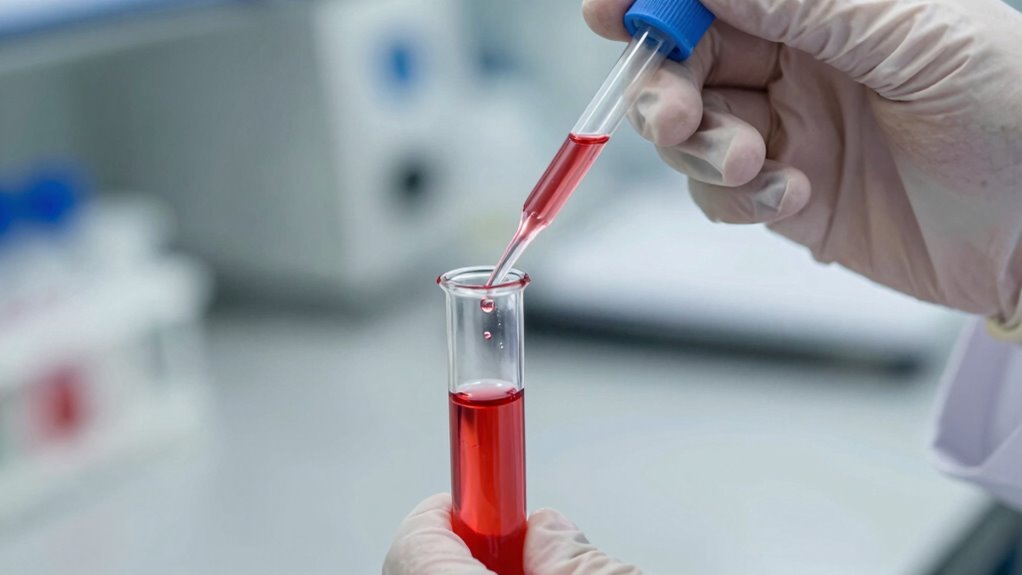
Sampling mistakes can severely compromise lab results, leading to inaccurate data that affect diagnoses, research, and decision-making. One of the most common errors people make is overlooking the importance of proper sample collection and handling. When you fail to follow established protocols, you risk introducing sample contamination, which can skew entire test outcomes. Sample contamination happens when foreign substances or microorganisms accidentally enter your specimen, making it impossible to determine the true state of the sample. This contamination can originate from unclean containers, contaminated gloves, or even environmental exposure during collection. If you’re not careful, these contaminants can mimic or obscure the actual analytes, leading to false positives or negatives.
Sampling errors like contamination can invalidate results and delay diagnoses. Proper collection and handling are essential to ensure accuracy.
Improper handling of samples is another critical mistake that can ruin lab results. This includes mishandling during collection, transportation, or storage. For example, if you don’t use sterile techniques when collecting a blood sample, you might introduce bacteria or other contaminants that compromise the integrity of the specimen. Similarly, exposing samples to extreme temperatures, direct sunlight, or lengthy delays before processing can alter their composition. Such mishandling might degrade the target analytes or cause chemical changes, ultimately affecting test accuracy. Not paying attention to labeling details can also create mix-ups, resulting in samples being attributed to the wrong patient or test type, which can have serious consequences.
Many people underestimate how essential proper handling is, assuming that once the sample is collected, it’s fine until analysis. But in reality, every step matters. Even small lapses—like not using gloves, failing to disinfect the collection site, or neglecting to seal the sample container properly—can lead to contamination or deterioration. These mistakes can be difficult to detect but have a profound impact on results. Laboratories rely on strict protocols precisely to prevent these issues, but if you’re not meticulous, you risk invalidating the entire sample. This can force repeat collections, delay diagnosis, or produce unreliable research data.
Additionally, understanding the importance of sample preservation methods can help prevent analyte degradation and ensure sample stability during transport and storage. In the end, avoiding sample contamination and improper handling isn’t just about following rules; it’s about ensuring the accuracy and reliability of lab results. Your attention to detail during collection, transportation, and storage directly influences the quality of the data that healthcare providers, researchers, and decision-makers depend on. Recognizing the importance of proper sample handling helps you prevent common mistakes that could otherwise undermine the entire testing process.
Frequently Asked Questions
How Can I Identify if My Sample Was Contaminated?
You can identify sample contamination by using detection methods like visual inspection for unusual colors or particles, or testing for unexpected microorganisms. If your results seem inconsistent or differ from expected outcomes, contamination might be the cause. Always follow proper sample handling protocols, and consider conducting control tests. Regularly checking for contamination guarantees accurate results and prevents errors that could compromise your analysis.
What Are the Best Practices for Sample Storage?
To guarantee proper sample preservation, you should store your samples under ideal storage conditions, such as refrigeration or freezing, depending on the sample type. Keep containers airtight to prevent contamination and label them clearly with date and details. Avoid temperature fluctuations, and use appropriate preservatives if necessary. Regularly check storage conditions to maintain sample integrity, ensuring accurate and reliable lab results every time.
Can Improper Sampling Affect Test Accuracy?
You bet improper sampling can throw off your test results. When you don’t follow proper storage protocols, it’s like opening a can of worms — sample contamination becomes a real risk. This can lead to inaccurate data, wasting time and resources. To keep results reliable, always adhere to strict sampling procedures, handle samples carefully, and store them correctly. That way, your test outcomes stay precise and trustworthy.
How Often Should Sampling Procedures Be Reviewed?
You should review your sampling procedures regularly, at least annually, to guarantee accuracy. Establish a clear review schedule based on your sampling frequency and the complexity of your tests. If you notice any inconsistencies or changes in lab results, increase the review frequency. Consistent reviews help catch errors early, maintain reliable results, and prevent costly mistakes. Make it a routine part of your quality control process to keep your lab standards high.
What Training Is Recommended for Proper Sampling Techniques?
You should pursue technician certification and undergo training in sampling validation to guarantee proper techniques. This training covers correct sampling procedures, proper handling, and contamination prevention. Certification verifies your skills, helping you avoid common mistakes. Regular refresher courses are also recommended to stay updated with best practices. By investing in thorough training and validation, you improve the accuracy of your lab results and maintain high standards in your sampling processes.
Conclusion
If you overlook proper sampling, you’re like a painter using the wrong brush—your results become distorted, colors bleeding into unintended shades. Every sample you take is a tiny brushstroke in a bigger picture; if flawed, the masterpiece crumbles. Don’t let a simple mistake cast a shadow over your entire lab work. Precision is your compass, guiding you through the fog of uncertainty toward clarity and truth, ensuring your results stand tall like a lighthouse in a storm.