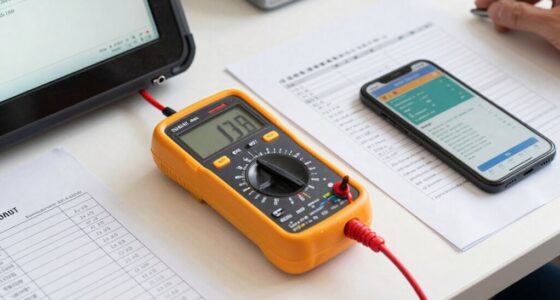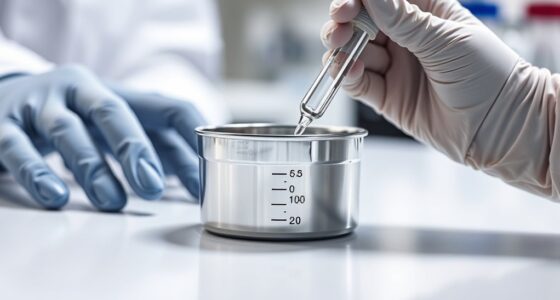
To stop guessing your iron levels, start by choosing a trusted at-home test kit that measures key markers like ferritin and transferrin saturation. Follow the instructions carefully—clean your hands, collect blood properly, and store samples correctly. Accurate results depend on proper collection and timing. If you get unexpected results or symptoms, consult a healthcare professional. Keep these basics in mind, and you’ll be well on your way to effective self-testing and better health.
Key Takeaways
- Choose validated, reliable home test kits measuring key blood markers like serum ferritin and transferrin saturation.
- Prepare properly by washing hands, following fasting guidelines, and gathering all necessary supplies before testing.
- Follow instructions carefully during sample collection to ensure accuracy and avoid contamination or errors.
- Collect samples at recommended times, typically in the morning, and handle them with proper storage techniques.
- Consult healthcare professionals if results are abnormal or if symptoms persist, for proper diagnosis and treatment.
Understanding the Importance of Iron Testing

Understanding the importance of iron testing is essential because iron plays a critical role in your body’s overall health. If you’re experiencing symptoms like fatigue or dizziness, iron deficiency might be the cause. Regular testing helps you identify issues early, so you can manage your condition effectively. Iron deficiency can lead to anemia and other health problems if left unchecked. By monitoring your iron levels, you can make informed decisions about supplement management, ensuring you take the right amount of iron without risking overdose. At-home iron tests offer a convenient way to stay proactive about your health, especially if you have a history of deficiency or are at risk. Staying aware of your iron status empowers you to maintain *ideal* energy levels and overall well-being. Understanding the importance of iron testing is crucial because iron plays a vital role in supporting your immune system and cognitive function.
Choosing the Right At-Home Iron Test Kit
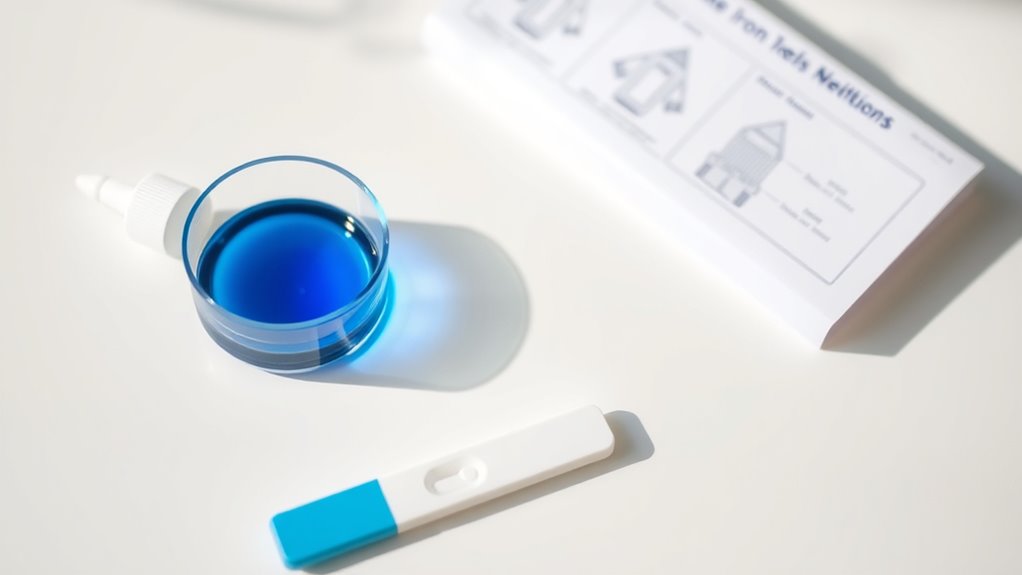
When selecting an at-home iron test kit, you’ll want one that offers accurate and reliable results. Ease of use and clear instructions are also key, so you can test yourself confidently at home. Additionally, consider the cost and accessibility to find a kit that fits your needs and budget. Ensuring the kit has been tested for accuracy and reliability is essential for trustworthy outcomes.
Accuracy and Reliability
Are you confident that the at-home iron test kit you choose will give you accurate and reliable results? The key is to look for kits that measure relevant blood markers, such as serum ferritin, transferrin saturation, and total iron-binding capacity. These markers are essential for evaluating your iron status accurately. Additionally, check if the kit has been validated against laboratory accuracy standards, ensuring its results are trustworthy. Reputable brands often partner with certified laboratories or provide clear validation data. Remember, a reliable kit minimizes false readings, helping you make informed health decisions. It’s also important to consider inspirational quotes about fatherhood and how they can remind you of the importance of caring for your health and well-being. Don’t settle for options that lack proper validation or rely on unproven methods. Choosing a kit with proven accuracy will give you peace of mind and better health insights.
Ease of Use
Choosing an at-home iron test kit that’s easy to use can make a significant difference in your experience and the accuracy of your results. Look for kits with simple instructions and minimal steps to avoid confusion. Your dietary habits, such as iron-rich foods or vegetarian diets, can influence test outcomes, so select a kit that accounts for these factors. Consider supplement considerations; if you’re taking iron supplements, choose a test designed to distinguish supplement effects from natural iron levels. Clear, straightforward testing procedures help ensure you get reliable results without frustration. An intuitive design allows you to perform the test confidently, even if you’re new to at-home health kits. Ultimately, ease of use helps you stay consistent and better understand your iron status over time. Additionally, understanding the role of color accuracy in test results can improve your interpretation of the outcomes.
Cost and Accessibility
Finding an at-home iron test kit that fits your budget and is easy to access is essential for consistent health monitoring. Fortunately, there are affordable options available that won’t break the bank, making it easier to stay on top of your iron levels regularly. However, accessibility challenges can arise, especially if certain kits aren’t available in your area or require complicated ordering processes. To overcome this, look for brands that offer straightforward online purchasing or local pharmacy availability. Investing in a reliable, cost-effective kit ensures you won’t skip testing due to financial or logistical barriers. Additionally, choosing a kit with proper validation can help ensure accurate results and peace of mind. By selecting a kit that balances affordability and accessibility, you can confidently track your iron status and take control of your health without unnecessary hassle.
Preparing for Your Iron Test at Home
Before you start your iron test at home, make sure you gather all the necessary testing supplies. Carefully read and follow any pre-test instructions provided with your kit to guarantee accurate results. Proper preparation helps you get the most reliable reading from your test. Additionally, ensuring your workspace is clean and organized can minimize contamination risks and improve test accuracy testing environment.
Gather Testing Supplies
To successfully complete your iron test at home, gather all the necessary supplies ahead of time. You’ll need a clean, sterile collection kit, which often includes a lancet, alcohol wipes, and a collection container. Make sure you have a clean towel or tissues nearby for cleanup. Preparing your environment is just as important as your supplies—choose a comfortable, well-lit space. Before testing, review any diet tips, such as avoiding iron-rich foods or supplements that might interfere with results. Having everything ready ensures a smooth process and accurate results. Double-check that your supplies are within their expiration dates and properly sterilized. Being prepared minimizes errors, saves time, and helps you accurately monitor your iron levels from the comfort of your home. Additionally, understanding AI-driven security systems can help safeguard your personal health data during at-home testing.
Follow Pre-Test Instructions
Once you’ve gathered all your testing supplies and prepared your environment, it’s important to meticulously follow the pre-test instructions provided with your kit. Doing so ensures accurate results and reliable insights into your nutritional deficiencies and lifestyle factors affecting iron levels. Be sure to consider air quality factors that might influence your overall health and the accuracy of test results.
- Avoid eating or drinking anything that could influence your iron levels, like coffee or supplements, before testing.
- Follow specific timing instructions, such as fasting periods, if required.
- Wash your hands thoroughly to prevent contamination.
- Read all instructions carefully to understand sample collection and handling.
Paying close attention to these steps helps you get an accurate picture of your iron status, empowering you to make informed health decisions and address potential deficiencies effectively.
Step-by-Step Guide to Performing the Test

Performing an at-home iron test is straightforward when you follow each step carefully. First, wash your hands thoroughly to guarantee cleanliness. Next, prepare the testing kit as instructed, often involving a lancet to prick your fingertip. Gently squeeze your finger to produce a small blood droplet. Carefully collect the blood sample using the provided device or test strip, making sure not to overfill. Follow the kit’s instructions to apply the blood onto the testing strip or cassette. Wait the designated time for the results to develop. Remember, low blood ferritin levels can indicate iron deficiency, so accurate sample collection is key. Proper test accuracy depends on meticulous sample collection and adherence to instructions. Once the test is complete, interpret your results according to the kit’s guidelines for a quick assessment of your iron status.
Interpreting Your Results Accurately
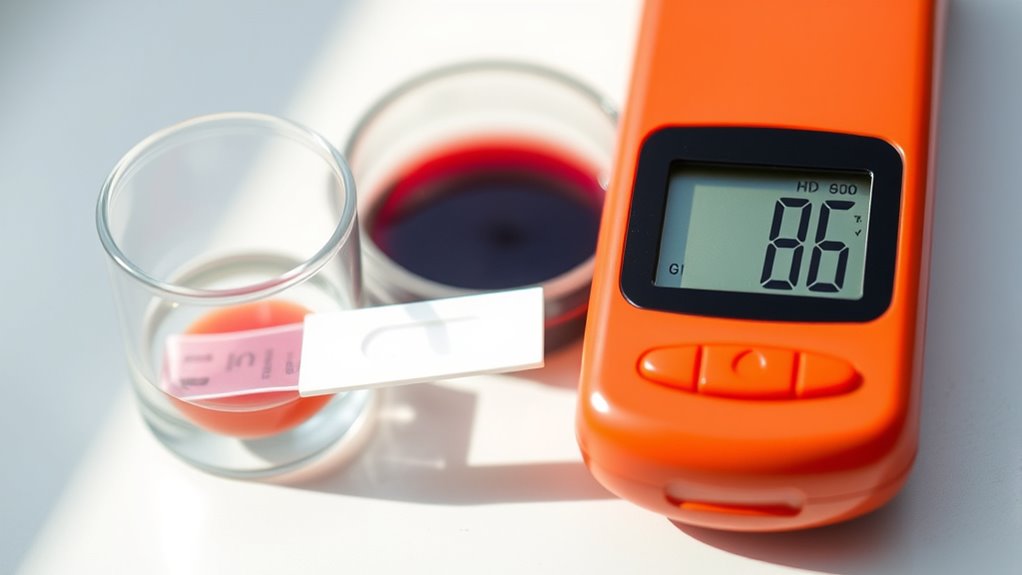
Understanding your results accurately is essential for evaluating your iron levels and determining if further action is needed. Once you have your test results, compare them to standard reference ranges provided with your kit or by your healthcare provider. Keep in mind that low iron levels might indicate a deficiency, often related to inadequate dietary iron or the need for iron supplements. High levels could suggest other health issues requiring professional attention. To interpret your results effectively, consider these points:
- Know the normal range for your specific test
- Recognize how dietary iron affects your levels
- Consult with a healthcare professional before starting iron supplements
- Look for symptoms that align with your test outcomes
- Staying informed about AI discoveries can offer insights into future diagnostic tools and treatment options.
Accurate interpretation helps you make informed decisions about your health.
Common Mistakes to Avoid During Testing

To guarantee accurate results, it’s important to avoid common mistakes during testing that can compromise the reliability of your iron level reading. One key mistake is improper sample collection; ensure you follow instructions carefully to avoid contamination or insufficient samples. Be precise with timing—collect your sample at the right moment, usually in the morning, for consistency. Incorrect storage techniques can also skew results—avoid exposing your sample to heat, sunlight, or moisture. Use clean containers and keep the sample refrigerated if necessary, as recommended. Rushing the process or skipping steps can lead to inaccurate readings. Taking your time, following instructions closely, and handling your sample properly will help ensure your test results are reliable and reflective of your true iron levels.
Knowing When to Consult a Healthcare Professional
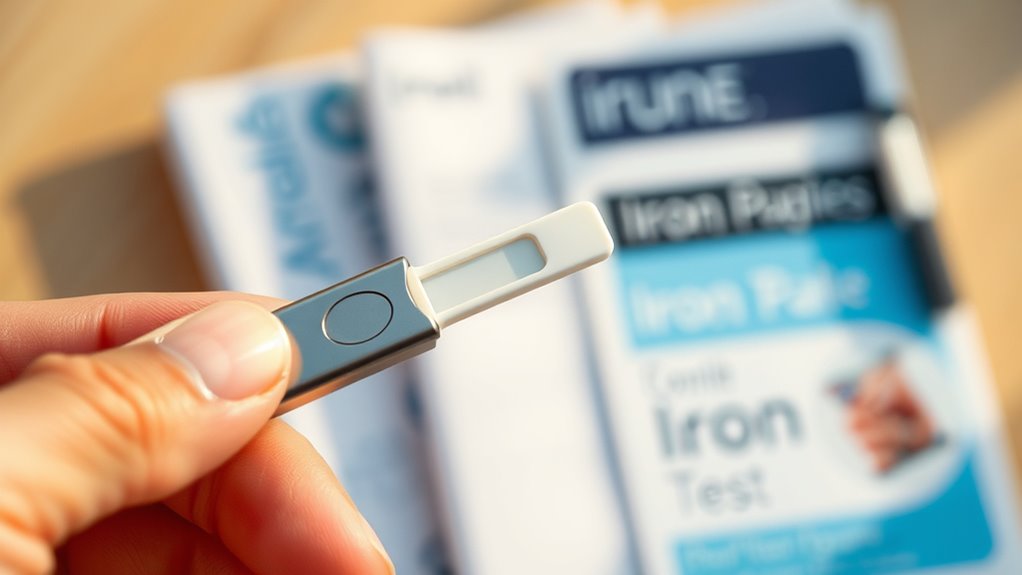
While at-home iron tests can provide useful insights, you should see a healthcare professional if your results are abnormal or if you experience symptoms like persistent fatigue, dizziness, or pale skin. These signs may indicate underlying issues that require professional evaluation and treatment. Consulting a healthcare provider helps guarantee proper symptom management and guides medication timing if needed. Don’t ignore ongoing symptoms or irregular test results, as they could signal iron deficiency or other health problems. A professional can interpret your results accurately, recommend further testing, and develop a tailored treatment plan. Remember, timely intervention can prevent complications and improve your overall health. Seek medical advice promptly when in doubt or if symptoms worsen.
Frequently Asked Questions
How Often Should I Test My Iron Levels at Home?
You should test your iron levels at home every 3 to 6 months, especially if you’re experiencing iron deficiency symptoms like fatigue or weakness. Follow testing frequency guidelines from your healthcare provider, as they may suggest more frequent checks if you’re pregnant or have a diagnosed deficiency. Regular testing helps you stay on top of your iron status and adjust your diet or supplements as needed.
Can At-Home Iron Tests Detect All Types of Iron Deficiency?
At-home iron tests mainly measure blood iron and ferritin levels, but they might not detect all types of iron deficiency. These tests can identify iron deficiency anemia caused by low ferritin or blood iron, yet they may miss other issues like functional iron deficiency or deficiency related to chronic illness. For a thorough assessment, consider consulting a healthcare professional who can order detailed blood work if needed.
Are At-Home Iron Tests Suitable for Children or Pregnant Women?
At-home iron tests aren’t recommended for children or pregnant women because of child safety and pregnancy considerations. You should always consult a healthcare professional for accurate advice and testing in these cases. These tests may not provide reliable results for vulnerable groups, and self-testing could lead to overlooked health issues. Prioritize professional medical guidance to guarantee safety and proper diagnosis for children and pregnant women.
How Reliable Are Home Iron Test Kits Compared to Lab Tests?
Imagine holding a tiny test strip, hoping it’s accurate. Home iron test kits offer quick insights, but their test accuracy isn’t as reliable as lab tests. You might see a faint color change or a false reading because of kit limitations like sensitivity issues or user error. While convenient, these kits can’t replace lab tests for precise iron levels, especially if you need detailed, trustworthy results.
What Are Signs That Indicate I Need an Iron Test Urgently?
If you notice symptoms like extreme fatigue, dizziness, pale skin, shortness of breath, or cold hands and feet, you should seek an iron test urgently. These signs often indicate iron deficiency, and early detection is essential. Stay symptom-aware and consult a healthcare professional promptly to confirm your iron levels. Don’t ignore these warning signs, as timely testing can help you address deficiencies before they worsen.
Conclusion
By following these steps, you can confidently monitor your iron levels at home. For example, if your test shows low iron, you might notice fatigue or dizziness—signals to see a healthcare professional. Taking charge of your health with accurate at-home testing assists in preventing complications. Remember, while DIY tests are useful, consulting a doctor ensures you get the right treatment. Stay proactive, informed, and healthy!