To quickly interpret any water report, focus on key elements like contaminant levels, pH, and microbiological results. Compare these figures to regulatory standards to assess safety, and pay attention to summary tables or highlighted ranges. Don’t overlook lab notes or recommendations, as they provide helpful context. Using this shortcut, you can determine water quality in about 10 minutes—and if you keep going, you’ll gain even deeper insights.
Key Takeaways
- Focus on key contaminant levels and compare them to EPA or local safety standards.
- Identify critical test results such as bacteria presence, pH, or heavy metals.
- Review summary tables or highlighted safe ranges for quick assessment.
- Read lab notes or comments for additional context or recommended actions.
- Prioritize potential health risks or infrastructure issues based on the data and notes.
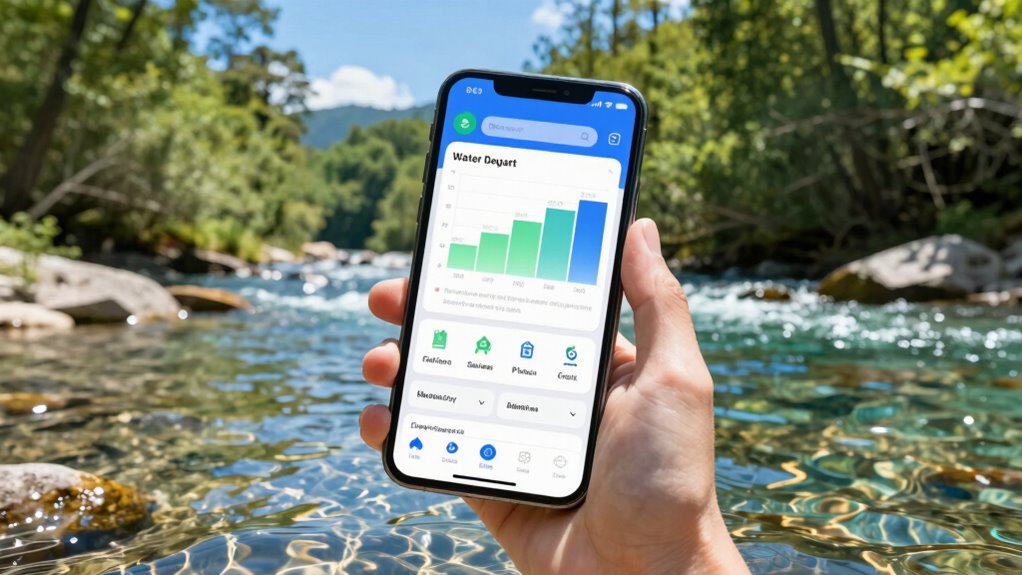
Ever find yourself overwhelmed by the process of generating water reports? If so, you’re not alone. Water reports can seem complex and time-consuming, especially when you’re trying to interpret data about water quality. But there’s good news: with a straightforward shortcut, you can understand any water report in just 10 minutes. The key is to focus on the essentials—specifically, the testing methods used and what they reveal about water quality. By breaking down the report into manageable parts, you can quickly grasp whether the water meets safety standards or if concerns need to be addressed.
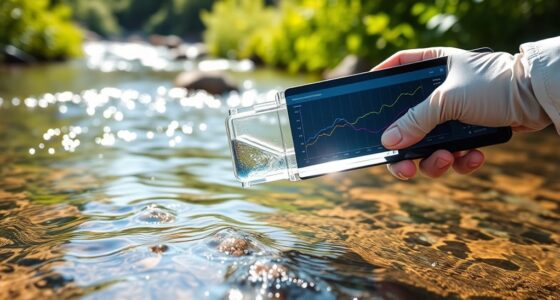
First, get familiar with the common testing methods used in water analysis. These methods are the foundation of the report, so understanding them is vital. For example, chemical tests often measure pH levels, presence of contaminants like lead or nitrates, and total dissolved solids. Microbiological testing checks for bacteria such as coliform or E. coli, which indicate possible contamination. Physical tests may assess turbidity or color, giving clues about clarity and potential pollutants. Recognizing these testing methods allows you to interpret the results accurately without getting lost in technical jargon. Think of testing methods as the tools that uncover the story behind the water quality.
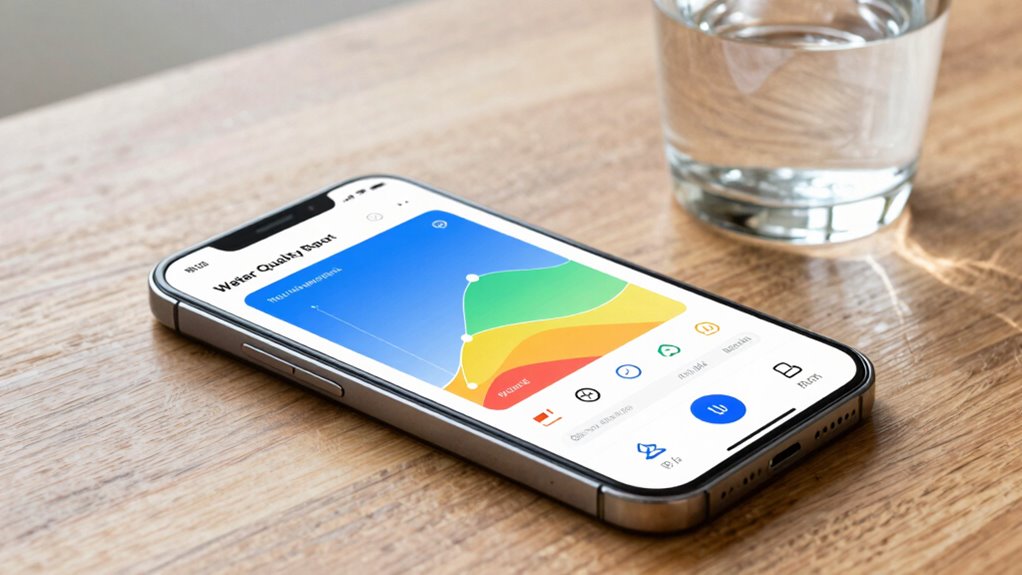
Once you understand the testing methods, focus on the report’s key data. Look for the concentration levels of specific contaminants and compare them to regulatory standards, such as those set by the EPA or local agencies. Most reports will include a summary table or a highlighted section indicating whether each parameter falls within acceptable limits. If all values are within safe ranges, the water quality is generally good, and no immediate action is needed. If any levels exceed standards, note which contaminants are involved. This quick scan allows you to identify potential health risks or infrastructure issues without delving into unnecessary details.
In addition, pay attention to any notes or comments from the lab. These often provide context or recommendations, such as the need for further testing or treatment. Understanding these annotations can save you time and help you prioritize your next steps. Remember, the goal isn’t to become a water testing expert overnight but to efficiently interpret the report’s main points. By focusing on the testing methods and their results, you’ll quickly determine water quality status and whether you need to dig deeper. Gaining a basic understanding of testing methods can significantly enhance your ability to interpret reports accurately and efficiently.
Implementing this shortcut means you spend less time deciphering complex reports and more time making informed decisions. Whether you’re a homeowner, facility manager, or environmental professional, mastering this approach will streamline your review process. Soon, you’ll be able to read any water report confidently in just 10 minutes, making water safety and quality management much easier and less stressful.
Frequently Asked Questions
Can I Use This Shortcut for All Types of Water Reports?
Yes, you can use this shortcut for most water reports, but its applicability varies depending on the report type. It works well for standard municipal water reports, giving you quick insights. However, for specialized reports like private well testing or environmental assessments, you might need additional steps or different methods. Always verify if the shortcut covers the specific details you’re looking for in each water report.
Does This Method Work Offline or Require Internet Access?
This method works offline, so you don’t need internet access to read water reports. Once you’ve downloaded the report or the shortcut, it’s fully functional without relying on internet connectivity. This makes it convenient for situations with limited or no internet. Just make sure you’ve saved the necessary files beforehand. So, you can confidently use this approach without worrying about internet dependency, anywhere you go.
Are There Any Costs Associated With Using This Shortcut?
There are generally no costs associated with using this shortcut unless it involves a subscription fee or premium features. You won’t need to pay anything upfront, but some advanced options might require a small fee. Always check the specific water report app or website for cost considerations, so you’re aware of any subscription fees or additional charges before you start. This way, you can use the shortcut without surprises.
How Accurate Is the Summary Generated by This Shortcut?
You can generally trust the summary generated by this shortcut for report accuracy, but keep in mind that it might not catch every detail. The shortcut’s reliability depends on the quality of the original water report and how well the tool processes it. While it offers quick insights, for critical decisions, double-checking the full report is wise to guarantee the information remains precise and dependable.
Can I Customize the Information Included in the Report?
Yes, you can customize the information included in the report. The shortcut allows for report customization, giving you control over which data points you want to see. With data personalization, you can select specific parameters or focus on particular areas of interest. This way, your water report becomes tailored to your needs, helping you quickly access the most relevant information without sifting through unnecessary details.
Conclusion
Now that you know this shortcut, reading water reports becomes quick and easy. Did you know that over 90% of water quality issues are detected within the first few pages? This means you can save time and still stay well-informed about your water safety. By using this method, you’ll be empowered to understand reports faster and make smarter decisions about your water quality. It’s all about working smarter, not harder—so start applying this today!