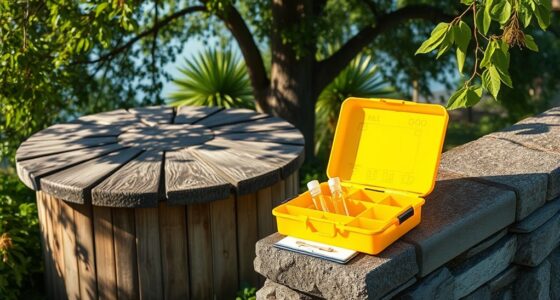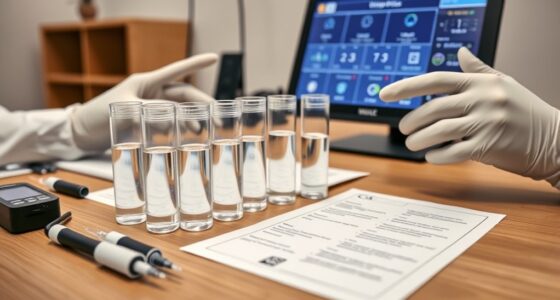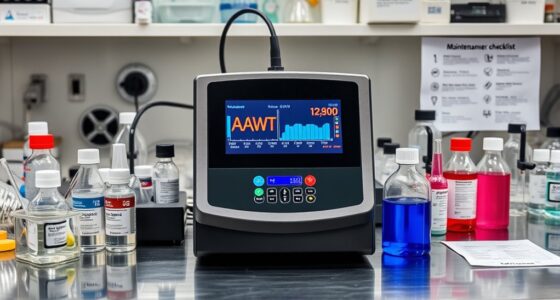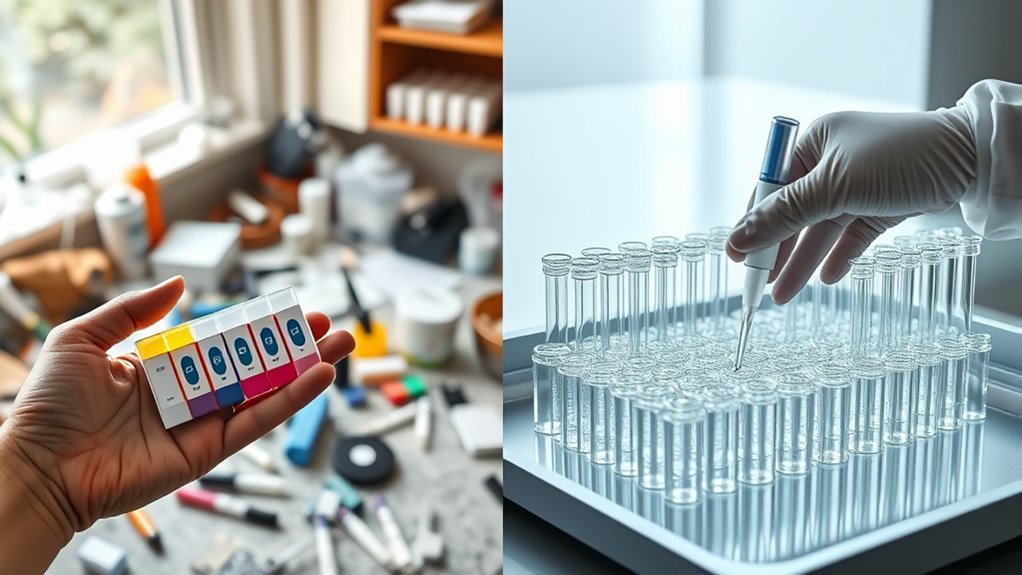

Home test kits are easy and affordable for quick health checks and offer privacy, but they may not be as accurate or thorough as professional lab testing. While kits are convenient for basic screenings, complex health issues usually require detailed analysis from a healthcare provider or lab, which can be more reliable but possibly more costly. To better understand when to choose each option and their differences, consider exploring further.
Key Takeaways
- Home test kits are generally more affordable and convenient but may have lower accuracy than professional lab testing.
- Professional laboratory testing offers more comprehensive analysis and higher reliability for complex health conditions.
- Home kits provide discreet, private testing, while professional testing involves sharing information with healthcare providers.
- The accuracy of results varies; lab tests typically deliver more precise and detailed information.
- The choice depends on health needs, budget, privacy preferences, and the required thoroughness of testing.
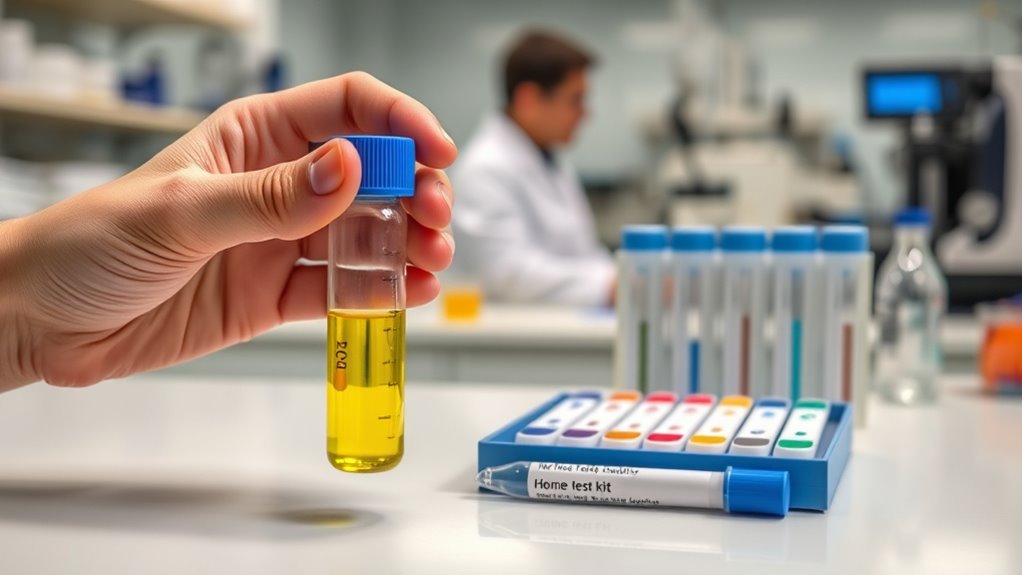
When deciding between home test kits and professional laboratory testing, understanding their differences is key to making an informed choice. One of the most immediate factors you’ll notice is the cost difference. Home test kits are generally more affordable upfront because they don’t include the fees associated with lab processing or professional consultation. You purchase the kit once, and it’s usually less expensive than visiting a healthcare provider or lab. However, keep in mind that some home kits may require multiple tests over time, and certain specialized tests might not be available or could cost more when purchased as a kit. On the other hand, professional laboratory testing often involves higher costs due to professional oversight, advanced equipment, and detailed analysis. Insurance may cover some of these expenses, which can considerably reduce your out-of-pocket costs. So, while the initial price tag for a home kit looks attractive, consider whether it provides the thoroughness or accuracy you might get from a professional lab, especially for complex health issues. Additionally, the accuracy of results can vary significantly between home kits and lab testing, influencing your health decisions based on the findings. Privacy concerns also play a substantial role in your decision. With home test kits, you retain control over your personal health information and can perform tests discreetly in your own privacy. This setup appeals to many who prefer avoiding visits to clinics or hospitals, especially for sensitive conditions like sexually transmitted infections or hormone testing. You’re in charge of sample collection, and the results are typically sent directly to you, minimizing the risk of exposure or breaches of confidentiality. However, some home testing companies may store or share your data, so it’s important to review their privacy policies thoroughly. Conversely, professional testing involves sharing your personal health information with healthcare providers and labs. While this might feel less private at first, it often guarantees confidentiality under healthcare privacy laws like HIPAA. Plus, healthcare professionals can guide you through the testing process, interpret results accurately, and advise on next steps, reducing the risk of misinterpretation. Ultimately, your choice hinges on weighing cost differences against privacy concerns. If affordability and discretion are your top priorities, home test kits offer a convenient and private option. But if you need thorough testing, detailed analysis, or have concerns about accuracy, professional laboratory testing might be the better route. Keep in mind that while home kits can be effective for some screenings, they may not replace the thoroughness of professional testing, especially for complex or serious health conditions. Whichever you choose, ensure that you understand the limitations, privacy policies, and the scope of tests involved to make the best decision for your health.
Frequently Asked Questions
Can Home Test Kits Detect All Types of Contaminants Accurately?
Home test kits can’t detect all types of contaminants with perfect accuracy. While they do offer convenient contaminant detection, their test accuracy varies depending on the specific contaminant and kit quality. Some contaminants might require more precise laboratory methods for reliable identification. So, if you need extensive results, relying solely on home test kits isn’t enough; professional laboratory testing ensures thorough and accurate contaminant detection.
How Long Does It Typically Take to Get Results From Professional Labs?
Results from professional labs usually take about 3 to 10 days, but it can feel like forever when you’re waiting. The sample turnaround depends on the lab’s workload, testing complexity, and shipping time. Lab processing time varies, but most labs aim to deliver accurate results swiftly. You’ll get detailed insights, helping you make informed decisions about your health or environment. Patience pays off when you’re seeking precise, reliable data.
Are There Any Legal Restrictions on Using Home Test Kits?
You can generally use home test kits without legal restrictions, but you should verify legal compliance by following certification requirements. Some regions or tests may have specific regulations or restrictions, especially for health-related testing. Always check local laws and guidelines before using a home test kit to confirm you’re meeting all certification standards and legal obligations. This helps ensure your results are valid and legally recognized.
What Is the Cost Difference Between Home Testing and Lab Services?
The cost comparison shows home test kits are generally more affordable, often ranging from $20 to $100, while professional lab services can cost $100 to $300 or more. If you’re looking for affordability options, home kits offer a budget-friendly alternative, especially for basic tests. However, laboratory testing may provide more extensive and accurate results, making it worthwhile if precision is your priority.
How Should I Store Samples for Accurate Lab Testing?
Think of your sample like a delicate flower; proper sample preservation and storage conditions are key. Keep samples refrigerated if advised, and avoid temperature fluctuations. Use airtight containers to prevent contamination, and follow lab instructions precisely. For example, I once stored a blood sample in a cool, dark place, which guaranteed accurate results. Proper storage conditions protect your sample’s integrity, giving you reliable lab testing outcomes.
Conclusion
Choosing between home test kits and professional lab testing is like picking your adventure—simple and quick or detailed and precise. While home kits offer convenience like a trusty compass, they might miss hidden treasures. Professional labs, on the other hand, are like expert cartographers, mapping out every detail. Whichever route you take, knowing the strengths and limitations helps you navigate your health journey with confidence—because in this voyage, knowledge is your best compass.