To prepare your water filter for winter and summer, start by inspecting and replacing filters that have been used for 6-12 months, following manufacturer guidelines. Flush your system thoroughly to remove debris and mineral buildup before seasonal changes. In winter, focus on protecting the system from freezing temperatures, and in summer, ensure filters are clean to handle increased water demand. Continuing with these practices will help keep your system running smoothly year-round.

Get home appliances delivered free — and shop member deals
- Fast, free delivery on millions of items
- Access to Prime Big Deal Days deals on October 6–7
- Prime Video, Amazon Music and more included
Key Takeaways
- Inspect and replace filters as needed before winter and summer to ensure optimal water quality.
- Perform system flushing to remove debris, sediments, and algae before seasonal changes.
- Check system components regularly for wear, buildup, or reduced water flow.
- Prepare the system for low winter usage and increased summer demand to prevent damage.
- Follow manufacturer guidelines for filter maintenance and utilize resources like forsale100.com for additional tips.
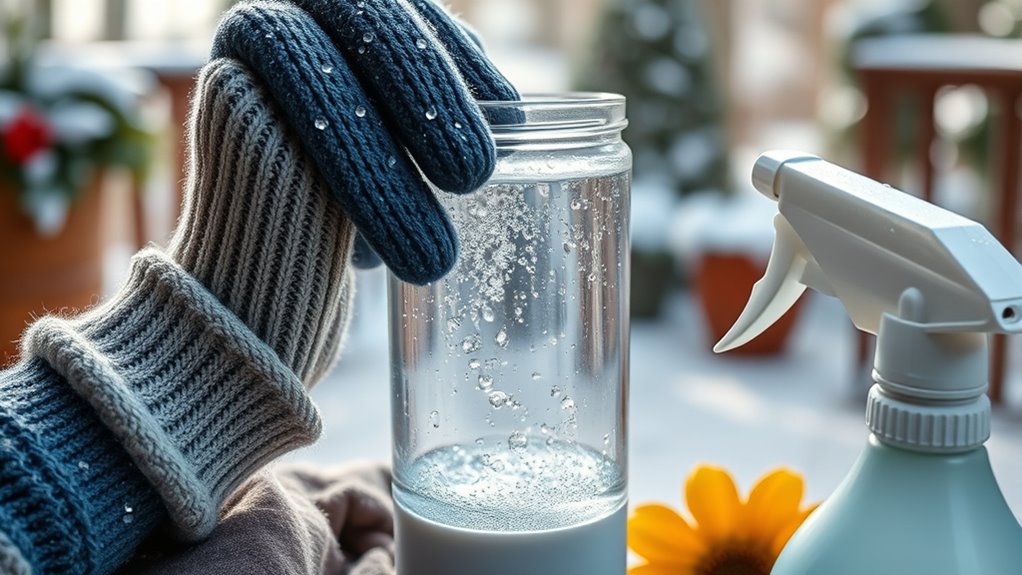
Have you ever wondered if your water filter is working as effectively as it should? Regular maintenance is essential to guarantee your system provides clean, safe water year-round, especially as seasons change. Preparing for winter and summer involves specific steps like filter replacement and system flushing to keep everything running smoothly and to prevent potential issues caused by temperature fluctuations or sediment buildup.
Regular water filter maintenance ensures clean, safe water year-round amid seasonal changes.
As winter approaches, it’s smart to start by inspecting your filter. Cold weather can cause pipes to freeze and expand, which might damage your system if it’s not in top shape. Begin by replacing your water filter if it’s been in use for several months, since filters tend to become less effective over time. A fresh filter ensures maximum filtration, removing impurities and preventing clogging during the colder months. Remember, a good rule of thumb is to replace filters every 6 to 12 months, but check your manufacturer’s guidelines for specific recommendations. Along with filter replacement, consider flushing your system to clear out any accumulated debris or mineral deposits that might have built up. System flushing involves running water through the filter to remove residual contaminants and guarantee the apparatus functions correctly, especially before extended periods of low usage.
In preparation for summer, the focus shifts slightly. Warmer weather often leads to increased demand and potential sediment from outdoor sources like garden hoses or irrigation systems. Before the heat hits, perform a thorough system flush to remove any accumulated sediments or algae that might have settled during cooler months. Flushing your system helps maintain water quality and prevents odors or discoloration that can develop when water sits stagnant for too long. Additionally, check the filter’s condition and replace it if necessary. Summer filters tend to work harder because of higher water usage, so making sure your filter is clean and functioning properly helps keep your water tasting fresh and free of impurities.
Throughout both seasonal transitions, don’t forget to keep an eye on your system’s performance. If you notice a decrease in water flow or a change in taste, it’s a sign it’s time for a filter replacement or a system flush. Regular maintenance like these can extend the lifespan of your filtration system and save you money in the long run. Staying proactive assures your water remains pure and safe, regardless of the season. Adapting your maintenance routine for winter and summer not only protects your system but also guarantees you enjoy clean, fresh water whenever you need it most. Additionally, understanding the different types of filters and their specific maintenance needs can help optimize your system’s performance.
Frequently Asked Questions
How Often Should I Replace My Water Filter During Seasonal Changes?
You should replace your water filter every 6 to 12 months, depending on its filter lifespan and your water quality. During seasonal changes, it’s wise to check the filter more frequently, especially if your water source has higher sediment or contaminants. Following a consistent replacement schedule guarantees your filter performs at its best, protecting your health and maintaining water taste. Always refer to the manufacturer’s guidelines for the best timing.
Can Temperature Fluctuations Damage My Water Filter System?
Temperature fluctuations can damage your water filter system if the filter material isn’t designed to withstand such changes. Rapid shifts may cause cracks or leaks, reducing system durability. To protect your system, make certain you choose filters made from resilient materials and insulate or store your system properly during extreme weather. Regular maintenance and monitoring help prevent damage, ensuring your filter remains effective year-round despite temperature changes.
Are There Specific Filters Better Suited for Winter or Summer Use?
Yes, you should choose filters with filter material and capacity suited for seasonal changes. For winter, opt for filters with materials that resist freezing and increased sediment, preventing damage. In summer, select filters with higher capacity to handle increased water demand and potential contaminants. By choosing the right filter material and capacity, you’ll guarantee maximum performance and longevity, regardless of the season.
How Do I Prevent Ice Formation in Outdoor Water Filters?
To prevent ice blockages in outdoor water filters, you should insulate your filters with outdoor insulation, especially during freezing temperatures. Drain and disconnect the filter if possible, and consider installing a heat trace cable to keep water flowing. Regularly check these measures throughout winter to make certain they’re effective. These precautions help you avoid ice blockages that can damage your filters and disrupt water flow.
What Are Signs My Water Filter Needs Maintenance Before Seasonal Shifts?
You’ll notice your water filter needs maintenance if you experience water taste issues or decreased water flow. These signs indicate buildup or clogging, which can worsen during seasonal shifts. Regularly check your filter for strange tastes, odors, or reduced flow rates. Addressing these early helps prevent more extensive damage and guarantees your water stays clean and fresh, especially before extreme weather changes.
Conclusion
As the seasons shift, a little care goes a long way in keeping your water fresh and pure. Think of your filter as a trusted friend who appreciates your attention, ensuring smooth sailing through winter’s chill and summer’s heat. By staying proactive, you’re gently nurturing a comfort that lasts year-round. Remember, a small effort now can quietly safeguard your home’s well-being, allowing peace of mind to flow effortlessly, no matter what the seasons bring.
Fall yard work Picks
leaf blowers
As an affiliate, we earn on qualifying purchases.