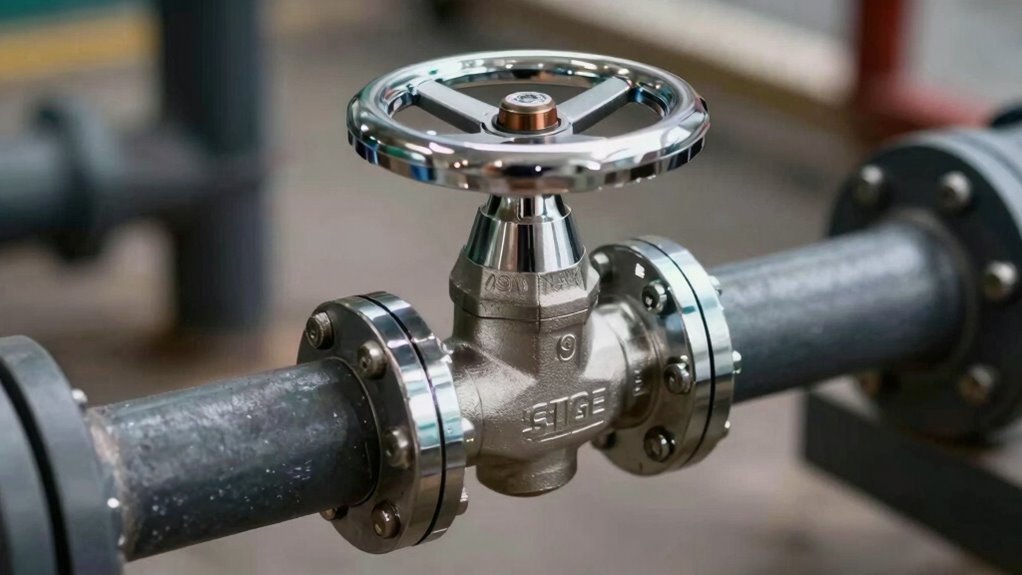

You should see main-line shutoff controls as crucial components of your overall safety system, not just simple manual switches. They’re essential for quick action during emergencies, helping you prevent damage, injuries, and environmental harm. Properly maintained and integrated with alarms and leak detection, these controls support regulatory compliance and proactive safety measures. Viewing them as part of a holistic safety strategy ensures better preparedness and response. If you continue exploring, you’ll discover how to optimize their use for maximum effectiveness.

Get home appliances delivered free with Prime
- Fast, free delivery on millions of items
- Prime Video, Amazon Music and more included
- Member-only deals all year
Key Takeaways
- View main-line shutoff controls as integral safety components within a comprehensive emergency response system.
- Prioritize proactive maintenance and regular testing to ensure quick, reliable operation during crises.
- Incorporate clear labeling, accessibility, and staff training for effective and swift shutoff actions.
- Integrate shutoff controls with alarm systems and leak detection for enhanced overall safety.
- Emphasize environmental responsibility and regulatory compliance as core aspects of safety planning.
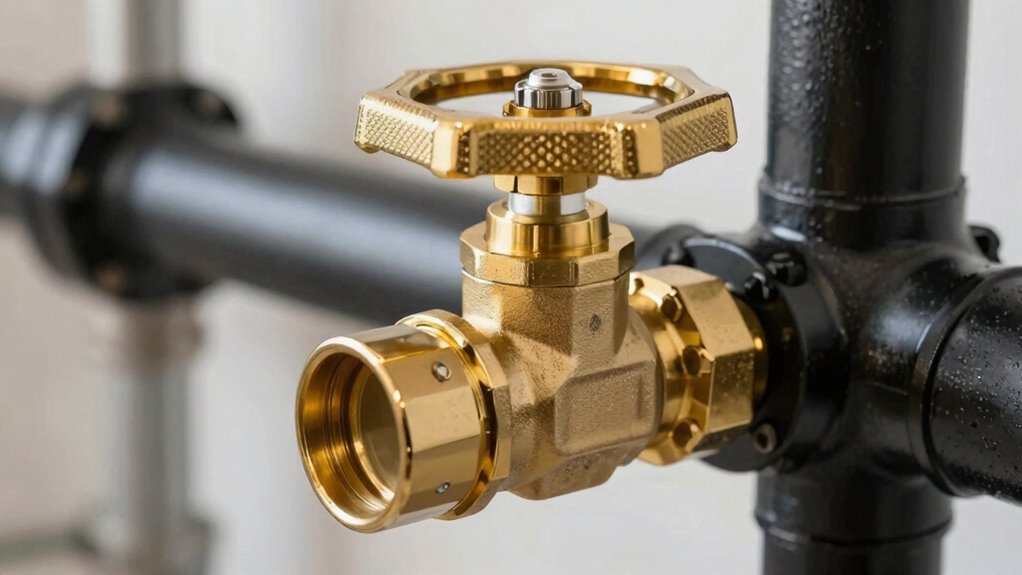
Have you ever wondered how to quickly stop the flow of water or gas in an emergency? It’s a vital question, especially when your safety and property depend on acting fast. Main-line shutoff controls are essential tools for emergency preparedness, allowing you to cut off supply lines swiftly to prevent damage, injury, or worse. But understanding the best way to think about these controls means looking beyond just their function. It’s about integrating them into an all-encompassing safety strategy that complies with regulations and guarantees reliability when seconds count.
Main-line shutoff controls are vital for swift emergency response and integrated safety strategies.
When you focus on main-line shutoff control, you’re fundamentally prioritizing safety and compliance. Regulatory standards set by local, state, and federal agencies specify the types, locations, and maintenance of these shutoff devices. Ignoring these guidelines can lead to serious legal consequences, fines, or increased liability during an emergency. That’s why it’s vital to regularly inspect, test, and maintain your shutoff controls, guaranteeing they work flawlessly when needed. Proper maintenance not only keeps you compliant but also ensures that the control will perform reliably during a crisis, reducing the risk of leaks, flooding, or gas explosions. Regular training on emergency procedures can further enhance your readiness and response capabilities.
Thinking about main-line shutoff control as part of your emergency preparedness shifts your mindset from reactive to proactive. Instead of scrambling to find the right valve or tool amid chaos, you’ll have a clear plan and accessible controls. Visibility and accessibility are key. You should know exactly where the shutoff valve is located, how to operate it quickly, and whether it’s properly labeled. Regular drills or training sessions help you and your team become familiar with the shutoff procedure, reducing hesitation during an actual emergency. This preparedness minimizes damage and downtime, protecting your property and lives. Additionally, understanding regulatory compliance and its importance can help ensure your safety measures meet legal standards and avoid potential penalties. Incorporating emergency response planning can enhance your overall preparedness and response efficiency.
Additionally, considering the better way to think about these controls means recognizing their role in a broader safety system. It’s not just about flipping a switch; it’s about integrating shutoff controls into your overall safety and emergency response plan. This includes alarm systems, leak detection, and communication protocols. When these elements work together, you’re better equipped to respond swiftly and effectively to any crisis. You also demonstrate your commitment to safety standards, which can be a positive factor in regulatory compliance audits. Moreover, understanding the importance of biodiversity and sustainable practices can influence how safety measures are implemented to ensure environmentally responsible responses. This holistic approach ensures your safety measures are resilient and environmentally conscious.
As an affiliate, we earn on qualifying purchases.
Frequently Asked Questions
How Does Main-Line Shutoff Control Impact Emergency Response Times?
Main-line shutoff control greatly improves emergency response times by enabling you to quickly isolate the system during emergencies. It enhances your emergency preparedness by providing a reliable way to prevent further damage or hazards. With a dependable shutoff system, you can respond faster, reduce risks, and guarantee system reliability, ultimately protecting lives and property more effectively during critical situations.
Are There Maintenance Requirements for Main-Line Shutoff Systems?
Yes, main-line shutoff systems require regular maintenance. You should follow established maintenance schedules to guarantee reliability, including routine inspection procedures to check for wear, corrosion, or leaks. Performing these inspections helps you identify potential issues early, preventing unexpected failures. Keeping detailed records of maintenance activities allows you to stay compliant with safety standards and ensures the system functions correctly when needed during emergencies.
What Safety Protocols Should Workers Follow During Shutoff Operations?
You should always follow strict safety protocols during shutoff operations. Investigate the truth of safety drills—regular practice guarantees you respond correctly in emergencies. Wear appropriate personal protective equipment, like gloves and eye protection, to prevent injuries. Always verify the shutoff is complete before leaving the site. Maintain clear communication with team members, and never bypass safety measures, understanding that consistent safety practices are essential for everyone’s protection.
Can Shutoff Control Systems Be Integrated With Smart Technology?
Yes, shutoff control systems can be integrated with smart technology, leveraging smart integration to enhance safety and efficiency. Automation benefits include real-time monitoring, quick response to issues, and seamless control, reducing manual errors. You can remotely operate and troubleshoot shutoff systems, improving overall safety protocols. This integration also allows for predictive maintenance, minimizing downtime, and ensuring reliable operations, making your shutoff control more intelligent and responsive.
What Are the Costs Associated With Upgrading or Installing Shutoff Controls?
Upgrading or installing shutoff controls involves costs that vary based on system complexity and integration needs. You’ll want to evaluate a clear cost comparison between basic manual controls and advanced smart systems, which can be more expensive upfront but offer long-term savings. Installation challenges can include technical expertise requirements and potential system disruptions, so choosing experienced professionals helps guarantee a smooth process and maximum performance.
As an affiliate, we earn on qualifying purchases.
Conclusion
Think of main-line shutoff control like the nervous system of your plumbing—it’s what keeps everything running smoothly or stops problems before they spread. By understanding and managing this control effectively, you prevent costly damage and guarantee safety. Don’t wait for a leak to become a flood; be proactive. Mastering the shutoff is like having a trusted guard at your door—ready to act instantly and keep your home safe and sound.
water leak detection alarm system
As an affiliate, we earn on qualifying purchases.
As an affiliate, we earn on qualifying purchases.
As an affiliate, we earn on qualifying purchases.
Halloween Picks
halloween
As an affiliate, we earn on qualifying purchases.